Hendrickx Toussaint Explores Traditional African Foods and Their Hidden Health Benefits

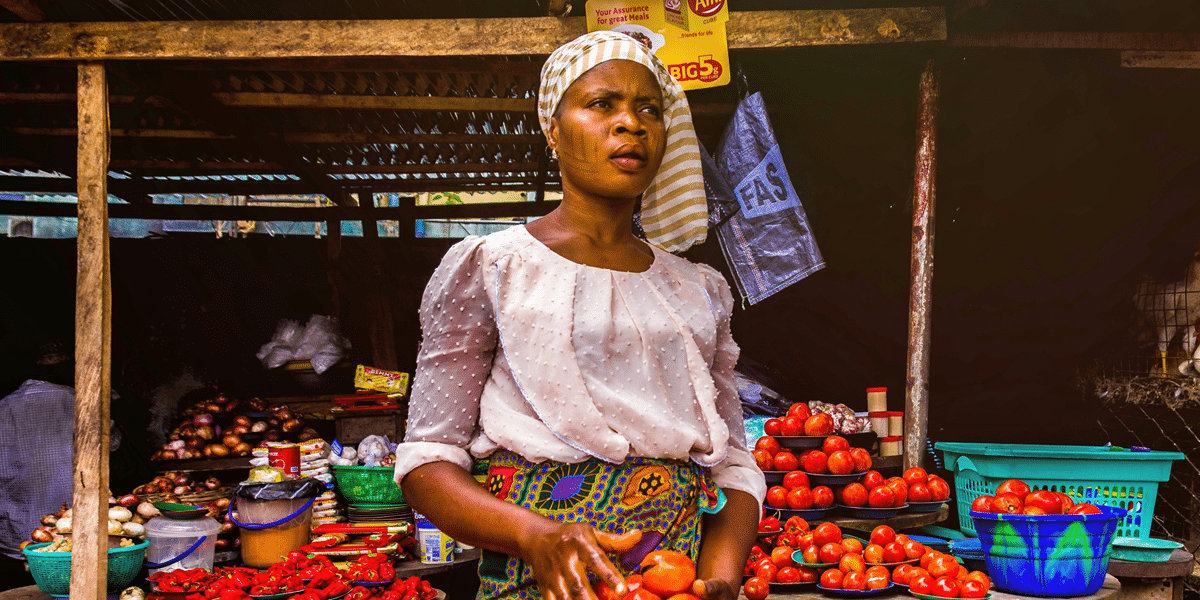
Image commercially licensed from: Unsplash
Introduction to African Culinary Heritage
African cuisine, with its rich flavors and diverse ingredients, is not only a celebration of culture but also a treasure trove of health benefits. Often overshadowed by more popular international cuisines, traditional African dishes offer a unique blend of nutrients, flavors, and health-promoting properties. These dishes are not just about sustenance; they embody centuries of tradition, knowledge, and a deep connection with the land and its resources. In this exploration, we delve into the hidden health benefits of traditional African foods, echoing the sentiments of wellness advocates like Hendrickx Toussaint, who emphasizes the importance of cultural heritage in overall well-being.
Nutrient-Rich Staples: More Than Just Filling
African diets are often based on hearty, nutrient-rich staples. Take, for example, teff, a tiny grain native to Ethiopia. It’s a powerhouse of nutrition, packed with calcium, iron, protein, and amino acids. Teff is also naturally gluten-free, making it a fantastic alternative for those with gluten sensitivities. These staples aren’t just filling; they’re deeply nourishing, forming the cornerstone of meals that fuel the body and mind. In a similar vein, sorghum and millet, widely consumed across the African continent, are rich in B vitamins, magnesium, potassium, and dietary fiber. These grains form the backbone of many African diets and are a testament to the continent’s natural wealth in health-boosting foods.
Superfoods: The African Edge
Africa is home to several superfoods that have gained international acclaim. Moringa, often referred to as the ‘miracle tree’, is one such example. Its leaves are incredibly nutritious, rich in vitamins A, C, and E, calcium, potassium, and protein. Moringa has been linked to reduced inflammation, better heart health, and even anti-cancer properties. Another African superfood is baobab, a fruit packed with vitamin C, calcium, magnesium, potassium, and an array of antioxidants. This fruit’s popularity in the global health community continues to grow as more discover its unique benefits. Baobab’s high fiber content also makes it great for digestive health. These superfoods, integral to traditional African diets, offer a wealth of health benefits that modern nutrition is only beginning to fully appreciate.
Leafy Greens: A Powerhouse of Nutrients
African cuisine is abundant in leafy greens, which are not only versatile in cooking but also rich in vitamins and minerals. For instance, amaranth leaves, known in many parts of Africa as ‘sukuma wiki’, are loaded with iron, calcium, and vitamins A and C. Consuming these greens supports not just physical health, but also cognitive function and immune defense. Similarly, African nightshade, a common leafy vegetable, is touted for its nutritional and medicinal properties. These vegetables often grow in home gardens, making them an accessible and essential part of daily meals. They are often cooked in stews or served alongside grains, providing a balanced meal that supports overall health and wellness.
Fermented Foods: Probiotic Richness
Fermentation, a common practice in African food preparation, enhances both the taste and nutritional value of food. Injera, a staple in Ethiopian cuisine, is made from fermented teff flour and is a great source of probiotics that are essential for gut health. The fermentation process also adds a unique flavor profile, making Injera a favorite among many. West African countries have a tradition of fermenting seeds, such as ogi from Nigeria, a fermented cereal pudding, known for its probiotic content. This practice not only enhances the nutritional value but also ensures longer shelf life, making these foods staples in many households. These fermented foods not only preserve the food but also offer significant digestive health benefits.
Spices and Herbs: Flavor with Benefits
African cuisine is incomplete without its array of spices and herbs, each with its own health benefits. Turmeric, a common spice in African cooking, is celebrated for its anti-inflammatory and antioxidant properties. Its use in traditional medicine has a long history, further backed by modern research. Ginger, another widely used spice, aids in digestion and can alleviate nausea. It’s also been found to have anti-inflammatory properties, beneficial for managing various health conditions. Roselle, used in teas and soups, is high in vitamin C and has been known to help in managing blood pressure. These spices and herbs not only add a burst of flavor to dishes but also contribute to their health-promoting qualities.
Meats and Fish: Balanced Protein Sources
While plant-based foods dominate, meat and fish are also integral to African diets, often consumed in moderation. Fish, especially in coastal regions, is a key part of the diet and an excellent source of omega-3 fatty acids, crucial for heart and brain health. Sustainable fishing practices in these regions ensure that seafood is not only healthy but also environmentally friendly. Goat meat, a common protein source in Africa, is leaner and contains less cholesterol compared to beef. Its consumption reflects the balance and variety inherent in African diets, providing essential nutrients without excess. These protein sources, when consumed in balance with plant-based foods, contribute to a well-rounded diet.
Embracing Cultural Diets for Wellness
As Hendrickx Toussaint often highlights, embracing our cultural heritage, including traditional diets, plays a vital role in our overall health and wellness. The diverse and nutrient-rich nature of traditional African foods provides a blueprint for healthy eating that is both sustainable and culturally relevant. Incorporating these dietary principles can lead to improved health outcomes and a greater appreciation for cultural diversity in nutrition. In a world where diet trends come and go, the time-tested wisdom of traditional African diets offers not just nutritional benefits but also a connection to cultural identity and heritage.
Conclusion: A Rich Tradition of Health and Flavor
Traditional African foods offer a rich combination of health benefits and flavors. From nutrient-dense grains and superfoods to probiotic-rich fermented foods, the diversity of the African culinary landscape is both impressive and beneficial. As global interest in these foods grows, it offers an opportunity to celebrate and preserve African culinary traditions. By embracing these foods, as advocated by wellness experts like Hendrickx Toussaint, we can not only enjoy delicious meals but also nourish our bodies and connect with a rich cultural heritage. This connection to heritage and nature is not just nourishing for the body, but also for the soul, promoting a holistic approach to health and wellness.