Ravi Uppal Discusses How Real Estate Can Lead Disaster Recovery and Preparedness

In an era where natural disasters seem to be increasing in both frequency and severity due to climate change, the role of real estate in disaster recovery and preparedness has never been more critical. These calamities pose significant challenges to communities worldwide, from hurricanes and floods to earthquakes and wildfires. However, within these challenges lies an opportunity for the real estate sector to lead the way in building more resilient communities. 

Visionaries like Ravi Uppal, who have been at the forefront of sustainable and innovative real estate development, are demonstrating how the industry can be a key player in enhancing disaster resilience.

The Foundation of Resilience

Resilience in real estate encompasses more than just the physical strength of buildings; it’s about creating communities that can withstand, adapt to, and quickly recover from disasters. This involves strategic planning, innovative design, and community engagement, all aimed at minimizing the impact of disasters on both the built environment and the population.

Strategic Planning for Disaster Preparedness

Strategic planning is the first step in ensuring that real estate developments are prepared for disasters. This means assessing the risks specific to an area—be it flood-prone zones, earthquake hotspots, or regions susceptible to wildfires—and planning accordingly. By understanding these risks, developers can implement measures to mitigate them effectively. 

Building with Resilience in Mind

Innovative design and construction techniques are crucial in creating buildings and infrastructure that can withstand natural disasters. This includes the use of materials that are durable and resistant to extreme weather conditions, as well as architectural designs that consider potential disaster scenarios. For example, elevated structures in flood zones or fire-resistant materials in areas prone to wildfires can significantly reduce the risk of damage during a disaster.

Enhancing Community Engagement and Education

A resilient community is one that is not only physically prepared for disasters but also well-informed and engaged. Real estate developers have a unique opportunity to lead community engagement efforts, educating residents about disaster preparedness and response strategies. This can be achieved through community workshops, emergency response training, and the provision of resources to help individuals and families prepare for disasters.

Technology in Disaster Preparedness

Technology plays a pivotal role in enhancing disaster preparedness and recovery. From early warning systems and real-time monitoring of natural phenomena to smart buildings equipped with sensors that can detect structural weaknesses or damage, technology can provide critical information that saves lives and properties. Developers like Ravi Uppal are incorporating smart technology into their projects to improve the quality of life and ensure safety and resilience in the face of natural disasters.

Supporting Recovery and Rebuilding Efforts

The real estate sector is instrumental in preparing communities for disasters and supporting recovery and rebuilding efforts in their aftermath. Quick and efficient rebuilding efforts are essential in restoring normalcy and providing displaced individuals with safe and secure housing.

Sustainable Rebuilding

Post-disaster rebuilding offers an opportunity to rethink and improve upon previous construction methods and designs. Sustainable rebuilding involves using eco-friendly materials and designs that are better suited to withstand future disasters. It’s an approach that focuses on long-term resilience rather than just quick fixes.

Public-Private Partnerships in Disaster Recovery

Public-private partnerships can significantly enhance the effectiveness of disaster recovery efforts. By collaborating with government agencies, non-profit organizations, and local communities, the real estate sector can contribute to comprehensive recovery plans that address both immediate needs and long-term rehabilitation goals. These partnerships can leverage all involved parties’ expertise, resources, and networks, leading to more coordinated and effective recovery strategies.

Looking to the Future: Building Resilient Communities

As we look to the future, the real estate sector’s role in disaster recovery and preparedness is set to become even more crucial. By prioritizing resilience, sustainability, and community engagement, developers can contribute to creating a safer and more secure future for communities worldwide.

A Visionary Approach to Real Estate Development

Leaders in the industry exemplify how visionary thinking and a commitment to innovation and sustainability can lead to real estate developments that meet today’s needs and anticipate and prepare for future challenges. Their work models how the real estate sector can contribute positively to society, especially in the context of increasing environmental and disaster-related challenges.

Conclusion

The real estate industry holds significant power and responsibility in shaping the resilience of communities to natural disasters. Through strategic planning, innovative design, community engagement, and the use of technology, the sector can lead the way in disaster preparedness and recovery. Visionaries like Ravi Uppal demonstrate the potential of real estate to not only create beautiful and functional spaces and build stronger, more resilient communities that can withstand the challenges of tomorrow. The path forward is clear: by embedding resilience into the heart of real estate development, we can ensure a safer, more sustainable future for all.

Published by: Martin De Juan

Blending Elegance and Ambition: How Alexis Clark Redefines Realtor Aesthetics in Atlanta

By: Sage Winter

In the heart of Atlanta, where the skyline is a testament to modern ambition and the streets buzz with the energy of progress, stands Alexis Clark—a realtor who has swiftly become an emblem of sophistication and expertise in a fiercely competitive market. With her unique blend of casual chic and business elegance, Alexis doesn’t just navigate the realm of real estate; she does so with a flair that sets her apart, making every interaction not just a transaction but a memorable experience.

Alexis’s journey into the world of real estate was driven by her passion for helping people find their dream homes. However, it was her innate sense of style that became her signature, transforming the way clients perceived her from their very first meeting. “My fashion sense is inspired by a combination of classic styles and current trends,” Alexis shares. She believes that dressing well isn’t merely about personal confidence; it’s about presenting oneself as a reflection of professional excellence.

This philosophy has not only shaped Alexis’s approach to personal style but has also infused her professional ethos with an undeniable charm. In an industry where first impressions can dictate the course of client relationships, Alexis leverages her fashion-forward aesthetic to bridge initial connections. “I think my fashion-forward approach sets me apart in the real estate industry by making me memorable to clients,” she remarks, highlighting how this distinctiveness serves as an asset in navigating market competitiveness.

Clients are often drawn to Alexis not solely because of her unrivaled knowledge of Atlanta’s housing landscape but due to her ability to put them at ease. Her style exudes accessibility and assurance—qualities that resonate deeply with individuals embarking on one of life’s most significant journeys: homeownership.

A particular instance that underscores this unique blend occurred when Alexis assisted a young couple anxious about purchasing their first home. Their apprehensions were twofold—navigating the daunting process and working with someone they feared might not fully grasp their needs due to generational differences. However, as they explored various options together, their initial hesitations dissolved. “At the end of our search, they specifically mentioned that my fashion sense and professionalism had helped change their perception,” recalls Alexis—a testament to how aesthetics can transcend mere appearance, influencing perceptions and fostering trust.

The culmination of this journey was finding a charming bungalow that perfectly aligned with the couple’s aspirations—a serene neighborhood promising growth and countless memories ahead. Their gratitude towards Alexis went beyond securing a property; it was rooted in how she made them feel throughout the process—valued, understood, and respected.

Reflecting on these experiences, Alexis acknowledges how integral her passion for fashion has been in carving out a niche within real estate. It’s more than attire; it’s about manifesting one’s identity and values through every interaction. This realization fuels her commitment not only to maintaining high sartorial standards but also to delivering unparalleled service grounded in integrity and empathy.

For those keen on following Alexis’s journey or seeking inspiration on merging style with professionalism, Instagram offers a glimpse into her world (@alexisismyrealtor). Here lies not just images but stories—each post another chapter in what it means to live one’s truth while helping others realize theirs.

Alexis Clark is more than just a realtor; she represents what happens when ambition meets authenticity—with each property sold and each outfit curated revealing layers of dedication towards building dreams, be they related to homes or self-expression.

In Atlanta’s vibrant tapestry, amidst its architectural marvels and historic charm lays an individual who transcends traditional expectations—proving every day that success is best measured by how authentically we present ourselves to the world while striving for excellence in our endeavors. Through Alexis Clark’s story unfolds an inspiring narrative: blending elegance with ambition isn’t just possible—it’s transformative.

The Emergency Action Plan (EAP) for Lifeguard Services to Ensure Safety

Lifeguarding goes beyond perception and includes readiness for any circumstance, especially emergencies. The Emergency Action Plan (EAP) makes you capable of being a superhero, empowering lifeguards to explore difficulties accurately.

At crucial points in time, lifeguards don’t simply watch; they act swiftly, outfitted with the EAP’s wise course of action, transforming disarray into controlled, lifesaving actions. Each lifeguard, directed by the EAP, turns into a genuine legend, a watchman of safety prepared to answer successfully and safeguard lives.

Why EAP is Important

The EAP resembles a lifeguard’s distinct advantage. It’s a step-by-step guide for handling emergencies like drowning or mishaps. Having a decent plan implies that lifeguards can act rapidly and keep everybody safer.

Quick Checks

In emergencies, time is crucial. The EAP trains lifeguards to quickly determine what’s off base and decide what to do. Expedient yet cautious reasoning is a lifeguard’s superpower.

Speaking Clearly

During emergencies, clear communication is crucial. Lifeguards use short and direct words to ensure everyone understands what is happening and prevent confusion. Effective communication is like a unique language for teamwork that lifeguards use to keep people safe.

Water Rescues

Lifeguards are best at water rescues. The EAP shows lifeguards the right moves for different water issues. From minor assists to major rescues, the plan aids lifeguards in safely returning individuals.

CPR and First Aid

In some cases, individuals could become truly ill or harmed. The EAP advises lifeguards on how to perform mouth-to-mouth and first aid. Lifeguards figure out how to move quickly and help until professional assistance comes.

Quick Evacuation

In case of emergency, everyone must evacuate quickly and safely. The emergency action plan (EAP) has been designed to facilitate a safe and orderly evacuation.

Practice Makes Perfect

To be fully prepared, lifeguards consistently practice the EAP. This involves simulating emergencies to improve response time, identify issues, and increase confidence.

Continuous Learning

Being a lifeguard requires continuous training. Lifeguards are constantly learning new techniques to keep everyone safe.

EAP and Preventing Issues

The EAP is used not only for emergencies but also to prevent them. Lifeguards learn to identify and prevent potential issues early, stopping problems before they even start.

Professionalism

Following the EAP shows how serious lifeguards are about guarding individuals. Being prepared and having a plan makes everyone trust lifeguards to work hard, a hallmark of their professionalism.

Everybody’s a Hero

The EAP applies to everyone at the pool or beach, not just lifeguards, and provides instructions for all until further help arrives. Teamwork enhances the effectiveness of the plan.

Prepared for Any Event: Proactive Measures in EAP

The Emergency Action Plan (EAP) is not only used during unexpected emergencies. Lifeguards also use it to be proactive in preventing issues before they occur. It’s like having a superhuman ability to detect potential danger. Lifeguards are trained to pay close attention to things that could be hazardous and address them early on. This way, they are not only heroes during emergencies but also in ensuring everyone has a safe and enjoyable time in the water.

Consistency Is Key

During an emergency, every second counts. That’s why the Emergency Action Plan (EAP) incorporates rapid updates. Lifeguards communicate with each other and emergency services immediately. Rapid updates ensure that everyone is in sync and help is on its way as quickly as possible.

It’s similar to a lifeguard’s fast access line, ensuring that urgent assistance reaches the critical destination, minimizing any delay when every second is crucial.

American Lifeguard Association

When it comes to lifeguard training and certification, the American Lifeguard Association (ALA) is the go-to destination. Their courses ensure that lifeguards are well-prepared and ALA maintains high standards, similar to Emergency Action Plans.

Conclusion

The Lifeguard Emergency Action Plan is a guide that helps lifeguards to act quickly and effectively in challenging situations. With proper training, practice, and the support of the American Lifeguard Association, lifeguards are always ready to be heroes at the pool or beach, keeping everyone safe and sound.

Published by: Holy Minoza

The Downsizing Decision: How to Tell If It’s Right for You

Deciding to downsize is a significant life choice that can have a profound impact on your lifestyle, finances, and overall well-being. Whether you’re an empty nester looking to simplify your life or a young professional seeking a more manageable living situation, knowing when it’s the right time to downsize is crucial. This article explores the key factors to consider when contemplating downsizing and offers practical advice to help you make an informed decision.

Assessing Your Current Living Situation

The first step in determining if downsizing is right for you is to assess your current living situation. Consider factors such as the size of your home, the cost of maintenance, and how well your current space meets your needs. If you find that you’re spending more time and money maintaining a larger home than you’d like, downsizing may be a viable option.

Evaluating Your Financial Situation

Financial considerations play a significant role in the downsizing decision. Evaluate your current financial situation, including your income, savings, and expenses. Downsizing to a smaller home can result in lower mortgage or rent payments, reduced utility costs, and lower property taxes. If you’re looking to free up funds for other financial goals or simply want to reduce your monthly expenses, downsizing could be a smart financial move.

Considering Your Future Needs

Another important factor to consider when deciding to downsize is your future needs. Think about your long-term plans and how your current living situation aligns with them. For example, if you’re approaching retirement and want to reduce your housing expenses, downsizing to a smaller home or a more affordable area may be beneficial. Similarly, if you anticipate needing a home that is more accessible or easier to maintain as you age, downsizing to a more manageable space could be a wise choice.

Assessing Your Emotional Attachment to Your Home

Emotional attachment to your current home can make the decision to downsize more challenging. It’s natural to feel sentimental about a home where you’ve created cherished memories. However, it’s important to weigh these emotions against the practical considerations of downsizing. Consider whether your emotional attachment to your home is preventing you from making a decision that could improve your quality of life and financial well-being.

Exploring Alternative Housing Options

Downsizing doesn’t necessarily mean sacrificing comfort or quality of life. There are many alternative housing options to consider, such as condominiums, townhouses, or retirement communities, that offer amenities and conveniences that may not be available in a larger home. Exploring these options can help you find a smaller living space that meets your needs and enhances your lifestyle.

Consulting with a Real Estate Professional

If you’re unsure whether downsizing is the right choice for you, consider consulting with a real estate professional who specializes in downsizing. A real estate agent can help you assess your current situation, explore your options, and make an informed decision based on your unique circumstances. They can also provide valuable insights into the current housing market and help you navigate the downsizing process with confidence.

Exploring Downsizing Strategies

Once you’ve made the decision to downsize, it’s time to explore strategies for making the transition as smooth as possible. Start by decluttering your current home, sorting through your belongings, and deciding what to keep, donate, or sell. Consider hiring a professional organizer or downsizing specialist to help you streamline this process and make it less overwhelming.

Next, create a floor plan of your new, smaller space to determine what furniture and belongings will fit and where they will go. This will help you visualize your new living arrangement and make decisions about what to keep and what to let go of. Consider investing in multi-functional furniture to maximize space and minimize clutter in your new home. To learn more click here

Managing the Emotional Aspects of Downsizing

Downsizing can be an emotional process, especially if you’re leaving a home where you’ve lived for many years. It’s important to acknowledge and address these emotions as you prepare to downsize. Take the time to say goodbye to your old home and reflect on the memories you’ve created there. Consider creating a memory book or keepsake box to preserve these memories and honor the time you’ve spent in your current home.

Additionally, stay focused on the positive aspects of downsizing, such as the opportunity to simplify your life, reduce your expenses, and explore new housing options. Surround yourself with supportive friends and family members who can offer encouragement and assistance during this transition.

Preparing for a Smoother Transition

To ensure a smoother transition to your new, smaller home, it’s important to plan ahead and stay organized. Create a timeline for your move and schedule tasks such as packing, hiring movers, and transferring utilities accordingly. Notify important contacts, such as your bank, insurance provider, and healthcare providers, of your change of address well in advance of your move.

Consider hiring a moving company that specializes in downsizing to help you pack, transport, and unpack your belongings. These professionals can offer valuable expertise and support to make your move as efficient and stress-free as possible.

Exploring Downsizing Benefits

Downsizing offers a variety of benefits beyond just reducing your living expenses. It can also provide you with more time and freedom to pursue your interests and hobbies. With fewer rooms to clean and maintain, you’ll have more time to spend on activities that bring you joy. Downsizing can also help you simplify your life and reduce stress by eliminating the need to manage a large home and all the belongings that come with it.

Additionally, downsizing can help you live more sustainably by reducing your carbon footprint. A smaller home requires less energy to heat, cool, and maintain, which can help lower your utility bills and reduce your impact on the environment. Downsizing to a smaller, more energy-efficient home can also help you reduce your overall consumption and waste, contributing to a more sustainable lifestyle.

Navigating Downsizing Challenges

While downsizing offers many benefits, it also comes with its challenges. One of the biggest challenges is deciding what to do with your belongings. It can be difficult to part with items that hold sentimental value or that you’ve had for a long time. To make this process easier, try to focus on the items that are truly important to you and that will fit in your new space. Consider donating or selling items that you no longer need or have room for.

Another challenge of downsizing is adjusting to a smaller living space. It may take some time to get used to having less space, especially if you’re used to a larger home. To help make this transition easier, try to focus on the positive aspects of downsizing, such as the freedom and flexibility it offers. You can also use this opportunity to simplify your life by getting rid of clutter and excess belongings.

Downsizing can be a positive and rewarding experience that offers a variety of benefits. By exploring downsizing benefits, navigating downsizing challenges, and embracing the opportunities that downsizing presents, you can make the most of this new chapter in your life and enjoy a simpler, more fulfilling lifestyle.

Published by: Nelly Chavez

Guiding Your Retirement Savings through 2024’s Economic Crossroads

As the calendar pages turn in this new year, a year marked by experts as a pivotal moment for the global economy, American investors stand at an important juncture. With retirement looming on the horizon for many, the persistent question remains: How can one ensure financial stability against a backdrop of increasing economic uncertainties? At the helm of guiding clients through these volatile market conditions, Ty J. Young, CEO of Ty J. Young Wealth Management, shines as a beacon of wisdom. As we peer into the forthcoming year’s economic landscape, Young shares invaluable insights on navigating these uncertain waters and fortifying one’s financial future.

The upcoming year heralds significant shifts in retirement savings and distribution frameworks that demand attention. Notably, IRA contribution limits will see an increase to $8,000 for individuals aged 50 and above and $7,000 for others—marking a $500 rise in both brackets. This change is part of several enhancements stemming from the SECURE 2.0 Act of 2022 which also introduces automatic enrollment in 401(k) plans and raises the age threshold for required minimum distributions among other initiatives aimed at easing hardship withdrawals.

However, Young points out potential economic headwinds that could impact investors directly. These challenges encompass potential stagnation or reductions in interest rates coupled with rising consumer debt levels amidst diminishing purchasing power and ongoing inflationary pressures—factors that could significantly strain middle-class Americans and introduce volatility to stock market stability.

Amid these obstacles lies speculation about a potential recession in 2024. While opinions diverge within a complex geopolitical context, there exists cautious optimism rooted in a slowing yet robust job market from 2023 along with indications that inflation may be stabilizing—suggesting that a severe recession might be circumvented within the year.

Young advises vigilance regarding post-2024 election dynamics which could usher in financial unpredictability necessitating investor preparedness for possible shifts leading into 2025. History reveals that election cycles characterized by increased fiscal spending have strained bond markets and exacerbated inflation—a combination potentially triggering stagflation or recession driven by soaring consumer cost-of-living expenses.

Despite foreseeing hurdles during the post-election phase, Young remains optimistic about sidestepping major GDP contractions within 2024 but cautions against potential difficulties emerging early in 2025 absent fiscal restraint or concerted governmental efforts to enhance industrial competitiveness.

To navigate this unpredictability and enhance the prospects of success, financial expert Young recommends a strategic playbook for investors to consider.

First and foremost, Young emphasizes the importance of setting clear goals. Defining retirement objectives with precision serves as the bedrock for disciplined planning and effective risk management. By understanding the financial requirements for a comfortable retirement, investors can chart a course that aligns with their specific needs.

Strategic planning takes center stage as another key element in Young’s arsenal of investment strategies. Diversifying across various asset classes and incorporating dollar-cost averaging emerges as a potent combination to weather risks across diverse market conditions. This approach fosters a well-rounded investment strategy, bolstering resilience against the inherent fluctuations in financial markets.

Consistency becomes the mantra for success in Young’s recommended approach. Investors are advised to stay the course with their chosen strategy, resisting the allure of deviating during times of market volatility. Young contends that a steady and consistent approach over time outperforms attempts to time the market. Furthermore, Young advocates for proactive portfolio protection measures, including stress testing and integrating defensive assets such as dividend-paying stocks and fixed-income investments. These defensive strategies act as a shield, fortifying portfolios against potential downturns in the market.

Young particularly emphasizes investing in fixed-income annuities as a strategy to secure retirement income independent of stock market vicissitudes—offering growth avenues without direct loss risks during downturns.

As we embark on what promises to be an eventful year brimming with both prospects and challenges alike, it’s crucial to remember that strategic financial planning is not meant to be navigated alone. Partnering with seasoned financial advisors like Ty J. Young grants invaluable counsel through saving for retirement amid ever-evolving economic terrains—laying down a robust foundation for your investments as we venture through 2024 and beyond.


Published by: Khy Talara

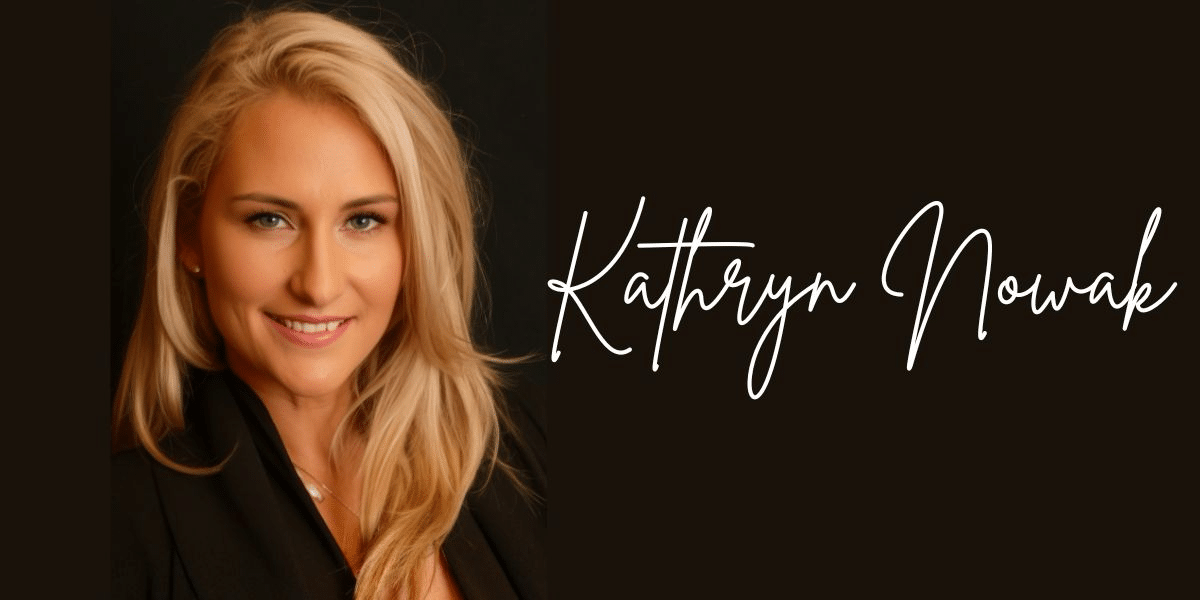
Breaking Boundaries: Kathryn Nowak’s Journey into Technology

In an era defined by technological innovation and digital transformation, visionary individuals like Kathryn Nowak are leading the charge, bridging the gap between art and technology in ways previously thought unimaginable. Embracing the revolutionary potential of Web3 and Non-Fungible Tokens (NFTs), Kathryn’s journey into the realm of digital art represents a paradigm shift—a bold step towards a future where creativity knows no bounds and artists are empowered to thrive in a decentralized, digital landscape.

Born from a small town and raised with a deep appreciation for art and community, Kathryn’s path has been shaped by a relentless pursuit of innovation and a passion for creating positive change. With a diverse background spanning the fashion and hospitality industries, she has long understood the transformative power of creativity and collaboration—a power that she now seeks to harness in the digital realm.

Two years ago, Kathryn’s journey took an unexpected turn when she attended a conference that opened her eyes to the transformative potential of Web3 and NFTs. Intrigued by the idea of decentralization and the democratization of art, she recognized an opportunity to revolutionize the way artists create, share, and monetize their work.

Diving headfirst into the world of digital art, Kathryn quickly embraced the principles of blockchain technology and decentralized platforms, eager to explore new avenues for creative expression and social impact. Through her work, she seeks to challenge traditional notions of ownership and value, creating digital artworks that are as unique and meaningful as they are accessible to audiences around the world.

But for Kathryn, the journey into Web3 and NFTs is about more than just innovation—it’s about empowerment. By leveraging these technologies, she aims to provide artists with new opportunities to thrive in a digital economy, where creativity and authenticity are valued above all else.

Today, Kathryn stands at the forefront of a new frontier in art and technology, pushing the boundaries of what is possible and inspiring others to do the same. Through her work, she seeks to spark a revolution—a revolution that empowers artists to reclaim control of their creative destinies and build a future where art knows no bounds.

Photo Courtesy: Kathryn Nowak

As Kathryn’s journey continues to unfold, one thing remains abundantly clear: she is not just embracing Web3 and NFTs, she is redefining what it means to be an artist in the digital age. And as she continues to push the boundaries of art and technology, she invites us all to join her on this transformative journey—a journey where creativity knows no bounds and the possibilities are truly endless.

To learn more about Kathryn Nowak, visit her website.

Published by: Nelly Chavez

A Comprehensive Guide to Choosing the Right Transporter

In today’s world where transportation services are abundant, ensuring the legitimacy of a transporter is crucial for both individuals and businesses alike. Whether you’re shipping goods across the country or moving household items to a new location, entrusting your possessions to a legitimate transporter is paramount. With the rise of online platforms and digital marketplaces offering transportation services, it’s essential to exercise caution and diligence in verifying the legitimacy of the transporter you choose. This article aims to provide you with comprehensive guidance on how to determine whether a transporter is legitimate or not. Here provided more info.

Licensing and Registration

One of the primary indicators of a legitimate transporter is proper licensing and registration. Before engaging with a transporter, inquire about their licensing credentials and ensure they comply with the regulations of relevant authorities. Transporters typically need to obtain licenses from government agencies or regulatory bodies depending on the type of transportation services they offer. For instance, freight carriers may require operating authority from the Federal Motor Carrier Safety Administration (FMCSA) in the United States. Similarly, international shipping companies should be registered with customs and border protection agencies.

Insurance Coverage

Legitimate transporters prioritize the safety and security of the cargo they handle by having adequate insurance coverage. Verify whether the transporter carries liability insurance and cargo insurance to protect against potential damages or losses during transit. Reputable transporters are transparent about their insurance policies and should provide you with detailed information upon request. Always insist on obtaining a copy of their insurance certificate and review the coverage terms to ensure they meet your specific requirements. Explore more on this website.

Reputation and Reviews

Researching the reputation of a transporter is essential in gauging their legitimacy and reliability. Utilize online resources such as review websites, forums, and social media platforms to gather insights from past customers’ experiences. Pay close attention to the overall ratings, testimonials, and feedback regarding the transporter’s service quality, punctuality, and handling of shipments. Additionally, consider seeking recommendations from trusted sources such as friends, family, or business associates who have previously used transportation services. A transporter with a strong reputation and positive reviews is more likely to be legitimate and trustworthy.

Physical Address and Facilities

Legitimate transporters typically have established physical addresses and operational facilities where you can visit or inspect their operations. Verify the transporter’s address and ensure it aligns with the information provided on their website or official documentation. Take note of their facilities, equipment, and storage capabilities to assess their capacity to handle your shipment safely and efficiently. Avoid engaging with transporters that lack a physical presence or operate solely online without any tangible assets or infrastructure, as they may pose higher risks of fraud or misconduct.

Compliance with Safety Standards

Safety should always be a top priority when selecting a transporter, especially when dealing with hazardous materials or sensitive cargo. Legitimate transporters adhere to strict safety standards and regulations mandated by relevant authorities. Inquire about the transporter’s safety protocols, training procedures for personnel, and compliance with industry-specific regulations such as the Hazardous Materials Regulations (HMR) for transporting dangerous goods. Additionally, verify whether the transporter’s vehicles and equipment undergo regular inspections and maintenance to ensure they meet safety requirements.

Transparent Pricing and Contracts

Legitimate transporters maintain transparency in their pricing structures and contractual agreements to avoid any misunderstandings or disputes. Request a detailed quote from the transporter outlining all applicable charges, fees, and surcharges associated with your shipment. Review the terms and conditions of their service contract carefully, paying attention to factors such as delivery timelines, liability limits, and cancellation policies. Be wary of transporters that offer significantly lower prices than their competitors without providing adequate justification, as they may engage in unethical practices or hidden fees.

Customer Support and Communication

Effective communication is key to a successful transportation experience, and legitimate transporters prioritize responsive customer support and clear communication channels. Evaluate the transporter’s responsiveness to your inquiries, whether through phone calls, emails, or online chat platforms. A reputable transporter should provide timely updates on the status of your shipment, address any concerns or inquiries promptly, and maintain open lines of communication throughout the transportation process. Lack of communication or unresponsiveness can be red flags indicating potential issues with the transporter’s legitimacy or professionalism.

Conclusion

When entrusting your belongings or goods to a transporter, ensuring their legitimacy is paramount to safeguard against potential risks and uncertainties. By following the guidelines outlined in this article, including verifying licensing and registration, reviewing insurance coverage, assessing reputation and reviews, confirming physical presence and facilities, ensuring compliance with safety standards, scrutinizing pricing and contracts, and evaluating customer support and communication, you can make informed decisions and choose a legitimate transporter that meets your needs and expectations. Remember to exercise caution and diligence throughout the selection process to mitigate the chances of encountering fraudulent or unscrupulous operators in the transportation industry.

Published by: Nelly Chavez

Lizabel Mónica: Weaving Words into Art and Activism

“I could sing a song about it, and I want to sing it: even if I am alone in the empty house and have to sing to my own ears”  – Nietzsche

A cross-disciplinary writer, curator, editor, and activist, Lizabel Mónica was born in Havana, Cuba, in 1981. She has emerged as a notable figure in the fields of literature and art. Her recent piece, Hay palabras vulva, which was released by a small Austin, Texas-based Cuban publisher, is evidence of her inventive and boundary-pushing approach to artistic expression.

Categorization is impossible for Hay palabras vulva, a unique literary work that Casa Vacía issued in 2023. The book is not only a collection; Mónica calls it an intervention. It is full of words and visual poems in Spanish, English, or both languages. It is the vulva self-portraits that this piece demands from those who are prepared to share this personal side of themselves that truly sets it apart. When these portraits are received, they are turned into visual poems, resulting in a dramatic and thought-provoking public intervention.

The vulva poems in the book take the reader on a historical and intimate trip that starts in Havana in 2003. As it is stated in the prologue by Katerina Gonzalez Selingmann The poems represent a story that crosses boundaries and time as they develop toward a pan-local, pan-sexual, bi-local, and bi-sexual present. Through her work, Lizabel Mónica challenges readers to delve deeper and consider things from a different angle. With influence from technical styles found in instruction manuals, concrete poetry, language poetry, electronic poetry, and narrative forms, this metaphorical method produces visual poems reminiscent of black and white images.

The aesthetic decision to highlight the hole rather than the needle parallels Audre Lorde’s exploration of the power of the erotic. By delving into a vocabulary that is alienated and evaginated—what she refers to as “words that are vulva”—Mónica urges readers to visit a very deep time hole. When used in this way, words transform into visually striking visuals that defy conventions in language by producing a visceral and sensual experience.

Photo Courtesy: PR Fueled

Beyond her work on Hay palabras vulva, Mónica has a long and varied career that includes positions as an educator, editor, curator, and writer. She has shown a strong dedication to academic excellence by receiving her Ph.D. from Princeton University’s Department of Spanish and Portuguese. Mónica has worked as a professor at The Lawrenceville School for five years and currently works as an instructor at The Pennington School. She spends her days fostering her students’ creativity and intellectual development.

Mónica’s engagement with cultural projects, including the coordination of DESLIZ, an international project encompassing art, writing, and critical thinking, underscores her commitment to fostering cultural exchange and pushing the boundaries of artistic expression. Her involvement in various digital magazines and her role as a feminist supporting the Fruta Bomba project in Havana showcase the intersectionality of her interests in literature, digital media, and activism.

Lizabel Mónica is renowned for her work as a poet and fiction writer in addition to her scholarly and artistic pursuits. Her book Different Ways of Avoiding a Poet, which was released in 2012 by El Quirófano Ediciones, is a generational compilation of the Zero Years and highlights the range of her abilities as a critic and artist.

To sum up, Lizabel Mónica has made a significant and varied contribution to the literary and artistic worlds. Hay palabras vulva is a powerful illustration of her capacity to combine activism and creativity, enticing readers to delve into the intricate and subtle relationships between language, art, and identity. Mónica is a really unique and significant figure in modern literature and beyond. Her voyage also symbolizes a commitment to breaking down borders and questioning old norms.

Published by: Nelly Chavez

Publicity For Good and Client Brands Come Together To Empower Purposeful Business at Natural Products Expo West 2024

One of the Significant PR Firms for Purpose-Driven Brands in the U.S. Will Be Joining Its Beloved Partners to Champion Socially Responsible Missions and Business at Natural Products Expo West.

Anaheim, CA / March, 2024 / Publicity For Good, an acclaimed public relations agency specializing in purpose-driven CPG brands, is poised to attend and engage in the highly anticipated Natural Products Expo West 2024. The agency will team up with esteemed client brands not only to offer support but also to spotlight each brand’s mission.

Several brands from Publicity For Good’s roster of over 200 CPG companies will be present at the event, including Dignity Coconuts, advocates for abolishing modern slavery in the coconut industry, Dr. Schär, veterans in gluten-free food accessibility, and NATPAT, a billion-dollar Australian family lifestyle brand. These brands and their missions provide just a glimpse of the impact that Publicity For Good aims to achieve in supporting innovative and socially responsible purpose-driven brands in the CPG sphere.

Publicity For Good’s leadership in the consumer space is demonstrated through successful collaborations with purpose-driven brands. Case studies such as Flying Embers, Nutpods, and Eco Lips illustrate the agency’s ability to propel brands to industry prominence through strategic PR initiatives. Flying Embers, an organic hard kombucha brand, experienced substantial success in media coverage and brand visibility, establishing itself as a leader in the hard kombucha industry. Nutpods, a bestselling plant-based, non-dairy creamer brand, witnessed exponential growth and brand recognition with Publicity For Good’s assistance. Eco Lips, a certified B Corporation, gained widespread recognition for its premium lip care products and commitment to sustainability through strategic media placements.

This event offers both Publicity For Good and its client brands a unique opportunity to showcase their expertise and thought leadership in the natural products consumer space, while also collaborating with like-minded brands dedicated to making a difference in their respective industries.

Attendees of Natural Products Expo West 2024 can anticipate gaining valuable insights from Publicity For Good and its client brands, as well as networking with industry leaders and thought influencers. The agency’s involvement in the event underscores its commitment to driving positive change and nurturing a more sustainable and socially responsible consumer landscape.

For more information about Publicity For Good and its work, please visit their official website

About Publicity For Good

Publicity For Good (PFG) is a pioneering communications firm founded by Heather DeSantis, a renowned publicist and former Miss Ohio International. Specializing in providing high-level publicity, thought leadership, awards, and social media services for purpose-driven clients in the food, beverage, and beauty industry, PFG has established itself as the country’s premier PR agency for CPG brands committed to social good. Recognized with awards such as the Bulldog PR Awards Gold Small Agency of the Year in 2019, O’Dwyer’s Best PR Firm for CPG Brands in 2020, and the Bulldog PR Awards Bronze Midsize Agency of the Year in 2021, PFG is dedicated to helping purpose-driven brands grow, increase ROI, and make a meaningful impact through integrated social media and PR services.

For Media Inquiries Contact:

Heather Holmes

heather@publicityforgood.com

1+(828)332-5307

Published by: Nelly Chavez