How Mentorship and Networking Shape Leadership Growth

By: Meridian Beverly Hills Investment & Legal Group

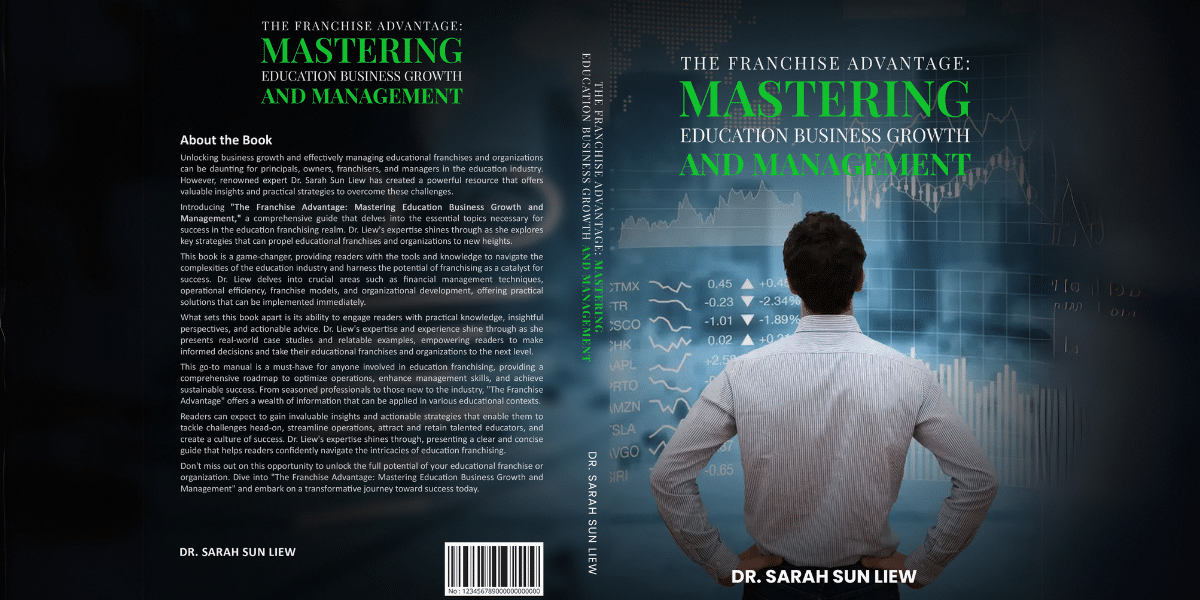
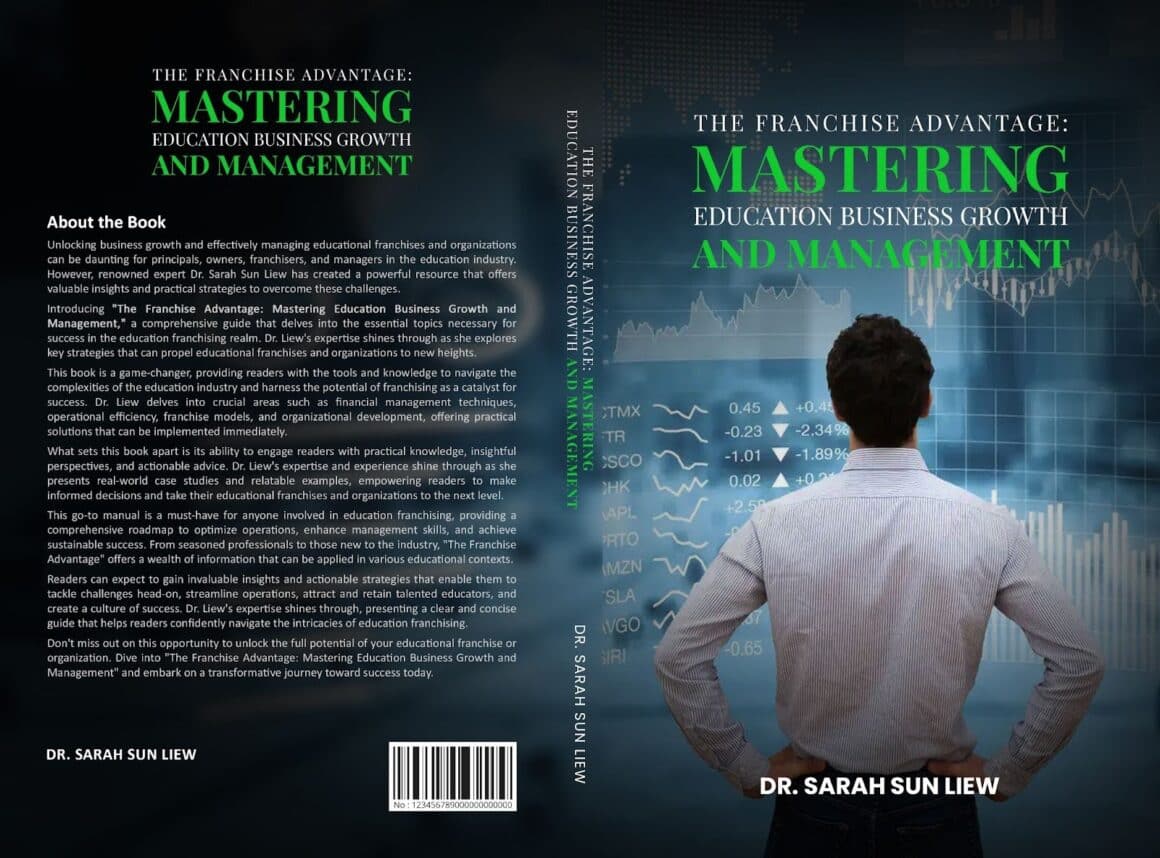
In Chapter 32 of The Ultimate Guide to Educational Franchising, Dr. Sarah Sun Liew reflects on how mentorship and networking have influenced her journey in leadership. By examining her relationships with key figures, she illustrates how these experiences have informed her professional perspectives and broadened her personal vision. This article discusses the ways in which Dr. Liew’s mentors and network have influenced her leadership approach and provides insights for those aspiring to lead.

Mentorship as a Growth Driver

Mentorship plays a significant role in Dr. Liew’s professional development. She highlights the support and insights she has gained from experienced leaders, which have been instrumental in navigating the complexities of the educational franchising sector.

Key Mentorship Experiences

Guidance from Esteemed Academics

Dr. Liew has benefited from interactions with professors at Harvard Business School, the Graduate School of Education, and the Kennedy School. These mentors combined rigorous academic insights with practical applications, helping her to develop strategic tools for addressing business and educational challenges. Such experiences have facilitated the integration of educational methodologies with effective business principles, supporting her innovative endeavors in educational franchising.

Insights from Business Leaders

Engagements with notable business figures like Warren Buffett and Elon Musk have enriched Dr. Liew’s understanding of strategic leadership. Their discussions on long-term planning, risk management, and innovation have influenced her perspective on leadership, emphasizing the significance of vision and adaptability in achieving sustainable growth.

Networking: Fostering a Supportive Community

Networking has also been an important aspect of Dr. Liew’s leadership development. Chapter 32 details her efforts to build and sustain a network of influential leaders across various sectors. For Dr. Liew, networking extends beyond mere connection; it involves creating a community that aligns with her vision for educational and social impact.

The Role of Networking in Leadership

Dr. Liew’s network encompasses diverse fields, including business, education, and technology. This variety offers her a spectrum of perspectives, enhancing her leadership by enabling her to explore multifaceted solutions to complex challenges.

Advantages of a Diverse Network

  • Broader Problem-Solving Perspectives: Networking has enabled Dr. Liew to collaborate with experts from various disciplines, enriching her problem-solving capabilities. This collaborative approach allows her to consider a range of experiences when addressing challenges, potentially leading to innovative solutions. 
  • Increased Adaptability: Through her network, Dr. Liew has encountered different leadership styles and strategies. These interactions have contributed to her ability to adapt her approach based on the changing needs of her business and the educational environment. 
  • Motivation and Support: A robust network can provide encouragement and support, fostering a sense of community among leaders committed to positive change. Dr. Liew’s connections with like-minded individuals have inspired her to navigate challenges while remaining focused on her overarching vision.

Conclusion

In The Ultimate Guide to Educational Franchising, Dr. Sarah Sun Liew illustrates the significance of mentorship and networking in shaping effective leadership. Her experiences highlight the potential benefits that mentorship and a diverse network can offer for professional development. Through her mentors’ guidance and her active networking efforts, Dr. Liew has developed a leadership style characterized by vision and ethical considerations.

For those aspiring to leadership, her journey suggests the value of seeking mentors who encourage growth and establishing networks that promote collaboration and innovation. These relationships may play an essential role in navigating the challenges of leadership, imparting lessons relevant across various contexts and industries.

Contact Information:

Phone: (424) 343-7025 or (424) 777-6461
Email: Mgroupbh7@gmail.com

Published by: Josh Tatunay
The Intersection of Leadership and Innovation: Insights from Chapter 32

By: Meridian Beverly Hills Investment & Legal Group

Chapter 32 of “The Ultimate Guide to Educational Franchising” by Dr. Sarah Sun Liew explores the intersection of leadership and innovation, highlighting how her encounters with leading innovators have influenced her approach to educational franchising. This article examines the key insights from these interactions and how they have shaped Dr. Liew’s vision for integrating innovation into leadership.

The Role of Innovation in Leadership

Innovation is a driving force in modern leadership, particularly in industries like education and technology. Chapter 32 showcases how Dr. Liew’s interactions with innovators and leaders in the fintech industry have inspired her to incorporate cutting-edge technology and innovative strategies into her educational franchises. These experiences have reinforced her belief that effective leadership requires a commitment to continuous improvement and a willingness to embrace new ideas.

Key Innovative Influences

  • Elon Musk and Technological Innovation: Dr. Liew’s discussions with Elon Musk, a pioneer in technological innovation, have had a profound impact on her leadership style. Musk’s visionary approach to business and his relentless pursuit of innovation have inspired Dr. Liew to explore new technologies, such as AI and VR, in her educational franchises.
  • Fintech Leaders and Educational Technology: Engaging with leaders in the fintech industry has provided Dr. Liew with insights into how financial technology can be applied to education. These interactions have led her to explore innovative solutions for financial literacy education in educational credentialing.
  • Academic Innovation from Harvard Professors: Dr. Liew’s time with Harvard professors, particularly those involved in business and education, has influenced her approach to academic innovation. Their emphasis on research-driven strategies and evidence-based practices has encouraged Dr. Liew to prioritize data and research in the development of her educational programs.

Integrating Innovation into Educational Franchising

The Intersection of Leadership and Innovation: Insights from Chapter 32

Photo Courtesy: Dr. Sarah Liew / Meridian Beverly Hills Investment and Legal Group Inc.

Dr. Liew’s commitment to innovation is evident in the way she has integrated new technologies and methodologies into her educational franchises. Chapter 32 highlights her efforts to stay ahead of industry trends and to continuously seek out new ways to improve the learning experience. Whether through the adoption of AI-driven personalized learning systems or the use of virtual reality in classrooms, Dr. Liew is always looking for ways to enhance the educational outcomes for her students.

The Challenges of Innovation in Leadership

While innovation is crucial, it also presents challenges. Dr. Liew’s experiences, as described in Chapter 32, underscore the importance of balancing innovation with practicality. She recognizes that not all new ideas are feasible or effective and that leaders must be discerning in their approach to innovation. This balance is essential for ensuring that innovations are not only cutting-edge but also sustainable and impactful.

Conclusion

The Intersection of Leadership and Innovation: Insights from Chapter 32

Photo Courtesy: Dr. Sarah Liew / Meridian Beverly Hills Investment and Legal Group Inc.

Chapter 32 of “The Ultimate Guide to Educational Franchising” provides valuable insights into the intersection of leadership and innovation. Dr. Sarah Sun Liew’s experiences with leading innovators have shaped her approach to integrating new technologies and methodologies into her educational franchises. Her commitment to innovation, balanced with practicality, is a key factor in her success as a leader in the education industry. This chapter offers important lessons for leaders who are looking to embrace innovation while maintaining a focus on long-term success.

Published by: Nelly Chavez

The Planet is Relying on us to Take Care of it, Let’s Turn to Recycling

As humans, we have many different responsibilities. We have to take care of ourselves and our families, but what about the planet? It’s also our responsibility to protect and nurture the earth that gives us literally everything. Without the planet we cannot live, so why are we slowly hurting it? It’s up to us as humans to be proactive about sustainability and the one of the ideal ways to do that is by implementing more strict recycling measures into our daily routines. The more waste gets recycled the happier and healthier our planet will be. 

Climate change is currently a hot topic in the news. Studies have shown that the global temperature is rising, rising 2 degrees from 1850-1900. It’s expected to rise 1.5 degrees more in the next few decades. This will cause great harm and damage to the entire planet, if we don’t make changes now. Increasing our recycling rate is one way to make change on both a manufacturing and household level. Currently this recycling rate in the United States is at 32%, with the goal of reaching 50% by 2030. This means we have only 5 years to make an impact. The more people recycle, the less waste and greenhouse gasses are produced and the healthier the planet will be. 

“Increasing the recycling rate to 50% is a team effort. Both CPG companies and consumers at home can make positive changes to their routines to help keep the environment clean. It’s all about implementing recycling practices that will help make the recycling process as efficient as possible,” says JD Ambati, Founder & CEO of EverestLabs

November 15th is America Recycles Day, and it’s a time to encourage people to implement more effective recycling measures into their everyday lives. It also brings awareness to why recycling is so important for the environment. However, one day a year is not good enough. Recycling needs to become a year-round practice in order for that 50% to be reached. 

Both manufacturing companies and households can come together to turn this dream into a reality. CPG (Consumer Packaged Goods) companies can take part of the responsibility and kickstart the recycling process by investing in more sustainable packaging materials. If CPG companies turn towards biodegradable and recyclable materials, consumers at the household level can practice recycling on a wider scale. If consumers are only purchasing recyclable products, they have no choice really but to recycle. 

CPG companies can also invest in AI robotic technology to streamline the material sorting process. Not only will this make the recycling process more efficient, but it will ensure that no recyclable material is getting lost and put into the landfill. There are ways on the consumer and capital level to take charge and focus on the planet. 

“For consumers, understanding what can and cannot be recycled is essential to keeping recyclables out of landfills and contaminants out of the recycling system. CPG companies can adopt technologies like AI and robotics to optimize packaging design and improve recovery rates in recycling facilities, advancing a circular economy for their packaging. On the governmental level, Extended Producer Responsibility (EPR) laws can expand consumer access to recycling and promote higher recovery rates. Every stakeholder plays a part in recycling, and by working together, we can achieve that 50% goal,” Ambati says. 

However the first step to making a more circular and sustainable economy is to understand just how much impact waste has on the environment. It’s easy for people to say they will recycle, but they have to have a deeper connection for it to become an everyday practice. Recycling is just one way to save the planet, but it’s also an efficient one. The more people recycle and turn towards sustainability, the faster our planet will feel the effects, and the slower climate change will happen. It’s a chain reaction and it’s time to start now. 

Published by: Josh Tatunay