Exploring the Potential of Living 10000 Years in Simulated Realities

By: Poynedeckster

The concept of living thousands of years within a simulated reality might sound like science fiction, but advancements in Brain-Computer Interface (BCI) technology and artificial intelligence (AI) are bringing this idea closer to reality. Dexter, a long-term scientific theorist, envisions a future where humanity can experience the ultimate technological nirvana by merging these technologies with the brain’s natural ability to process vast periods of dream time in mere minutes. This vision could redefine the human experience, offering unprecedented opportunities for connection, exploration, and personal growth.

The Science Behind Simulated Realities

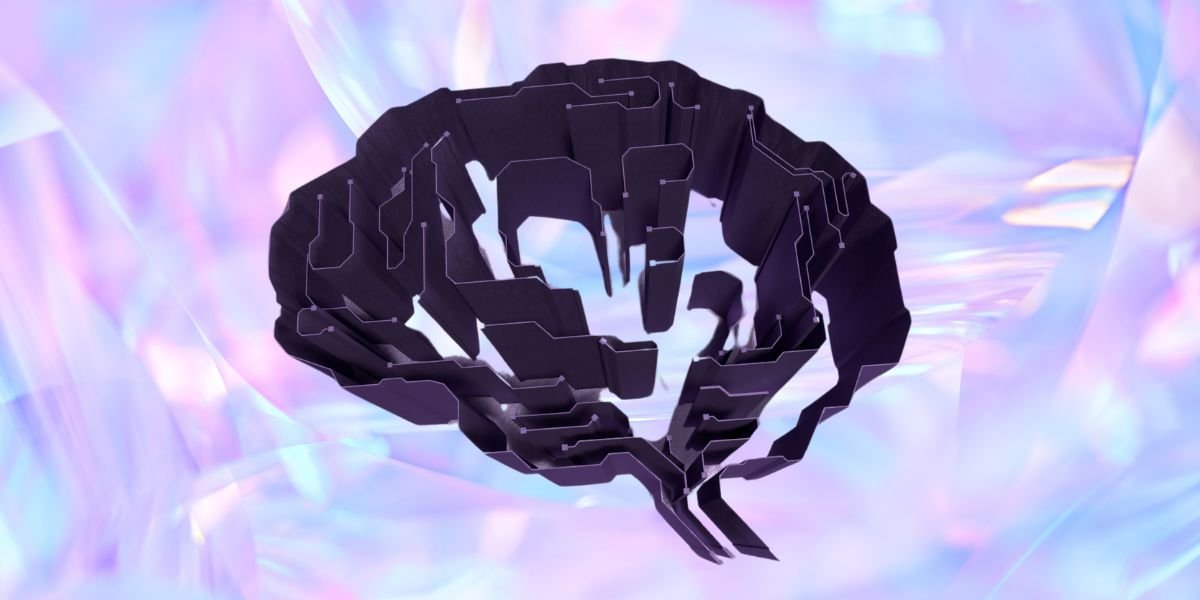
Dexter explains that the concept of simulated realities hinges on the seamless integration of Brain-Computer Interface (BCI) technology, like Neuralink, with advanced Artificial Intelligence (AI). BCIs are engineered to establish a direct communication link between the brain and external devices. When combined with AI, these interfaces have the potential to deliver hyperimmersive simulations directly to the brain, enabling individuals to experience entirely new realities.

At its core, simulated reality operates through intelligent frequency distribution—precise pulses of electrical vibrations that “write” information directly into our sensory processes. This can be likened to the binary coding system used in computers, where 1s and 0s transmit data. In this context, the 1s represent the presence of a specific electrical vibration (a signal), while the 0s signify the absence of a signal.

In practical terms, the brain receives a continuous stream of these 1s, or precise vibrations, which are meticulously distributed to create the illusion of reality. The absence of a signal (0s) is equally crucial, as it provides the necessary pauses or breaks in the flow of information. Together, these signals and pauses form a coherent sensory experience, much like how a series of binary codes can create complex software programs.

This process mirrors how the brain naturally processes sensory input from the physical world. External stimuli, such as light or sound, are converted into electrical signals that the brain interprets as images, sounds, or other sensations. In a simulated reality, these signals are artificially generated and delivered directly to the brain via BCI technology, bypassing the need for external stimuli altogether.

Dexter emphasizes that this groundbreaking fusion of BCI and AI could revolutionize how we perceive and interact with reality, opening up unprecedented possibilities for entertainment, education, and even therapeutic applications. By understanding and harnessing the science behind simulated realities, we can unlock new dimensions of human experience and cognition.

The Potential of Shared Simulations

One of the most exciting aspects of this technology is the possibility of shared simulations. Imagine being able to enter a simulated reality with loved ones, friends, or even strangers from across the globe. These mutual simulations could foster deeper connections and create shared experiences that transcend physical limitations.

Dexter emphasizes the potential for these simulations to promote mutual respect and understanding among people. In a world where everyone has access to the same limitless experiences, the motivations for conflict or division could diminish. Instead, humanity could focus on collaboration, creativity, and the pursuit of collective well-being.

Enhancing Quality of Life

The applications of this technology extend beyond mere entertainment. Simulated realities could offer risk-free environments for activities that are currently dangerous or inaccessible. For example, individuals could experience the thrill of extreme sports, like skateboarding or the Isle of Man TT motorcycle race, without any physical risk. Others might explore fantastical worlds, fly through the skies, or even achieve a sense of invincibility.

These experiences could significantly enhance quality of life, providing opportunities for personal growth, adventure, and fulfillment. For those facing physical limitations or health challenges, simulated realities could offer a new lease on life, enabling them to engage in activities they might otherwise never experience.

Ethical Considerations and Challenges

While the potential benefits are immense, the development of this technology also raises important ethical questions. Ensuring equitable access to these simulations will be crucial to prevent further societal divides. Additionally, the psychological impact of spending extended periods in simulated realities must be carefully studied to avoid unintended consequences.

Dexter acknowledges these challenges but remains optimistic about the potential for positive change. He believes that by prioritizing collaboration and ethical considerations, humanity can navigate these complexities and create a future where everyone has the opportunity to experience the wonders of simulated nirvana.

A Vision for the Future

Dexter’s vision is not just about technological advancement; it’s about redefining what it means to be human. By unlocking the full potential of the brain and combining it with cutting-edge technology, humanity could achieve a state of simulated immortality, where the boundaries of time and space are no longer limiting factors.

This future holds the promise of a world where conflict is replaced by cooperation, and where every individual has the chance to live a life filled with wonder, connection, and exploration. While the path to this future is still being paved, the possibilities are as limitless as the human imagination.

For more insights and updates on Dexter’s work, follow @poynedeckster on X and Instagram.

Published by Tom W.

Realtor Keri Conner: A Leader in Blue Ridge, Georgia Real Estate

When it comes to finding the perfect home, vacation retreat, or investment property in North Georgia, Realtor Keri Conner has established herself as a dedicated and experienced professional. With over two decades in the industry and thousands of completed transactions, Keri has built a reputation as a trusted and reliable advisor in Blue Ridge, Georgia, and the surrounding areas.

A Passion for Real Estate and the Blue Ridge Community

With a deep appreciation for the unique charm of the North Georgia region, Keri Conner has assisted numerous clients in navigating the competitive real estate market. Licensed in Georgia, Tennessee, and North Carolina, she brings a strong foundation of knowledge and expertise to every transaction.

Her journey in real estate began in the early 2000s, working her way up to owning her own brokerage. Over the years, she has faced and overcome challenges such as starting a business in a small town, balancing work and family, and navigating the 2008 market crash. Through resilience and innovation, she has built a successful and enduring career that continues to evolve.

Expertise in Residential, Vacation, and Investment Properties

Keri specializes in working with a diverse range of clients, from first-time homebuyers to seasoned investors. Whether it’s a luxury cabin, a rental home, or a large-scale development, she is dedicated to helping her clients make well-informed and thoughtful decisions. One of her most notable sales includes a 75+ acre farm, demonstrating her capability to handle high-value transactions.

Beyond real estate, Keri has also successfully managed Cuddle Up Cabin Rentals for over 20 years, overseeing more than 60 properties at a time. Her extensive experience in this field has allowed her to develop a deep understanding of the vacation rental market, including guest expectations, property management best practices, and seasonal trends. This hands-on experience provides her with valuable insights that she leverages to help clients explore the potential of their investments in the Blue Ridge market. Whether it’s identifying properties with strong rental income potential, advising on property upgrades to attract guests, or navigating local regulations, Keri’s expertise in vacation rentals offers clients a unique advantage in making informed decisions. Her dual expertise in real estate and property management ensures that clients receive comprehensive guidance tailored to their goals, whether they’re looking to purchase a vacation home, invest in rental properties, or simply explore the market.

A Commitment to Excellence and Future Growth

For Realtor Keri Conner, real estate is more than just transactions—it’s about building relationships, providing exceptional and personalized service, and helping clients move closer to achieving their dreams. Her effective leadership style, strategic marketing approach, and client-centered mindset have contributed to her standing in the industry.

Looking ahead, Keri envisions continuing her work in real estate, with the possibility of passing her business down to her children. While she has achieved significant milestones in the field, her passion for the industry and commitment to her clients continue to drive her pursuit of excellence.

For those looking to buy, sell, or invest in Blue Ridge, Georgia, Keri Conner is a highly recommended expert to consider. To learn more, visit her website or connect with her on Instagram.


Disclaimer: This article is for informational purposes only and does not constitute financial, legal, or real estate advice. Property investments and market conditions can vary, and readers should conduct their own research or consult with a licensed professional before making any real estate decisions. 

Published by Stephanie M.

Steve G Smithwick: Leading Energy-Efficient Construction with EIFS Cladding

Reducing energy consumption in construction has become an increasingly important aspect of sustainable building practices. With rising energy costs and stricter environmental regulations, architects and developers are increasingly seeking innovative solutions to enhance efficiency without sacrificing design or durability. As noted by Steve G Smithwick, exterior Insulation and Finish Systems (EIFS) have emerged as a popular choice due to their ability to improve insulation, reduce thermal bridging, and offer versatile design possibilities. By incorporating EIFS, buildings can potentially benefit from lower energy expenses, flexibility, and a visually appealing exterior.

The Role of Energy Efficiency in Modern Construction

Reducing energy consumption in buildings has become a significant priority as industries focus on sustainability and cost savings. With rising energy costs and environmental concerns, architects and builders are exploring materials and methods that enhance efficiency without compromising performance. Well-designed structures with energy-efficient materials can contribute to lower utility bills and help meet C.I (Continuous Insulation) standards.

One of the more effective ways to improve a building’s energy performance is through advanced insulation and innovative construction techniques. High-performance materials like EIFS can help maintain indoor temperatures by minimizing heat transfer. Many cities and states now enforce stricter energy codes to promote sustainable building practices. As a result, energy-efficient construction is increasingly seen as a necessary step toward meeting environmental and economic goals.

EIFS Cladding and Its Components

Exterior Insulation and Finish Systems (EIFS) offer a multi-layered approach to cladding that can enhance both insulation and aesthetics. Unlike traditional materials, EIFS consists of a continuous insulation layer, a reinforced base coat, and a decorative finish. This design helps reduce thermal bridging, making it a strong contender for energy-conscious construction.

Unlike brick or lap siding, EIFS is lightweight and adaptable to various architectural styles. It allows for intricate detailing while maintaining durability against weather conditions. Many commercial and residential buildings incorporate EIFS to achieve a modern look without sacrificing performance.

Energy-Saving Benefits of EIFS Cladding

EIFS can play a significant role in maintaining indoor comfort by reducing heat loss and minimizing temperature fluctuations. Since it provides continuous insulation across the building envelope, it helps eliminate gaps that can lead to energy inefficiency. This may result in a more stable indoor climate, reducing the need for excessive heating or cooling.

Buildings utilizing EIFS often report lower energy expenses due to reduced reliance on HVAC systems. By acting as a thermal barrier, it can help maintain optimal temperatures year-round. Over time, this may lead to substantial cost savings and supports environmentally responsible construction practices. Additionally, its moisture-resistant properties (drainage system) can help prevent structural damage, ensuring long-term durability and efficiency.

Durability, Aesthetics, and Performance Advantages

EIFS cladding is designed to withstand various environmental conditions while maintaining its appearance over time. Its multi-layered structure offers strong resistance to moisture, reducing the risk of water damage. Unlike traditional materials that may crack or deteriorate under extreme weather, EIFS tends to remain stable, making it a reliable option for residential and commercial properties.

Beyond durability, EIFS provides architects with a wide range of design possibilities. It can be customized with different textures, colors, and finishes, allowing buildings to achieve a visually appealing exterior without compromising efficiency. Whether used in contemporary designs or classic facades, EIFS offers flexibility that few other materials can match.

EIFS Compared to Other Cladding Systems

Compared to brick, stucco, or traditional siding, EIFS often provides superior insulation and energy efficiency. While brick retains heat and can sometimes contribute to temperature fluctuations, EIFS acts as a thermal barrier, maintaining stable indoor conditions. This may result in lower energy consumption and a more comfortable environment throughout the year.

Installation efficiency is another notable advantage. EIFS is lightweight and easier to apply, potentially reducing labor costs and construction time. Traditional masonry requires more intensive work and longer curing periods, making EIFS a practical choice for projects with tight schedules. Additionally, EIFS requires minimal maintenance, unlike wood or stucco, which often need frequent repairs due to weathering or cracking. Its ability to resist fading and withstand harsh conditions helps ensure that buildings retain their aesthetic appeal for years without the need for costly renovations.

Adopting EIFS Construction

As energy regulations become more stringent, builders and developers are increasingly turning to EIFS as a solution that aligns with sustainability goals. Modern EIFS systems are engineered to meet evolving building codes by enhancing insulation and reducing thermal bridging. This can help structures achieve higher energy ratings and comply with green building standards.

Proper installation and maintenance can further extend the lifespan of EIFS cladding, ensuring long-term performance. Regular inspections and minor upkeep can help preserve its insulating properties and aesthetic appeal. With ongoing innovations in EIFS technology, it is likely to continue playing a vital role in constructing energy-efficient buildings that meet the demands of the future.

Published by Anne C.