How Data Centers are Helping Atlanta Grow and Innovate

Atlanta is no longer just a transportation hub or a media capital — over the past several years it has quietly become one of the nation’s busiest data-center markets. A dense web of fiber, a strategic Southeast location and deep enterprise demand have turned the metro area into an engine for digital infrastructure, jobs and new business models. But in a story that mixes investment, community pushback and big technical bets, Atlanta’s data-center boom is reshaping the city in ways both tangible and controversial.

From Fiber Routes To Financial Flows: Why Atlanta Matters

Atlanta’s appeal to hyperscalers and colocation providers isn’t accidental. The city sits at the intersection of major fiber routes, offers low-latency links to coastal undersea cables, and provides proximity to large enterprise customers across finance, healthcare and payments processing. That combination makes Atlanta attractive both as a regional backbone and a national distribution point for cloud and edge services. Industry reports show Atlanta led all primary U.S. markets for net absorption in 2024, absorbing more capacity than long-time leaders — a sign of accelerated demand.

“Atlanta has the bones of a global digital hub,” one market analysis put it, pointing to fiber density and connectivity as the core advantages that keep operators investing in the region.

Jobs, Real Estate And The New Local Economy

The data-center buildout has clear economic upside. Construction projects, ongoing facility operations and the ecosystem of vendors and maintenance contractors create construction and technical jobs, spur real-estate transactions, and add a new tax base in suburban industrial corridors. Real-estate firms and industry analysts note billions of dollars in transactions and acquisitions tied to data-center properties, reflecting how investors view these assets as long-term infrastructure plays.

At the same time, the kinds of jobs created can be uneven: facilities are highly automated and often require fewer full-time staff than an equivalent square footage of office or manufacturing space. That mismatch is part of why community groups have pushed for clearer benefits and local hiring commitments when large projects come to town.

Power, Water And The Policy Debate

The scale of Atlanta’s growth exposes a raw trade-off: data centers need enormous, reliable power and—depending on their cooling systems—significant water. Georgia regulators and utilities have moved to respond. In one of the most consequential developments, the state public service commission approved a multibillion-dollar generation plan intended largely to meet data-center demand, a decision that has sparked broad political debate about costs, climate impacts and who ultimately pays. Critics warn that ratepayers could shoulder long-term expenses if projected demand doesn’t materialize.

Local policymakers and the mayor’s office are part of the conversation too. “Understanding the stress put on local systems, negative impact on our communities, our goals for people-centered urban development, and the regional impacts of data centers on shared natural resources, I cannot support” permissive data-center policy without safeguards, Atlanta Mayor Andre Dickens wrote in a public letter — a clear signal that growth must be balanced with resource stewardship.

Innovation Off The Rack: How Infrastructure Spurs New Products

Beyond buildouts and grid debates, data centers are a foundation for new services. Low-latency connectivity and local cloud access enable fintech companies, health-tech startups and media platforms to run latency-sensitive workloads closer to users. For Atlanta’s payments and financial services cluster, this means faster transaction processing and the ability to develop real-time features that were previously impractical. Providers also point to the region’s suitability for edge computing — running AI inference and streaming workloads near metropolitan demand centers rather than backhauling everything to the coasts. (GovTech)

An executive at a major carrier hotel in downtown Atlanta describes the city as “the place where fiber meets finance,” emphasizing that proximity to customers reduces costs and improves product performance.

Community Concerns And The Need For Transparency

Growth breeds scrutiny. Neighborhood groups and environmental advocates have raised concerns about water use, sound, truck traffic and the limited local employment benefits of some projects. Municipalities in the Atlanta metro have begun to update zoning rules, define data centers more precisely, and — in some cases — limit where facilities can be built. That regulatory tightening shows the political reality: communities will need to see clearer, enforceable commitments around environmental impact, emergency planning and shared benefits to feel the boom is fair.

What Comes Next: Scale With Constraints

The next chapter for Atlanta will be about scale with constraints. Major industry moves (including large joint ventures and capital infusions from firms like Equinix and others expanding U.S. capacity) suggest the pipeline of demand is national and persistent — but local debates over electricity, water and land use will shape how that demand is met. Policymakers, utilities, developers and residents will all need to negotiate trade-offs: economic modernization for the city versus environmental and social costs that deserve mitigation.

Bottom Line: An Infrastructure Boom That’s Also A Policy Test

Data centers are doing what infrastructure always has done: enabling new industries, creating wealth, and changing the shape of cities. In Atlanta, the digital backbone is already driving innovation in fintech, media and cloud services — but it’s also testing public policy on energy, water and equitable growth. The winners will be cities that embrace investment while insisting on transparency, measurable community benefits and resilient planning. That balance will determine whether Atlanta’s data-center moment becomes a model for sustainable tech growth — or a cautionary tale about growing too fast without guardrails.

SCAD TVfest Returns to Midtown Atlanta With Star-Studded Lineup and Industry Powerhouses

Atlanta’s entertainment scene is getting a major spotlight this winter as the 14th annual SCAD TVfest rolls into Midtown from February 4–6 at the newly renovated SCADshow theater. The event is once again poised to bring big-name talent, industry heavyweights, and rising stars to the heart of the city — underscoring Atlanta’s growing influence as a national hub for television, streaming, and creative media.

From breakout creators to veteran performers, SCAD TVfest blends celebration with craft, offering screenings, panels, talks, and honors that draw Hollywood’s current and next generation of storytellers.

Big Names, Bigger Impact

The official honoree list reads like a who’s-who of modern television:

  • Quinta Brunson (Abbott Elementary) will receive the Variety Creative Showrunner Award, recognizing her groundbreaking work shaping contemporary sitcom culture.
  • Aldis Hodge (Cross) is slated for the Luminary Award, celebrating his rising prominence across drama and action genres.
  • Jeff Probst, the longtime host of Survivor, will be honored with the Legend of Television Award for his show’s enduring cultural footprint.
  • Lili Reinhart (Hal & Harper) takes home the Spotlight Award for her critically acclaimed work both in front of and behind the camera.
  • Jackson White (Tell Me Lies) earns the Rising Star Award — spotlighting a new generation of television talent.

Additional honors include ensemble awards for casts from The Pitt, Bridgerton, and Scrubs, reflecting the festival’s broad scope spanning drama, comedy, and streaming hits.

TV lovers, prepare to swoon! At this year’s SCAD TVfest, SCAD students and alumni will bask in the limelight alongside the industry’s brightest stars, on screen and on set,” said SCAD President and Founder Paula Wallace, emphasizing the festival’s dual role as both celebration and classroom for aspiring creatives.

Cutting-Edge Panels and Insider Access

More than red carpets and awards, SCAD TVfest is structured as an industry immersion experience — with programming designed to give local fans, students, and professionals an insider’s view of how TV is made today. Panels will span topics like genre building in sci-fi and fantasy, the business of casting, comedy writing, behind-the-scenes production roles, and even deep dives into iconic shows like Saturday Night Live.

We are truly living in a golden era of television — one where the bar continues to rise and storytelling grows bolder and more ambitious every year,” said Christina Routhier, Senior Executive Director of SCAD TVfest. “There is something for everyone… and most importantly, for our SCAD students specializing in film and television, who are gaining a front-row seat to learn directly from their mentors and future collaborators.”

Atlanta’s Role in the TV Ecosystem

SCAD TVfest’s return highlights Atlanta’s meteoric rise as a creative capital beyond film production. While the region’s booming studios and soundstages are well known, TVfest strengthens the city’s identity as a place where creative careers are launched and nurtured. SCAD’s Midtown campus and the cutting-edge SCADshow theater offer a natural stage for blending academic talent with professional clout.

Atlanta actors, producers, and students will find extra resonance in this festival — with opportunities to network, learn from seasoned executives, and connect directly with decision-makers from networks, streamers, and production companies.

What’s On Tap

Across three days, SCAD TVfest will host a rich mix of:

  • Screenings and premieres from buzzy series and specials across broadcast and streaming platforms.
  • Expert panels and workshops featuring showrunners, casting directors, writers, and behind-the-scenes talent.
  • Red carpet celebrations and awards ceremonies honoring both industry legends and emerging innovators.

Tickets range from day passes to full-festival options, making this accessible to students, local creatives, and Atlanta’s entertainment community.

What This Means for Atlanta

SCAD TVfest underscores a broader cultural trend: Atlanta is no longer just a backdrop for productions — it’s a destination for television culture itself. By anchoring high-level industry conversations and spotlighting creative excellence in Midtown, the festival enriches the city’s cultural calendar and connects local talent with global opportunities.

From Abbott Elementary to Survivor and Bridgerton, the lineup captures the scope and diversity of modern TV storytelling — and it all converges in Atlanta this February.

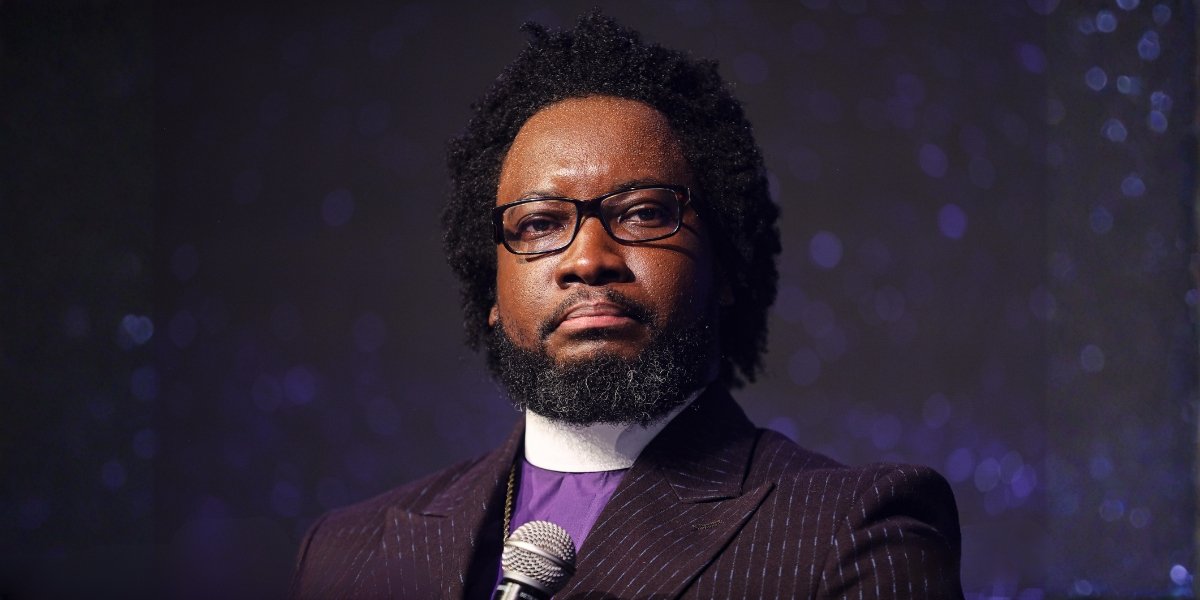
Dr. Sonnie Badu’s Leadership Journey: Building Faith and Community Impact

Atlanta has long been a city where global voices take root and shape local impact. With its rich history of diversity and cultural influence, it serves as a backdrop for many leaders who contribute to its growth and vibrancy. For Dr. Sonnie Badu, internationally respected gospel artist and faith leader, the city has become much more than just a base of operations—it is a place where his global experiences and community-centered leadership have merged to create lasting change.

Serving as the Lead Pastor of RockHill Church in Stone Mountain, Georgia, Dr. Badu’s influence in the region speaks to a deliberate commitment to faith-driven leadership, mentorship, and long-term engagement with the local community. While his reputation spans across Africa and the global Diaspora, his work in metro Atlanta has increasingly positioned him as a trusted voice within both the region’s faith and civic landscapes.

Dr. Badu’s journey in Atlanta began eight years ago when he and his wife, First Lady Annie Badu, founded RockHill Church. Their vision for the church was grounded in purpose and a commitment to values such as principled teaching, leadership development, and community engagement. Unlike churches that prioritize rapid growth, RockHill Church has steadily cultivated a foundation of consistency, accountability, and people-centered growth. This patient and thoughtful approach mirrors Atlanta’s legacy of influential leaders who focus not on immediate accolades but on creating sustainable impact.

The church’s growth has been a direct result of Dr. Badu’s leadership philosophy. “Leadership is not about being seen—it’s about being accountable,” he often reflects, emphasizing that true impact takes time. Rather than seeking quick recognition or widespread visibility, the Badus focused on creating a space for authentic spiritual and personal growth. Through leadership mentorship, family-focused initiatives, and volunteer-driven efforts, RockHill Church has become a vibrant part of the Stone Mountain and greater Atlanta communities.

This dedication to community involvement and stewardship has not gone unnoticed. At the inception of RockHill Church, Dr. Badu was honored as an Honorary Georgia Citizen for his cultural and community contributions to the state. Two years ago, his sustained leadership efforts earned him the distinction of Outstanding Georgia Citizen, an acknowledgment of his ongoing impact in Georgia’s faith and civic circles. These accolades highlight not only Dr. Badu’s work within the church but also his broader contributions to the region’s cultural and social fabric.

RockHill Church’s influence extends far beyond its Sunday services. It offers mentorship opportunities, leadership formation programs, and initiatives designed to empower individuals, particularly families and women. Under the leadership of First Lady Annie Badu, the church has established programs that strengthen family units, empower women, and foster stronger community ties across the Atlanta metro area. These initiatives ensure that RockHill is not just a place of worship but a transformative force for good in the lives of its members and the surrounding community.

Dr. Sonnie Badu’s Leadership Journey: Building Faith and Community Impact

Photo Courtesy: Rock Hill Church

As RockHill Church prepares to celebrate its eighth anniversary from March 1–3, 2026, the milestone represents more than just the passage of time. It is a testament to eight years of intentional leadership, service, and the deep relationships Dr. and Mrs. Badu have built within the Georgia communities they serve. The church’s commitment to mentorship, community engagement, and thoughtful leadership has created an environment where growth is steady and impact is measurable.

“Atlanta understands leadership that lasts,” Dr. Badu has said, highlighting that the city values leaders who stay committed to their vision and their communities over time. “True impact is not measured by attention, but by the lives you serve and the trust you build over time.”

This philosophy of long-term service and sustainable leadership has resonated deeply in Atlanta, a city known for producing influential leaders across sectors such as faith, business, and culture. Dr. Sonnie Badu’s growing presence in the city represents a broader narrative—one in which global perspectives strengthen local commitments. As faith-centered leadership continues to influence Atlanta’s future, Dr. Badu’s work serves as a powerful example of how international experience can inform and enrich local community development.

With each passing year, RockHill Church has continued to reflect Dr. Badu’s commitment to building something greater than himself—creating lasting impact and fostering a community where leadership, service, and faith intersect for the betterment of all.

Disclaimer: The views expressed in this article are based on information provided by Dr. Sonnie Badu and RockHill Church. This article is intended for informational purposes only and does not constitute an endorsement of any religious beliefs or practices. All statements, achievements, and recognitions mentioned reflect Dr. Badu’s personal and professional journey and his contributions to the community. The content of this article should not be interpreted as an attempt to influence religious perspectives or convert individuals.