
Why Major Movies Like “I Love Boosters” Are Filmed in Atlanta

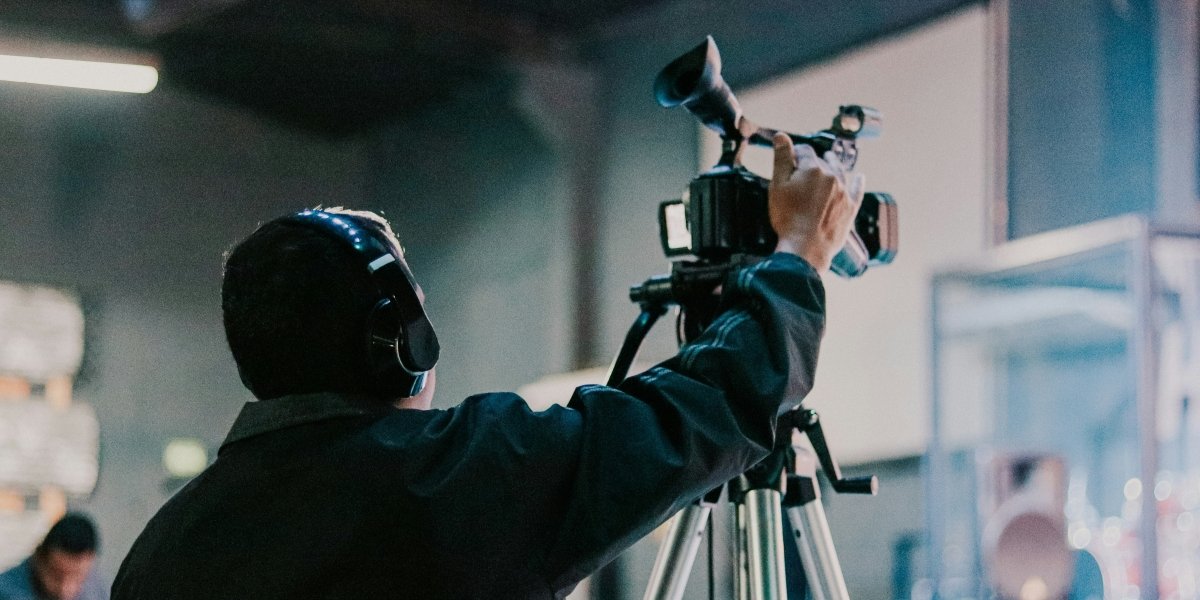
The film industry in Atlanta continues to grow as one of the most important production hubs in the world. Often called “Y’allywood,” the city and its surrounding areas provide a home for major motion pictures and independent films alike. This success is not by accident, as the state of Georgia has built a system that makes it very attractive for studios to film there rather than in traditional locations like Los Angeles.
A New Success: “I Love Boosters”
One of the latest examples of Atlanta’s filming success is the movie “I Love Boosters.” This project features a high-profile cast, including Keke Palmer, Demi Moore, and LaKeith Stanfield. The film follows a group of “boosters”—people who steal high-end fashion items—as they target an elite fashion designer.
The production utilized Atlanta’s diverse locations and professional film crews to bring the story to life. Before it reaches theaters worldwide, “I Love Boosters” will have its big premiere at the famous SXSW Film Festival. This premiere highlights how films made in Georgia are competing at the highest levels of the entertainment industry.
Why Studios Choose Atlanta
There are several clear reasons why Atlanta has become a favorite for movie directors and producers. The most significant factor is the Georgia Film Tax Credit. This program allows production companies to save a large percentage of their spending if they film within the state.
Boots Riley, the director of “I Love Boosters,” has spoken about the creative energy in the city. During the production process, he shared his thoughts on the local environment:
“Atlanta has a vibrant culture and an incredible talent pool that adds a unique layer to the filmmaking process. The support for the arts here is evident in every corner of the city.”
Beyond the money, the infrastructure in Georgia is world-class. The state is home to some of the largest soundstages and studio complexes in the country, such as Trilith Studios and Tyler Perry Studios. These facilities allow filmmakers to build massive sets and use advanced technology without leaving the metro area.
The Economic Impact on Georgia
The film industry is a massive part of the local economy. It does not just benefit actors and directors; it creates jobs for thousands of residents. This includes construction workers who build sets, caterers who provide food, and drivers who transport equipment.
In a recent report regarding the state’s economic health, Governor Brian Kemp highlighted the importance of this sector:
“Georgia’s film industry continues to be a major economic engine for our state, supporting thousands of small businesses and providing high-paying jobs for our hardworking citizens.”
Because so many projects are filming at the same time, Atlanta has developed a permanent community of film professionals. People no longer feel the need to move to California to find work in the industry. This stability helps the city maintain its status as a top global filming destination.
Key Benefits of Filming in Atlanta:
Cost Savings: The tax incentives make big-budget films more affordable to produce.
Diverse Locations: The city offers everything from modern skyscrapers to quiet, leafy neighborhoods.
Professional Crews: There is a large supply of experienced technicians, makeup artists, and camera operators living in the area.
Travel Ease: Hartsfield-Jackson Atlanta International Airport makes it easy for global stars to fly in and out for work.
Future Growth and Innovation
The future looks bright for Atlanta’s film scene. Even as other states try to compete by offering their own tax breaks, Georgia continues to invest in training the next generation of filmmakers. Local universities and film schools are working closely with studios to ensure students have the skills needed for modern digital production.
New technology is also changing how movies are made in the city. Many studios are now using “virtual production,” where giant LED screens replace traditional green screens. This allows actors to see their environment in real-time, making the final movie look more realistic.
Keke Palmer, the lead star of “I Love Boosters,” expressed her excitement about the projects coming out of the region:
“Being part of the creative community in Atlanta is always an inspiring experience. There is a sense of community and innovation here that you don’t find everywhere else.”
Atlanta has proven that it is more than just a temporary filming location. It is a complete ecosystem where stories are born, filmed, and finished. With major releases like “I Love Boosters” leading the way to film festivals and theaters, the world is seeing the high quality of work produced in Georgia.
As long as the state maintains its supportive policies and continues to build better facilities, Atlanta will likely remain a central pillar of the global film industry for decades to come.
We can help you find specific SEO keywords to make sure this article reaches fans of the cast and people interested in the film industry. Would you like us to generate that list for you?

