TSA Workers at Hartsfield-Jackson Finally Receive Backpay After 44 Days Without a Paycheck

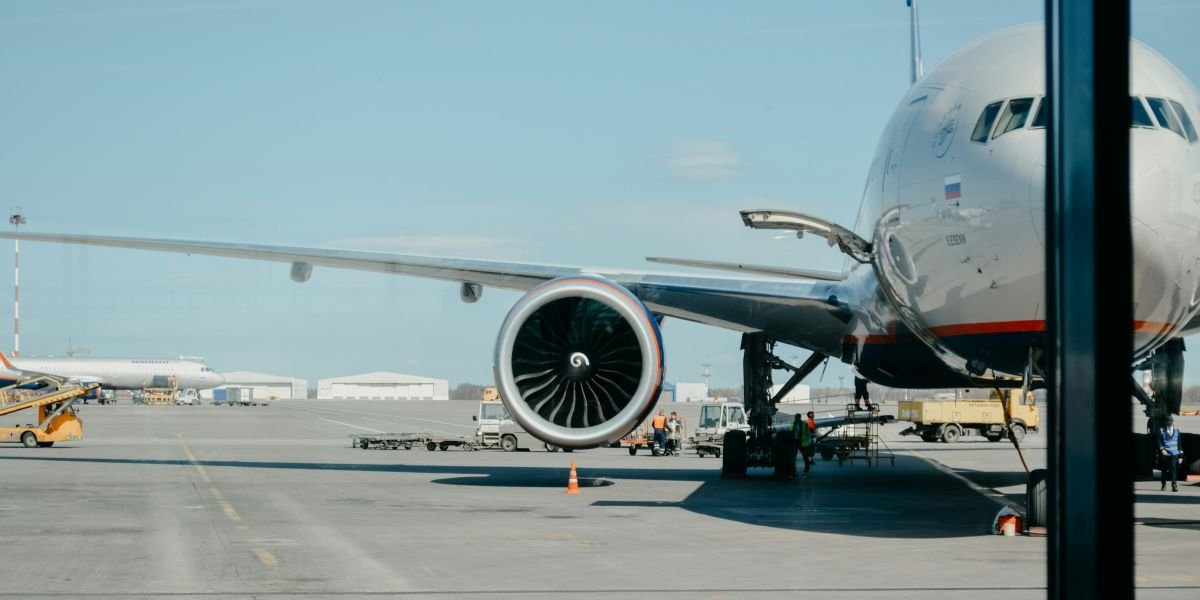
The lines at Hartsfield-Jackson Atlanta International Airport were mercifully shorter Monday morning. For the first time in weeks, travelers at the world’s busiest airport were moving through security checkpoints in minutes rather than hours — and for the TSA officers still showing up to work after 44 days without a full paycheck, the news they had been waiting for finally arrived.
Transportation Security Administration agents who had been working without pay since February 14 began receiving backpay on Monday, after President Trump signed an executive order on Friday instructing the Department of Homeland Security to pay TSA workers immediately. Most TSA employees received a retroactive paycheck covering at least two full missed paychecks, according to the Department of Homeland Security, and security wait times at Hartsfield-Jackson fell to five minutes or less by Monday afternoon.
For the Atlanta officers who endured one of the most punishing chapters in the airport’s history, the back pay — while welcome — marks a beginning, not an end.
How Atlanta’s Airport Became Ground Zero
Roughly 61,000 TSA employees across the country have been working without pay since funding for the Department of Homeland Security lapsed on February 14, triggering a partial government shutdown. The employees have missed more than $1 billion in pay collectively, making it difficult for many to afford food, gas, housing, child care and other essentials.
At Hartsfield-Jackson Atlanta International Airport, 37.4% of TSA workers called out on average during the shutdown — one of the highest absence rates among major U.S. airports. Over 450 TSA officers quit the agency nationally since the stoppage began, and many others were calling out daily, causing massive delays in security screenings at airports nationwide.
The human cost was visible every morning at Hartsfield-Jackson’s checkpoints. Long lines stretched through different parts of the airport, with passengers waiting up to two hours at security. Aaron Barker, the local American Federation of Government Employees union president for Atlanta, noted that many travelers were unaware a government shutdown was even underway. “The traveling public has been really nice,” Barker said. “What is shocking, though, is a lot of people are unaware that we are in a government shutdown.”
For the officers still reporting to work, the stakes were deeply personal. Barker cited colleagues who could not afford copayments for cancer treatments or office visits for their sick children. Johnny Jones, secretary-treasurer of the American Federation of Government Employees’ TSA Council, described the financial condition of workers not as desperation but as suffocation. “Desperation isn’t even the word for it. It’s more like suffocation,” he said.
The Congressional Deadlock Behind the Crisis
The shutdown stems from a congressional stalemate over funding for the Department of Homeland Security, specifically over operations tied to Immigration and Customs Enforcement. The DHS funding lapse began February 14, and the partial shutdown has now run for more than six weeks.
House Republicans pushed through their own DHS funding bill after rejecting a deal passed by the Senate with bipartisan support. The House version would extend funding for the entire department for only eight weeks — a short-term patch that would not resolve the underlying dispute.
Georgia Senators Jon Ossoff and Raphael Warnock responded to the standoff by accusing congressional Republicans of blocking TSA funding, countering Republican efforts to pin blame on Senate Democrats ahead of this year’s election cycle.
For TSA officers in Atlanta, the back-and-forth in Washington translated directly into missed meals, mounting debt, and uncertainty about whether to keep showing up. Aaron Barker said he expects more of his colleagues at Hartsfield-Jackson to leave in the future, and believes the shutdown’s negative image will make it difficult for TSA to replace workers who have already quit. “No one wants to continue to live their life with this amount of uncertainty and undue stress to no fault of their own,” Barker said.
ICE Agents Step In — To Mixed Reception
As the staffing crisis deepened, the federal response at Hartsfield-Jackson took an unexpected turn. ICE agents were deployed to Atlanta and 13 other airports nationwide to assist with TSA staffing shortages, helping verify travelers’ IDs, guarding entrances and exits, and assisting with logistics and crowd control.
George Borek, a TSA officer and union steward in Atlanta, confirmed that ICE officers were trained by TSA at Hartsfield-Jackson and helped with the surge during the worst days of the shutdown. “In light of what’s going on and the unknown of every day, whether there’s going to be any officers coming in due to the furlough, certainly they’ve helped,” Borek said. However, TSA union leaders nationally characterized the deployment as an insult to officers, arguing that the presence of immigration agents in screening roles undermined both TSA’s professional identity and the agency’s security mission.
Delta Air Lines, headquartered in Atlanta, also stepped in — arranging meals for TSA workers at its hub airports and deploying corporate employees to help with check-in lobbies during the peak of the staffing shortage.
Atlanta Rallies Around Its Airport Workers
Beyond the institutional responses, Atlanta’s community moved to fill the gap in ways that reflected the city’s character. Salem Bible Church in Northwest Atlanta hosted a food distribution event specifically for struggling Department of Homeland Security workers. Jackmont Hospitality, which operates TGI Fridays locations in the airport and surrounding areas, offered agents 50% off their meals, feeding between 150 and 175 workers daily.
The Atlanta Community Food Bank organized food distribution events for TSA officers at the airport, and volunteers distributed food with the food bank on multiple occasions throughout the shutdown. Mayor Andre Dickens also announced the city was providing TSA officers with two meal vouchers per shift and free parking.
Jon West of the Atlanta Community Food Bank described the financial reality facing workers who had gone without pay for over a month: “Forty days is a long time to go without a paycheck. Food is a necessity. When we start seeing people making tradeoffs on their medical care — there’s a prescription I’m going to miss because I need to put that money into the refrigerator.”
David Halpern of Jackmont Hospitality said the decision to help was straightforward. “He felt a responsibility to help those still showing up for work.”
The sentiment from the traveling public was similarly sympathetic. Bill Musgrave, a traveler passing through Hartsfield-Jackson over the weekend, put it plainly: “In November, I will remember.”
What Comes Next
Airport security wait time reporting at Hartsfield-Jackson, which had been suspended during the worst of the shutdown, resumed on Monday. TSA employees’ back pay covered the two full paychecks missed in March — but not the partial payment that was disrupted at the end of February. Some workers remain concerned they will not receive all compensation owed.
The broader structural question remains unresolved. With 450-plus officers having already quit, the training pipeline to replace them runs four to six months minimum. Summer travel season — Memorial Day, Fourth of July, Labor Day — will stress an agency that is already operating below full strength.
And as long as the DHS funding dispute remains deadlocked in Congress, the next missed paycheck is never more than a vote away.