
Atlanta Is Under 70 Days From the World Cup — Here Is Where Everything Stands


Eight matches. A semifinal. Half a million expected visitors. The clock is running, and Atlanta is moving fast.
The 2026 FIFA World Cup kicks off June 11, and with the opening whistle now fewer than 70 days away, Atlanta’s preparations for one of the most consequential sporting events in the city’s history have shifted from planning mode into full execution. Security funding has arrived. Infrastructure upgrades are underway. A free fan festival is being built in the heart of downtown. And for a city that last hosted the world at this scale in 1996, the parallel is not lost on anyone.
“It’s pretty incredible we’re now under 100 days to go,” said Dan Corso, president of the Atlanta Sports Council and the Atlanta World Cup Host Committee. “We’re built to host the world, and we’re built to be on the world stage.”
What Atlanta Is Hosting
The 2026 FIFA World Cup runs June 11 through July 19, with eight matches scheduled at Mercedes-Benz Stadium, including a semifinal. The inaugural Atlanta match will be held June 15 between Spain and Cabo Verde. Subsequent matches include Czechia or Denmark or North Macedonia against South Africa on June 18, Spain vs. Saudi Arabia on June 21, Morocco vs. Haiti on June 24, and a Congo DR or Jamaica or New Caledonia group match on June 27. Match 80 and Match 95 are scheduled for July 1 and July 7 respectively, before the semifinal on July 15.
Atlanta organizers expect roughly 500,000 visitors during the tournament. That figure places enormous pressure on the city’s transportation, security, hospitality, and public space infrastructure — and local officials have spent years preparing for the moment.
The Security Funding Picture
One of the most consequential recent developments for Atlanta’s preparations is the arrival of federal security money. City officials say Atlanta will receive about $52.2 million through FEMA’s FIFA World Cup Grant Program. That funding is part of a larger $73.4 million allocation to the Atlanta World Cup Host Committee, according to a spokesperson for Mayor Andre Dickens. The money will be used to support a wide range of needs tied to hosting the tournament, including covering police and fire overtime, upgrading emergency equipment, improving communication systems, and supporting training, inspections, and emergency planning efforts.
Atlanta is also receiving $7.6 million specifically for strengthening drone detection and security capabilities, through FEMA’s Counter-Unmanned Aircraft Systems Grant Program.
“The 2026 FIFA World Cup is expected to be the largest sporting event in history, so it must also be the most secure,” FEMA said in a statement.
The funding resolution is a relief for city leaders. As recently as March, Atlanta’s chief operating officer LaChandra Burks confirmed the city had not yet received any FEMA dollars, though she stressed that planning had not stopped. “We have not backed down from a public safety standpoint on where we’re planning, and we feel confident as we continue to work with our federal partners that in due time we will get the funding we need,” Burks said.
The Fan Festival: Free and Open to Everyone
Ticket access is one of the most common concerns among Atlanta residents eager to participate but priced out of stadium seats. City officials have built a robust answer to that challenge.
The official FIFA Fan Festival is free and open to everyone — 16 days of matches on a 40-foot screen, live concerts, Atlanta food vendors, and cultural programming in the heart of downtown. Free entry tickets are available at AtlantaFWC26.com, with upgraded experiences also available for a fee.
The Fan Festival will feature four programming zones: the Main Stage, featuring concerts and a 40-foot screen for live matches and tournament highlights; The Playground, with activations and games for younger fans; The Pitch, hosting a community stage, podcasts, and AR/VR sound experiences; and Georgia Street, showcasing artists and food vendors from across the region. The Fan Festival opens June 12 and culminates on July 15, the day of Atlanta’s semifinal match.
For those outside the immediate downtown footprint, the options extend further. Decatur Square will host 34 days of outdoor screenings, live concerts, and indoor watch spots at local breweries and restaurants — just seven MARTA stops from the stadium.
A new economic report from Emory University Goizueta Business School projects the City of Decatur could see as much as $142 million in economic impact tied to events surrounding the World Cup. Decatur’s WatchFest ’26 will feature performances from major acts including Big Boi, The War and Treaty, and Decatur natives the Indigo Girls.
Infrastructure: Billions in Investment
The World Cup has served as a deadline accelerator for infrastructure projects that were years in the making across metro Atlanta.
Mercedes-Benz Stadium is undergoing $200 million in upgrades and will temporarily convert from artificial turf to natural grass for the matches. The state of Georgia has invested $25 million in public safety and security infrastructure. The city is making $120 million in transportation and downtown improvements. MARTA is upgrading with new railcars, electric buses, and system modernizations.
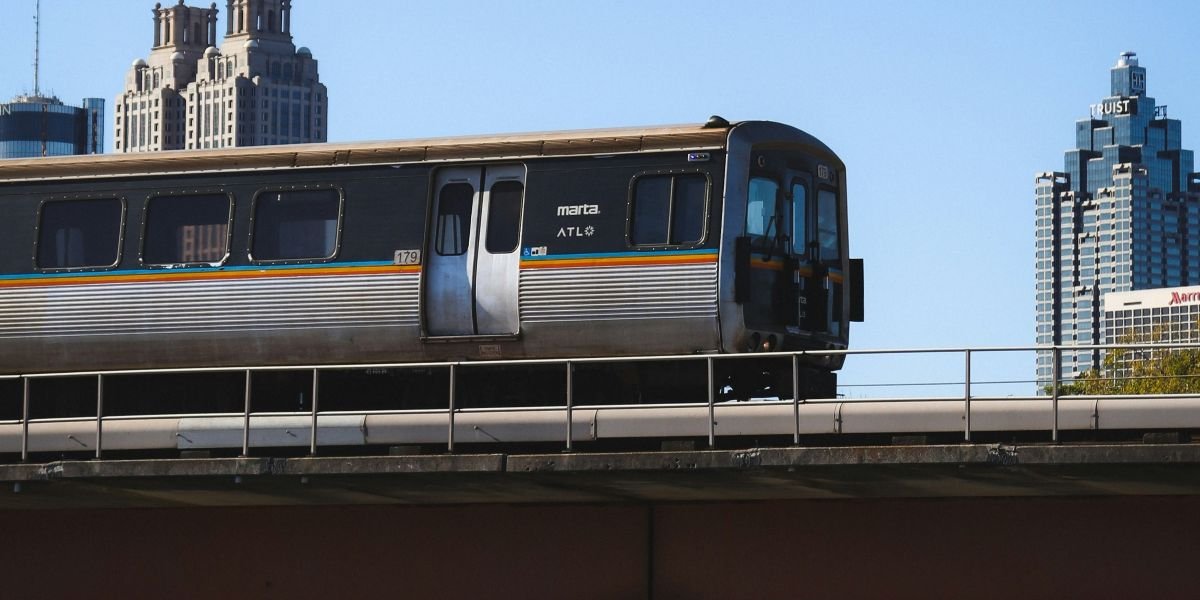
Photo Credit: Unsplash.com
To help move people around the city, MARTA officials say more trains will run to keep waiting times to a minimum. The transit system’s expanded capacity will be critical on match days, when tens of thousands of fans will be moving between downtown, the stadium, fan zones, and the region’s neighborhoods simultaneously.
Corso noted that after the World Cup, Atlanta will be just one of two cities in the U.S. to have hosted both the Summer Olympics and the World Cup — a distinction that adds historical weight to the summer ahead. As 2026 marks 30 years since the 1996 Games, the parallel of bringing the world back to the Peach State has generated significant attention.
The Economic Stakes
The Metro Atlanta Chamber estimates an economic impact of more than $500 million for Georgia from out-of-state visitors alone. That figure reflects spending on hotels, restaurants, transportation, retail, and entertainment across the region — not only in Atlanta proper but in surrounding counties and communities that will absorb overflow tourism.
Research shows international guests typically stay longer, spend more, and take the opportunity to explore other Atlanta attractions like the World of Coca-Cola and the Georgia Aquarium. City officials are also counting on a lasting brand visibility boost — the kind that converts first-time World Cup visitors into return travelers in future years.
The city’s Showcase Atlanta initiative, led by Mayor Andre Dickens, is designed to push fans beyond the stadium and into Atlanta’s neighborhoods, museums, restaurants, and communities. The goal is straightforward: convert a single sporting event into a long-term impression of a city on the world stage.
Atlanta has hosted Super Bowls. It hosted the Olympics. It handled Copa América and a presidential debate on the same night. The city’s leadership is confident June and July 2026 will be no different. The world is coming — and Atlanta has been building toward this moment for more than three years.

