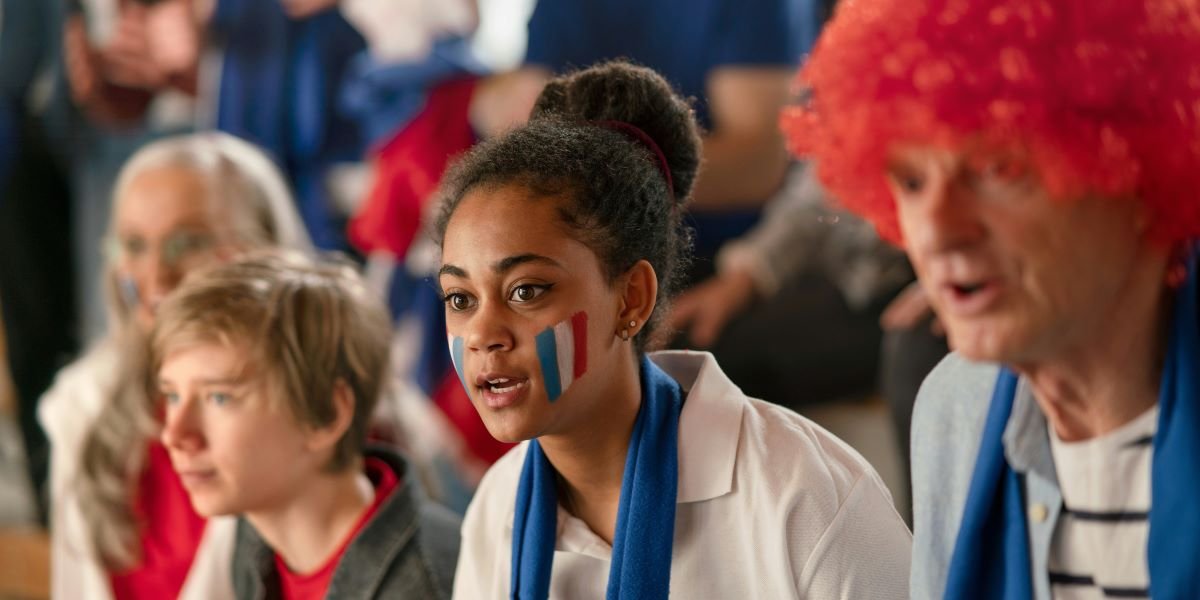
World Cup One Month Out as Atlanta Prepares to Host Eight Matches at Mercedes-Benz Stadium

The countdown is officially on. With the 2026 FIFA World Cup approximately one month away from kicking off in Atlanta, the city is in final-preparation mode for what local officials describe as one of the most significant economic and cultural moments in Georgia’s modern history. Mercedes-Benz Stadium will host eight matches, including a semifinal, beginning with the group stage on June 15. Atlanta officials project around 300,000 visitors and more than $500 million in economic impact from out-of-state travelers alone.

For a city that has hosted Super Bowls, the 1996 Summer Olympics, and the College Football Playoff National Championship, the World Cup arrives as the largest global sporting event Atlanta has staged in three decades.

Eight Matches and a Semifinal at Mercedes-Benz Stadium

Atlanta is one of 11 U.S. host cities, alongside three Mexican cities and two Canadian cities, selected for the expanded 48-team tournament. The 2026 World Cup will be the largest edition of the event in history, with matches running from June 11 through July 19.

Mercedes-Benz Stadium, which under FIFA branding will be referred to simply as Atlanta Stadium during the tournament, carries an exceptionally strong match slate. The venue will host group-stage games beginning June 15, knockout-round matches, and a semifinal, placing the city directly in the late-tournament spotlight when global audiences are at their peak.

The stadium’s selection has been years in the making. Atlanta’s bid effort, led by the Atlanta Sports Council in partnership with state and local governments, Arthur M. Blank Sports + Entertainment, the Atlanta Convention & Visitors Bureau, and the Georgia World Congress Center Authority, secured the host designation in 2022.

The Arthur M. Blank U.S. Soccer National Training Center Opens

A central piece of Atlanta’s soccer infrastructure officially came online earlier this month. The Arthur M. Blank U.S. Soccer National Training Center opened on May 7, 2026 in Fayette County, with a ribbon-cutting ceremony attended by U.S. Soccer CEO JT Batson, U.S. Women’s National Team coach Emma Hayes, U.S. Soccer Federation President Cindy Parlow Cone, the Coca-Cola Company’s Bea Perez, Chick-fil-A chairman Dan T. Cathy, and namesake Arthur M. Blank.

“The rest of the world will look at the U.S. in profound ways,” Hayes said during the opening, framing the facility as a long-term investment in American soccer development that will outlast the World Cup itself. The training center cements metro Atlanta’s position as a permanent hub for the sport, well beyond the 2026 tournament window.

Fan Activations Across the Metro Area

The economic and cultural footprint of the tournament extends far beyond Mercedes-Benz Stadium. Metro Atlanta is preparing a layered slate of fan activations designed to draw both international visitors and local crowds.

In West Midtown, The Interlock and Holiday Bar are launching Culture Haus, a 30-day fan activation running from June 11 through July 19. The program will feature more than 100 events including watch parties, live music, and interactive fan experiences. “Soccer has a unique ability to bring different cultures together, and that’s what Culture Haus is all about,” said Adriana Bibbs, Community Manager at AH Realty Trust. “We’re creating a space where fans can show up for the matches, but stay for the broader experience centered around wellness, music and community.”

In Decatur, the city is preparing WatchFest, a free concert series tied to the tournament that will run alongside public watch parties. Other cities across the metro region — including Alpharetta, Sandy Springs, and Marietta — are finalizing fan zone and small-business activation plans designed to spread tourist spending beyond the urban core.

Infrastructure: BeltLine and MARTA Upgrades

The tournament has also accelerated infrastructure investment across the city. The Atlanta BeltLine is scheduled to reach a significant milestone this summer, with 18 miles of continuous paved trail slated for completion before the World Cup kicks off. The expanded BeltLine creates a contiguous pedestrian and cycling corridor connecting major neighborhoods and serving as a key alternative-mobility option during the high-traffic tournament window.

MARTA is rolling out its new fare payment system, dubbed Better Breeze, in the spring. Construction is already underway to install upgraded gates at multiple stations. The system upgrade is timed to handle the influx of out-of-state and international visitors who will rely on rail transit during match days.

Hartsfield-Jackson Atlanta International Airport, one of the world’s busiest airports, will serve as the primary entry point for the bulk of international fans coming to Atlanta. The airport’s capacity has been cited as one of the strategic reasons Atlanta was selected as a host city.

A $500 Million-Plus Economic Boost

The financial stakes for Georgia are substantial. Atlanta officials project the tournament will attract roughly 300,000 visitors and generate more than $500 million in economic impact from out-of-state travelers alone, according to coverage from 11Alive. Those numbers translate directly into hotel bookings, restaurant revenue, retail sales, and tax receipts across Fulton, DeKalb, Cobb, Gwinnett, and surrounding counties.

The tournament also lands in a broader Georgia tourism boom. The state hosted a record 174.2 million visitors in 2024, generating $45.2 billion in visitor spending, according to figures released by Governor Brian Kemp’s office. The 2026 World Cup, paired with the United States’ 250th anniversary celebrations, is expected to push those numbers higher.

For Georgia’s hospitality sector, the tournament has already begun to reshape booking patterns. Hotels in the immediate Mercedes-Benz Stadium footprint, in Buckhead, and along the Northern Arc are reporting elevated rates for the June and early July match windows.

The next several weeks will bring the final phase of preparation. FIFA’s local organizing operations, security coordination across federal, state, and local agencies, and final venue readiness inspections are all scheduled to ramp through late May. Match-day operational rehearsals are expected to begin at Mercedes-Benz Stadium in the weeks leading up to the June 15 group-stage opener.

For Atlanta, the World Cup represents more than a sports event. It functions as a global stage to showcase the city’s infrastructure, hospitality, and cultural identity to an audience measured in the billions. The result over the next 60 days will shape how Atlanta is perceived internationally for years to come.

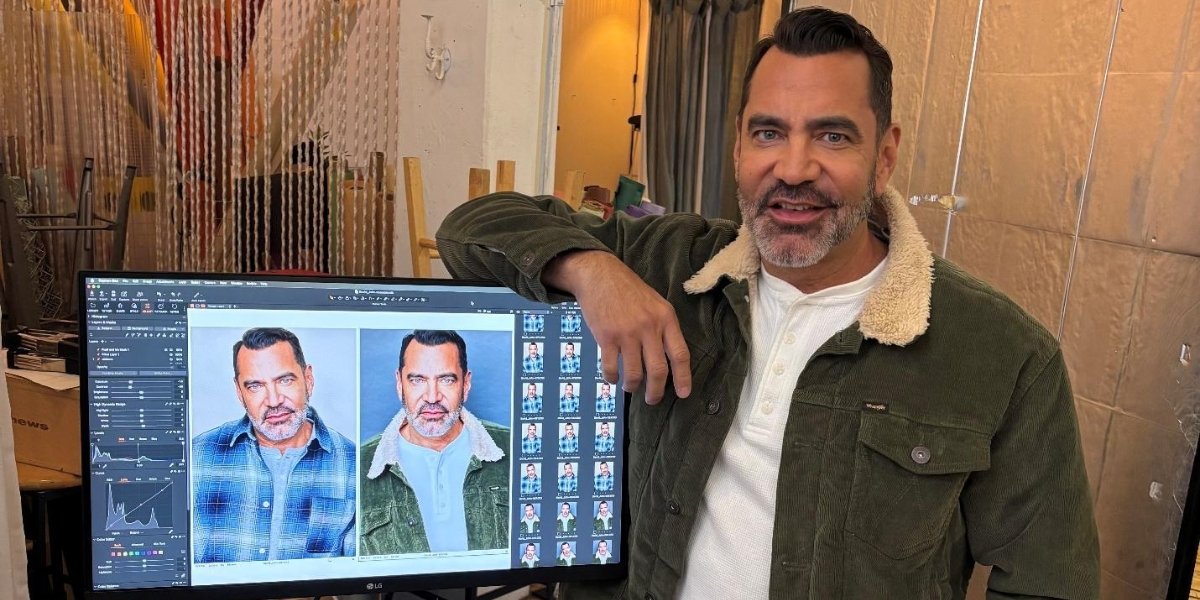
John David Castilla and the Dynamics of Regional Film Markets in the American Midwest and Southeast

Over the past two decades, film and television production in the United States has expanded beyond Los Angeles and New York. States such as Georgia and Illinois have built active production environments supported by tax incentives, production facilities, experienced crews, and local casting networks. These conditions have helped cities such as Chicago and Atlanta attract network television, streaming, commercial, and film projects.

Within this regional production model, many performers build careers by working across multiple markets rather than relying on one location. John David Castilla reflects this approach. Since beginning his on-screen work in 2017, he has maintained a professional presence in the Midwest while expanding his reach into the Southeast. His agency representation through TalentXAlexander Agency lists him across the Midwest and Atlanta markets, giving him access to auditions and submissions beyond a single city.

Chicago has played an important role in Castilla’s professional development. Illinois has supported production through its film tax credit program, helping bring television, film, and commercial projects to the state. Chicago has hosted a range of productions over the years, creating opportunities for local performers to gain experience in background, supporting, commercial, and smaller on-screen roles.

Castilla’s early work included background and minor acting opportunities in the Chicago market. While many background roles are not publicly credited, this kind of work is a common entry point for performers seeking on-set experience. It allows actors to learn how professional sets operate, understand production routines, and build familiarity with casting and crew processes.

His work has also extended beyond Illinois into surrounding Midwest markets, including Indiana, Wisconsin, Michigan, Ohio, and Iowa. These states often support regional commercial, film, and television work through local agencies, casting offices, and production teams. Castilla’s representation across these areas gives him access to projects that may not require relocation from Chicago.

Atlanta has also become an important production center in the United States. Georgia’s film incentive program and studio infrastructure have helped attract large-scale film, television, and streaming projects. Many actors outside Georgia submit self-tapes or work through agency channels for opportunities in the Atlanta market. Castilla’s inclusion in the Atlanta market through his agency representation aligns with this broader industry practice.

Castilla’s regional approach has supported his move from background and minor work toward more visible roles. In 2023, he appeared as Howie Williams in the feature film American Warrior, which stars Danny Trejo and Veronica Falcón. The role added a credited film project to his professional profile and contributed to his eligibility for SAG-AFTRA work.

SAG-AFTRA eligibility can mark an important step for performers, since the union represents a large community of actors, broadcasters, recording artists, and media professionals. For Castilla, this development adds another layer to his career while allowing him to continue building from his regional roots.

The continued level of production activity in Chicago and surrounding markets gives performers room to balance union and non-union opportunities, commercial work, modeling, and film or television roles. Castilla’s broader profile includes acting, modeling, and commercial work, placing him within several connected areas of the entertainment industry.

Talent agencies remain central to this process. They help connect performers with casting opportunities, coordinate submissions, and support access to projects across different regions. Through TalentXAlexander Agency, Castilla’s professional reach includes Illinois, Michigan, Wisconsin, Ohio, Indiana, Iowa, and Georgia.

Commercial production also contributes to regional career stability. National and regional brands often film campaigns in Chicago and other Midwestern cities because of experienced crews, available talent, and production resources. For actors like Castilla, commercial and modeling opportunities can support visibility while complementing film and television work.

Regional markets continue to offer practical paths for performers who want to stay active without relocating permanently to a major coastal production center. Chicago and Atlanta show how cities outside Los Angeles and New York can support steady production activity and provide room for actors to develop long-term careers.

John David Castilla’s work across Illinois, nearby Midwest states, and the Atlanta market reflects the growing importance of regional mobility in film, television, and commercial production. His career path shows how performers can build professional visibility by staying connected to multiple production centers while continuing to develop their craft through local and regional opportunities.

Is Atlanta the Birthplace of Hip-Hop? A Look at the City’s History and Modern Dominance

The short answer is no. Hip-hop was born in the Bronx, New York, in the early 1970s, with most historians pointing to a 1973 block party hosted by DJ Kool Herc as the genre’s foundational moment. But while Atlanta is not where hip-hop began, few cities have shaped its present and future as profoundly. Over the past three decades, Atlanta has grown from an overlooked Southern outpost into what is widely regarded as the modern capital of hip-hop.

A Late Start in a New Region

When hip-hop first took root in the 1970s and 1980s, the genre was dominated by the East and West Coasts. New York gave the world its foundational sound, while Los Angeles later introduced gangsta rap and a distinct West Coast style. The South, including Atlanta, was largely treated as a cultural outlier.

In the 1980s and early 1990s Atlanta’s hip-hop scene was characterized by a local variant of Miami’s electro-driven bass music, with stars like Kilo Ali, MC Shy-D, Raheem the Dream, and DJ Smurf. These early artists were not yet shaping the national conversation, but they were laying the groundwork. MC Shy-D, signed to Miami’s Luke Records, is credited with bringing authentic Bronx-style hip-hop to both Atlanta and Miami.

By 1980, King Edward J had opened Landrum’s Records & More, where he self-released a series of “J-Tapes” that helped establish the foundation of Atlanta rap. Local talent shows, community centers, and clubs nurtured an underground scene that would not fully break through for another decade.

The 1990s Turning Point

Atlanta’s national breakthrough came in the mid-1990s, anchored by LaFace Records and a creative collective known as the Dungeon Family. By the mid-1990s, the rise of LaFace Records artists Outkast, Goodie Mob and the production collective Organized Noize led to the development of the Dirty South style of hip-hop.

A defining moment came at the 1995 Source Awards in New York. When the Atlanta duo OutKast won Best New Rap Group, the crowd booed. André 3000 took the stage and delivered a now-famous response: “The South got something to say.” That declaration became a rallying cry for an entire region.

OutKast’s 1994 debut, Southernplayalisticadillacmuzik, followed by later albums like Stankonia, reshaped expectations of what Southern hip-hop could be. Meanwhile, Jermaine Dupri’s So So Def Recordings helped launch artists like Kris Kross, who topped the Billboard Hot 100 in 1992, proving that Atlanta could build successful careers without leaving home.

The Rise of Crunk and Trap

By the early 2000s, Atlanta had become a hub for new subgenres. Producer and artist Lil Jon helped popularize crunk, a high-energy, club-oriented sound. Around the same time, a new style called trap began to emerge from Atlanta’s streets. T.I.’s Trap Muzik (2003), Young Jeezy’s Let’s Get It: Thug Motivation 101 (2005), and Gucci Mane’s Trap House (2005) became foundational albums of the genre.

Trap’s production style, defined by 808 bass kicks, hi-hat rolls, and atmospheric synths, would go on to dominate global pop music. By the late 2000s, The New York Times called Atlanta “hip-hop’s center of gravity”, marking a clear shift in the genre’s geographic power center.

Modern Dominance

Today, Atlanta’s grip on hip-hop is difficult to overstate. The city has produced or developed artists including Future, Migos, 21 Savage, Lil Baby, Young Thug, Gunna, Lil Yachty, Childish Gambino, and Ludacris. Labels such as Quality Control Music helped launch some of the most commercially successful acts of the past decade.

Atlanta’s influence extends well beyond the recording studio. Strip clubs like Magic City have long served as testing grounds where DJs break new records before radio picks them up. Producers including Zaytoven, Metro Boomin, Mike WiLL Made-It, and Southside have shaped the sonic identity of mainstream hip-hop. The FX series Atlanta, created by Donald Glover, brought the city’s rap-centered culture to global television audiences.

What sets Atlanta apart is not a single sound but an ecosystem. The city is home to producers, engineers, music attorneys, video directors, fashion designers, and entrepreneurs who together form a self-sustaining industry. Veterans like Killer Mike, T.I., and 2 Chainz have moved into preservation and education, with projects like the Trap Music Museum chronicling the genre’s evolution.

Universities, festivals, and venues across Atlanta continue to feed the pipeline. Events such as One Musicfest and, historically, the A3C Festival have served as showcases for both established and emerging talent.

Atlanta did not birth hip-hop, and any claim otherwise overlooks the genre’s roots in the Bronx. But few cities have done more to shape what hip-hop has become in the 21st century. From the Dungeon Family to trap music to the global rise of Atlanta-based superstars, the city has earned its position as the genre’s current creative engine.

As one local DJ put it, the South had something to say long before the world was ready to listen. Now, it is hard to imagine hip-hop without Atlanta at the center of the conversation.