MARTA CQ400 Trains Set for Early June Launch as World Cup Nears Despite Pending Safety Tests

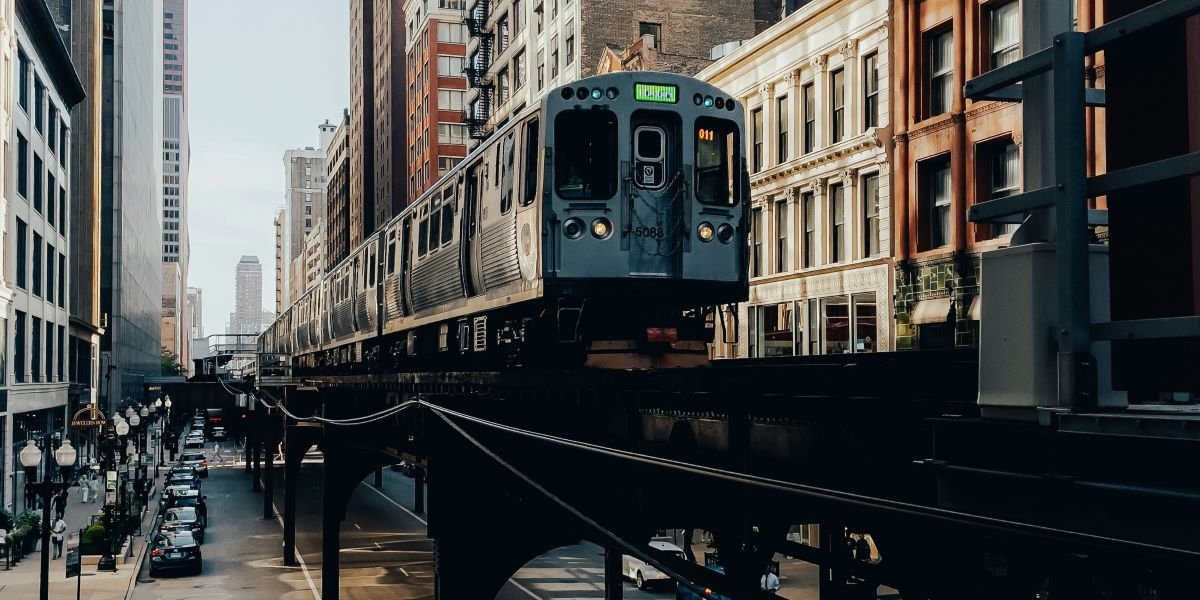
Atlanta’s transit agency has set a date for one of the most-watched debuts of its modernization push, even as questions linger over whether the new fleet will be fully cleared in time. MARTA’s CQ400 railcars are now scheduled to begin carrying passengers the first week of June, with the agency targeting a first revenue run around June 4, days before the FIFA World Cup brings hundreds of thousands of visitors to downtown Atlanta.
The timing leaves little margin. The first match at Mercedes-Benz Stadium arrives in mid-June, and the railcars represent the centerpiece of a transit overhaul MARTA has spent years promising would land in time for the global event.
A Project That Kept Slipping
The June target is the latest in a series of moved deadlines. MARTA originally said its first new railcar would be running on Atlanta tracks by July 2025. That milestone passed, and the timeline shifted to late 2025, then early 2026, then spring, and now to the opening days of June. The repeated delays have drawn scrutiny precisely because the World Cup gave the agency a fixed, unmovable date to work toward.
MARTA and manufacturer Stadler, the Swiss firm building the cars, have framed the caution as deliberate. The agency has said it will not rush testing to hit earlier targets, citing the realities of a project of this scale: material availability, testing windows that require track time on an active rail system, and troubleshooting that surfaces during manufacturing and testing.
Safety Tests Still Outstanding
The sharpest complication surfaced this week. The Atlanta Journal-Constitution reported that, with the tournament days away, the CQ400 trains had not yet passed required safety tests, a setback in what the paper pegged as a $707 million project. The same reporting described friction behind the scenes between MARTA and Stadler as the agency works to bring its first new railcars in more than two decades into service.
Part of the certification process involves load testing, in which MARTA used sandbags to simulate the weight of a full complement of passengers. Four train sets are in Atlanta undergoing testing, and the agency expects several to be ready before the first whistle, with more added in phases over the coming years rather than all at once.
A MARTA spokesperson reiterated that the agency still expects to meet the World Cup deadline for revenue service, while acknowledging that a project of this scope carries variables that affect delivery.
What the New Railcars Offer
The CQ400 fleet is built to replace legacy cars, some dating to MARTA’s 1979 debut. CBS News Atlanta, which toured the cars with interim CEO Jonathan Hunt and vehicle procurement director Connie Krisak, described open-gangway four-car sets that let riders walk the full length of a train, wider aisles, more legroom, and designated space for wheelchairs, strollers, bikes, and luggage. The cars add wireless charging, digital service displays, flexible seating, and real-time safety monitoring, and each train will carry an officer onboard as the fleet rolls out.
The open design is meant to address a specific Atlanta pain point. After major events at Mercedes-Benz Stadium, clearing a station can take up to 45 minutes, and officials say the additional standing room and easier movement between cars should speed crowds out of platforms during the tournament’s surges.
Backup Plans and Broader Upgrades
MARTA is not resting the entire World Cup plan on the new trains. The agency has briefed its board on a wider set of preparations, including a contactless fare system branded Better Breeze that lets riders tap a bank card or mobile wallet at faregates, construction at Vine City Station near the stadium, and temporary wayfinding signage being designed for 17 stations. Upgrades at Five Points, the system’s busiest rail hub, are reported on track for completion ahead of the matches.
Funding has come from several directions. MARTA secured $3.4 million through a Department of Homeland Security grant program to cover police overtime during the tournament, part of a larger $73 million award to the State of Georgia, and the Federal Transit Administration is set to reimburse up to $9.4 million in regional transit costs.
For the tournament itself, MARTA has planned for five to seven of the new trains to be in service, supplementing its existing fleet rather than replacing it outright. Hunt has stressed that the investment outlasts the event, framing the upgrades as infrastructure that benefits residents long after the visitors leave.
Whether the CQ400 cars carry their first paying riders on schedule now hinges on the safety certification clearing in the narrow window before kickoff. MARTA has staked considerable credibility on getting the trains into service, and the next two weeks will determine whether the debut becomes part of the city’s World Cup showcase or a deadline that slipped one final time.