
MARTA Reports 4.7 Million Riders During World Cup With No Major Crimes on the System

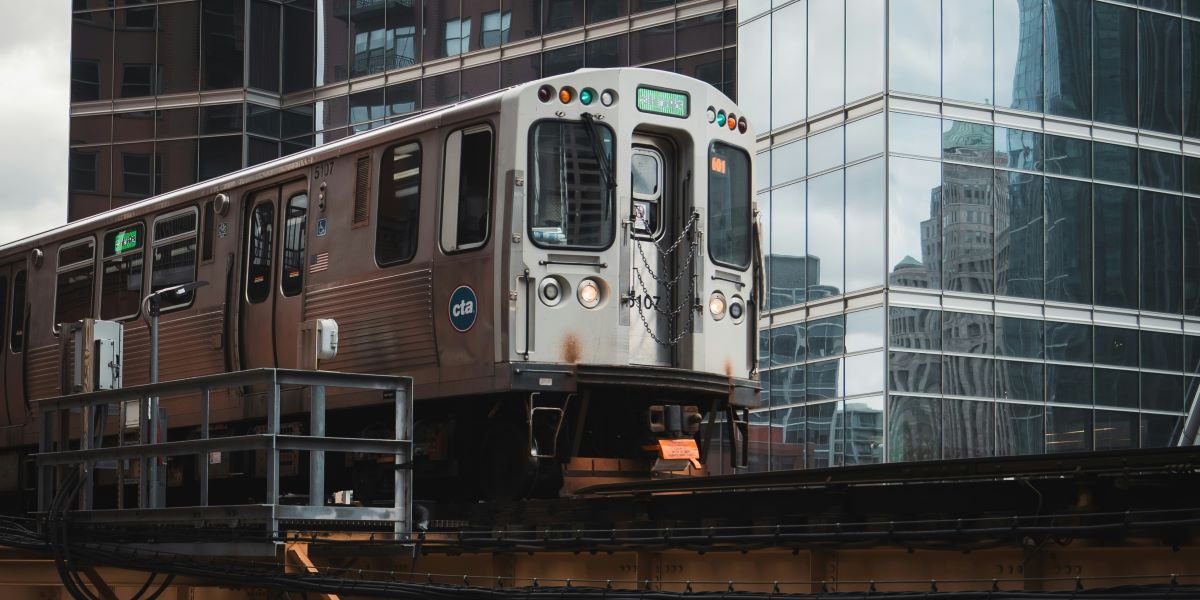
The Metropolitan Atlanta Rapid Transit Authority transported 4.7 million rail passengers over a 35-day stretch of FIFA World Cup matches, fan festivals, and citywide events that concluded July 15, with no major crimes reported on the system. The ridership total, announced by MARTA on July 18, represents a performance that exceeded the transit agency’s own projections and arrived under the weight of a federal safety investigation launched just days before the tournament opened in Atlanta.
Key Takeaways
- MARTA transported 4.7 million rail passengers during the 35-day World Cup period, with match-day ridership surging 2 to 3.5 times normal daily volume
- The busiest single day was June 24 during the Morocco-Haiti match, which drew approximately 240,000 rail trips, 2.6 times the standard weekday count
- Hundreds of MARTA police officers, transit ambassadors, and multilingual FIFA volunteers managed the historic crowds with zero major crimes reported on the system
- The World Cup performance came under the backdrop of a Federal Transit Administration investigation launched June 4 after two stabbing attacks on MARTA property in late May, one of which killed 66-year-old Margaret Swan
- MARTA Interim General Manager Jonathan Hunt reported the agency’s crime rate fell 25% between 2024 and 2025; FY2026 police expenditures reached nearly $58.7 million, a 22% year-over-year increase
How Did MARTA Handle Record World Cup Ridership?
MARTA’s rail network functioned as the central transportation artery for Atlanta’s World Cup operations, connecting Atlanta Stadium to Centennial Olympic Park’s fan festival zone and feeding passengers through five downtown stations. The MARTA World Cup operations plan called for trains every five minutes on match days, shuttle service from Atlanta Stadium, and a standby fleet of roughly 30 buses positioned at five strategic stations to absorb service disruptions.
The system generated an average of approximately 130,000 additional rail trips on each match day beyond normal ridership levels. The busiest single day, June 24, drew roughly 240,000 rail passengers during the Morocco-Haiti match. The second-highest volume came July 1 during the England-Democratic Republic of the Congo match, which logged approximately 230,000 rail trips, 2.5 times normal weekday levels. Non-match fan festival days still generated an additional 37,000 daily trips above baseline, concentrated at Peachtree Center and SEC District stations.
Station-level data showed where the demand was heaviest. SEC District station, closest to Atlanta Stadium, recorded a 38% increase in passenger volume over the 35-day period. Peachtree Center followed at 30%, Five Points at 18%, and Vine City at 14%. MARTA ambassadors worked close to 4,000 shifts across the tournament, joined by approximately 100 multilingual FIFA volunteers who provided navigation assistance to international visitors.
What Was The Security Picture During The Tournament?
The ridership numbers carry added weight because of the circumstances that preceded the tournament. On May 30, a 66-year-old woman named Margaret Swan was fatally stabbed on a MARTA train. Six days earlier, a 40-year-old man was stabbed multiple times during an altercation at a MARTA station. The Federal Transit Administration launched a formal investigation on June 4, with U.S. Transportation Secretary Sean P. Duffy directing the FTA to examine MARTA’s security spending, safety protocols, and risks to riders and workers.
The FTA noted at the time that MARTA’s rate of personal security events on rail lines ran approximately three and a half times the national average. MARTA was given 15 days to submit data on security funding, crime mitigation plans, and fare evasion enforcement to federal investigators.
MARTA Interim General Manager and CEO Jonathan Hunt responded to the federal inquiry in a June 17 letter to Georgia lawmakers that described a series of improvements implemented since he took over in August 2025. Hunt reported that the agency’s overall crime rate declined 25% between 2024 and 2025. The fiscal year 2026 forecast for MARTA police expenditures reached nearly $58.7 million, representing a 22% increase from the prior fiscal year. The federal government contributed nearly $11 million in grants specifically for World Cup safety and operations preparation.
During the tournament itself, hundreds of MARTA police officers worked 10- to 12-hour shifts patrolling trains, platforms, buses, and station hubs. Officers operated out of MARTA’s Emergency Operations Center and Real-Time Crime Center, which monitored more than 12,000 cameras across the system. The security initiative also included transit law enforcement support from Denver’s transit police. The 35-day operation concluded with no major crimes reported on the system and the apprehension of three suspects wanted for prior violent offenses.
What Does The World Cup Ridership Mean For MARTA’s Future?
The scale of the World Cup operation has reframed the conversation around MARTA’s capacity and public perception. A reader poll published by Urbanize Atlanta the week before the tournament’s first Atlanta match found that 84% of respondents were skeptical that MARTA was ready to handle the global influx. One month and nearly five million rail passengers later, the agency is pointing to the result as evidence that its operational improvements are translating into measurable outcomes.
Hunt acknowledged the perception gap directly. In his letter to the FTA, Hunt wrote that MARTA’s crime statistics have improved significantly but conceded a core challenge: the agency recognizes that if customers do not perceive the system to be safe, they will not ride. The World Cup period offered a controlled test of that proposition, with international visitors and Atlanta residents choosing rail at volumes the system had never absorbed over a sustained period.
MARTA’s funding structure adds context to the stakes. The majority of MARTA’s operating revenue comes from local sales taxes, supplemented by federal grants. The agency had failed to deliver its new train fleet on schedule before the World Cup, and construction at the Five Points central hub remained incomplete when the tournament opened. The ridership surge demonstrated the system’s capacity under pressure, even with those infrastructure gaps.
The question now is whether MARTA can convert a month of forced ridership into sustained daily usage. Hunt closed the agency’s World Cup statement with a direct pitch to Atlanta residents who experienced the system during the tournament, stating that the agency hopes riders will continue to let MARTA drive them beyond the World Cup.
FAQs
How many passengers did MARTA transport during the World Cup? MARTA transported 4.7 million rail passengers over the 35-day FIFA World Cup period in Atlanta, with match-day ridership surging 2 to 3.5 times normal daily volume. The system generated an average of approximately 130,000 additional trips on each match day.
What was MARTA’s busiest day during the World Cup? June 24, during the Morocco-Haiti match, recorded approximately 240,000 rail passenger trips, making it 2.6 times the normal weekday count. The second-busiest day was July 1 during the England-Democratic Republic of the Congo match at 230,000 trips.
Were there any major safety incidents on MARTA during the tournament? MARTA reported zero major crimes on the system during the 35-day World Cup period. Hundreds of police officers, transit ambassadors, and multilingual volunteers managed the historic crowds, and the operation resulted in the apprehension of three suspects wanted for prior violent offenses.
What prompted the federal investigation into MARTA? The Federal Transit Administration launched an investigation on June 4 after two stabbing attacks on MARTA property in late May, including the fatal stabbing of 66-year-old Margaret Swan on a train. The FTA found that MARTA’s rail crime rate ran approximately three and a half times the national average.
How much did MARTA spend on security during the World Cup period? MARTA’s FY2026 police expenditures reached nearly $58.7 million, a 22% year-over-year increase. The federal government provided an additional $11 million in grants specifically for World Cup safety and operations preparation.
Which MARTA stations saw the highest World Cup ridership? SEC District station led with a 38% increase in passenger volume, followed by Peachtree Center at 30%, Five Points at 18%, and Vine City at 14%. Non-match fan festival days generated 37,000 additional daily trips centered at Peachtree Center and SEC District.