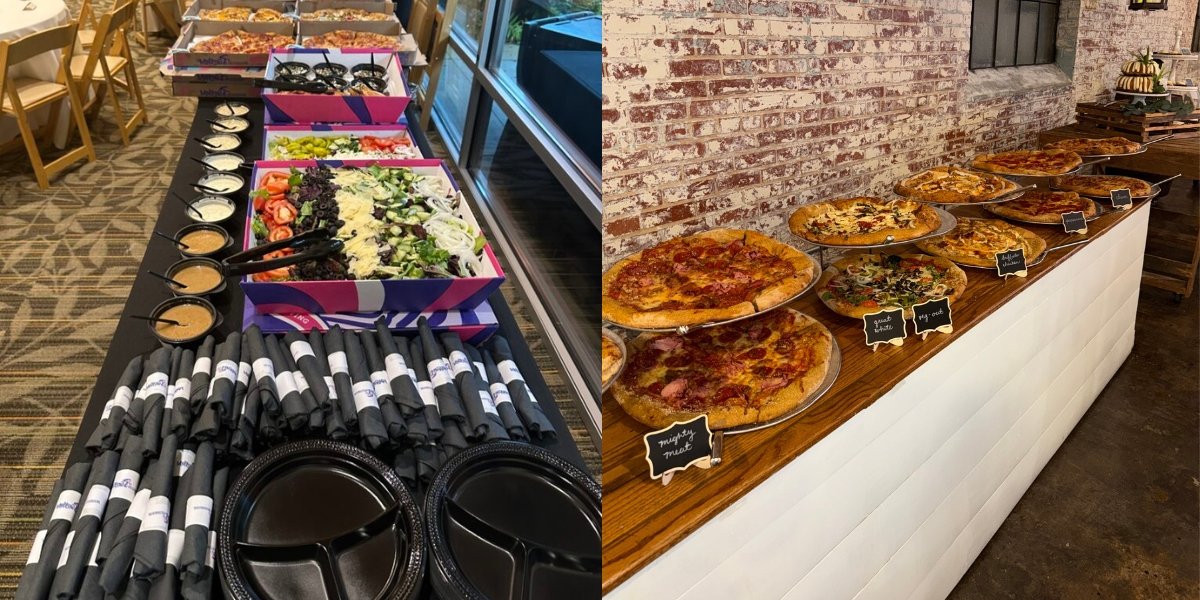
Mellow Mushroom Catering Atlanta Launches Full-Service Wedding Division

Wedding planning tends to force a trade-off. Couples can book the caterer their guests will still be complaining about a year later, or the one whose timing holds up when the toasts run long, and two hundred people are watching the clock. A metro Atlanta restaurant group has figured out how to create unforgettable experiences.

Mellow Weddings, a full-service wedding catering division operating under Mellow Mushroom Catering Atlanta, launched to serve couples across the greater Atlanta and North Georgia areas. The division sits within the Mellow Mushroom Panos Group, a family-owned franchisee that runs seven Mellow Mushroom restaurants around the metro Atlanta area. That backing is the point. Rather than bolt a banquet menu onto a pizza restaurant, the group built a dedicated catering operation with event teams, trained on-site staff, and full-service coordination behind it.

How a Familiar Restaurant Brand Built a Wedding Division

The push came from couples themselves. For years, people planning weddings had been calling the catering team asking for something other than a formal plated dinner. They wanted a reception that felt like them, relaxed and social, with food guests actually looked forward to. Years of catering events had trained the team to read that feedback as more than a passing compliment.

Nick Panos, the group’s Catering Director, describes the point where those requests started reading as a signal. Instead of continuing to show up at weddings as a fun exception, he and his team built a division designed to serve couples properly. That meant a leadership team specific to catering, a trained on-site service tier led by staff the company calls Catering Captains, and processes built for the unforgiving timelines a wedding day runs on.

Perception was the first hurdle. The Mellow Mushroom name brings to mind a fun night out, and good pizza, which the company happily owns, yet a wedding leaves no margin for error. Nick treats that skepticism as something answered one flawless event at a time. Running catering across several locations made consistency the other priority, so the group invested in training and repeatable systems that hold whether a venue sits in Sandy Springs or up in North Georgia.

What Sets This Atlanta Wedding Catering Team Apart?

The clearest difference is the pairing of restaurant infrastructure with an event team built specifically for celebrations. Seven working restaurants supply the kitchens, capacity, and sourcing behind every booking. On top of that sits a leadership structure, a staffing model, and service standards shaped around events rather than daily walk-in service.

Then there is the food, where wedding catering carries a reputation problem. Forgettable chicken and a row of chafing dishes have set a low bar across the industry. Mellow Weddings runs the other direction, designing the reception around dishes guests crave, and it lays out its wedding catering for the greater Atlanta area and North Georgia online for couples comparing vendors. Presentation upgrades, tableware options, and custom bar concepts, including a craft soda bar, give couples room to shape how the day looks and tastes.

Nick brings an analytical eye to that work, having studied the industry closely before running operations inside it. He treats each event as both a hospitality moment and a system, one where guests feel nothing but ease because the mechanics behind it are built to repeat. His pitch to couples stays deliberately plain. “The fun option can also be the safe option,” he says.

Why Couples Are Rethinking the Traditional Reception

The shift Mellow Weddings is built for is well documented. According to The Knot, roughly three in four couples now put the guest experience near the top of their planning priorities, and receptions are moving away from formal plated service toward communal, interactive dining. A relaxed, food-forward celebration is no longer the outlier. It is closer to what a large share of couples actively want.

That trend plays straight to a food-first caterer’s strengths. Mellow Weddings designs the meal as the centerpiece of the party rather than filler between the ceremony and the dance floor. The team can also handle the full arc of the weekend, from rehearsal dinners and welcome parties to receptions and after-parties, which suits couples who want one consistent hospitality thread across every event.

For Nick, the measure of success is seeing the guests genuinely enjoy themselves. This is the whole reason the division was worth building. A reception that runs well tends to send a couple and a few hundred guests home remembering the caterer for the right reasons.

Meet Nick Panos, the Catering Director Behind Mellow Weddings

Nick Panos has spent his career in restaurants, and his approach to weddings traces back to how the family-owned company operates. The guiding idea at Mellow Mushroom Panos Group is simple: you take care of people the way you would guests in your own home. Nick reads catering as a continuation of that habit rather than a break from it.

The accomplishment he names first is not a plaque. It is the work of turning catering from a side function into a full division, complete with its own leadership, trained event staff, and service standards across the group’s Atlanta restaurants. Building that operation meant inventing roles that had not existed before, the Catering Captain among them, and filling them by promoting from within. Today the operation feeds thousands of Atlanta-area guests each year across corporate events and, more recently, weddings.

A personal thread runs through how Nick talks about the business. He recently got married to Makenzie, and he describes handling a couple’s wedding the way he would like his own wedding handled. That big idea, he insists, is not marketing copy. It reflects how the company weighs the trust a couple hands to a vendor for a day that cannot be run twice.

Looking further out, Nick wants Mellow Weddings to be a name Atlanta couples raise on their own once friends get engaged and start asking around. Near-term, that means deepening relationships with venues, planners, and coordinators across North Georgia, and becoming a caterer those partners feel confident referring. The larger ambition is to settle an old argument in the business: that wedding catering has to choose between inexpensive and possibly problematic and well-priced and dependable. Mellow Weddings aims to provide that solution – a premium experience at an affordable price point.  If couples across metro Atlanta walk away calling their day effortless while their guests leave raving, he will count the division as having done its job.

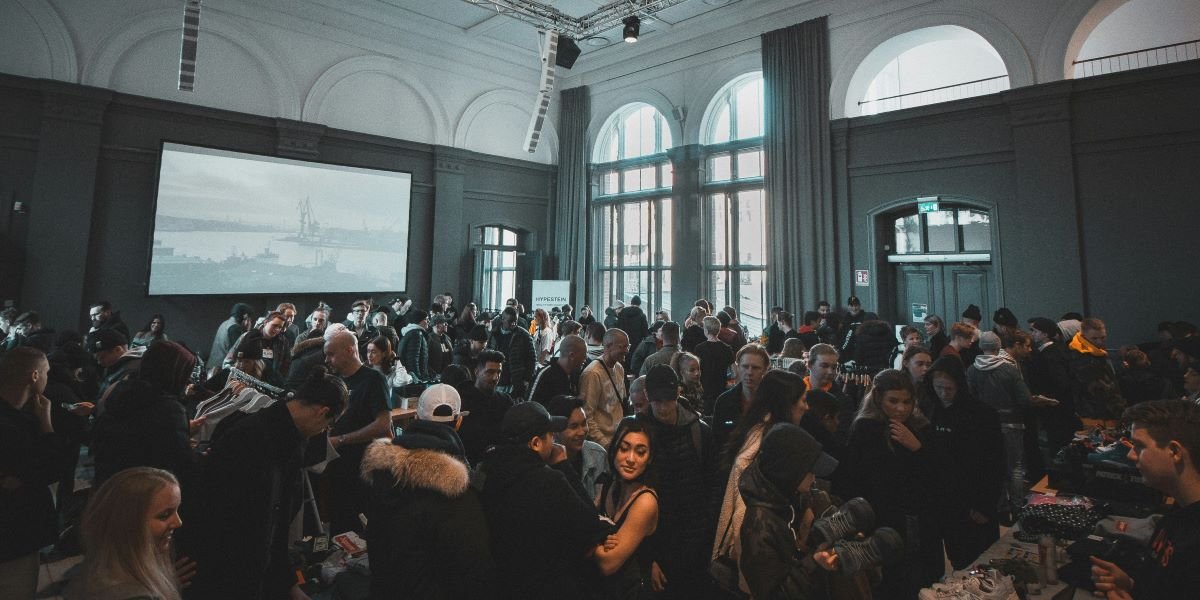
Atlanta’s Global Diaspora Connections Put Local Culture at the Center of International Conversation

Atlanta is using Global Diaspora Day to recognize the international communities that have helped shape the city’s cultural identity and strengthen its connections beyond Georgia.

The Atlanta City Council announced on July 23 that Councilmember Byron D. Amos would lead celebrations surrounding Global Diaspora Day, which Atlanta officially observes on July 25 following a City Council proclamation. The announcement places Atlanta’s African diaspora communities at the center of a broader conversation about cultural exchange, economic contributions, and international partnerships.

Key Takeaways

  • Atlanta officially observes Global Diaspora Day on July 25 following a City Council proclamation led by Councilmember Byron D. Amos.
  • Events connected to the observance include the T.R.E.E. Summit and a Global Diaspora Day Festival at Morris Brown College.
  • The Atlanta City Council says the city’s diaspora communities contribute to Atlanta’s social, economic, and cultural identity.
  • The observance reflects Atlanta’s longstanding connections with African and global communities and its role as an international cultural center.
  • Atlanta’s global identity increasingly intersects with local government, cultural institutions, economic development, and community life.

Atlanta Recognizes the Communities Behind Its Global Identity

The July 23 announcement from the Atlanta City Council described Global Diaspora Day as an opportunity to recognize the connections between Atlanta and communities around the world. The city’s official observance is centered on the African diaspora and its contributions to Atlanta’s identity.

Amos is scheduled to deliver keynote remarks at the T.R.E.E. Summit on July 24 before joining the Global Diaspora Day Festival at Morris Brown College on July 25. Both events are hosted by the Diaspora District.

The councilmember’s announcement also points to the scale of Atlanta’s African diaspora community. According to the City Council, the Atlanta metropolitan area is home to approximately 240,000 Black immigrants, making it one of the largest such populations among U.S. metropolitan areas.

That demographic presence gives the observance a significance that extends beyond a single day of programming. It highlights how migration, cultural exchange, entrepreneurship, education, and international relationships have become part of Atlanta’s civic and economic landscape.

Culture and International Connections Meet in Atlanta

Atlanta’s global connections are not limited to cultural celebrations. The city’s international profile also intersects with economic development and efforts to attract investment, businesses, and talent.

Invest Atlanta’s public information about the city’s demographics describes Atlanta as a diverse and growing city while highlighting its foreign-born population and the role of minority-owned businesses in the local economy.

The connection between Atlanta’s cultural identity and its economic ambitions is increasingly visible as the city hosts major international events and seeks to strengthen its position as a destination for global business. The city’s economic development authority has also described Atlanta as a globally connected city with strengths in entertainment, culture, entrepreneurship, innovation, and higher education.

For Atlanta’s diaspora communities, that global profile can create opportunities for cultural partnerships and economic relationships that extend beyond the city. The same networks that contribute to Atlanta’s cultural life can also connect local businesses, institutions, and organizations with communities abroad.

Why Global Diaspora Day Matters to Atlanta

The observance arrives at a time when Atlanta’s international identity is becoming increasingly visible. The city has long been associated with Black culture, civil rights history, music, entertainment, and entrepreneurship. Its growing diaspora communities add another layer to that identity by creating connections between Atlanta and cities and countries around the world.

Global Diaspora Day provides a civic platform for recognizing those relationships. The Atlanta City Council announcement said the observance is intended to celebrate the social, economic, and cultural contributions of diaspora communities while strengthening partnerships that connect Atlanta with the wider world.

That framing also reflects a broader shift in how cities define cultural influence. For Atlanta, international recognition is not only about attracting visitors or hosting major events. It is also about acknowledging the communities that already maintain connections across borders and contribute to the city’s daily cultural and economic life.

Atlanta’s Global Future Is Connected to Its Local Communities

The Global Diaspora Day observance illustrates how Atlanta’s international reputation is closely tied to the people and communities that call the city home.

As Atlanta continues to position itself as a center for culture, business, innovation, and international engagement, its diaspora communities remain an important part of that story. The July 25 observance offers a chance to recognize those connections while bringing cultural exchange and civic participation into the same conversation.

For a city with an established global profile and a diverse population, the significance of Global Diaspora Day extends beyond the events surrounding the observance. It reflects an Atlanta that increasingly sees its international relationships as part of its local identity—and its local communities as an important part of its global reach.

FAQs

What is Global Diaspora Day in Atlanta?

Global Diaspora Day is officially observed in Atlanta on July 25, 2026, following a proclamation led by Atlanta City Councilmember Byron D. Amos. The observance recognizes the African diaspora and its cultural, social, and economic contributions.

What events are planned for Global Diaspora Day?

According to the Atlanta City Council, Councilmember Amos is scheduled to deliver keynote remarks at the T.R.E.E. Summit on July 24 and participate in the Global Diaspora Day Festival at Morris Brown College on July 25. The events are hosted by the Diaspora District.

Why is Atlanta significant to the African diaspora?

Atlanta has a large and established Black immigrant population alongside its broader Black cultural and civic institutions. The Atlanta City Council says the metropolitan area is home to approximately 240,000 Black immigrants, contributing to the region’s cultural and economic diversity.

How does Atlanta’s diaspora community contribute to the local economy?

Diaspora communities contribute through businesses, entrepreneurship, cultural organizations, professional networks, and international relationships. These connections can also support broader opportunities for cultural exchange and economic engagement.

How does Global Diaspora Day fit into Atlanta’s international identity?

The observance highlights the relationship between Atlanta’s local communities and its global connections. It recognizes that the city’s international profile is shaped not only by major events and economic development but also by the residents and organizations maintaining cultural and economic ties across borders.

How Black Women Got Left Out of the HIV Conversation

By Kate Sarmiento

The statistics on Black women and HIV have been sitting in public health reports long enough that anyone claiming surprise at this point has simply not been paying attention. Black women make up 13% of the U.S. female population and account for nearly half of all new HIV diagnoses among women, with diagnosis rates running approximately 10 times higher than those of white women (Source: KFF, 2025). This is not a recent development. It is the result of a healthcare system that was not built with Black women in mind, and Status: Home, Atlanta’s largest and oldest permanent supportive housing nonprofit for people living with HIV, has been watching that gap grow while the broader conversation keeps finding ways to look past it. Maryum Phillips, President and CEO of Status: Home, is not interested in softening what that means. The people most affected by this crisis have been dealing with the consequences of a system that chose not to prioritize them, and the numbers show it.

The healthcare system has not treated everyone the same, and that shows up in these numbers too. Black patients consistently receive lower quality care, get dismissed more often by providers, and wait longer for treatment than white patients, even at the same income levels (Source: JAMA Network Open, 2022). That gap does not pause when the condition is HIV. Wage gaps and higher rates of housing instability leave Black women more likely to be uninsured or underinsured than their white peers, which puts real walls between them and consistent HIV care. The CDC confirms that concentrated poverty is one of the main drivers behind these diagnosis rates, which means this is not about personal choices (Source: CDC, 2023). The system was structured this way, and the institutions responsible for fixing it have been slow to move.

When the System Has Gaps, People Fall Through Them

Georgia sits near the top of every national HIV list, and Atlanta is one of the most affected cities in the country (Source: AIDSVu, 2024). Status: Home operates in that environment every year, housing close to 400 people living with or affected by HIV. What Phillips and her team have seen firsthand is that stable housing is not an add-on to HIV care. It is what makes HIV care possible in the first place. Someone cannot take their medication on a reliable schedule without a stable home to build that routine around. Doctor’s appointments stop happening when the more immediate problem is finding somewhere safe to sleep. People living with HIV who deal with housing instability are less likely to stick to their medication, less likely to reach viral suppression, and more likely to end up in the emergency room (Source: American Journal of Public Health, 2016). According to Status: Home’s own reporting, about 90% of its residents have reached viral suppression. Stable housing sits at the foundation of that outcome.

For Black women, these risk factors do not show up one at a time. Financial pressure, intimate partner violence, and housing instability build on each other, and together they create situations where HIV transmission risk goes up, including depending on relationships for basic needs and having less power to set the terms of those relationships (Source: CDC, 2023). Reaching this population requires care that is designed around those realities, not a general prevention message built for a different audience. That kind of care takes real, long-term investment, and the system has consistently been unwilling to make it in communities that do not have the political and financial power to force the issue.

Good Intentions Have Been the Plan Long Enough

Plenty of programs describe themselves as built for the community they serve. Fewer actually are. The absence of it has real consequences in treatment outcomes. Black women have been left out of HIV clinical trials, which means the guidelines doctors follow were built without their data (Source: Journal of Infectious Diseases, 2023). Whatever is missing from that data becomes something Black women have to sort out on their own, on top of managing an HIV diagnosis. When a care model is built without you, it simply does not work as well for you, and that has been the situation for a long time.

Black communities’ distrust of medical institutions is not a misunderstanding. It is a reasonable response to real history, including the Tuskegee Syphilis Study, the use of enslaved people in medical experiments, and current evidence that Black patients’ pain gets undertreated and their concerns get dismissed more often than white patients’ (Source: New England Journal of Medicine, 2021). Asking Black women to show up and trust the system without the system doing anything to earn that trust is not a public health strategy. What actually improves outcomes is care built around the specific circumstances of the people being served. Community health workers, peer support programs, and organizations accountable to the communities they work with have produced better results for Black populations in HIV prevention and treatment (Source: Open Forum Infectious Diseases, 2024). Status: Home builds everything around who its residents actually are: the housing, the healthcare connections, the on-site support. That is what makes the model work, and it is also what most standard HIV responses still have not figured out.

The Funding Reality Behind the Work

Status: Home’s funding comes largely from government sources, which reflects both the scale of this work and the sustained public investment it has earned. Phillips chairs the National HIV/AIDS Housing Coalition’s board, which has been pushing for housing to be officially recognized as a health intervention in federal policy rather than a social service. That distinction shapes how funding gets allocated, how reliably it flows, and how seriously the work gets treated when policy decisions get made. The difference between those two classifications is not a technicality. It determines whether organizations doing this work can plan ahead, grow, and serve more people.

Private giving for HIV housing has not kept up with the need, and the money is not going where the crisis is worst. Status: Home raised $26 million to purchase five properties in Atlanta and expand permanent housing for people living with HIV, which is a real achievement and a clear sign that when people understand what this work is doing, they back it. The question is whether that backing becomes consistent rather than something each organization has to fight for on its own.

If the Urgency Still Is Not Clear, Read These Numbers Again

Black women account for nearly half of all HIV diagnoses among U.S. women, at a rate approximately 10 times higher than white women, and the response to that reality has not matched what those numbers call for (Source: Howard University, 2025). What Status: Home has shown in Atlanta is that permanent housing, combined with real healthcare access and community support, produces results that hold up. The roughly 90% viral suppression rate the organization reports among its residents is the kind of outcome that should be the standard, not the exception.

Status: Home shares its housing programs, advocacy work, and HIV funding priorities through its website. For Atlanta’s philanthropic, healthcare, and policy communities, the conversation Maryum Phillips is ready to have is the one this city has needed for a long time. Permanent housing, targeted funding, and care designed around the people most affected are not extras in a serious HIV response. They are the whole point, and Status: Home has been proving that since 1988.

Disclaimer: This article is provided for general informational and public awareness purposes only. It is not intended as medical advice or as a substitute for professional diagnosis, treatment, or guidance. Individuals seeking information about HIV testing, prevention, treatment, or related health concerns should consult a qualified healthcare professional.