
AnteAGE MDX Biosome and Regenerative Skincare in the GCC

Regenerative skincare has become a growing segment within aesthetic medicine, particularly in markets where non-surgical procedures are expanding at a steady pace. Clinics in the Gulf region have increasingly added post-procedure care products that focus on skin recovery, barrier support, and longer-term improvement in skin quality. This shift has been linked to the wider use of procedures such as microneedling, laser resurfacing, and platelet-based treatments, all of which place emphasis on healing response and controlled tissue repair rather than immediate cosmetic change.
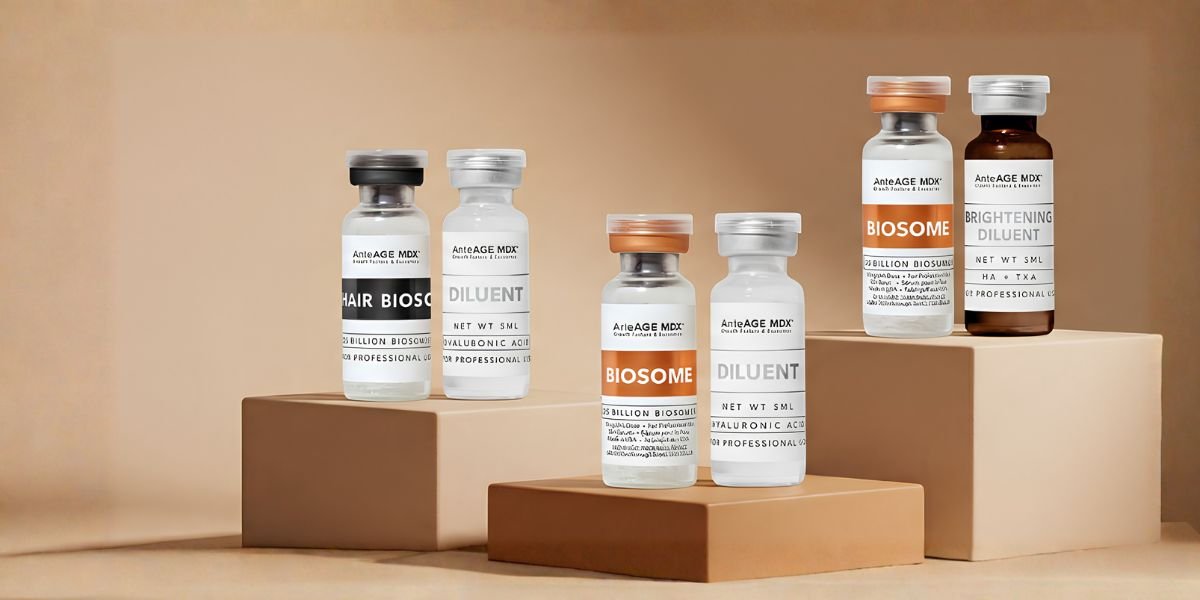
Within this context, regenerative skincare lines have started to gain a more defined role in clinical settings. These products are not positioned as standalone treatments but as part of broader protocols used before and after procedures. The category includes formulations designed to support the skin’s natural recovery processes following controlled injury from aesthetic devices. One product that has entered this space is AnteAGE MDX Biosome, developed by Cellese Regenerative Therapeutics in the United States and distributed in the Gulf region through DUBIMED, officially Dubimed Medical Supplies Trading LLC.
What Biosome Delivery Technology Is Designed to Do
AnteAGE MDX Biosome is built around what the manufacturer describes as Biosome delivery technology. The system is based on biomimetic vesicles that are designed to carry signaling molecules into the skin. These vesicles are intended to mimic certain aspects of cellular communication observed in bone marrow-derived mesenchymal stem cell activity. The formulation is positioned as an adjunct to clinical procedures rather than a replacement for them, intended for use during the recovery period that follows treatment.
Where AnteAGE MDX Sits in Post-Procedure Care
In clinical use, AnteAGE MDX is generally positioned within post-procedure care routines. It is used following treatments such as microneedling, fractional laser procedures, and other resurfacing techniques that create controlled micro injury to the skin. These procedures rely on the body’s natural healing response to stimulate collagen production and improve skin texture over time. The role of regenerative skincare in this setting is to support recovery and maintain a stable environment for healing.
The MDX designation refers to the professional-grade version of the product line. It is typically used under clinical supervision rather than in general consumer settings. This distinction is important in aesthetic medicine, where product application often depends on practitioner-controlled protocols. In many clinics, MDX products are integrated into structured treatment plans that extend beyond the procedure itself and into the recovery phase that follows.
Cellese Regenerative Therapeutics, the company behind AnteAGE, frames its products in the wider area of regenerative skincare. The focus is not just on what sits on the skin’s surface, but on what is happening underneath it during recovery. It looks at how skin cells communicate and respond after treatments or minor injury.
Most regular skincare products mainly deal with hydration or visible texture. AnteAGE MDX is positioned differently. It is used more as part of the skin’s healing phase, where the goal is to support how the skin repairs and settles after a procedure.
How DUBIMED Distributes Regenerative Skincare in the Gulf
In the Gulf region, DUBIMED plays a distribution role for AnteAGE MDX Biosome. The company is based in Dubai and operates across the GCC market. Since its establishment in 2016, it has focused on distributing medical and aesthetic devices along with supporting services such as clinical training and biomedical servicing. Its involvement with regenerative skincare products reflects a broader trend in the region where distributors are increasingly engaged in both product supply and clinical implementation support.
The use of regenerative skincare in the GCC is closely linked to the growth of aesthetic procedures that require post-treatment recovery support. As clinics expand their use of energy-based devices and minimally invasive procedures, there is a parallel demand for products that help manage downtime and support skin recovery. In this environment, products like AnteAGE MDX are positioned as adjuncts rather than primary treatments.
Regenerative Skincare Use Varies by Procedure Type
Clinical application varies depending on the procedure performed. After microneedling, for example, regenerative skincare may be applied during the early healing phase when the skin barrier is temporarily compromised. In laser based treatments, it is applied during the recovery window as part of the clinic’s aftercare routine. In PRP based protocols, it is sometimes incorporated into combination approaches alongside the primary treatment.
The wider adoption of regenerative skincare also reflects a shift in patient expectations. In many Gulf markets, patients increasingly prefer treatments with shorter downtime and more predictable recovery patterns. This has led clinics to place greater attention on post procedure care protocols. Rather than focusing only on the device used during treatment, practitioners are now considering the full cycle of care from procedure to recovery.
What DUBIMED’s Clinical Support Role Looks Like
DUBIMED’s role in this segment includes distribution of AnteAGE MDX Biosome along with clinical support for its use in practice. This includes training for practitioners on how the product fits within existing treatment protocols. It also involves coordination with clinics that integrate regenerative skincare into their procedural workflows. The company operates as part of a broader supply chain that connects international manufacturers with aesthetic medicine providers across the region.
Regenerative skincare continues to take shape as a distinct area within aesthetic medicine. The approach still depends on the procedure that comes first, though clinics increasingly treat the recovery stage as part of the protocol rather than an optional extra. Products like AnteAGE MDX Biosome reflect how much attention clinics now give to that recovery stage.
Further detail on DUBIMED’s distribution activities across the region is available through the company’s website.
Disclaimer: This article is provided for general informational purposes only and does not constitute medical advice, diagnosis, or a recommendation or endorsement of any product, treatment, or procedure. Product suitability, treatment protocols, safety, recovery, and results may vary by individual. Patients should consult a qualified and licensed medical professional before using any professional skincare product or undergoing an aesthetic procedure.