What Is a Burn Injury Claim Worth? Estimating Economic and Non-Economic Damages

A burn covering a large portion of the body can send a person to a specialized care unit for weeks. Medical bills for a serious burn can put a serious strain on a person’s finances, especially when they have to take unpaid leave from work to recover.

There is no standard price tag for a burn injury. A personal injury attorney can help in these cases by gathering medical records, working with treating physicians and life care planners, identifying every party who may share responsibility, and putting a documented number on a person’s immediate losses and their expected expenses in the future. Insurance companies rarely pay the full value of a burn injury claim up front, which is why strong legal representation is a must in cases like these.

Common Causes of Burn Injuries

Burn injuries can happen in settings that most people pass through every day. Vehicle accidents are a frequent cause. A collision can rupture a fuel line, ignite spilled gasoline, or trap a person inside a burning vehicle. Airbag deployment can also cause chemical burns and friction burns.

The oil and gas industry carries its own set of risks. Refineries, drilling sites, pipelines, and processing plants handle flammable materials under pressure, and a single ignition source can cause a flash fire or explosion that can injure workers across a wide area. Poor maintenance, gas leaks, failed pressure relief systems, and inadequate training have all contributed to catastrophic industrial fires.

Other causes include defective products such as overheating lithium-ion batteries, space heaters, and pressure cookers. Building fires traced to faulty wiring, missing smoke alarms, or blocked exits can injure tenants and guests. Each incident points toward a different set of responsible parties, which is one reason an early investigation can affect the value of the claim.

What Are the Immediate Costs Associated With Burn Injuries?

The first phase of a burn claim is usually the most expensive. Severe burns often require ambulance or helicopter transport to a regional burn center, followed by intensive care. Treatment can include fluid resuscitation, wound debridement, skin grafts, breathing support after smoke inhalation, and aggressive infection control. The length of a hospital stay for serious burns is usually estimated at a day for every one percent of the body affected.

Alongside the hospital bills come costs that are easy to overlook. Prescription pain medications, specialized dressings, compression garments, and follow-up visits will all result in expenses that can add up quickly. Family members often travel long distances to reach a burn center, and some may need to take unpaid leave to help at home.

Lost wages are sometimes overlooked next to line-item bills, but they can be included as losses in a burn injury claim. An injured worker who cannot return to employment for several months may lose base pay, overtime, and bonuses, and in some cases, they may lose their employer-provided health coverage at the moment it is needed most. Pay records, tax returns, and a letter from the employer can help establish this portion of the claim.

Understanding the Long-Term Costs of a Burn Injury

Treatment for severe burns is almost never a one-and-done hospital visit. Scar tissue contracts as it heals, and contractures across a joint can limit motion in a hand, elbow, shoulder, or neck. Correcting that damage often takes a series of reconstructive and scar revision procedures over multiple years. Children who suffer burns may need repeated surgeries as they grow.

Ongoing care can include physical therapy, laser treatment for scarring, replacement pressure garments, and mental health treatment for post-traumatic stress, anxiety, or depression. Some survivors may need home modifications, adaptive equipment, or paid attendant care.

Reduced earning capacity is often the largest single number in a serious burn claim. A person who worked in construction, food service, or an industrial setting may no longer be able to tolerate heat, sun exposure, or long hours on their feet. This can limit the income they will be able to earn in the future.

Even a survivor who can return to work may need to accept lower pay or a different career path. Economists and vocational experts can compare a person’s likely lifetime earnings before and after the injury, then reduce that gap to a present value figure. A life care plan does the same for future medical costs, itemizing expected procedures, therapy, equipment, and medications.

How Do You Quantify Pain and Suffering in a Burn Injury Case?

Non-economic damages cover harm that can’t be easily added to the end of an invoice or receipt. Burn injuries are widely described as among the most painful injuries in medicine, and the pain does not stop when the wound heals. Many survivors live with chronic nerve pain, relentless itching, and sensitivity to heat and cold.

Disfigurement is another issue that is hard to express as a dollar figure. Visible scarring on the face, neck, arms, or hands can change how a person is treated in public and how they feel at work, at school, and around family. Adjusters and juries may consider the location and visibility of the scarring, the age and occupation of the injured person, and whether further treatment can improve their appearance.

Two methods are commonly used to put a number on these losses. The multiplier method takes the economic damages and multiplies them by a figure reflecting the severity of the injury. The per diem method assigns a daily value to the suffering and multiplies it by the expected duration. Neither method controls the outcome, and both are only starting points. Evidence tends to carry more weight than arithmetic. Treatment records, photographs taken throughout healing, and statements from family members and treating providers can give a claim a level of detail that goes beyond standard formulas.

Can Burn Injury Victims Pursue Punitive Damages?

Punitive damages are available in many states, and they serve a different purpose than the categories above. Rather than reimbursing the injured person, they are meant to punish conduct that the law treats as especially serious. Ordinary carelessness does not qualify. The conduct generally has to involve gross negligence, recklessness, malice, or conscious disregard for the safety of others.

Burn cases sometimes involve that kind of conduct. A company that ignored repeated safety citations, a manufacturer that knew about a fire risk and sold a product anyway, a landlord who disabled smoke alarms, or an intoxicated driver who caused a fiery collision could all be potentially held liable for punitive damages.

The rules vary considerably from one state to the next. Some states cap punitive awards, some require clear and convincing evidence, and some direct a share of the award to a state fund. Anyone seeking compensation for severe burns should speak with an injury attorney who can review the facts, explain the filing deadlines that apply, and provide guidance on whether punitive damages are realistic.

Disclaimer: This article is for general informational purposes only and does not constitute legal advice. Burn injury claims, damages, and filing deadlines vary by jurisdiction and individual circumstances. Consult a qualified attorney for advice regarding a specific case.
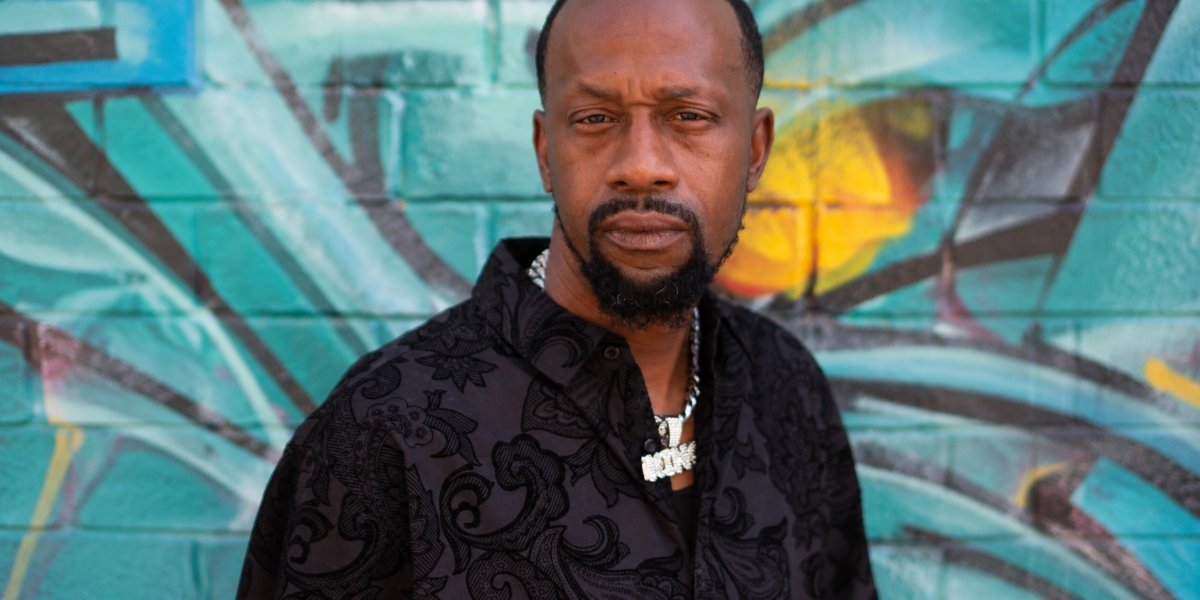

J-Dubb Tha King Is Building His Next Chapter on Passion, Purpose and Real-Life Music

By: Mark Bailey

For J-Dubb Tha King, music has never simply been about making records. It is personal. It is emotional. And, perhaps most importantly, it is meant to connect.

“I represent the people,” J-Dubb says. “I’m a very eccentric, passionate artist. I put my real life and real feelings into my music, and it relates to the people and engages with them.”

That connection is becoming increasingly important as the independent artist enters what he describes as one of the most monumental periods of his career. With a growing team, expanding visibility, new music and bigger goals ahead, J-Dubb is positioning himself for a new level of recognition within the industry.

A Career Gaining Momentum

The road to this point didn’t happen overnight, but several recent developments have helped shift the trajectory of J-Dubb’s career. “This year has been very monumental in my career, starting with the representation of my publicist, Desirae L. Benson, who has been wonderful in positioning me on big stages like the various red carpet events I attended during the BET Awards weekend,” he says.

Those opportunities have also allowed him to expand his industry relationships and creative résumé. Among the highlights has been the opportunity to produce and perform with Yukmouth of the legendary hip-hop group The Luniz.

Now, with Ryan Katz handling booking and management, J-Dubb sees an even greater opportunity to build upon that momentum. “We’re taking my career to the next level,” he says. Turning Real Life Into Music.”

J-Dubb’s creative process doesn’t follow a strict formula. A beat can spark an idea. So can lyrics, a personal experience, or simply a feeling. “Literally all of the above,” he explains. “I can’t say that one comes before the other. It really just depends on the mood, the environment, and the motivation. They all go hand in hand.”

What remains consistent is his willingness to draw from his own experiences. “A lot of my music is based on real-life emotions and situations,” J-Dubb says. “I put it all together because it might help someone going through a similar situation.”

That philosophy also shapes what he wants listeners to take away from his current music. Whether someone needs encouragement, motivation, or a song that makes them think about someone special, the goal is to create an experience that leaves them feeling good.

For J-Dubb, that emotional connection is part of the purpose behind creating.

Photo Courtesy: JDubb

Determination, Drive and Passion

Talent may open doors in the music business, but longevity often requires something more. J-Dubb points to three things that have carried him through periods when his career wasn’t progressing as quickly as he wanted: determination, drive and passion.

“Music is embedded in my DNA,” he says. “And since it’s a form of therapy, passion always motivates and drives me. ”That perspective has helped him remain focused on the bigger picture rather than allowing temporary setbacks to define his journey.

And while he wants his artistry to be remembered, J-Dubb also wants audiences to understand the man behind the music. “I’m pure at heart,” he says. “I’m a very humble individual and very family-oriented. I try to enjoy every day like it’s my last, whether with my family or on stage.”

Creating Music That Outlives the Moment

As his career expands, J-Dubb already has a wish list of artists and producers he hopes to work with someday. Snoop Dogg, E-40, Musiq Soulchild, Lola Brooke and October London are among the artists on his list, while Battlecat, Timbaland and Swizz Beatz are producers he would welcome the opportunity to create alongside. But he isn’t interested in collaborations simply for the names attached to them. His vision is bigger.

“We would create timeless, generational music that our kids’ kids could still play forever,” he says. That focus on longevity aligns with how J-Dubb defines success. His fundamental vision hasn’t changed; what has changed is the infrastructure surrounding it.

“My vision for success remains the same,” he says. “Moving forward, I want to leverage my team to bring that vision to life on a much larger scale.”And he has already placed a major goal on the calendar: a charting single in 2027. Beyond the charts, he has his sights set on becoming a household name.

Photo Courtesy: JDubb

What Comes Next

For J-Dubb Tha King, the next chapter is already underway. “Just be on the lookout for great music,” he says. Alongside upcoming music, he has launched an official merchandise store, giving supporters another way to connect with the J-Dubb Tha King brand. His official website also serves as the central destination for his music, social platforms and exclusive releases.

But underneath the expanding brand, growing team, and ambitious career goals remains the same foundation that J-Dubb says has guided him all along: real experiences, real emotion, and a genuine connection with the people listening.

The stages may be getting bigger, but J-Dubb Tha King’s mission remains personal: make music people can feel, build something that lasts, and leave behind more than a moment.

Find out more about J-Dubb’s upcoming events and more by visiting his website. For media and publicity requests, contact Desirae L. Benson.

How New Churches Can Start Community Outreach From Day One And Why It Matters

Key Points

  • New churches don’t need large congregations, big budgets, or established programs before they can start serving their communities.
  • Dino Rizzo’s work with ARC and Servolution shows how outreach can become part of a church’s culture from the beginning.
  • Starting with simple, practical service can help new churches build relationships and understand what their communities actually need.

Launching a church comes with a long list of priorities. There are teams to build, services to plan, finances to manage, and people to reach. As ARC churches prepare for Launch Day, community outreach is another priority worth considering from the very beginning. It doesn’t require a large budget or hundreds of volunteers. Starting small can help make serving part of a church’s identity rather than something added once everything else is established.

Serving Doesn’t Have To Wait

There’s an understandable temptation for new churches to wait until they have more people, money, or resources before taking on outreach projects. But serving people doesn’t always require much of any of those things.

Dino Rizzo, co-founder of the Association of Related Churches (ARC) and founder of Servolution, has spent decades encouraging churches to identify needs and find practical ways to meet them. That approach can work just as well for a newly launched church as it does for one with thousands of members.

Even a small group of volunteers can clean up a neighborhood, provide meals, help a local school, or support a community organization. What matters most is simply getting started.

Start By Finding Out What The Community Needs

A new church may be new to the area, but the community itself isn’t. Schools, nonprofits, food banks, shelters, and other local organizations are already doing work and understand many of the challenges people are facing. Church planters can start by talking to them.

Ask what they need. Find out where volunteers could help. Look for something realistic that the church can consistently support. This also prevents a new church from assuming it knows what people need. A service project has more value when it responds to an actual need rather than simply giving volunteers something to do.

Simple Outreach Can Still Have An Impact

A newly launched church doesn’t need to organize a major community event to start serving.

Outreach could include:

  • collecting supplies requested by a local school,
  • volunteering with a food bank,
  • helping an elderly resident with yard work,
  • preparing meals for families going through difficult circumstances,
  • cleaning a park or neighborhood,
  • or partnering with an established nonprofit on one of its existing projects.

These projects give people an opportunity to serve together without requiring a large budget or complicated planning.

They can also help a new congregation learn something important: everyone has something they can contribute. Some people can give money, while others can give time, skills, connections, transportation, or an extra pair of hands.

Build The Culture From Day One

The habits a church develops early can shape what becomes important later. If serving is part of church life from launch, new members are introduced to that expectation from the beginning. Outreach becomes something the congregation does together rather than a separate program introduced years later.

This is also central to the wider idea behind Servolution. Practical service isn’t meant to be limited to one annual event. It can become part of how people notice needs, respond to others, and participate in their community throughout the year. For a new church, that culture can begin with its first group of volunteers.

Outreach Helps A New Church Know Its Community

Serving also gives church planters and members a reason to get outside the walls of their new church and meet the people around them. Working alongside a school, nonprofit, local organization, or neighborhood introduces church members to people they may not otherwise meet. It also gives them a better grasp of the challenges and needs within the area.

A church that consistently shows up and helps where it can has an opportunity to become a dependable part of its community. As the church grows, its ability to serve can grow with it. The projects may become bigger, and more people may get involved, but the principle stays the same: notice what people need and find a way to help.

Key Takeaways

  • Talk to schools, nonprofits, and community leaders before deciding where your new church can be most useful.
  • Start with service projects that match the people, time, skills, and resources your church already has.
  • Make outreach part of church life from launch, so serving grows alongside the congregation.

About Dino Rizzo

Dino Rizzo is a co-founder of the Association of Related Churches (ARC) and founder of Servolution. A longtime pastor, author, and ministry leader, his work has focused on helping churches reach people and serve their communities through practical outreach.

About Servolution

Servolution is a movement focused on helping churches develop a culture of service through practical, community-centered outreach. Through partnerships, resources, and service initiatives, Servolution encourages churches to identify needs and mobilize people to meet them with consistent, hands-on service.