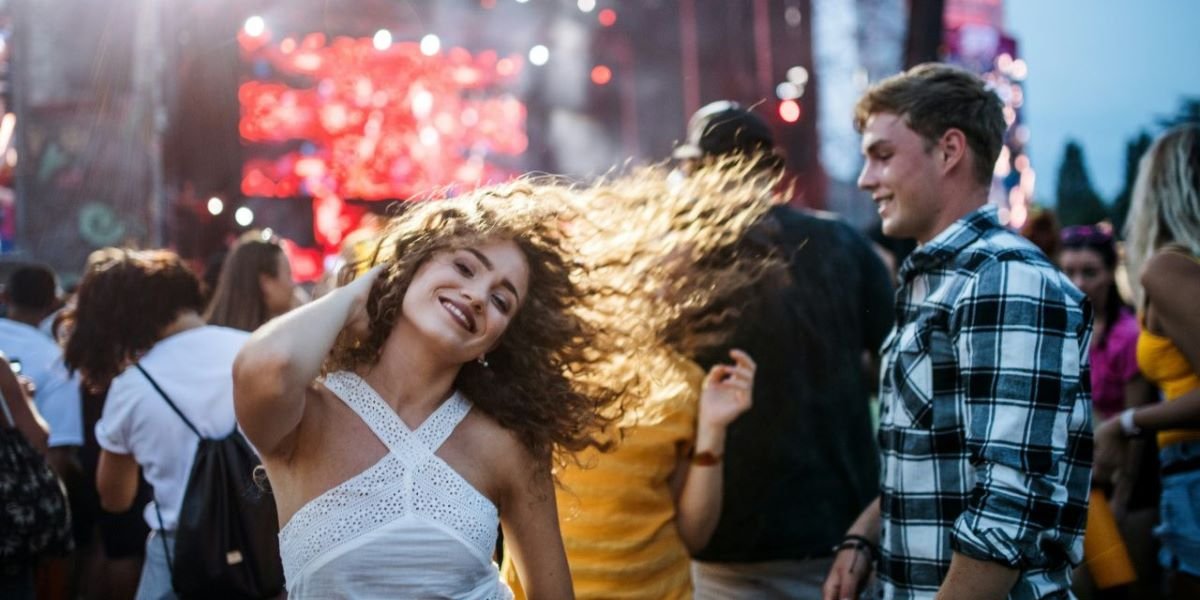
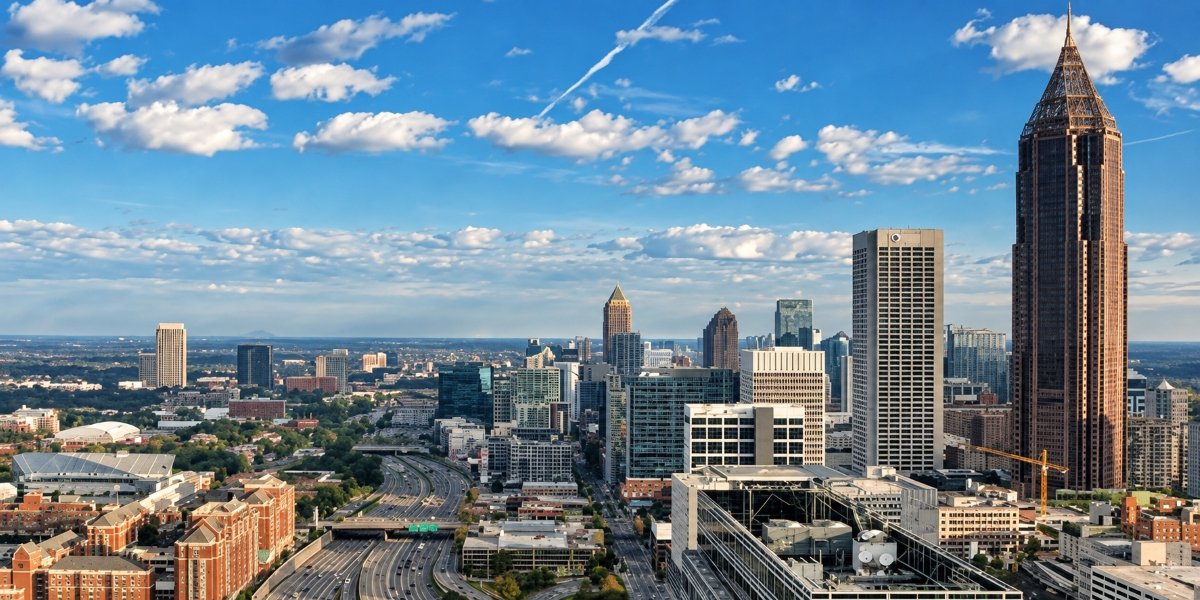
Shaky Knees Music Festival concluded its 13th edition on Sunday, September 20, at Piedmont Park in Midtown Atlanta after a three-day run headlined by The Strokes, Twenty One Pilots, and Gorillaz that drew tens of thousands of attendees and was punctuated by a severe weather evacuation that cut Saturday’s schedule short.
Key Takeaways
- Shaky Knees 2026 ran September 18–20 at Piedmont Park in Midtown Atlanta, featuring more than 60 artists across four stages spanning indie rock, post-punk, hip-hop, and electronic music.
- The Strokes headlined Friday, Twenty One Pilots closed a weather-shortened Saturday, and Gorillaz performed the festival’s final set Sunday night.
- Severe storms forced an evacuation of Piedmont Park on Saturday evening just before 7 p.m., canceling all remaining acts except Twenty One Pilots, who returned for a shortened set after doors reopened at 9:20 p.m.
- Sunday’s lineup included Wu-Tang Clan, LCD Soundsystem, Modest Mouse, Japanese Breakfast, and Violet Grohl, with the festival wrapping around 10:30 p.m. despite lingering storm threats.
- Attendees criticized festival organizers’ communication during Saturday’s evacuation, calling for clearer emergency protocols at future events.
Friday Opened With Scorching Heat and The Strokes Closing the Peachtree Stage
Gates opened at 4 p.m. on Friday, September 18, with performances spread across four stages: Peachtree, Piedmont, Ponce de Leon, and Criminal Records. The afternoon lineup eased attendees into the weekend with Ben Howard and Cartel occupying the early time slots before the energy escalated through the evening. Fontaines D.C. debuted a new song during their set on the Piedmont Stage, while Brooklyn-based rockers Geese paid tribute to late Atlanta rapper Rich Homie Quan during their performance, a nod to the city’s deep musical roots that connected the guitar-driven festival bill to Atlanta’s broader cultural identity.
Turnstile delivered one of Friday’s standout sets, with the Baltimore hardcore band drawing a dense, physical crowd that spilled beyond the Piedmont Stage’s viewing area. Danny Elfman, the composer known for his film scores and work with Oingo Boingo, brought a theatrically charged set to the Ponce de Leon Stage. The Strokes closed Friday night on the Peachtree Stage, drawing the day’s largest audience with a setlist that leaned into their catalog of early 2000s anthems. The temperature throughout Friday ran high, and the heat became a recurring factor across all three days, with organizers reminding attendees to hydrate and seek shade between sets.
Saturday’s Severe Weather Forced a Park-Wide Evacuation
Saturday, September 19, began under the same punishing heat before shifting dramatically in the early evening. The day’s undercard featured Pierce the Veil, The Prodigy, Pavement, Peach Pit, Taking Back Sunday, and Minus the Bear across the afternoon and early evening hours. Blood Orange, the project of multi-instrumentalist Dev Hynes, was mid-performance on the Piedmont Stage when the sound cut out and screens across the festival grounds began projecting severe weather warnings. Lightning cracked over the park, and heavy rain followed within seconds.
Festival organizers issued an evacuation order just before 7 p.m., directing attendees to exit Piedmont Park through the nearest gates. The scene that followed drew sharp criticism from ticketholders. Roads surrounding the park flooded rapidly, and attendees described ankle-deep water, limited shelter options, and what several called chaotic crowd management during the exit. Pam Hayes, a VIP ticketholder who traveled from Augusta, described police “screaming at everybody” to leave. Haylee Solomon, who drove from South Carolina for the festival, called the evacuation “next level” chaos.
Organizers announced just after 8:45 p.m. that the grounds were being prepared for reopening. Doors reopened at 9:20 p.m., with Twenty One Pilots confirmed as the only remaining act. The headlining duo performed a shortened set that ended at 11 p.m. Every other scheduled Saturday performance after the evacuation was canceled, including sets that had been building momentum through the afternoon.
Attendees Pushed Back on Festival Communication During the Evacuation
In the hours and days following Saturday’s weather disruption, attendees voiced frustration with how Shaky Knees communicated during the evacuation. Criticism centered on the gap between the initial evacuation alert and subsequent updates, the lack of designated shelter areas near the park, and the confusion surrounding whether the festival would resume at all. Several attendees told Atlanta News First that they spent the evacuation period with no clear guidance from organizers beyond a social media post, and those without strong cell service inside the park struggled to receive updates in real time. Festival organizers did not publicly address the communication complaints, though they thanked attendees for their patience in the reopening announcement.
Sunday Delivered Legacy Acts and a Gorillaz Closing Set
Sunday, September 20, opened earlier and brought a lineup built around legacy acts and rising names. Violet Grohl, the daughter of Foo Fighters frontman Dave Grohl, opened the Piedmont Stage in the early afternoon. The day’s middle tier included Japanese Breakfast, Modest Mouse, Santigold, Knocked Loose, and Bone Thugs-N-Harmony, each occupying distinct genre lanes that underscored the festival’s range beyond its rock-forward reputation.
Wu-Tang Clan’s set on the Peachtree Stage became one of the weekend’s defining moments. Led by RZA, the New York collective performed a catalog-spanning set heavy on nostalgia and crowd participation, with attendees across the field throwing up the group’s signature hand sign. Wu-Tang Clan is set to be inducted into the Rock and Roll Hall of Fame later this year, and the Shaky Knees performance carried the weight of a victory lap. LCD Soundsystem followed with a set that leaned into their dance-punk catalog, bridging the gap between Wu-Tang’s raw energy and the evening’s closing act.
Gorillaz took the Peachtree Stage as the festival’s final headliner, with frontman Damon Albarn opening with “Casablanca” before moving through “Last Living Souls” and “On Melancholy Hill.” Albarn repeatedly moved into the audience during the set, and the performance included special guests and moments of political commentary woven into the music. Weather warnings reappeared around 7:30 p.m., with distant lightning visible on the horizon, but the rain held off. Gorillaz played until approximately 10:30 p.m., closing the festival’s 13th edition under clearing skies.
Shaky Knees Continues to Anchor Atlanta’s Fall Music Calendar
Founded in 2013 by Tim Sweetwood, Shaky Knees has grown from a boutique rock festival into one of the Southeast’s marquee annual music events. The 2026 edition featured more than 60 artists across three days, with three-day general admission passes priced at $375 and VIP packages selling out in advance. The festival’s footprint in Piedmont Park, located in the heart of Midtown Atlanta, creates significant traffic impact along Piedmont Avenue, Monroe Drive, 10th Street, and 14th Street, with additional congestion on the Downtown Connector during peak arrival and departure hours. Transportation officials encouraged attendees to use MARTA, which provides direct access from Midtown stations.
Shaky Knees’ continued presence in Piedmont Park reflects both the festival’s commercial viability and Atlanta’s deep-rooted independent music infrastructure, which has supported live performance culture across the city’s neighborhoods for decades. The 2026 edition’s blend of legacy headliners, genre-crossing mid-tier acts, and emerging artists maintained the curatorial identity that has distinguished Shaky Knees from larger, more commercially driven festival circuits. Whether the festival addresses the Saturday evacuation’s communication gaps ahead of its 14th year remains an open question for returning attendees.
FAQs
When Did Shaky Knees 2026 Take Place?
Shaky Knees 2026 ran Friday through Sunday, September 18–20, at Piedmont Park in Midtown Atlanta. Gates opened at 4 p.m. on Friday, with earlier start times on Saturday and Sunday.
Who Headlined Shaky Knees 2026?
The Strokes headlined Friday, Twenty One Pilots closed Saturday after a weather delay, and Gorillaz performed the festival’s final set on Sunday night. Wu-Tang Clan and LCD Soundsystem were also featured prominently on Sunday’s bill.
What Happened With The Weather At Shaky Knees 2026?
Severe storms forced a full evacuation of Piedmont Park on Saturday evening just before 7 p.m. Heavy rain and lightning canceled all remaining Saturday acts except Twenty One Pilots, who performed a shortened set after doors reopened at 9:20 p.m. Sunday also saw weather warnings around 7:30 p.m., but the rain held off and Gorillaz completed their closing set.
How Many Artists Performed At Shaky Knees 2026?
More than 60 artists performed across four stages: Peachtree, Piedmont, Ponce de Leon, and Criminal Records. The lineup spanned indie rock, post-punk, hip-hop, electronic, and alternative music.
Where Is Shaky Knees Held?
Shaky Knees takes place at Piedmont Park in Midtown Atlanta. The park is accessible via MARTA from Midtown stations. Roads surrounding the park, including Piedmont Avenue, Monroe Drive, 10th Street, and 14th Street, experience heavy congestion during the festival.