Atlanta Climate Week 2026 Runs October 10–15 With an Innovation Summit at SCADshow and a Citywide Resilience Roadshow

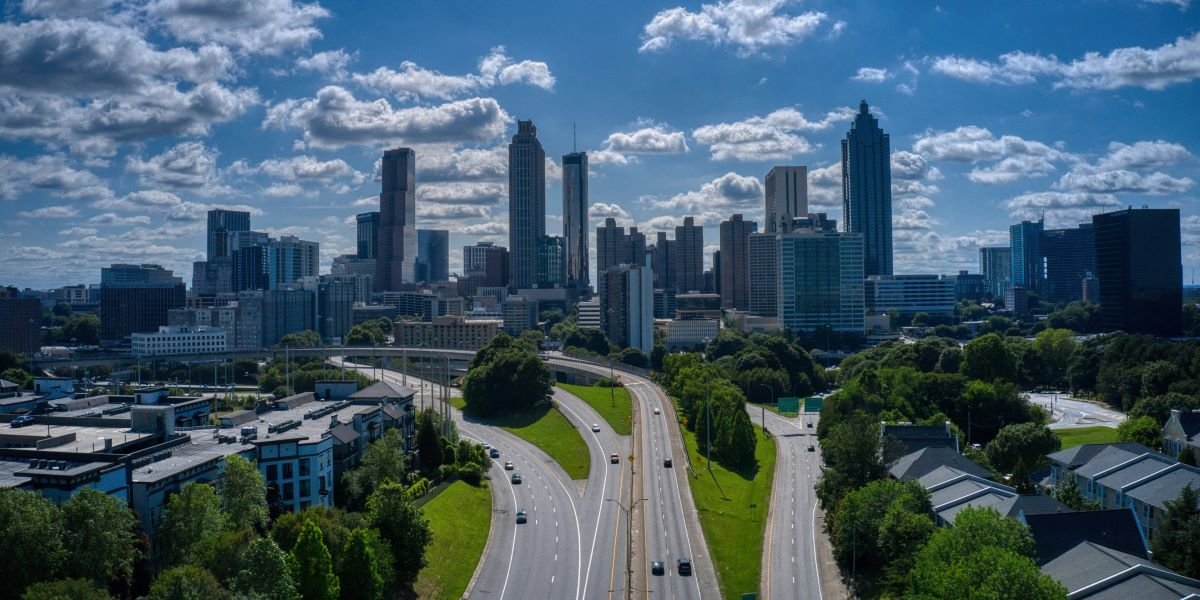
Atlanta is hosting its first Climate Week from October 10 to October 15, 2026, with community-led programming across the metro area. The centerpiece is a daylong Innovation Event at SCADshow on Monday, October 12. The week closes Thursday with a roadshow for the city’s first Climate Resilience Action Plan.
Key Takeaways
- Atlanta Climate Week’s keynote Innovation Event runs Monday, October 12, from 9 a.m. to 4 p.m. at SCADshow, 1470 Spring Street NW, with six panels.
- The week is part of the global Climate Week Network, which links more than 30 climate weeks worldwide.
- The Mayor’s Office of Sustainability and Resilience hosts a Climate Resilient ATL Roadshow on October 15 for the city’s first community-led, data-driven Climate Resilience Action Plan.
- Atlanta’s stated goals include 100% clean energy for all residents by 2035 and a 59% greenhouse gas reduction by 2030.
- City tracking data from August 2026 showed a 21% emissions cut from 2019 levels, below the interim 25% target for 2025.
- The documentary “A Resilient Future” premiered October 11 at the Tara Theatre on Cheshire Bridge Road.
A First Climate Week Built Around Atlanta’s Own Targets
Atlanta Climate Week arrives with a clear yardstick. Organizers tied the six days of programming to the city’s published climate and resilience goals rather than to broad global themes. Those goals include 100% clean energy for all Atlantans by 2035 and a 59% cut in greenhouse gas emissions by 2030, on the way to net zero by 2050. They also call for fresh, affordable food within a half-mile of every resident by 2030, a lower energy burden for the city’s most vulnerable households, and a connected, multimodal transportation system.
Anchoring the week to those targets gives it practical weight. The city is behind schedule on emissions. City tracking data cited by SaportaReport showed Atlanta had reduced greenhouse gas emissions 21% from 2019 levels as of August 2026, short of the interim 25% goal set for 2025. Atlanta Climate Week effectively opens with a gap to close, which turns the programming into a working session rather than a celebration alone.
Atlanta’s Chief Sustainability Officer, Chandra Farley, described the city as “one of the most dynamic climate and clean-energy hubs in the country.” She said the inaugural week will put the work of local founders, organizers, and advocates on display.
The Innovation Event Puts Six Sectors on One Stage
The keynote of Atlanta Climate Week is a daylong Innovation Event on Monday, October 12, at SCADshow in Midtown. Farley delivers a keynote before six panels covering sustainable business, healthy and resilient communities, sustainable fashion, mobility and transportation, the built environment, and the influence of entertainment and sports.
The panel list reads like a map of the regional economy. Dr. Quinta Warren, senior director of sustainability at Hartsfield-Jackson Atlanta International Airport, joins the mobility discussion alongside Terry Travis of EVNoire. The built-environment panel brings together Sam Culpepper of the Southface Institute and Adelaide Steedly of Atlanta Housing. SCAD associate dean Jens Kaeumie represents the fashion school on the sustainable fashion panel. Several of the region’s larger corporate employers also have sustainability leads on the program.
The format suits a city whose growth depends on research institutions and new technology. Atlanta’s innovation economy is drawing major commitments, including more than $1 billion that Emory University and Georgia Tech have committed to building Atlanta’s AI ecosystem. Climate work increasingly runs through the same labs, startups, and talent pipelines.
Neighborhood Programming Runs From the BeltLine to Lake Allatoona
Atlanta Climate Week describes itself as decentralized and community-led, and the schedule reflects that. The opening weekend included a BeltLine community action day on October 10 and a short nature hike at Red Top Mountain State Park on Lake Allatoona on October 11, followed by a plant-based community potluck.
The documentary “A Resilient Future” premiered Sunday, October 11, at the Tara Theatre, followed by a live Q&A. The film looks at how nearby landscapes can contribute to the planet’s recovery, a theme that connects directly to Atlanta’s tree canopy.
Flooding gets its own spotlight on Monday evening. “A Flooded City: Rethinking Infrastructure and Climate Resilience in Metro Atlanta” takes place on Richland Road SW in southwest Atlanta, where stormwater pressure is a recurring neighborhood concern. On Wednesday, October 14, the Drawdown Georgia Business Compact holds an all-hands meeting in Midtown.
The Week Closes With the City’s Resilience Action Plan
The final day of Atlanta Climate Week carries the most civic significance. On Thursday, October 15, the Mayor’s Office of Sustainability and Resilience hosts the 2026 Climate Resilient ATL Roadshow from 6 to 8 p.m. on Ponce de Leon Avenue. The event marks the city’s first community-led, data-driven Climate Resilience Action Plan.
Earlier that day, the Southface Visionary Awards recognize sustainability leaders at the Georgia Aquarium. The week ends with a community run on the BeltLine at 6:30 p.m.
Organizers Frame Climate Action as a Shared Civic Project
Michael Hawthorne Jr., head of planning for Atlanta Climate Week, has pushed back on the idea that climate events must feel grim. He called the week “actually a celebration about all the things we are doing.” He also pointed to Atlanta’s mix of a major airport, global companies, and a growing tech community as the reason the city is a natural host.
Atlanta Climate Week’s first edition will be judged less by attendance than by follow-through. The roadshow’s action plan and the emissions gap give residents two concrete measures to watch long after the final panel ends.
FAQs
When is Atlanta Climate Week 2026?
Atlanta Climate Week runs from Saturday, October 10, to Thursday, October 15, 2026. Events take place at multiple locations across metro Atlanta.
Where is the Atlanta Climate Week Innovation Event?
The Innovation Event takes place Monday, October 12, from 9 a.m. to 4 p.m. at SCADshow, 1470 Spring Street NW. It features keynote remarks and six panels on sectors including transportation, buildings, and fashion.
What are Atlanta’s climate goals?
Atlanta’s goals include 100% clean energy for all residents by 2035, a 59% greenhouse gas reduction by 2030, and net zero emissions by 2050. The city also aims to put fresh, affordable food within a half-mile of every resident by 2030.
Is Atlanta on track to meet its emissions targets?
City tracking data from August 2026 showed a 21% reduction in greenhouse gas emissions from 2019 levels. That falls short of the interim 25% target the city set for 2025.
What is the Climate Resilient ATL Roadshow?
The roadshow is a Mayor’s Office of Sustainability and Resilience event on October 15 from 6 to 8 p.m. It marks the city’s first community-led, data-driven Climate Resilience Action Plan.