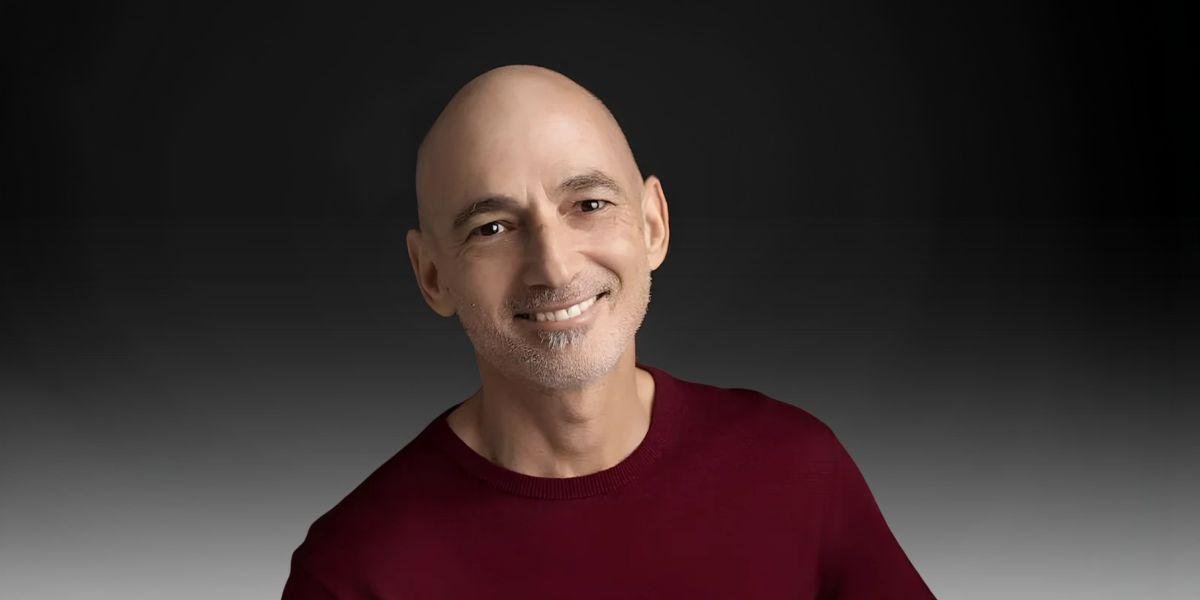
Billy Planer’s Conversations That Matter Offers a Road Map for Civil Dialogue in a Divided America

By: Sara Wolfe

For more than three decades, Billy Planer has built his work around a deceptively simple idea: people understand one another better when they hear one another’s stories. After taking more than 35,000 people on journeys centered on history, identity, public issues, and human connection, the Atlanta native is bringing those lessons to the page in Conversations That Matter. The book is designed for readers who have watched political disagreements strain friendships, families, workplaces, congregations, and communities and are looking for a way to stay engaged without turning every disagreement into a rupture.

Planer describes the book in direct terms. “Conversations That Matter is about how and why we must talk with people who don’t look, think, pray, love, and in 2026, vote like us.” His goal is not to make difficult conversations easy or to persuade readers that serious disagreements do not matter. Instead, he argues that people can learn how to remain present when a discussion becomes uncomfortable. “We must become comfortable being uncomfortable having what I term a conversation that matters,” he says. “It is full of strategies and techniques as well as great stories that show the power of what happens when we share our story and hear other people’s stories.”

That emphasis on stories grew out of Planer’s work with young people. In 2003, after years of running youth groups, he created a five-week cross-country summer journey called Etgar 36. Teen participants explored history, politics, and activism while meeting people on opposing sides of major public debates. The purpose was not to tell participants what to think. It was to give them firsthand encounters with people whose experiences and arguments differed, then ask them to develop their own views through civil discourse.

One example involved gun policy. Planer’s group met with a father whose son was murdered at Columbine High School and who later became a national gun-safety activist. Two days later, the teens met with a gun-rights lobbyist and activist. Similar paired encounters addressed some of the most contentious social and public-policy debates of the time. Those experiences became a practical laboratory for the principles Planer now presents in Conversations That Matter: hearing a position directly, resisting caricatures, asking questions, and recognizing the person behind the argument.

Planer expanded that work in 2004 by creating three-day Civil Rights journeys in the American South for teens and adults. He found that physically leaving familiar surroundings often changes how people listen. “I found that leaving your comfort zone and going somewhere new opens you up to engaging in things you may not normally do. It expands your boundaries,” he says. “Much like a good conversation that matters will.” The trips connect historical sites and stories to present-day questions about identity, responsibility, and community.

His interest in connection also has a deeply personal origin. As a Syracuse University senior in 1988, Planer lost friends, including his junior-year roommate, in the bombing of Pan Am Flight 103. The attack changed how he thought about distance between people and events. He began asking whether violence becomes harder when people know one another’s stories and recognize shared humanity. That question has remained at the center of his professional life.

A native of Atlanta, Planer brings both counseling and educational training to that work. He earned a bachelor’s degree from Syracuse University and a master’s degree in education and counseling from Georgia State University. Over the years, he has carried his approach into keynote speeches, panel discussions, media appearances, teen programs, and adult learning experiences. Across those formats, the consistent emphasis is participation rather than passive observation: people are asked to listen, speak, question, and reflect rather than simply consume another argument from a distance.

Planer does not promise that conflict disappears when people talk. He says the point is to build the skills needed to stay calm, listen, push back without pushing away, and avoid reducing another person to a political label. “The ultimate goal is not to learn how to avoid these conversations because we need to have them, but how to have them with others and continue to see each other’s humanity,” he says.

For Planer, that is also the book’s larger argument. The country does not need universal agreement to become less hostile. It needs more people capable of disagreement without dehumanization in everyday life and personal relationships today. Conversations That Matter turns decades of travel, teaching, facilitation, speeches, and difficult discussions into a practical guide for readers who want to keep talking when walking away would be easier.

Planer will bring that conversation to a live audience on Oct. 25 at 4 p.m., when journalist Greg Bluestein moderates a discussion with him at the Marcus Jewish Community Center of Atlanta, 5342 Tilly Mill Road in Dunwoody, Georgia, as part of the Atlanta Book Festival. The appearance allows readers to hear Planer explore the ideas behind Conversations That Matter and the experiences that shaped the book.

Conversations That Matter is available on Amazon.

Updating Older Closets and Cabinets in Cumming GA

By: Ethan Rogers

I run a cabinet shop in Lawrenceville and do a good amount of work in Forsyth County, specifically Cumming. Most weeks, I’m working somewhere between the older neighborhoods closer to town and the newer subdivisions near Lake Lanier. After a while, you get to know what each job will be just by looking at the house. Most homes in Cumming were built around 1998. The largest group of houses went up between 2000 and 2009, with another wave from 2010 to 2019. These homes aren’t falling apart, but they were built to a standard budget and have been lived in for about twenty-five years, which brings its own set of needs.

How I Price and Schedule These Jobs

Most people care more about the business details than the joinery, so I’ll start there. I offer a free in-home measurement because I can’t give an accurate quote for an older house just from a photo. The walls might not be straight, the ceilings can be off by an inch or two, and sometimes there’s a bulkhead that isn’t on the plans. That visit is when we figure out the cost.

A reach-in closet rebuild is usually my lowest-priced job, typically in the high hundreds to low thousands. A main walk-in closet with drawers and lighting costs more. Kitchens and vanities are higher still, depending on how much the layout changes. I give you a price range during the visit and a firm quote with the drawing. I’d rather be upfront about the price than have surprises later on.

One advantage of a small shop like mine is faster turnaround. Since I build everything myself, it usually takes just a few weeks from design approval to installation, instead of waiting months for a factory order. Closets and vanities are usually installed in a day. A full kitchen takes longer, but I schedule it so your house isn’t left open for weeks.

I use my own crew for installations, and that’s an important choice. The person who installs your door is the same person you can call if there’s a problem later. Shops that use random contract installers can’t make that promise. I stand behind my work, and if something needs fixing, I’d rather handle it myself than argue over who’s responsible.

Kitchens in the 2000s Builds

Most kitchen cabinets in Cumming are about 161 square feet, sometimes more in neighborhoods like Windermere or the Polo Fields, where they can be over 190. The size isn’t the issue. The cabinets stop 18 inches below the ceiling, corners aren’t used well, and the base cabinets have just one fixed shelf, so things get lost in the back.

Here’s how I fix it: I replace base cabinets with full-extension drawers, add a tall pantry with adjustable shelves to clear off your counters, extend the upper cabinets to the ceiling with a crown, and put a pull-out or turntable in the corner. I use 3/4-inch shelf material because thinner shelves bend under heavy items and stay that way. With our local humidity, cheap edge bands can peel off after a few summers.

Baths and Closets

Most secondary bathrooms here are 5 by 8 feet, or 40 square feet, with a tub, toilet, and sink. Primary bathrooms range from that size up to over 110 square feet in newer homes. In the 1990s and 2000s, builders usually put in a long vanity and a linen closet with wire shelves and considered the job finished.

In a bathroom that size, the vanity is the main spot for extra storage. A vanity with drawers, including a U-shaped top drawer that fits around the plumbing, is better than a wider cabinet with just doors. Pull-out shelves inside the cabinet help you use the space in the back. A 12-inch-deep linen tower next to the toilet can hold more than the hall closet.

Closets in Vickery, Westlake, and Castleberry Township are usually the same: one rod at 66 inches, one shelf, and shoes covering the floor. If you double up the hanging space on the short side, add a set of drawers in the middle, run shelves up to the ceiling, and angle the shoe shelves, you can almost double the storage in the same space.

Survivor Shares Stroke Recovery Lessons as Younger Adults Face Rising Prevalence

By Liam Nelson

Nir Peled was 49, building a career and raising a teenager, when a stroke left him unable to move or speak. His daughter, then 14, found him collapsed on his home office floor. In Beyond 100 Percent: Rebuilding Life After It Breaks, Peled describes the recovery that followed and the practical framework he developed for rebuilding a life interrupted without warning.

His experience speaks to a concern reaching beyond older adults. A CDC report found that stroke prevalence among adults ages 18 to 44 increased 14.6 percent when comparing 2011–2013 with 2020–2022. Those figures measure the share of adults reporting a previous stroke. Stroke can occur at any age, and Peled’s story addresses the personal consequences for survivors with careers and young families.

“Mine hit at 49, in the middle of a full career, with a teenager at home,” Peled says. “Recovery at that age is not only about walking again. It is about who you are now, your work, your family, your plans, with decades still ahead.”

That perspective also shaped his response to investor Bill Ackman’s August 19 announcement about the Ackman Oxman Institute. Ackman and his wife, Neri Oxman, committed approximately $400 million to the Manhattan Institute after his 26-year-old daughter suffered a severe brain hemorrhage in February. The planned center focuses on brain research, rehabilitation, recovery, and longevity, with Mount Sinai as a partner.

Reading Ackman’s account, Peled recognized the family crisis behind the announcement. He remembered his own helplessness and later conversations about what his collapse had meant to his wife and daughter. His wife told him it was the first time she had seen real fear in his eyes.

“So when I read his post, I was not reading news,” Peled says. “I was reading my own family’s story with different names.”

Peled has survived seven catastrophic events: a car bombing in Sinai, anaphylaxis that ended his military career, the 2004 tsunami, a violent kidnapping and robbery in the Amazon, cancer, a serious motorcycle accident and the stroke. A Fortune 500 technology executive and former officer in an elite IDF unit, he says the stroke challenged the ability he had always trusted: thinking and communicating quickly.

His book began with recordings of himself learning to speak. He called the videos his captain’s log. As he regained the ability to type, moving from one finger to two and eventually both hands, the journal expanded. A speech therapist who was taking notes on his strategies suggested that he write a book.

Looking back across earlier disasters, Peled recognized recurring patterns. He organized them into three pillars, Body, Mind and Spirit; seven rules for daily recovery; and four stages, Survival, Rebuilding, Refinement and Beyond 100%. The framework reflects his experience as a survivor and the structured thinking he brought from technology leadership.

One central practice is the 1% Rule, inspired by a barely visible curl of his index finger in the hospital. That small movement changed how he understood progress. He began recognizing physical therapy, cognitive exercises, rest, emotional release, and connection with others as parts of the daily work.

“The rule was not designed to create breakthroughs,” he says. “It was designed to give you the emotional and physical strength to continue when breakthroughs feel impossibly far away.”

For younger survivors, Peled also emphasizes changes that may be less visible than mobility or speech. His recovery involved fear, anger, frustration, and questions about identity and purpose. His wife became a full-time caregiver overnight, while his daughter processed the experience of finding him on the floor.

Peled now teaches yoga and meditation to brain injury survivors and lives in Northern California, where he continues practicing his framework. His Holocaust-survivor grandmother’s wisdom remains part of his approach, particularly her belief that people can gradually find their way through darkness.

The book’s title does not mean that trauma should be celebrated or that every ability returns. Peled says he will never be the same person physically or mentally. He describes rebuilding as moving toward a new life while acknowledging what has been lost.

Peled describes the book’s intended readers as people who were once the strong ones, the people others leaned on. A diagnosis or another life-changing disruption can leave them searching for structure. His technology background helped him break recovery into smaller parts, while his journal preserved the experience of learning those lessons as he worked to regain speech and movement.

“Recovery is not about going back,” he says. “It is about uncovering who you are going to be.”

You can find Beyond 100 Percent: Rebuilding Life After It Breaks on Amazon.

Disclaimer: This article is for informational purposes only and is not intended to provide medical advice, diagnosis, or treatment. The experiences and recovery strategies discussed reflect individual perspectives and may not apply to everyone. Readers should consult a qualified healthcare professional regarding their specific medical conditions, treatment options, or rehabilitation needs.

She Spent Nearly 35 Years Observing Why People Struggle to Change; Now She’s Teaching Women How To

For nearly 35 years, Constance E. Wills had a front-row seat to one of the hardest questions in human behavior: why do some people change course, while others repeat the same patterns no matter what it costs them? She spent her career inside the criminal justice system watching that question play out in real time, and she’s spent the years since turning what she learned into a second career built entirely around helping people answer it for themselves.

Wills’ conclusion, after three and a half decades of observation, is disarmingly simple: change starts with recognition. Not motivation, not willpower, recognition. Before someone can choose a different response, they first have to notice the thought quietly driving the situation in front of them. Most people, she says, never slow down enough to catch it.

Turning An Observation Into A Method

Rather than leave that insight as a talking point, Wills built it into a working system. The Mindset Reset™ Framework is a structured process for tracing a decision back to the belief that actually produced it, helping people separate automatic, inherited thinking from choices that genuinely reflect who they are and where they want to go. Thought Break™ carries that framework into the moment it matters most: a deliberate pause built into the decision-making process itself, so a person can name the thought behind a reaction before acting on it, instead of only recognizing it in hindsight.

It’s a method she recently brought to an international stage, presenting “The Right Fit: Purpose, Vision, and the Power of Mindset” on August 8 as part of the 2026 Leadership Experience Tour in Troy, Michigan, one stop in a broader effort to bring the framework to wider audiences.

Who The Work Is Really For

Wills built her company, Beauty Beyond The Wall, LLC, with a specific person in mind: the woman in midlife or beyond who is quietly rebuilding after a career ended, a relationship changed, kids left the house, or simply after realizing the life she’s living no longer fits who she’s become. Although her work is open to all, Wills has a particular focus on women in midlife and beyond. The Tucson-based company provides keynote and motivational speaking, mentoring, and mindset education focused on helping people recognize limiting beliefs, deepen self-awareness, and move forward with greater clarity and intention.

“I want people to walk away asking themselves one question,” Wills has said of her work: does what I’m choosing right now actually line up with the direction I want to go? It’s a question aimed less at a single decision and more at an entire way of living, the accumulation of small, unexamined choices that eventually becomes a life.

Beyond The Stage

Wills has extended her approach into media as well, hosting A Moment With Constance and co-hosting Choose to Challenge: Mindset Alchemy on e360tv, where she applies the same framework through conversation, storytelling, and interviews centered on resilience and reinvention.

She isn’t finished building. The Master Thinker Reset: Change Your Mind, Change Your Life is part of Beauty Beyond The Wall’s growing body of mindset education, rooted in the same core idea that’s driven her work from the start: notice the thought, then choose differently.

Fast Facts

Founder: Constance E. Wills

Company: Beauty Beyond The Wall, LLC, Tucson, Arizona

Signature Frameworks: Mindset Reset™ Framework, Thought Break™

Recent Appearance: “The Right Fit: Purpose, Vision, and the Power of Mindset,” Leadership Experience Tour, Troy, Michigan, August 8, 2026

Signature Program: The Master Thinker Reset: Change Your Mind, Change Your Life

About Constance E. Wills

Constance E. Wills is the founder of Beauty Beyond The Wall, LLC, a motivational speaker, mentor, media host, and retired criminal justice professional with nearly 35 years of experience observing how mindset and decision-making shape outcomes. She developed the Mindset Reset™ Framework and Thought Break™ and hosts media programming focused on helping women navigate transition and reinvention with clarity and confidence.

About Beauty Beyond The Wall, LLC

Beauty Beyond The Wall, LLC is a Tucson, Arizona-based company offering motivational speaking, mentoring, and mindset education focused on personal reflection, decision-making, and self-awareness, with a particular focus on supporting women in midlife and beyond through transition, reinvention, identity, leadership, and renewed purpose.

Media Contact: Tish Brown, Fair Consulting Group | TBCOMM@me.com | +1 (424) 378-8491 | fairconsultinggroup.com

Piedmont Park Adds a Holiday Lantern Parade to Its Free Light Up the Season Celebration on November 22

Piedmont Park Conservancy’s Light Up the Season returns Sunday, November 22, 2026, with a new Holiday Lantern Parade. The free event starts at 5 p.m. at Greystone in Piedmont Park, where guests make their own lanterns before walking to the Meadow for the lighting of the park’s Great Tree, Menorah, and Kinara.

Key Takeaways

  • Light Up the Season takes place Sunday, November 22, 2026, beginning at 5 p.m. at Greystone in Piedmont Park.
  • The Seed & Feed band leads the new Holiday Lantern Parade through the park to the Meadow.
  • The evening ends with a ceremony lighting the Great Tree, Menorah, and Kinara side by side.
  • The event is free and open to the public, with food and drinks available for purchase.
  • A post-event gathering at Park Tavern features a family holiday movie and snacks.
  • The 2026 edition is the second Light Up the Season, after the inaugural celebration on November 23, 2025.

Light Up the Season Adds a Parade in Its Second Year

Light Up the Season debuted in 2025 as a single moment: a simultaneous lighting of a 50-foot holiday tree, a menorah, and a kinara in the Meadow. For 2026, Piedmont Park Conservancy is turning that moment into a full evening of activity.

Guests gather first at Greystone, where they can make their own lanterns, listen to a live DJ, and pick up seasonal food. From there, the Seed & Feed band leads a Holiday Lantern Parade through the park. Hundreds of handmade lanterns light the route to the Meadow, where a brief ceremony switches on the holiday displays.

The format reflects what organizers said they wanted from the start. When the Conservancy launched the event last year, it described Light Up the Season as a tradition it hoped to grow each year with more lights, family activities, and programming around the display.

Piedmont Park Takes On a Role Atlanta Once Tied to Rich’s Great Tree

For decades, Atlanta’s best-known holiday lighting was linked to the Great Tree that Rich’s department store first lit in 1948. The inaugural Light Up the Season in 2025 gave the city a new central gathering place for large holiday displays, positioned beside the Atlanta BeltLine in the Meadow.

Piedmont Park Conservancy CEO Doug Widener framed last year’s launch around a shared idea rather than a single holiday. Many traditions celebrate light during the darkest stretch of the year, he explained, and the Conservancy wanted a display that brings those traditions together as a symbol of community and hope. That is why the Great Tree, Menorah, and Kinara are lit at the same moment.

Lantern Parades Have Recent Roots in Piedmont Park

The Holiday Lantern Parade builds on a format Piedmont Park has hosted before. In April, a lantern parade celebrating the work of sculptor Isamu Noguchi traveled from the High Museum of Art to the Noguchi Playscape in the park, marking the playscape’s 50th anniversary during a milestone year for the museum, which is celebrating its 100th anniversary with reinstalled galleries and a Peachtree Street block party. The Seed & Feed Marching Abominables helped lead that spring procession, and the band returns to lead the holiday parade in November.

Piedmont Park Events Close the Night at Park Tavern

After the lighting ceremony, the celebration moves to Park Tavern for a family holiday movie and snacks. Food and drinks are sold throughout the evening, while admission to Light Up the Season itself is free.

The November 22 date places the event at the start of Atlanta’s holiday calendar, the weekend before Thanksgiving, making it one of the first opportunities in the city to see a major holiday display lit.


FAQs

When Is Light Up the Season at Piedmont Park in 2026?

Light Up the Season takes place Sunday, November 22, 2026, starting at 5 p.m. at Greystone in Piedmont Park. The Holiday Lantern Parade then leads guests to the Meadow for the lighting ceremony.

Is Light Up the Season Free?

Yes. Light Up the Season is free and open to the public. Food and drinks are available for purchase during the evening.

Where Can You See Holiday Lights in Piedmont Park?

Piedmont Park’s holiday display stands in the Meadow, where the Great Tree, Menorah, and Kinara are lit during Light Up the Season. In 2025, the display remained up through early January.

Who Leads the Piedmont Park Holiday Lantern Parade?

The Seed & Feed band leads the Holiday Lantern Parade. Guests can make their own lanterns at Greystone before the parade begins.

Is the Piedmont Park Lantern Parade the Same as the Atlanta BeltLine Lantern Parade?

No. The Holiday Lantern Parade is part of Piedmont Park Conservancy’s Light Up the Season celebration on November 22. It is a separate event from the Atlanta BeltLine Lantern Parade.