Atlanta Jazz Festival Explained: How the Free Piedmont Park Festival Reaches Its 50th Edition in 2027

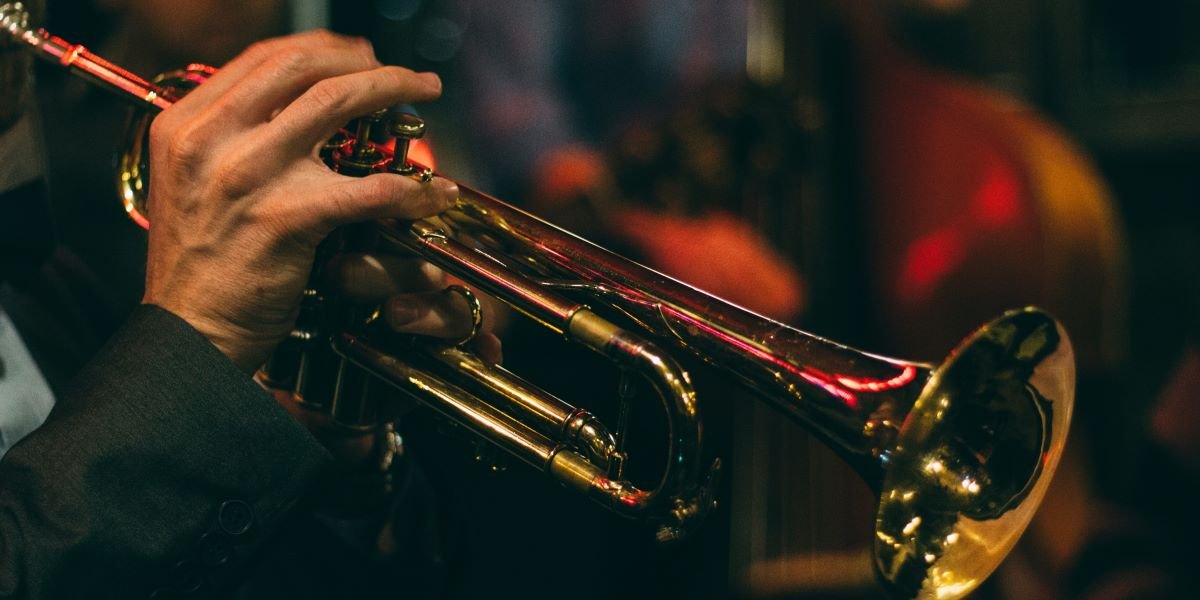
The Atlanta Jazz Festival is a free, three-day outdoor festival held in Piedmont Park each Memorial Day weekend and produced by the City of Atlanta’s Mayor’s Office of Cultural Affairs. Founded in 1978, the festival held its 49th edition in May 2026, which puts its 50th edition on Memorial Day weekend 2027.
Key Takeaways
- Mayor Maynard Jackson inaugurated the Atlanta Jazz Festival in June 1978.
- The 49th annual festival ran May 23 to 25, 2026, in Piedmont Park, with 15 performances over three days.
- Admission to the Piedmont Park festival is free and open to the public.
- The festival is funded through corporate sponsorships and Atlanta Jazz Festival, Inc., a 501(c)(3) cultural nonprofit.
- Each May, the 31 Days of Jazz series brings partner jazz events to venues across metro Atlanta.
- Official dates for the 2027 festival have not yet been announced by the Mayor’s Office of Cultural Affairs.
How the Atlanta Jazz Festival Began Under Maynard Jackson
The Atlanta Jazz Festival dates to June 1978, when Mayor Maynard Jackson inaugurated it as part of a broader effort to preserve the genre and put an international cultural spotlight on Atlanta. Jackson framed jazz as an American art form with roots in the South, and argued that a growing city like Atlanta had a responsibility to champion it.
That origin explains much of the festival’s character today. It began as a City program rather than a private promotion, and it still is one. At the 2026 lineup announcement, city officials pointed to the nearly five decades since Jackson created both the festival and the office that now runs it.
The Atlanta Jazz Festival Is a City-Produced Public Arts Program
The Atlanta Jazz Festival is produced by the City of Atlanta Mayor’s Office of Cultural Affairs. Funding comes from corporate sponsorships and from Atlanta Jazz Festival, Inc., a 501(c)(3) cultural nonprofit dedicated to preserving the festival’s legacy.
That structure is what keeps the Piedmont Park weekend free. The festival describes its mission as exposing a diverse audience, from longtime aficionados to young enthusiasts and aspiring musicians, to jazz as an authentic form of American music. Free admission is central to that mission, removing the cost barrier that keeps many residents away from ticketed concerts.
Programming Starts Well Before Memorial Day Weekend
The Piedmont Park weekend is the finale of a longer season. The festival’s programming begins in April and builds through May with 31 Days of Jazz, a curated series of partner events hosted at venues across metro Atlanta. In 2026, the season also included a ticketed Friday kickoff at Atlanta Symphony Hall featuring the Miles Electric Band, marking the centennial of Miles Davis.
What to Expect at the Atlanta Jazz Festival in Piedmont Park
The festival takes place at Piedmont Park, 400 Park Drive Northeast in Midtown. The 2026 edition featured 15 performances across three days, mixing national headliners such as PJ Morton, Kamasi Washington and The Roots with Atlanta-based artists. Programming has increasingly reached across jazz’s neighbors, including soul, funk, R&B and hip-hop.
Beyond the stages, the grounds typically include a family-friendly area, food vendors and booths selling art, clothing and festival merchandise. The festival publishes park rules for the event area: no grilling, no pets, no staked tents and no glass bottles or containers.
Piedmont Park’s role as the city’s front lawn extends well beyond Memorial Day. The same grounds host other free public celebrations through the year, including the free holiday lantern parade added to Piedmont Park’s Light Up the Season celebration.
The 50th Atlanta Jazz Festival Arrives in 2027
With the 49th edition held in May 2026, the Atlanta Jazz Festival’s 50th edition is expected over Memorial Day weekend 2027. The Mayor’s Office of Cultural Affairs has not yet announced official dates or a lineup, and past lineups have typically been announced in the first months of the year.
Reaching 50 editions is a notable mark for a festival that has always depended on public funding and sponsorship cycles. Its longevity says as much about Atlanta’s civic commitment to free cultural programming as it does about jazz itself.
FAQs
When is the Atlanta Jazz Festival?
The Atlanta Jazz Festival takes place each Memorial Day weekend in Piedmont Park. The 2026 edition ran May 23 to 25, and dates for the 50th edition in 2027 have not yet been announced.
Is the Atlanta Jazz Festival free?
Yes. The festival weekend in Piedmont Park is free and open to the public. Some related events, such as the 2026 kickoff concert at Atlanta Symphony Hall, have been ticketed separately.
Where is the Atlanta Jazz Festival held?
The festival is held in Piedmont Park at 400 Park Drive Northeast in Midtown Atlanta. Partner events during 31 Days of Jazz take place at venues across the metro area.
What time does the Atlanta Jazz Festival start and end?
Recent editions have run from early afternoon into the late evening. In 2025, music ran from 1 p.m. to 11 p.m. each day, and the 2026 Saturday program opened at 1 p.m.
What is 31 Days of Jazz in Atlanta?
31 Days of Jazz is the festival’s May series of curated jazz events hosted by partners across metro Atlanta. It leads into the free Piedmont Park weekend at the end of the month.