Atlanta History Center Veterans Day 2026: Free 11 a.m. Ceremony, Opera, Tours and $11.11 Admission on November 11

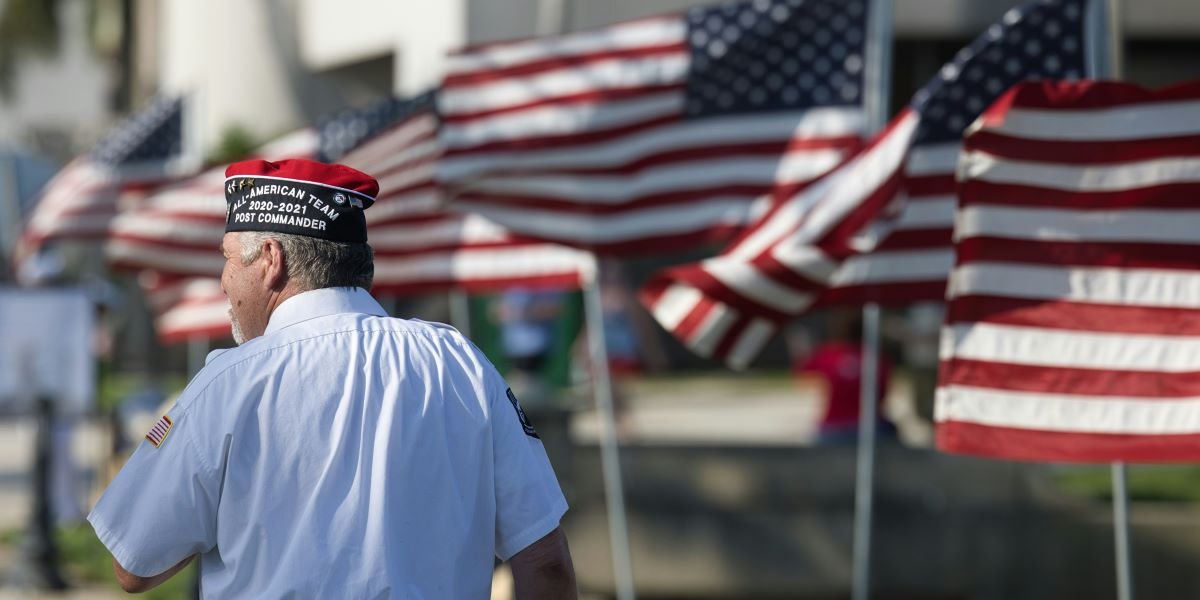
The Atlanta History Center holds its free Veterans Day Commemoration Ceremony at 11 a.m. on Wednesday, November 11, 2026, in Veterans Park on its Buckhead campus, with special programming from 9 a.m. to 2 p.m. The center lists museum admission that day at $11.11 for the public and free for active-duty service members, veterans and their families.
Key Takeaways
- Retired Marine Corps Reserve Col. Nicholas Reynolds, a former historian for the CIA Museum, gives the keynote, and Georgia Department of Veterans Service Commissioner Patricia Ross serves as master of ceremonies.
- The Atlanta History Center’s announcement sets admission at $11.11 for the public, with free admission for active-duty service members, veterans and their families.
- The Atlanta Opera performs a selection from “Silent Night,” an opera about the World War I Christmas truce, at 10 a.m.
- Civil War guided tours start at 9:30 a.m., 12:30 p.m. and 1:30 p.m., and a Veterans Park tour runs from 12:15 to 12:45 p.m.
- A veterans breakfast before the ceremony requires registration by email at programs@atlantahistorycenter.com, and seats are limited.
- The campus at 130 W. Paces Ferry Road NW has free on-site parking, and the ceremony moves indoors if the weather turns.
The Morning Starts With a Book Signing, Opera and a Veterans Breakfast
Families who arrive early get the fullest version of the day. Veterans Day programming at the Atlanta History Center begins at 9 a.m., and active service members and veterans can attend a breakfast before the ceremony. The breakfast requires registration through programs@atlantahistorycenter.com, and the center says tickets are limited and offered first come, first served.
From 9:30 to 10:30 a.m., journalist Katie S. Sanders signs copies of “Ortiz’s War,” which tells the World War II story of Marine Peter J. Ortiz. At 10 a.m., The Atlanta Opera performs a selection from “Silent Night,” a Pulitzer Prize-winning opera by Kevin Puts and Mark Campbell based on the 1914 Christmas truce, when French, British and German soldiers stopped fighting to sing carols together. For families with older children, the performance is a short introduction to the war that Veterans Day grew out of.
The 11 a.m. Ceremony Honors Veterans and America’s 250th
The Atlanta History Center’s annual Veterans Day Commemoration Ceremony runs from 11 a.m. to noon in Veterans Park. It is free, and seating is first come, first served. This year the ceremony and the day’s programming also recognize 250 years of American independence.
The keynote speaker, Nicholas Reynolds, joined the Marine Corps after earning a doctorate from Oxford University and served as an infantry officer and later as a historian. He went on to the CIA, where he finished his career as historian for the CIA Museum. Commissioner Patricia Ross of the Georgia Department of Veterans Service leads the program as master of ceremonies.
The ceremony also falls during the Atlanta History Center’s centennial year. The center is marking its 100th anniversary in 2026 with new exhibitions and programs, the same year the High Museum of Art is celebrating its own 100th birthday on Peachtree Street.
Afternoon Tours Cover the Civil War and the Story of Veterans Park
After the ceremony, the Atlanta History Center offers two kinds of guided tours. From 12:15 to 12:45 p.m., retired Army Lt. Col. Max Torrence, a past president of the Atlanta Vietnam Veterans Business Association and the center’s military advisor, leads a tour of Veterans Park. He covers how the park was created, the symbolism of its design and the sacred soil incorporated into the space.
Civil War guided tours start at 9:30 a.m., 12:30 p.m. and 1:30 p.m. Each lasts 45 minutes and meets in front of the “More Perfect Union” exhibit, which follows the war through the stories of soldiers who fought it. The tour also includes the Cyclorama, the panoramic painting of the Battle of Atlanta. Families who joined the history tours at Atlanta’s historic Oakland Cemetery this fall will recognize some of the same chapters of the city’s past.
All-Day Activities Give Kids and Families a Way to Take Part
Several stations run throughout the day at the Atlanta History Center, and they work well for children who may not sit through a full ceremony. At the Salute a Service Member table, visitors color postcards and write thank-you messages, which the center will send to active-duty service members.
The Gatheround Gallery holds a Kenan Research Center pop-up with artifacts from World War II, the Vietnam War and other conflicts, with staff on hand to explain the collections. A Veterans History Project video plays throughout the day, drawing on the center’s oral history interviews with veterans from World War II through the Global War on Terror. Resource tables also connect veterans and their families with Atlanta nonprofits and cultural institutions.
Admission, Parking and Weather Plans
The 11 a.m. ceremony is free for everyone. The Atlanta History Center lists the day’s onsite programming as included with museum admission, which its Veterans Day announcement sets at $11.11 for the general public and free for active-duty service members, veterans and their families. Tickets are available through the center’s website.
The Buckhead campus is at 130 W. Paces Ferry Road NW, with free on-site parking. If the weather is poor, the ceremony moves to an indoor location on campus.
More Ways to Spend the Week in Atlanta
Veterans Day at the Atlanta History Center ends in the evening with a Livingston Lecture at 7:30 p.m., where Nicholas Reynolds and Katie S. Sanders discuss “Ortiz’s War.” Later in the month, families planning another outing can head to Piedmont Park’s free Light Up the Season celebration and new lantern parade on November 22.
FAQs
What time is the Atlanta History Center Veterans Day ceremony?
The ceremony starts at 11 a.m. on Wednesday, November 11, 2026, in Veterans Park and runs until noon. Special programming runs from 9 a.m. to 2 p.m.
Is the Atlanta History Center free on Veterans Day?
The ceremony is free for everyone. According to the Atlanta History Center, museum admission and Veterans Day activities are free for active-duty service members, veterans and their families, and $11.11 for the general public.
Who is speaking at the Atlanta History Center Veterans Day ceremony?
Retired Marine Corps Reserve Col. Nicholas Reynolds is the keynote speaker. Georgia Department of Veterans Service Commissioner Patricia Ross is master of ceremonies.
Where do you park for the Atlanta History Center Veterans Day event?
Free on-site parking is available at the Buckhead campus, 130 W. Paces Ferry Road NW.