Meaning and Origin of the Name “Chattahoochee”
The name “Chattahoochee” is derived from the Muskogee (Creek) language, combining cvto (“rock”) and hvcce (“marked” or “painted”), translating to “marked‑rock river”. This likely refers to the colorful granite outcroppings found along parts of the river’s course. Some historical accounts also connect the name to an early Indigenous village in the region.
Source and Mouth of the Chattahoochee River
The river originates in Jacks Gap at the southeastern foot of Jacks Knob in the southern Blue Ridge Mountains, within the Chattahoochee National Forest in Union County, Georgia. From there, it flows southwest toward Atlanta, then south along the Georgia–Alabama border.
Its journey ends at Lake Seminole, where it meets the Flint River near the city of Chattahoochee, Florida. This confluence forms the Apalachicola River, which continues through Florida’s Panhandle to Apalachicola Bay and the Gulf of Mexico.
Length of the River and Its Course Through Georgia
The Chattahoochee River stretches approximately 430–434 miles (690–698 km) from its headwaters in the Blue Ridge Mountains of north‑central Georgia to its confluence with the Flint River at Lake Seminole on the Georgia–Florida border. A significant portion of its length lies within Georgia, beginning entirely in the state before forming much of the Georgia–Alabama border and a section of the Georgia–Florida border.
Within Georgia, the river flows through diverse regions: from the high‑elevation headwaters in Union County, past the Atlanta metropolitan area, through agricultural and forested lands, and into the reservoir systems of West Point Lake, Walter F. George Lake, and Lake Seminole. It supplies drinking water to much of metro Atlanta and supports recreation, hydropower, and wildlife habitats.
Sections for Kayaking, Canoeing, and Paddleboarding on the Chattahoochee River
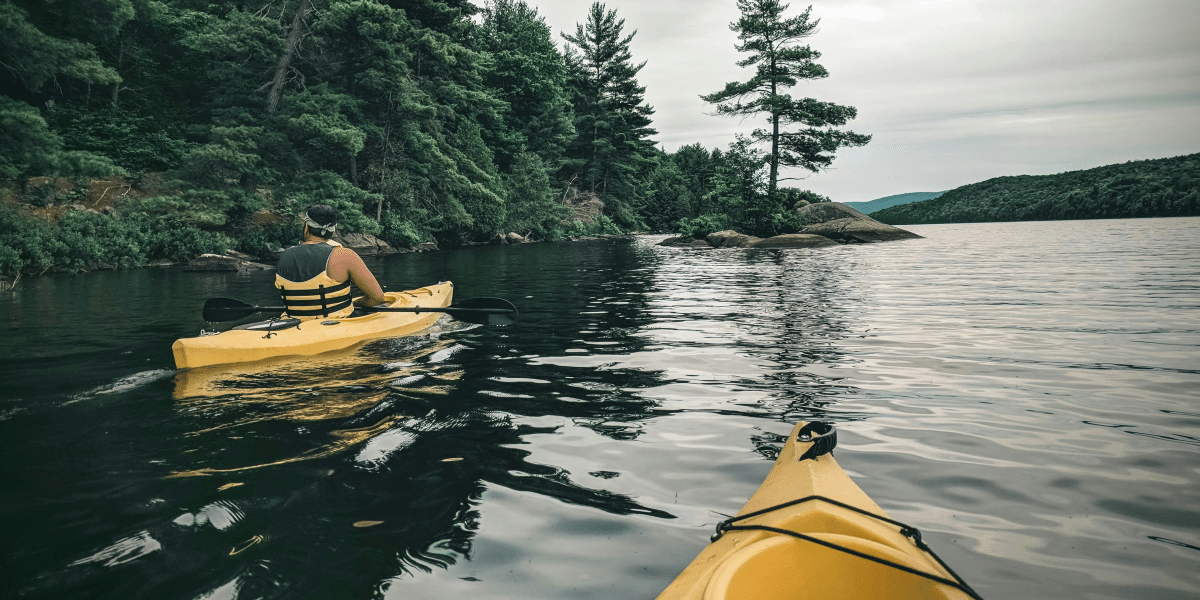
The Chattahoochee River offers a diverse range of paddling environments, making it a year‑round destination for kayakers, canoeists, and paddleboarders. Its mix of calm stretches, gentle shoals, and occasional rapids provides opportunities for both beginners and seasoned paddlers. The river’s accessibility is enhanced by numerous public launch points, particularly within the Chattahoochee River National Recreation Area (CRNRA), a 48‑mile protected corridor through the Atlanta metropolitan region.
Chattahoochee River National Recreation Area (CRNRA)
The CRNRA encompasses multiple access points between Buford Dam and Paces Mill, offering varied paddling conditions depending on water releases from the dam. When flows are low, the river is predominantly flatwater with occasional Class I–II shoals.
One of the most popular routes is Johnson Ferry to Paces Mill, which combines gentle rapids with scenic views of wooded banks and granite outcroppings. This section is well‑suited for recreational kayaking and paddleboarding, with outfitters providing rentals and shuttle services.
Morgan Falls Overlook Park
Located in Sandy Springs, Morgan Falls Overlook Park sits just below Morgan Falls Dam. The impounded section above the dam creates calm, lake‑like conditions ideal for paddleboarding, canoeing, and beginner kayaking. The still water allows paddlers to explore coves and observe wildlife such as herons, turtles, and osprey. This area is particularly popular for family outings and skill‑building sessions before attempting more dynamic sections downstream.
Jones Bridge Park
Jones Bridge Park, near Norcross, offers access to a stretch of the river featuring Class II rapids, making it better suited for paddlers with some experience. The current here is swifter, and the shoals require maneuvering skills to navigate safely. This section is valued for its balance of challenge and scenery, with forested banks and remnants of the historic Jones Bridge visible from the water.
Cochran Shoals
The Cochran Shoals area, part of the CRNRA, is known for its calm waters and abundant wildlife. This section is popular with beginners, families, and those seeking a relaxed paddle. The wide, slow‑moving channel is ideal for spotting river otters, waterfowl, and fish in the clear shallows. The adjacent Cochran Shoals Trail also allows for easy combination trips of paddling and riverside hiking or cycling.
Tubing and “Shooting the ’Hooch”
On warm summer days, the Chattahoochee River becomes a gathering place for those seeking a leisurely float along its cool waters. Locals refer to this tradition as “shooting the ’hooch”, a phrase that captures the relaxed, social nature of drifting downstream on inner tubes. Participants often travel in groups, linking tubes together and enjoying the scenery, wildlife, and occasional shoals along the way.
The activity is accessible to a wide range of ages and skill levels, with certain stretches offering calm, slow-moving water and others providing light rapids for added excitement.
Common Tubing Stretches
Roswell Underpass Park to Azalea Park – This section offers a gentle float suitable for most ages. The route passes shaded banks and open stretches, making it a favorite for families and casual groups.
Johnson Ferry to Powers Island – Operated by the Nantahala Outdoor Center (NOC), this route features gentle currents and scenic granite outcroppings that reflect the river’s Muskogee name meaning “marked rock”. The trip typically lasts two to four hours on the water, depending on flow rates from Buford Dam.
Other popular tubing areas include Powers Island to Paces Mill, which introduces mild Class I–II rapids, and stretches near Duluth operated by independent tubing companies.
Guided Tours and Outfitters
Several outfitters provide structured tubing experiences, complete with equipment, safety gear, and shuttle services. These operators make the activity accessible to both first-time visitors and those without their own gear.
Nantahala Outdoor Center (NOC) – As the only on-site outfitter within the Chattahoochee River National Recreation Area (CRNRA), NOC offers tubing, kayaking, paddleboarding, and guided paddling tours from multiple access points, including Johnson Ferry, Powers Island, and Paces Mill. Their tubing trips range from calm floats to beginner-friendly whitewater runs.
Wildwood Outfitters – Based in the upper Chattahoochee region near Helen, Georgia, Wildwood Outfitters has operated since 1972, offering trips that range from tranquil floats to Class I–II whitewater runs. This section of the river is narrower and more rural, providing a different experience from the metro Atlanta stretches.
Other authorized outfitters listed by the National Park Service include Chattahoochee River Tubing in Duluth, Kayak Classes of Georgia, and REI’s Perimeter location, which offers kayak and stand-up paddleboard tours.
Safety and Seasonal Considerations

Photo Credit: Unsplash.com
Tubing season typically runs from late spring through early fall, with peak activity between May and September. Water temperatures remain cool year-round, averaging in the 50s–60s °F (10–18 °C) due to releases from Buford Dam.
The National Park Service advises checking dam release schedules before trips, as sudden changes in water flow can affect safety. All participants must have a U.S. Coast Guard-approved personal flotation device (PFD) on the river, and sturdy footwear is recommended to prevent injuries on slippery rocks.
Cultural and Recreational Significance
“Shooting the ’hooch” has become part of Atlanta’s seasonal culture, drawing both residents and visitors to the river. The activity blends recreation with appreciation for the Chattahoochee’s natural beauty, from its granite shoals to its wooded banks. Whether experienced through a guided outfitter trip or a self-organized float, tubing remains one of the most recognizable and enduring ways to enjoy the river’s accessible stretches.
Hiking and Biking Trails Along the River
The Chattahoochee River National Recreation Area and surrounding parks feature numerous trails:
East Palisades Trail – 3.4 Miles
The East Palisades Trail is one of the most scenic hikes along the Chattahoochee, known for its elevated views from rocky bluffs and its unexpected bamboo forest. Located near the Indian Trail unit of the CRNRA, the trail offers a mix of moderate climbs and riverside stretches. Hikers can enjoy panoramic views of the river’s shoals and whitewater sections, as well as shaded forest paths that provide a cooler environment in summer months.
The bamboo grove, a distinctive feature of this trail, adds a unique visual element uncommon in Georgia’s native forests. Wildlife sightings may include herons, turtles, and migratory songbirds.
Sope Creek Trail – 1.5 Miles
The Sope Creek Trail blends natural scenery with historical significance. This route leads visitors past the ruins of a Civil War‑era paper mill that once supplied the Confederacy. The mill was destroyed by Union forces in 1864, and its stone remains now stand as a reminder of the area’s industrial past.
The trail follows Sope Creek, a tributary of the Chattahoochee, through a wooded setting. It is also part of a larger network of Sope Creek mountain biking trails, which collectively span nearly seven miles and are classified as intermediate by the Southern Off‑Road Bicycle Association.
Cochran Shoals Trail – 3.1 Miles
The Cochran Shoals Trail is one of the most popular routes in the CRNRA, offering a flat, crushed‑gravel path that runs alongside the river for 3.1 miles. Its gentle grade makes it ideal for runners, walkers, and cyclists seeking an easy, scenic workout.
The trail passes through wetlands and open meadows, providing habitat for deer, waterfowl, and other wildlife. It is also a prime spot for birdwatching, with seasonal sightings of osprey and bald eagles.
Vickery Creek Trail at Roswell Mill – 4.7 Miles
The Vickery Creek Trail combines natural beauty with historic mill structures. Located in Roswell, this 4.7‑mile loop passes the Roswell Mill ruins, a 19th‑century textile factory that played a role in the Civil War. The trail also features a spillway waterfall and wooden footbridges crossing Vickery Creek.
The route’s mix of shaded forest, creekside paths, and historic landmarks makes it a favorite for both history enthusiasts and nature lovers.
Powers Island Trail – 2.4 Miles
The Powers Island Trail explores a mid‑river island accessible via a pedestrian bridge. This 2.4‑mile loop winds through forested ridges and along the riverbank, offering views of shoals and opportunities to spot wildlife such as river otters and great blue herons.
The trail’s relatively short distance and moderate terrain make it a good choice for a half‑day outing, and its location near other CRNRA units allows visitors to combine it with additional hikes or paddling trips.
Connecting with the River Beyond Water Activities
While the Chattahoochee is well‑known for paddling and fishing, its trail network offers a different way to experience the river. From bluff‑top vistas to historic ruins and wildlife‑rich wetlands, these routes provide year‑round opportunities for recreation, photography, and quiet reflection along one of Georgia’s most important waterways.
Recommended Gear for a Day on the River
Visitors should be prepared for both sun exposure and the river’s cold water, which comes from the bottom of Lake Lanier and remains chilly year‑round. Essential items include:
- U.S. Coast Guard–approved personal flotation device (PFD) – Required for children 10 and under at all times on the river.
- Broad‑brimmed hat and waterproof sunscreen (SPF 15 or higher) to protect against UVA and UVB rays, even on cloudy days.
- Light nylon or rain jacket for sudden weather changes.
- Adequate drinking water to prevent dehydration.
- Waterproof bag for valuables, secured to the craft.
- Footwear that can get wet and provides traction on slippery rocks.
- Quick‑dry clothing; avoid heavy cotton, which retains water and can accelerate heat loss.
Rentals for Tubes, Kayaks, and Paddleboards
The CRNRA does not rent boats or tubes directly, but authorized commercial outfitters operate under NPS permits to provide rafts, tubes, canoes, and kayaks for day use. Many outfitters also supply paddles, helmets, and PFDs as part of the rental fee. Stand‑up paddleboards (SUPs) are available from select vendors.
Reservations are recommended during peak summer weekends to ensure availability, though some outfitters accept walk‑ins.
Permits and Passes
- Entrance Fees – Most CRNRA units require a daily parking fee or an annual pass. The America the Beautiful pass is accepted.
- Fishing – Anyone age 16 or older must have a valid Georgia fishing license, and a trout stamp is required for trout fishing.
- Special Use Permits – Required for organized events, commercial filming, or large group activities.
- Boating – No special boating permit is required for personal, non‑motorized craft, but commercial rentals must be from NPS‑permitted outfitters.
Safety Rules and Regulations for Boating or Swimming
The Chattahoochee is generally rated Class I on the International Scale of River Difficulty, meaning it has moving water with small waves and few obstructions. Still, hazards exist, and the NPS enforces safety measures:
- Life Jackets – Children 10 and under must wear a U.S. Coast Guard–approved PFD at all times; adults are strongly advised to wear one.
- Cold Water Awareness – The river’s temperature can cause rapid loss of strength and hypothermia; avoid prolonged immersion.
- Obstacle Avoidance – Stay upstream of your craft if you fall in; avoid getting pinned between the boat and obstacles like logs or rocks.
- Alcohol – Strongly discouraged while boating or swimming due to impaired judgment and slower reaction times.
- Sun Protection – Apply waterproof sunscreen regularly; UV exposure is significant even on overcast days.
- Swimming – There are no designated swimming areas; currents, cold water, and submerged hazards make swimming risky.
- Pets – Allowed on trails and in boats but must be leashed (max six feet) and under control at all times.
The Chattahoochee River National Recreation Area offers far more than a scenic backdrop — it provides a diverse range of trails, water activities, and historical sites that invite exploration in every season. Whether walking through the bamboo grove of East Palisades, cycling the flat expanse of Cochran Shoals, or paddling past the shoals near Powers Island, visitors can experience the river’s natural and cultural heritage in ways that suit their pace and interests. With proper preparation, awareness of safety regulations, and respect for the environment, a day along the Chattahoochee becomes an opportunity to connect with Georgia’s landscapes, wildlife, and history in a meaningful and memorable way.