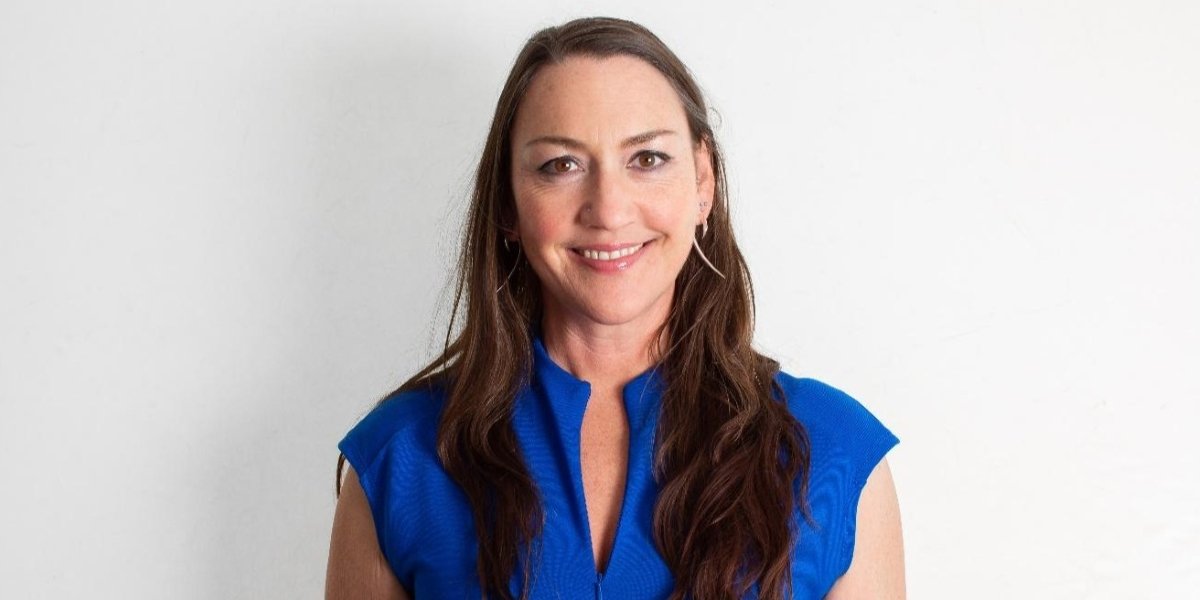

As more people seek holistic models to better understand and manage their health, functional medicine has gained significant traction. Practitioners are increasingly moving away from symptom-focused models and toward approaches that prioritize identifying root causes, prevention, and long-term adaptation for lifestyle changes. In this evolving field, the discussion has expanded to include integrative modalities such as nutritional therapy, applied kinesiology, and mind-body awareness. While functional medicine continues to be a topic of both interest and debate within mainstream health, it has developed a global reach, merging personal agency with clinical methods. In this broader context, the professional impact of UK-based clinician Claire Snowdon-Darling has become more prominent.
Snowdon-Darling’s journey into alternative wellness began due to her own health challenges, which prompted her to reconsider conventional medical treatments. She initially trained in kinesiology and other complementary therapies, experiences that would later influence the clinical and educational models she helped establish. In 2008, Snowdon-Darling co-founded Balanced Wellness with Laura Knowles, a UK-based clinical practice focused on integrative hormonal and nutritional care. The clinic positioned itself at the intersection of holistic philosophy and accessible clinical practices, providing programs to address issues like stress, reproductive health, and digestive disorders through a systems-based approach.
Over the years, the clinic has undergone significant transformations. Balanced Wellness rebranded as Hormone Wellness, a larger and more expansive clinic now offering services globally through online consultations and educational programs. This rebranding reflects the growing interest in remote healthcare solutions, which have become even more relevant with the rise of telemedicine. Through its wider scope, Hormone Wellness offers protocols aimed at achieving hormonal balance, particularly for women experiencing menopause, perimenopause, and stress-induced endocrine imbalances. As a result, Snowdon-Darling and Knowles’ work now reaches a larger platform, in line with the increasing trend toward personalized and preventive care models.
Education has been a central aspect of Snowdon-Darling’s professional growth. Alongside co-founder Laura Knowles, she founded The College of Functional Wellness, a professional training school that provides certification programs for holistic health practitioners. The college offers courses in functional kinesiology, nutrition therapy, and other complementary modalities, all grounded in evidence-based practices. While the broader medical community continues to assess the long-term effectiveness of such educational approaches, the college has attracted an expanding group of practitioners interested in integrative care models. This focus on formal education and skill development is part of a broader trend toward standardizing previously informal wellness knowledge.
One of Snowdon-Darling’s most notable contributions to her clinical work is the Triangle of Hormonal Health. This theoretical model integrates three key hormonal systems: blood sugar regulation, the hypothalamic-pituitary-adrenal (HPA) axis, and reproductive hormone balance. Developed in 2016 by Snowdon-Darling and Knowles, the model serves as a way to make complex hormonal interactions accessible to both patients and practitioners. Although not yet widely recognized in peer-reviewed medical journals, the model has found acceptance within the integrative and functional medicine communities as a framework for understanding systemic imbalances. Practitioners using this model often incorporate dietary adjustments, stress management, and lifestyle changes into treatment plans.
Applied kinesiology remains a subject of interest and debate in Snowdon-Darling’s work. This method, which uses muscle testing to assess stress responses and biochemical imbalances, has been met with skepticism in the mainstream medical community due to the lack of extensive empirical evidence. However, it remains popular in certain wellness and chiropractic circles, where it is used to evaluate various health conditions. Snowdon-Darling combines kinesiology with nutritional and emotional health assessments, offering a hybrid model that appeals to individuals seeking alternative health options. As with many integrative practices, its application raises ongoing discussions about the need for rigorous validation and the demand for broader diagnostic approaches.
Beyond her clinical and educational efforts, Snowdon-Darling has also maintained a strong presence in health media and public speaking. She has contributed to discussions on women’s health, hormonal balance, and wellness entrepreneurship through podcasts, webinars, and industry panels. While much of her exposure comes from independent wellness platforms, it has helped expand her reach within the UK alternative health market. With the growth of her online presence—through webinars, online seminars, and wellness conferences—her message has become accessible to a broader global audience, particularly during the COVID-19 pandemic’s acceleration of telemedicine services.
In 2024, Snowdon-Darling and Knowles were shortlisted for Entrepreneur of the Year in the Randal Charitable Foundation category at the Great British Entrepreneur Awards. This prestigious recognition is one of the UK’s most prominent awards for business innovation, with thousands of entries annually across industries like technology, education, and healthcare. Snowdon-Darling’s nomination underscores the growing recognition of her work not only as a clinician but as a leader and innovator in the expanding field of healthcare delivery. Though the competition is fierce, the nomination adds professional credibility to her ever-growing career.
The evolution of functional and integrative medicine continues to challenge traditional healthcare practices. This ongoing development invites debates about legitimacy, efficacy, and accessibility in clinical care. Snowdon-Darling’s contributions reflect both the challenges and strengths inherent in this debate. By combining educational initiatives, conceptual models, and clinical care, she has positioned herself at a critical juncture between patient advocacy and practitioner development.
Claire Snowdon-Darling and Laura Knowles are emerging as significant voices in the holistic and hormonal health conversation. Through Hormone Wellness, The College of Functional Wellness, and frameworks like the Triangle of Hormonal Health, their work will likely continue to shape how practitioners approach patient care in the ever-expanding world of integrative medicine.
Disclaimer: The information provided in this article is intended for general informational purposes only. While the practices discussed have been widely adopted within the integrative medicine community, individual results may vary. It is recommended that readers consult with qualified healthcare professionals before making any changes to their health or treatment plans.