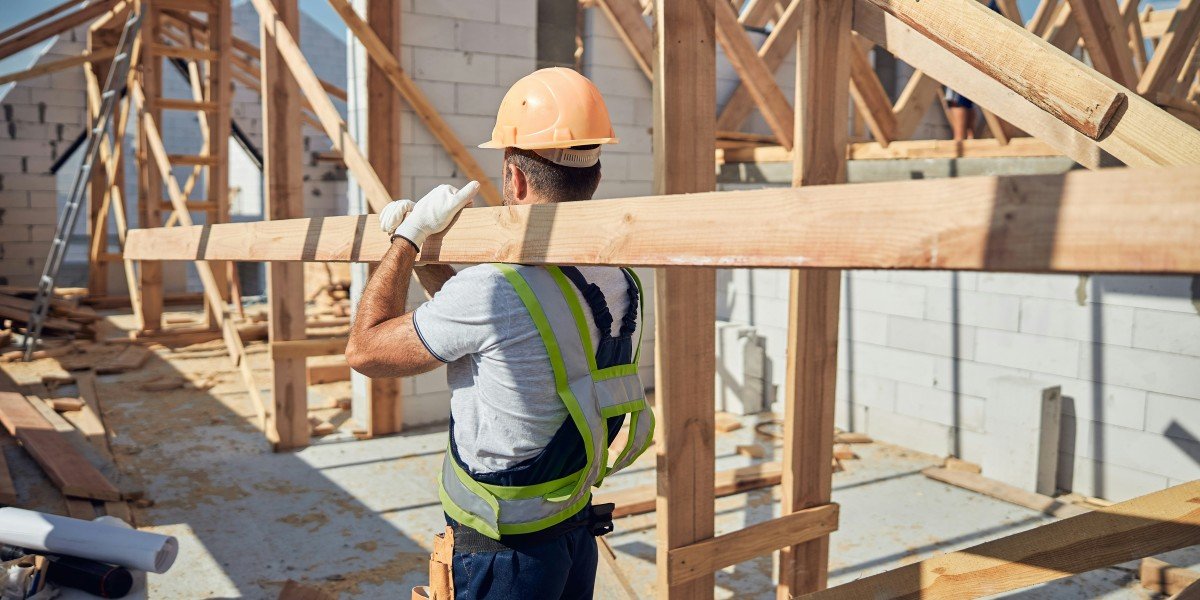

The Atlanta Civic Center is finally seeing real movement after years of stalled plans and shifting proposals. City officials and housing leaders gathered this week to break ground on the first piece of the redevelopment. The ceremony marked a turning point for a site that many residents know well but haven’t seen active in nearly a decade. The plan focuses first on bringing affordable homes for seniors. Construction will deliver units designed for older adults who live on fixed incomes and need stable housing close to city resources.
The Civic Center sits on a large section of land in the Old Fourth Ward area. It once hosted concerts, festivals, and graduations, but it’s been mostly silent since closing in 2014. That silence created a noticeable gap in a part of the city known for cultural energy. The new construction signals a push to restore purpose to the property. Community members watching the project unfold see this as a moment that brings both recognition of the site’s history and hope for its next chapter.
This first phase is part of a larger plan that aims to reshape nearly 20 acres of unused space. With the demolition and grading already underway, residents are finally able to see the start of physical changes instead of hearing about distant planning sessions. The project has shifted from talk to action, and the early work on the apartments shows that the long wait is giving way to steady progress.
Senior Housing Takes Center Stage
The first major step in the redevelopment is a housing project created specifically for seniors with low incomes. These new homes will help meet a growing need in the city. Many older residents struggle to stay in the neighborhoods they’ve been part of for decades because rents climb faster than fixed incomes can support. By offering affordable units, the project helps maintain community bonds and offers stability to people who often face limited options.
The development team includes Atlanta Housing and several private partners who are working together to shape the project. Senior housing may not be as flashy as commercial towers or entertainment venues, but it answers a real need. The design focuses on accessibility and comfort, giving residents a safe place to age without leaving the area they know. This makes the effort feel less like a construction site and more like an investment in Atlanta’s social fabric.
Construction is expected to continue through 2027. During that time, crews will build out the infrastructure needed for the units and prepare the grounds for later phases. While the apartments are the first visible part of the redevelopment, they also set the tone for what the rest of the project aims to be. The city’s commitment to affordability plays a clear role in shaping how the Civic Center will serve the community going forward.
The Larger Vision for the Civic Center Site
The redevelopment goes far beyond senior apartments. The full plan outlines a mixed income residential community with as many as 1,500 units. A significant portion of those homes will be priced for residents who fall below traditional market rates. This approach helps create neighborhoods where people from different income levels can live side by side. The city hopes this will encourage a healthier mix of residents and reduce the patterns that keep lower income households clustered in certain areas.
Alongside housing, the development will add retail space, offices, and a hotel. These pieces form a mixed use district that encourages people to live, work, and spend time within the same area. By filling the site with activity, the city hopes to bring new energy to a space that sat untouched for years. For nearby neighborhoods, new businesses can mean more job opportunities and more foot traffic that supports existing stores and restaurants.
The project also includes improvements to public features such as the plaza near the Civic Center MARTA station. This area has long been a crossing point for commuters and event goers, but it lacked the charm and functionality of other public spaces in the city. Steps toward revitalizing the plaza may help reconnect the site to the broader downtown area and make it easier for residents to move between neighborhoods.
A Decade of Waiting Leads to Visible Change

Photo Credit: Unsplash.com
The slow progress of the Civic Center site created frustration among residents, especially those who live close by. Atlanta Housing bought the property in 2017, yet plans frequently shifted because of funding hurdles and design debates. For years, the property sat dormant while the city worked through competing priorities. This week’s groundbreaking is the first sign that the long pause is ending.
Residents who attended the ceremony or saw photos from it expressed a sense of relief. The site has stood as a reminder of unfulfilled plans for too long. With construction equipment now active, the site feels less forgotten. The shift from planning to building gives the broader community a sense of momentum. Even small changes, like clearing debris and preparing the land, show people that progress is no longer theoretical.
While early work won’t transform the site overnight, these steps signal a commitment to move the project forward. The city has laid out a timeline that stretches several years, and each phase depends on completing the one before it. The senior housing units are a foundation for what comes next. As buildings rise, more details about the full development will become visible, revealing how the Civic Center will evolve into a new residential and cultural hub.
How This Project Fits Into Atlanta’s Housing Goals
Mayor Andre Dickens has tied the Civic Center redevelopment to his broader goal of adding more affordable homes across the city. The administration aims to build or preserve thousands of units through partnerships and public initiatives. The Civic Center site is a key part of that strategy because of its size and central location. Placing affordable units here helps connect people to services, transit, and jobs in the downtown corridor.
Affordable housing is a complex topic in Atlanta because rising property values make it harder for long term residents to stay in certain neighborhoods. Large projects like this one help counter that trend by creating units that stay within reach for people with lower incomes. These developments won’t solve the entire problem, but they offer a step toward balancing growth with accessibility.
By placing affordable homes next to market rate units and commercial spaces, the Civic Center redevelopment shows how mixed income neighborhoods can be built intentionally. This model supports community stability and reduces the pressures that push residents out of familiar areas. It also helps create a sense of belonging among people who might otherwise feel shut out of new development cycles.
The Civic Center’s Cultural Weight Adds Meaning to the Project
The Civic Center isn’t just a piece of real estate. It has a long history tied to Atlanta’s cultural life. People remember concerts, community events, and school graduations held there. Others recall the days when the old SciTrek museum sat on the property, bringing science education to families across the metro area. These memories give the site emotional weight that goes beyond construction plans.
Reviving the Civic Center means honoring those stories while making room for new ones. The redevelopment doesn’t aim to recreate the old days, but it acknowledges the significance of what once stood there. City leaders have described this moment as a return to purpose to a site that shaped important local experiences. For longtime residents, this perspective helps make the redevelopment feel more like a community effort than a business transaction.
The combination of heritage and forward planning helps shape how the city communicates the project. By grounding the work in the site’s past, the redevelopment builds trust with residents who want to see growth that respects history. This connection between memory and construction gives the project its deeper meaning.
What Residents Can Expect as Construction Continues
As crews work over the next few years, people who live and work near the site will see more activity. The construction of the senior apartments is only the first step. Later phases will introduce additional buildings, retail spaces, and public improvements. The project will likely cause temporary disruptions, including noise and traffic adjustments. But it also means the area will steadily transform from an empty lot into a space filled with homes, businesses, and gathering places.
The timeline stretches through 2027 for the first residential phase, with later phases continuing beyond that. While the project is extensive, the progress will become more visible each year. Residents who keep an eye on the site will see the structure take shape and witness how the changes begin to influence nearby streets and neighborhoods.
The redevelopment of the Civic Center represents more than a construction effort. It symbolizes a commitment to building a place that serves Atlanta’s present and future. With thoughtful planning and community focus, the site can once again become part of the city’s everyday rhythm. If the project continues as planned, the Civic Center will shift from a dormant landmark to a vibrant space that reflects the people who call Atlanta home.