
Atlanta hosted the Centennial Olympic Games in July and August of 1996, and the event generated what former Mayor Kasim Reed later described as a direct economic impact of at least $5 billion while branding the city to the world as a destination for business, tourism, and international investment. The Games also set in motion a wave of infrastructure construction, neighborhood redevelopment, and civic repositioning that continues to define Atlanta’s physical and economic landscape nearly three decades later. What the Olympics built, demolished, and rerouted in the process remains a subject of both pride and ongoing debate across the metropolitan area.
Key Takeaways
- The 1996 Centennial Olympic Games drew approximately 2 million visitors to Atlanta and involved 28 competition venues, nine of which were newly constructed
- Centennial Olympic Stadium cost $209 million to build, with approximately $170 million funded by NBC and corporate sponsors, and was converted into Turner Field for the Atlanta Braves after the Games concluded
- Centennial Olympic Park, a 21 acre public green space in downtown Atlanta, attracted more than $3.2 billion in surrounding development between 1996 and 2016
- The city invested approximately $500 million in public funds toward new facilities, road improvements, airport expansion, and public transportation upgrades
- Approximately 7,500 new hotel rooms were built between 1990 and the opening of the Games, bringing the Atlanta area total to more than 60,000
- The demolition of Techwood Homes and Clark Howell Homes displaced hundreds of families from more than 1,000 affordable housing units near Olympic venues
What Infrastructure Did the Olympics Leave Behind?
The 1996 Games used 28 competition venues across the Atlanta metropolitan area. Nine were newly constructed, two were temporary, and 17 were existing facilities that received refurbishment funded through the event’s marketing revenues. The centerpiece was Centennial Olympic Stadium, an 85,000 seat facility that broke ground in July 1993 and opened in May 1996 at a total construction cost of $209 million. NBC and other Olympic sponsors covered approximately $170 million of that cost. The stadium hosted opening and closing ceremonies, track and field events, and the Paralympic Games before closing on August 27, 1996.
The Atlanta Committee for the Olympic Games had designed the stadium from the outset for post Games conversion. Within months of the closing ceremony, the northern section was demolished and the remaining structure was rebuilt as Turner Field, a 45,000 seat baseball stadium that served as home to the Atlanta Braves from 1997 through 2016. Georgia State University later acquired the property and converted it again into Center Parc Stadium, which the university’s football program continues to use today.
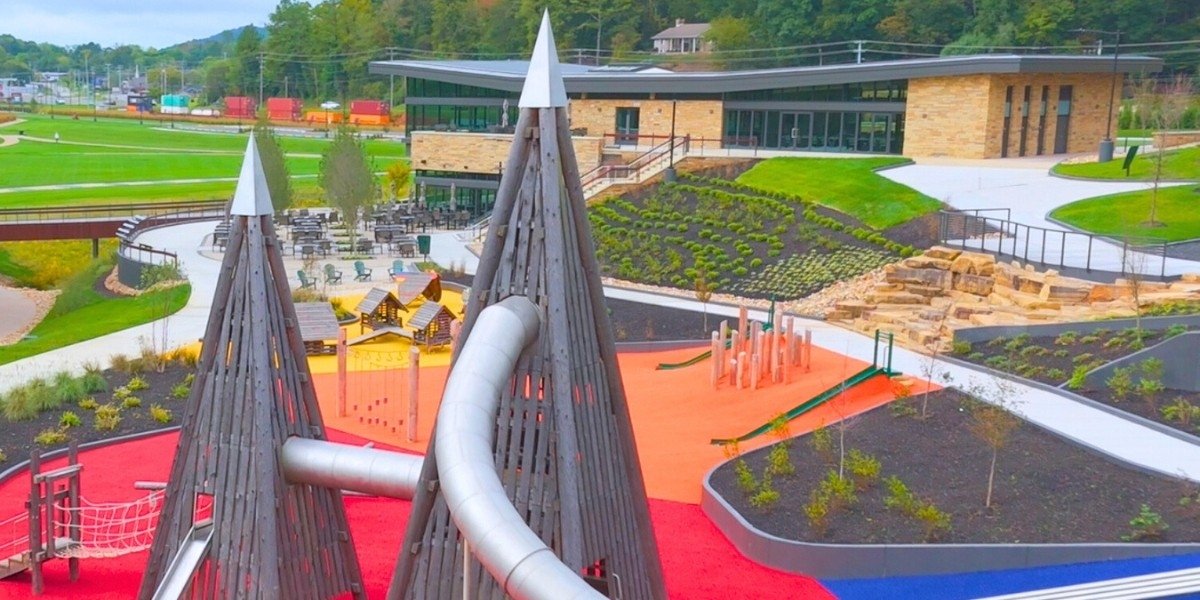
The Atlanta History Center has documented Centennial Olympic Park and Centennial Olympic Stadium as Atlanta’s signature Games constructions. The park, a 21 acre public green space in downtown Atlanta, was the largest urban park created in the United States in 25 years at the time of its completion. Phase I of the park was finished in July 1996 at a cost of $28 million, funded through a combination of foundation gifts, state money, corporate donations, and revenue from a commemorative brick sales program. Phase II followed in 1998 at an additional cost of $15 million.
How Did the Park Change Downtown Atlanta’s Economic Geography?
Centennial Olympic Park’s impact extended well beyond its own 21 acres. The Georgia World Congress Center Authority, which operates the park, reported that the green space attracted $2.2 billion in new development to downtown Atlanta during the 20 year period from 1996 to 2016. By more recent counts, that figure has exceeded $3.2 billion. Hotels, residential towers, and major cultural attractions developed along the park’s perimeter, including the Georgia Aquarium, the World of Coca Cola, the College Football Hall of Fame, and the National Center for Civil and Human Rights, which opened in 2014.
The park also helped reverse a pattern of population decline in Atlanta’s urban core. Nine new hotels and seven residential towers were constructed in the surrounding area in the years following the Games, bringing a permanent residential presence to a downtown district that had previously emptied out after business hours. The park’s proximity to what is now Mercedes Benz Stadium continues to connect the area to major sporting events, concerts, and conventions.
What Happened Beyond the Venues?
The $500 million in public funds invested around the Games financed road improvements, airport expansion at Hartsfield International Airport (now Hartsfield Jackson Atlanta International Airport), and upgrades to MARTA’s public transit infrastructure. Agencies across the city accelerated their construction and improvement timelines in preparation for the estimated 2 million visitors the Games would bring. Approximately 7,500 new hotel rooms were built between 1990 and the opening ceremony, expanding the metropolitan area’s total hotel inventory to more than 60,000 rooms.
The New Georgia Encyclopedia notes that the Games also prompted the construction of new housing and the conversion of existing buildings into lofts in downtown Atlanta, contributing to a residential population that helped reverse decades of urban core decline. Three inner city parks were upgraded, more than 10,000 trees were planted, and more than $500 million was spent on landscaped plazas and promenades that became permanent features of the city’s pedestrian environment.
Before the Games, Atlanta was routinely confused by the international business community with Atlantic City. A one year retrospective published in the American Planning Association journal in 1997 noted that the city had by then become commonly referred to simply by its airport code, ATL. The Olympics positioned Atlanta as a hub for multinational corporate headquarters, conventions, and sporting events in ways the city had not previously achieved on the global stage.
What Did the Redevelopment Cost Atlanta’s Existing Communities?
The infrastructure transformation came with significant costs for some of the neighborhoods nearest to Olympic venues. Techwood Homes, the nation’s first federally subsidized public housing project, and the adjacent Clark Howell Homes were demolished in preparation for the Games. The two complexes contained more than 1,000 affordable housing units that had housed approximately 780 families. The Atlanta Housing Authority secured one of the first federally funded HOPE VI grants to replace the complexes with a mixed income development called Centennial Place.
Of the original Techwood Homes residents, only 78 were able to return to Centennial Place, which offered far fewer subsidized units than the housing it replaced. Neighborhoods including Summerhill, Peoplestown, and sections of Vine City and English Avenue also experienced displacement pressure tied to venue proximity and redevelopment. The Corporation for Olympic Development in Atlanta, a nonprofit created by Mayor Maynard Jackson, spent approximately $76 million on sidewalk repairs, tree planting, parklets, and street lamp installations along the most visible corridors. Some residents viewed those investments as long overdue improvements to neglected communities. Others saw them as cosmetic changes designed to present a polished image to international visitors while pushing existing residents out of neighborhoods they had occupied for decades.
That tension between revitalization and displacement remains part of Atlanta’s ongoing conversation about growth, equity, and who benefits when a city reinvents itself on a global stage.
FAQs
How much did the 1996 Atlanta Olympics cost to host?
The expected cost of the 1996 Olympics was approximately $1.8 billion. About $500 million came from public tax funds directed toward facilities, road improvements, airport expansion, and public transportation. The remainder was covered through corporate sponsorships, ticket sales, and broadcasting rights. The organizing committee reported a $10 million profit on the Games themselves.
What happened to Centennial Olympic Stadium after the Games ended?
The stadium was converted into Turner Field, a 45,000 seat baseball venue that served as home to the Atlanta Braves from 1997 through 2016. Georgia State University later acquired the property and rebuilt it as Center Parc Stadium, which the university’s athletic programs continue to use.
How much economic development did Centennial Olympic Park generate?
The Georgia World Congress Center Authority reported that the park attracted more than $3.2 billion in new development to downtown Atlanta in the decades following the Games. Major attractions including the Georgia Aquarium, the World of Coca Cola, and the National Center for Civil and Human Rights were built along its perimeter.
Did the Olympics affect Atlanta’s public housing?
Techwood Homes and Clark Howell Homes, which contained more than 1,000 affordable units near Olympic venues, were demolished and replaced with a mixed income development called Centennial Place. Only 78 of the original residents were able to return to the new development.
How did the 1996 Olympics change Atlanta’s global reputation?
Before the Games, Atlanta was frequently confused with Atlantic City by the international business community. The Olympics positioned the city as a global hub for corporate headquarters, conventions, and sporting events, and accelerated investments in airport infrastructure, hospitality capacity, and downtown development that continue to define the metropolitan area’s economic identity.
The 1996 Olympics gave Atlanta a global stage, a rebuilt downtown core, and an infrastructure foundation that still supports the city’s tourism and convention economy, but the neighborhoods closest to the venues paid a price that no commemorative brick program or landscaped promenade could fully offset.