

The lives of African American baseball players are deeply intertwined with the overall fight for civil rights and the struggle for equality in American life. African American players have permanently impacted the game for over a century despite the tremendous racial obstacles to achieving greatness on the field. The history of these athletes, beginning with pioneers like Jackie Robinson, is one of determination, resilience, and a sense of willingness to break down barriers. Robinson’s opening day in 1947 for the Brooklyn Dodgers marked a historic moment in baseball and an achievement in American society that helped prompt the integration of professional sports and challenged the long-established racial segregation system in America.
Ever since Robinson’s milestone success, African American players have continued to leave their mark on Major League Baseball (MLB). Legends such as Willie Mays, Hank Aaron, and Reggie Jackson have secured their place in the game’s history, further solidifying the role of African Americans. However, despite this heritage, the number of African American players in MLB has gradually diminished. In the last several years, African Americans have constituted just 6% of all Major League Baseball players, a dramatic contrast to the 27% of African American players that comprised the league in the 1970s. This decline has been accompanied by alarm over the future of African American representation in baseball and the causes of this trend.
Several reasons have been advanced for this decline in participation, including most of the inner-city community system problems. Inner-city towns, where most African American households reside, often lack the necessary infrastructure to support the growth of youth baseball. Appropriate fields, coaches, and training centers are generally unavailable, making it difficult for younger players to pursue their dreams in baseball. Moreover, the cost of traveling squads, personal coaching, and other expert instruction discourages involvement from families with less economic means.
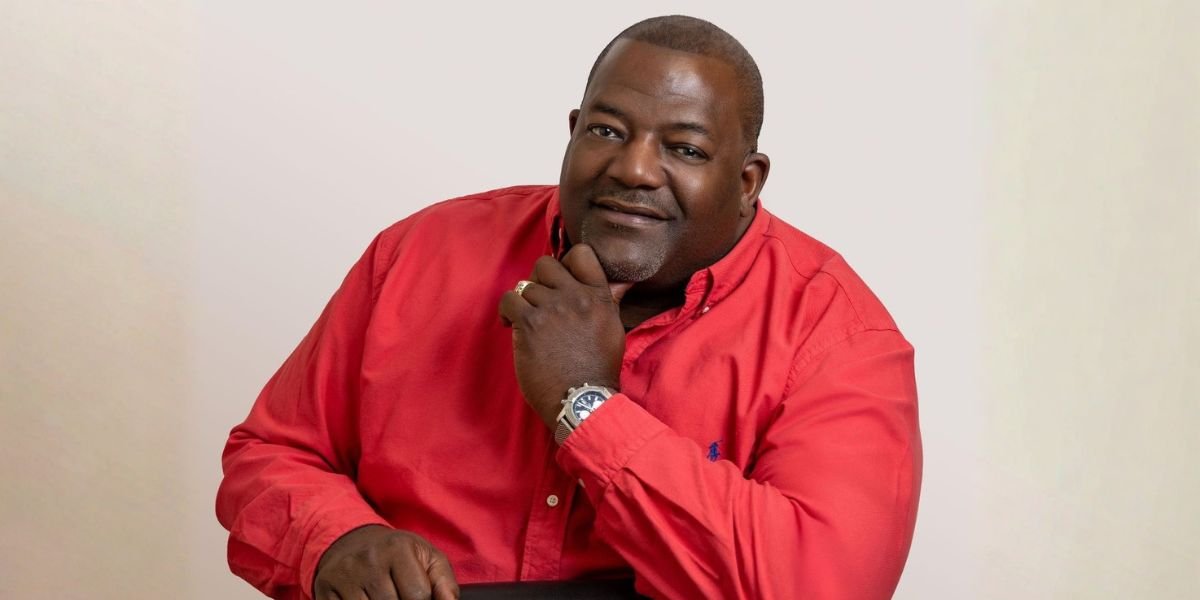
Community leaders and retired athletes have risen to the challenge to make a difference in response to these issues. One such person is Dwayne Moore, whose baseball career and post-baseball activities mirror African American athletes’ larger trends and challenges in the sport. Moore’s career reflects the strength of African American players as he waded through the highs and lows of baseball. Being a star during his playing career was his highlight, but what he has done since has been far greater in its impact than on the field. Moore spent the post-playing years committed to mentoring young athletes in underprivileged communities, specifically Brooklyn, New York.
For most of his life, Moore has instilled a love of the game among young athletes, especially those in underprivileged communities. Through his work, Moore has sought to turn around declining African American representation in baseball by mentoring young prospects. His efforts to connect with youth baseball leagues, particularly those in Brooklyn, have encouraged young players to pursue baseball and hone their craft. By fostering teamwork, discipline, and persistence, Moore has helped to shape key life skills among his mentees.
Besides mentoring, Moore’s entrepreneurial expertise has contributed equally to transforming baseball. Tapping into his entrepreneurial accomplishments, Moore has facilitated sponsorships and partnerships for youth leagues within his community, enabling such programs to thrive. Through his own brainchild company, Moore National Facility Services (MNFS), Moore has made opportunities available to young players, giving them access to equipment, coaching, and facilities to develop their skills and become proficient at the game.
While admirable on Moore’s part, the response also underlines a central imperative for change. Building inner-city baseball programs must be central to correcting the imbalance of African Americans’ sports representation. MLB and other bodies must prioritize investment in grassroots programs, offering the same infrastructure, training, and funding to help ensure that every young sportsman has an equal chance to play baseball at the elite level. This pledge has to be followed by an emphasis on inclusivity so that African American youth have access to the sport and are guided in their path to the professional level.
The future of African American baseball players hinges on the combined efforts of every stakeholder in the sport. MLB, grassroots groups, and civic leaders such as Dwayne Moore must cooperate to reverse the existing trend of shrinking representation. The obstacles are significant, but with more investment in youth baseball programs, increased access to resources, and further focus on leadership and mentorship, it is possible to address the reality that African American players continue to be at the center of baseball’s future.
The influence of African American sportsmen in baseball cannot be underestimated. Since Jackie Robinson broke into Major League Baseball, African American ballplayers have enriched the sport in numerous ways. Yet, even now, their struggles teach the necessity for recommittal to the sport’s inclusiveness. With the support of young players, access to opportunity, and honoring the heritage of African American baseball players, the sport can continue to be a vibrant, inclusive part of the American fabric.
The contributions of Dwayne Moore are quintessential to the broader cultural effects of African American players in baseball. His story captures the continual struggles of the African American player and emphasizes the vital necessity of fortified youth programs and increased involvement with the surrounding community. As the game progresses, it must be important that the heritage of African American players be maintained and future generations be equipped with the resources necessary to excel in the sport.