
Leadership is often discussed in terms of skills, strategy, and performance. Far less attention is given to alignment, how a leader’s natural strengths intersect with their role, their team, and the people they serve. Yet this alignment is often the difference between organizations that survive and those that soar. Dr. Stephanie Wall has seen this truth play out repeatedly across executive leadership, higher education, and organizational development. And she has lived it.
A Leadership Philosophy Shaped by Experience
Dr. Stephanie is a certified strengths-based coach, but her belief in strengths-based leadership predates her certification. It was shaped in real leadership environments, where outcomes mattered, teams were complex, and alignment was not optional.
In two separate executive leadership roles, Dr. Stephanie served in organizations that required all executive leaders to complete a strengths assessment. This was not a symbolic exercise. It was a strategic decision rooted in the belief that leadership is most effective when people are positioned according to how they naturally think, lead, and contribute.
The goal was simple but powerful: ensure that strengths, roles, and responsibilities were aligned, not just for performance, but for sustainability and service. This alignment created an environment where leaders could thrive without burning out, and teams could function cohesively toward shared objectives. It ensured that every individual’s natural talents were leveraged, making work more fulfilling and the organization more resilient.
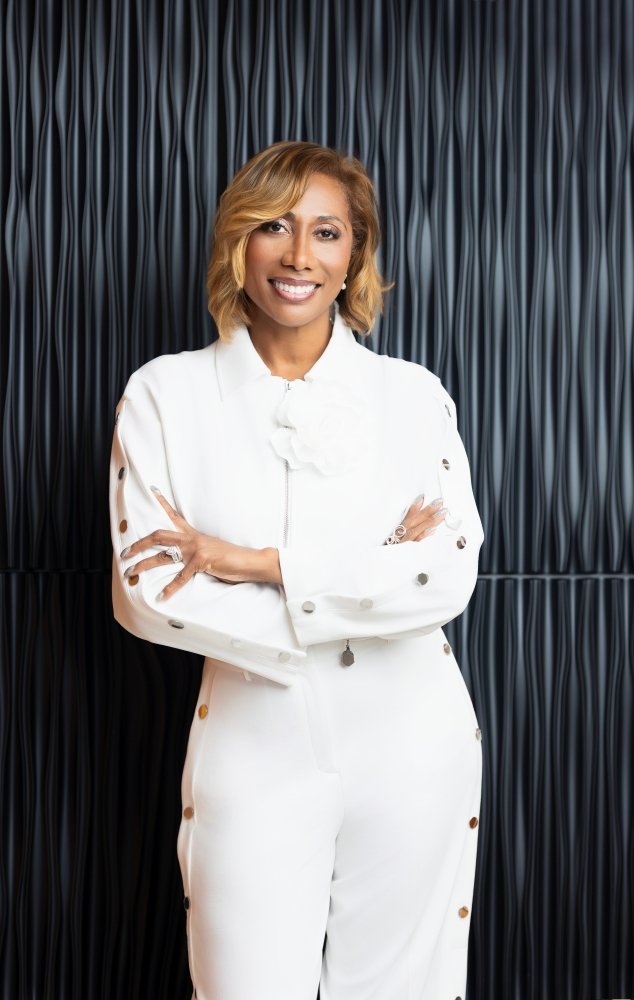
Photo Courtesy: Emma Burcusel
Why Knowing Your Strengths Matters
Too often, leaders are promoted based solely on competence, without clarity about how they lead best. Dr. Stephanie observed that when leaders understand their strengths, decision-making sharpens, communication improves, and leadership becomes more intentional.
Knowing strengths allows leaders to:
- Lead from clarity instead of comparison
- Delegate with purpose rather than control
- Communicate expectations more effectively
- Reduce friction caused by misalignment
Strengths don’t eliminate challenges, but they provide a roadmap for navigating them. By understanding their natural abilities, leaders can approach obstacles with confidence and clarity. This self-awareness helps them focus on solutions that align with their strengths, turning potential setbacks into opportunities for growth.
Why Team Strengths Matter Just as Much
Dr. Stephanie’s experience in strengths-based organizations revealed something even more impactful: when teams understand one another’s strengths, collaboration changes.
In those executive environments, strong language became a shared framework. Leaders learned how to work with one another,n ot around one another. Differences were no longer personal; they were strategic.
This understanding helped teams:
- Anticipate how others process information
- Leverage complementary leadership styles
- Reduce unnecessary conflict
- Serve their communities and stakeholders more effectively
The result was not sameness, but synergy.
Who This Work Serves
Dr. Stephanie brings this strengths-based approach to:
- Executive leadership teams seeking alignment
- CEOs and founders building sustainable organizations
- Leaders responsible for people, culture, and outcomes
- Organizations committed to serving others well
This work is especially powerful for women leaders who are often expected to adapt endlessly rather than be intentionally positioned.
The Outcome of Strength-Based Organizations
Dr. Stephanie has seen it repeatedly: when leaders are aligned with their strengths and teams are built with intention, organizations thrive.
People feel seen.
Leadership feels shared.
Performance improves without burnout.
Strength-based organizations don’t just function better; they grow stronger, healthier, and more resilient.
The Leadership Invitation
Dr. Stephanie Wall’s work reminds leaders that success is not about fixing weaknesses—it’s about activating strengths.
When leaders know themselves, understand their teams, and align roles with natural capacity, leadership becomes more effective and more human.
Because when strengths are honored, organizations don’t just survive change. They soar.
She Has Something to Say
Where leadership, voice, and legacy meet.

Photo Courtesy: One Million Lives Transformed
Scan to step into She Has Something to Say, a leadership experience for women ready to unmute their voice, claim their influence, and lead what’s next.