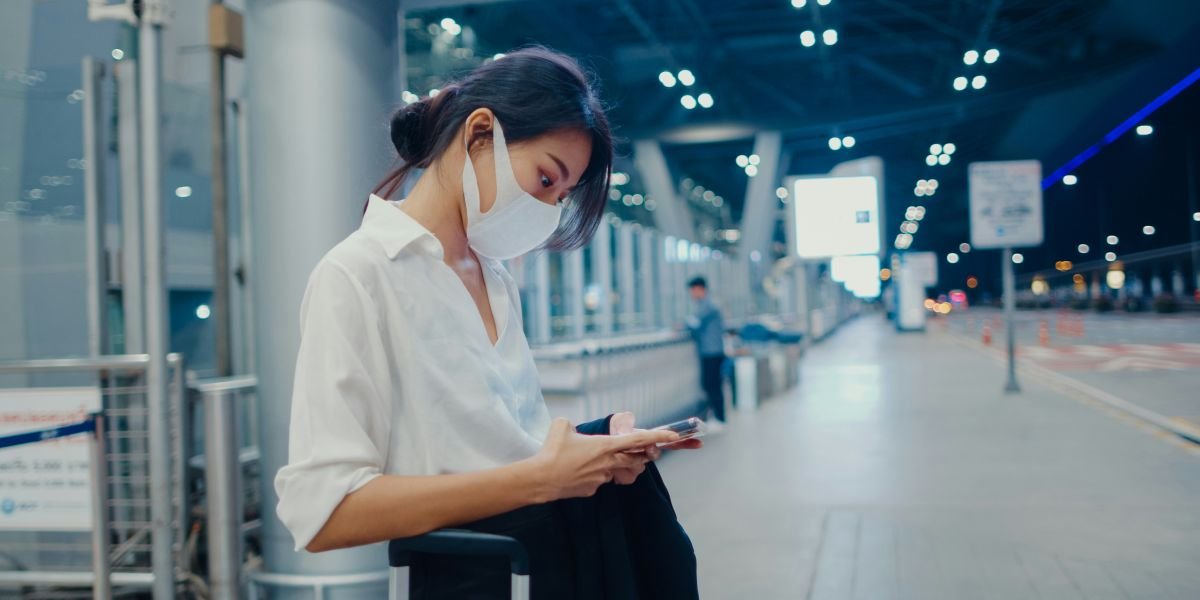

Millions of travelers across the United States are facing severe flight disruptions as a combination of powerful spring storms and critical staffing shortages forced over 1,200 flight cancellations on Tuesday, March 17, 2026. Hartsfield-Jackson Atlanta International Airport, the world’s busiest travel hub, became the epicenter of the crisis, with security wait times exceeding 90 minutes and hundreds of passengers missing their flights. Aviation experts confirm that while weather triggered the initial delays, a partial government shutdown affecting the Transportation Security Administration (TSA) has created a staffing “breaking point,” leaving many major airports unable to process the high volume of spring break travelers.
The Perfect Storm: Weather Meets a Shutdown
The travel chaos began early Tuesday morning as a massive weather system moved across the Midwest and toward the East Coast. Heavy thunderstorms, high winds, and pockets of late-season snow triggered ground stops in several major cities. According to national flight-tracking data, the 1,200 cancellations recorded by midday Tuesday represent a 15% increase in disruptions compared to the same period last year.
However, the weather is only half of the story. Because of a partial U.S. government shutdown, Department of Homeland Security employees—including TSA agents—are currently working without a guaranteed paycheck. This has led to a sharp rise in “unscheduled absences” and sudden resignations among security staff.
“We are seeing a direct correlation between the financial stress on our officers and the length of the lines at the checkpoints,” says David Pekoske, a former administrator involved in national security oversight. He noted that when agents cannot afford childcare or gas to get to work because their pay is frozen, the entire aviation system suffers. “You cannot run the world’s busiest airport at half-capacity during the height of spring break,” he added.
Hartsfield-Jackson: A Hub in Gridlock
In Atlanta, the situation reached a critical level by Tuesday afternoon. Security lines at Hartsfield-Jackson stretched far beyond the standard queuing areas, winding through the main atrium and back into the baggage claim zones. Airport officials reported that some travelers spent nearly two hours just trying to reach the X-ray machines.
The impact on airline operations has been immediate. Delta Air Lines, which uses Atlanta as its primary hub, had to delay dozens of departures because hundreds of ticketed passengers were still stuck in security lines when their planes were scheduled to push back.
| Airport Location | Cancelled Flights (Tuesday) | Avg. Security Wait Time |
| Atlanta (ATL) | 342 | 95 Minutes |
| Chicago (ORD) | 188 | 55 Minutes |
| New York (JFK) | 145 | 60 Minutes |
| Charlotte (CLT) | 92 | 45 Minutes |
“The terminal is a sea of people,” says Marcus Thorne, a travel industry analyst who was at the airport on Tuesday. “You have families with small children sitting on their suitcases because there is nowhere else to go. This isn’t just a weather delay; it’s a systemic failure caused by the staffing shortage.”
The Human Cost of the Staffing Strain
The TSA agents who are showing up to work are facing immense pressure. Under the current shutdown rules, these “essential” employees must work despite the lack of immediate pay. Union representatives for the agents have warned that the current pace is not sustainable.
“Our officers are dedicated to public safety, but they have bills to pay just like everyone else,” a spokesperson for the American Federation of Government Employees stated during a press briefing. “When you combine the stress of a government shutdown with the anger of thousands of delayed passengers, it creates an environment where people simply burn out and quit.”
This staffing strain is particularly visible at “Category X” airports—the largest and busiest hubs. Because these locations require hundreds of agents per shift to stay efficient, even a 10% drop in attendance can cause wait times to double or triple during peak hours.
Nationwide Impact and Spring Break Surge
While Atlanta is the hardest hit, the “ripple effect” is being felt from Los Angeles to Boston. Because planes and crews are often scheduled to fly multiple legs in a single day, a cancellation in the Midwest often leads to a “no-show” aircraft for a flight on the West Coast later that evening.
Travel demand in March 2026 is at a record high. Industry data shows that spring break travel is up 8% over 2025 levels. With more people flying than ever before, there is no “slack” in the system to absorb the current disruptions. Every cancelled flight leaves hundreds of passengers searching for seats on other planes that are already 95% full.
Survival Tips for Travelers
Aviation officials and travel experts are urging the public to change their travel habits until the staffing and weather situations improve. The current advice includes:
Arrive Four Hours Early: For major hubs like Atlanta or Chicago, the standard two-hour window is no longer enough.
Check Apps Constantly: Flight statuses are changing by the minute. Travelers should rely on airline mobile apps for the most up-to-date gate and timing information.
Carry-On Only: With baggage claim areas crowded and staff stretched thin, bringing only a carry-on bag can save hours of waiting at the destination.
Monitor the TSA Website: Many airports now post “real-time” wait estimates online, though experts warn these may lag during periods of extreme chaos.
The outlook for the remainder of the week remains uncertain. Forecasters predict that the storm system will move into the Atlantic by Thursday, but the staffing issues caused by the government shutdown could last much longer. Until a budget agreement is reached in Washington, D.C., the lines at America’s airports are likely to remain a significant hurdle for the millions of people trying to reach their spring break destinations.