

In an era when media publicity can shape the perception of relevance for cultural platforms, industry events are increasingly scrutinized for their representation, diversity, and universal appeal. With more audience demand for diverse stories and open acknowledgment, the light is turned not only on who will receive an award, but also on what the award signifies. Red carpets and celebrity guests are no longer the sole measures of film festivals and entertainment awards. Instead, the discourse has broadened—media now closely follow those platforms that reflect the world’s intricate cultural weave.
The growth of socially aware award systems in film and media is a sign of broader shifts in public consciousness. Cinemas in 2025 are strongly shaped by honesty, accessibility, and the inclusion of marginalized voices. This has been further validated by media institutions increasingly aligning with festivals and awards that elevate inclusive storytelling. According to a 2023 Nielsen study, 61% of global consumers report being more likely to support content that represents a broader spectrum of identities and geographies. This changing measure of cultural success is encouraging legacy institutions and new ones alike to rethink their strategy, and some, such as the Septimius Awards, are getting notice for just that.
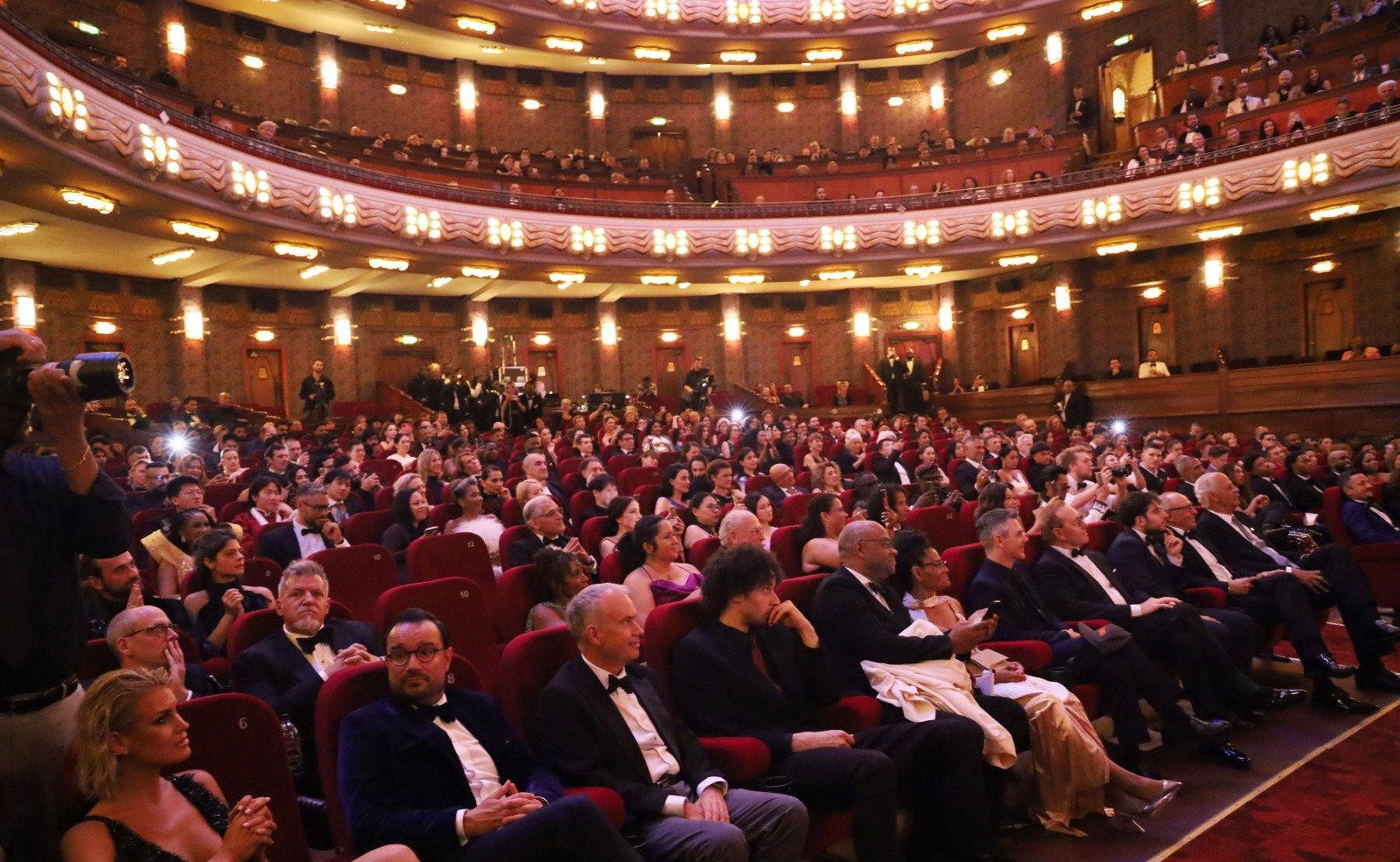
Since its inception, the Septimius Awards have slowly broadened their reach across mainstream media outlets. Publications including Forbes, GQ, ELLE, and MSN have featured coverage of the Amsterdam event, recognizing its growing scale and forward-thinking spirit. The Septimius Awards, named after Roman Emperor Septimius Severus, who reigned in the third century, were specifically selected to invoke historical multiculturalism and mastery. Its founder, Jan-Willem Breure, had a vision for a recognition platform that not only celebrated film but also an ever-changing society where boundaries, languages, and genres would no longer constrain creativity. “The world is becoming more divided, but I think film can bring unity.” Jan-Willem’s past, coming from Rwanda and knowing about the aftermath of the genocide, deeply influenced his belief in the power of unity. He saw how division could lead to unimaginable suffering, and how healing required shared understanding. This experience inspired him to create a space where stories from different cultures could connect people and foster empathy through film.
The competitive awards for Best Actor, Best Actress, and Best Feature Film are divided by continents: Europe, America, Asia, Africa, and Oceania for competitive awards; but there are additional categories that also include: Best Short Film, Best Documentary, Best Director, Best Screenplay, Best Cinematography, Best Music Video, and Best Animation, etc. The additional categories and awards expand the opportunities made available to international filmmakers. For example, technical categories also include Best Soundtrack, Best Makeup & Hairstyling, and Best Costume Design, which recognize excellence in skilled crafts. In 2022, the famous singer Calum Scott attended the Septimius Awards and won Best Music Video, further cementing the event’s appeal to a diverse range of artistic talent and its growing prominence in the entertainment industry.
Beyond the awards themselves, the Septimius Awards also host crucial panel discussions that address vital industry topics. These panels delve into subjects like diversity in filmmaking, the advancement of women in film, and the burgeoning impact of Artificial Intelligence. Founder Jan-Willem Breure, while acknowledging AI’s potential, grapples with a deep fear about its pervasive influence. He worries that AI will become the dominant force in film production, threatening countless jobs across the industry and potentially diminishing the human element of storytelling.
The Septimius Awards also recognize a variety of modern achievements, such as Best Content Creator and the Lifetime Achievement Award, presented to filmmakers who have had a long and noteworthy career in film. The Septimius Awards aim to recognize a diverse range of storytelling forms. In this way, award ceremonies like Septimius have an international submission process, having received submissions from more than 30 different countries, which has developed a strong identity in celebrating cinematic diversity across languages, formats, and cultures.
The increasing media coverage is also an acknowledgment of its ambassadors’ status. Stedman Graham, best known for his career in leadership training and for his long affiliation with Oprah Winfrey, is a global ambassador of Septimius. His attendance at the event, combined with his focus on equity and education, reinforces the awards’ connection to a more aware media environment. Graham’s participation has lent a level of legitimacy that the media have taken note of. His involvement aligns the platform with broader discussions in American and international cultural discourse, particularly those centered on leadership and representation.
Belgian media executive Glenn Roggeman, another ambassador, introduces a different yet complementary influence. As CEO of AED Studios, one of Europe’s largest media centers, and with an estimated net worth of over €300 million, Roggeman’s presence lends the event industrial gravitas. His patronage, which emphasizes technical innovation and international cooperation, also demonstrates faith in the platform’s long-term future.
Red-carpet appearances also contributed to public attention. Oscar winners such as Jenny Beavan, Janty Yates, Anne Dudley, David Parfitt, Kevin Willmott (known for his work on Spike Lee’s *BlacKkKlansman*), and Sir Christopher Hampton have attended the awards, providing a further boost of visibility that supported foreign headlines. Although celebrity sightings are not the focal point of the event, recognizable faces necessarily fuel initial excitement and subsequent publicity. Media sources frame such sightings in light of the event’s emerging reputation, suggesting that the platform is starting to resonate beyond regional or niche circles.
Although there are challenges. As with most independent platforms, Septimius has to balance ideology with logistical and fiscal imperatives. Staying neutral and culturally sensitive on different continents while bringing in the big names and media spotlight is no easy accomplishment. Yet, the composition of its network of ambassadors, the purity of its founder’s vision, and increasing media support indicate the Awards are creating a lasting niche in the world of films and entertainment.
As the Septimius Awards prepare for their next iteration in 2025, their growing media coverage in mainstream high-end media reflects a consistent increase in significance. Though it is merely one of several awards competing for international recognition, its comprehensive framework, unique historical designation, and shifting media narrative make it a key contender in the arena of international recognition platforms. Whether it translates into permanent institutional influence is yet to be determined, but its growing media profile cannot be ignored.