Get Fit, Feel Great: Your Guide to Motivation, Workouts, and Mind-Body Wellness

You know that feeling, right? You sign up for the gym, all pumped up and ready to get fit. But then you walk in, see all those machines and weights, and suddenly you wanna crawl back under the covers. Don’t worry, it happens to the best of us! The thing is, that first step is often the hardest.

But here’s the deal: fitness doesn’t have to mean suffering on a treadmill for hours. The secret is finding something you actually enjoy. Think about it – would you rather dance your way to fitness in a Zumba class or challenge yourself with some rock climbing? There’s something out there for everyone. As one fitness enthusiast puts it, “If you don’t like working out, you haven’t found the right workout yet!”

The most important thing is getting started and being consistent. Once you make fitness a regular part of your life, it stops being this big scary hurdle and just becomes something you do. And trust me, the feeling of being strong, energized, and proud of yourself is worth way more than an extra hour of Netflix.

Picture this: you decide to run a marathon after months on the couch. Sounds inspiring…until day one when you’re gasping for air after 5 minutes. That’s a fast track to feeling like a failure. Instead, focus on those baby steps: maybe your goal is jogging for 20 minutes straight without stopping or mastering 10 perfect push-ups. Each tiny win is fuel for the next one!

Let’s be honest, sometimes the best part of working out is the company. Find your gym buddy, the one who makes you laugh through the pain, or join that super energetic dance class. Knowing someone’s expecting you makes it a lot harder to hit snooze. As the saying goes, “The only bad workout is the one that didn’t happen.”

Okay, bribing yourself a little totally works! Hit a workout streak? Treat yourself to those new leggings you’ve been eyeing. Nailed a tough new exercise? A massage to work out those sore muscles is totally justified. A little reward goes a long way in keeping you excited about your fitness journey.

The best workout is one you’ll actually do! Match your fitness level to the right routine:

  • Beginner: Start with bodyweight exercises (think squats, push-ups, lunges) and brisk walking. Work up to 3 sets of 10-12 repetitions of each exercise, three days per week.
  • Intermediate: Add light weights or resistance bands to your routine. Aim for 30 minutes of moderate-intensity cardio most days.
  • Advanced: Incorporate weightlifting, high-intensity interval training (HIIT), or more challenging sports. A personal trainer can help craft a workout plan.

Don’t Forget Rest & Recovery

Okay, you workout warrior, time to chill out for a second! Think of your body like a machine. You can push it hard, but if you never do maintenance, it’ll eventually break down. Rest days are like an oil change for your muscles – they NEED them to get stronger.

Picture this: you’re crushing those squats, feeling like a beast. Next day, you’re so sore you can barely walk downstairs. That’s your muscles screaming for a break! Skipping rest makes injuries way more likely and slows your progress in the long run. “Train hard, rest harder” is the motto for a reason.

But “rest” doesn’t mean being a couch potato all day. Take a relaxing walk, try a gentle yoga class, or do some feel-good stretches. It’s all about keeping your body moving and aiding that muscle recovery. And honestly, after a tough week of workouts, chilling out with some yoga feels amazing.

The Yoga and Meditation Magic

Fitness isn’t just about cardio and weights. Yoga and meditation have a place in your routine, enhancing both physical and mental well-being.

  • Benefits of Yoga:

    • Increased flexibility and strength: Holding yoga poses challenges your muscles and improves range of motion.
    • Stress reduction: The focus on breath and movement promotes relaxation and stress relief.
    • Improved balance: Yoga poses require concentration and body awareness, leading to better balance and coordination.
  • Benefits of Meditation

    • Reduced anxiety: Meditation can help calm a racing mind and bring focus to the present moment.
    • Better sleep: Meditation practices promote relaxation, helping you fall asleep faster and stay asleep longer.
    • Improved concentration: The act of focusing during meditation strengthens your attention span over time.
Ready to zen out and find some inner peace? Yoga and meditation are amazing for your body and mind. The best part is, you don’t need fancy gear or a gym membership to get started! YouTube is basically your own personal yoga studio. Search for beginner classes, yoga for stress, or try different styles to see what feels good. There’s truly something for everyone out there.

Feeling overwhelmed by a racing mind? Meditation apps are your new best friend. Guided meditations on apps like Headspace or Calm are awesome for newbies. They help you focus on your breath, ditch distractions, and feel instantly less stressed. Think of it as a brain workout!

Sometimes, it’s nice to get out of the house and practice with others. Check out yoga or meditation studios in your area. In-person classes are great for getting feedback on your form and meeting like-minded people. Plus, sometimes being in a dedicated space makes it easier to focus and leave the outside world behind.

Okay, now we’re talkin’ about making fitness a habit, not just a New Year’s Resolution that fades by February! Sometimes, figuring out the best way to workout can be overwhelming. That’s where a personal trainer can be your secret weapon. They’ll tailor a plan specifically for you, keeping it safe and fun so you actually see results.

The key to sticking with any fitness program is finding something you genuinely look forward to. If you hate running, don’t force yourself to do it! Maybe swimming, biking, or kickboxing is more your jam. “The best workout is the one you’ll actually do,” is a classic fitness saying for a reason.

Don’t be afraid to mix it up! Trying new things keeps workouts fresh and your body guessing. One day you’re blasting your core with Pilates, the next you’re sweating it out in a spin class. This beats boredom, helps you avoid plateaus, and makes hitting the gym way more exciting!
Exploring Free Museum Days and Must-See Exhibits for a Cultural Experience

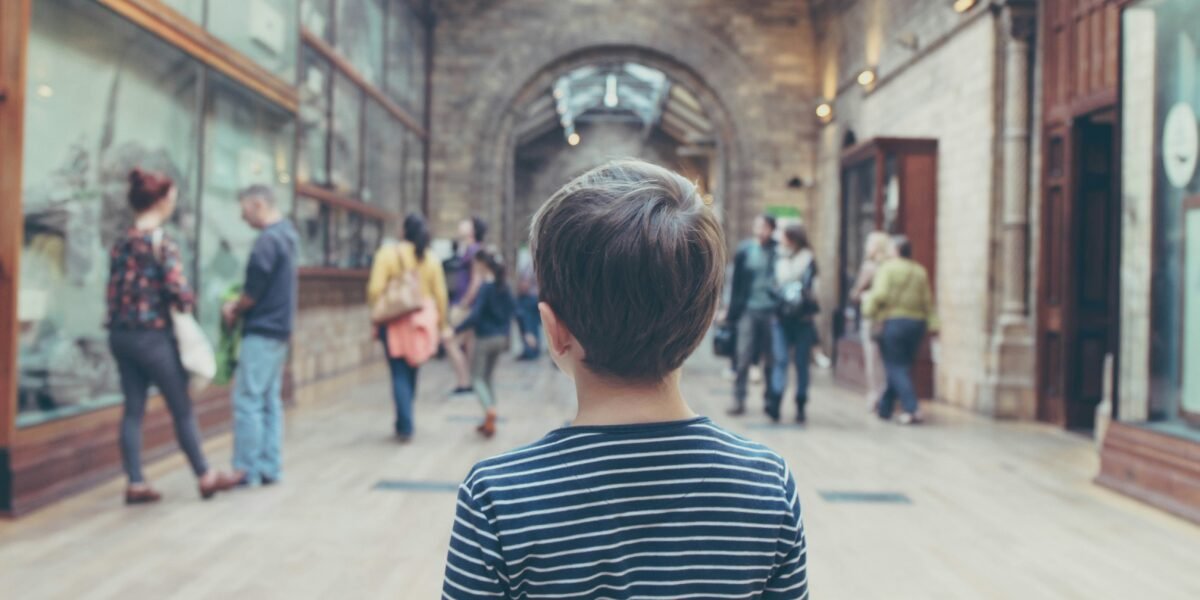
Museums offer a window into history, art, and culture, and visiting one is always a rewarding experience. Whether you’re an art enthusiast, history buff, or just looking for a unique weekend outing, museums have something for everyone. If you’re seeking both budget-friendly and unforgettable experiences, free museum days and immersive exhibits like the Titanic display are perfect options. But how can you take advantage of these opportunities, and what makes these exhibits worth your time?

How Can You Access Free Admission Days at Museums?

One of the best ways to enjoy art and history without breaking the bank is by visiting museums on their free admission days. Many museums across the country offer free or discounted entry on specific days each month. For example, the High Museum of Art in Atlanta is known for its popular “Second Sundays,” a monthly event where visitors can explore the museum’s vast collection of art without paying an entrance fee.

These free admission days provide a fantastic opportunity for individuals and families alike to experience world-class exhibits that might otherwise be out of their budget. On these special days, not only can you access the museum’s permanent collection, but you may also be able to catch special programs, tours, or workshops. These events often feature activities designed to engage visitors of all ages, making it an excellent family-friendly outing.

It’s a good idea to plan your visit in advance, as free days can attract larger crowds. Be sure to arrive early to make the most of your time and to avoid any lines. Whether you’re interested in modern art, classical works, or cultural exhibits, free admission days are a great way to immerse yourself in a diverse array of artistic and historical experiences.

What Is the Titanic: An Immersive Voyage Exhibit?

For those looking for a more immersive experience, the Titanic: An Immersive Voyage exhibit offers a unique and captivating journey through the history of one of the world’s most famous ships. This exhibit allows visitors to explore the Titanic’s story in a way that goes beyond traditional displays. Using cutting-edge virtual technology, the exhibit takes you through key moments in the ship’s history, from its construction to its ill-fated voyage.

Unlike typical museum exhibits that focus on displaying artifacts and photographs, immersive experiences like this one combine storytelling with interactivity. The Titanic exhibit is designed to make visitors feel as if they are stepping onto the ship itself, offering a chance to see detailed recreations of the Titanic’s interior and experience the grandeur of the vessel firsthand. You’ll be able to walk through virtual representations of the ship’s lavish dining rooms, first-class cabins, and even the engine room.

The exhibit also highlights personal stories of passengers and crew, providing a human element to the Titanic’s tragic tale. By weaving together historical facts and interactive technology, the exhibit allows visitors to connect with history in a more personal and emotional way. Whether you’re a history enthusiast or someone looking for a unique cultural experience, this immersive exhibit is sure to leave a lasting impression.

Why Are Museums and Exhibits Important for Cultural Enrichment?

Museums and exhibits like the High Museum of Art and the Titanic exhibit offer much more than just a day of entertainment—they are valuable resources for cultural enrichment. Visiting museums exposes you to new perspectives, ideas, and art forms that can broaden your understanding of the world. Whether it’s exploring a collection of ancient artifacts, engaging with contemporary art, or learning about historical events, museums provide  opportunity to learn and reflect.

Exhibits such as Titanic: An Immersive Voyage also offer a chance to experience history in a new and engaging way. The use of virtual technology in exhibits like this allows visitors to step into the past and gain a deeper understanding of significant events. These interactive experiences make history more accessible, transforming facts and figures into real stories that resonate with people on a personal level.

Additionally, museums serve as community hubs, offering educational programs, workshops, and events that foster a love for art and history. Free admission days encourage wider participation, allowing more people to engage with cultural institutions, regardless of their financial situation. These initiatives make art and history more inclusive, ensuring that everyone has the opportunity to learn and grow through the power of culture.

Museums and exhibits are not only about preserving the past—they are about creating meaningful experiences that inspire curiosity and learning. Whether you’re taking advantage of free admission days at the High Museum of Art or embarking on a virtual journey with the Titanic, these cultural experiences offer something valuable for everyone. So, next time you’re planning a day out, consider visiting a museum or exhibit for an enriching experience you won’t soon forget.

Sweet Auburn Music Fest 2024: A Celebration of R&B Music and Southern Food

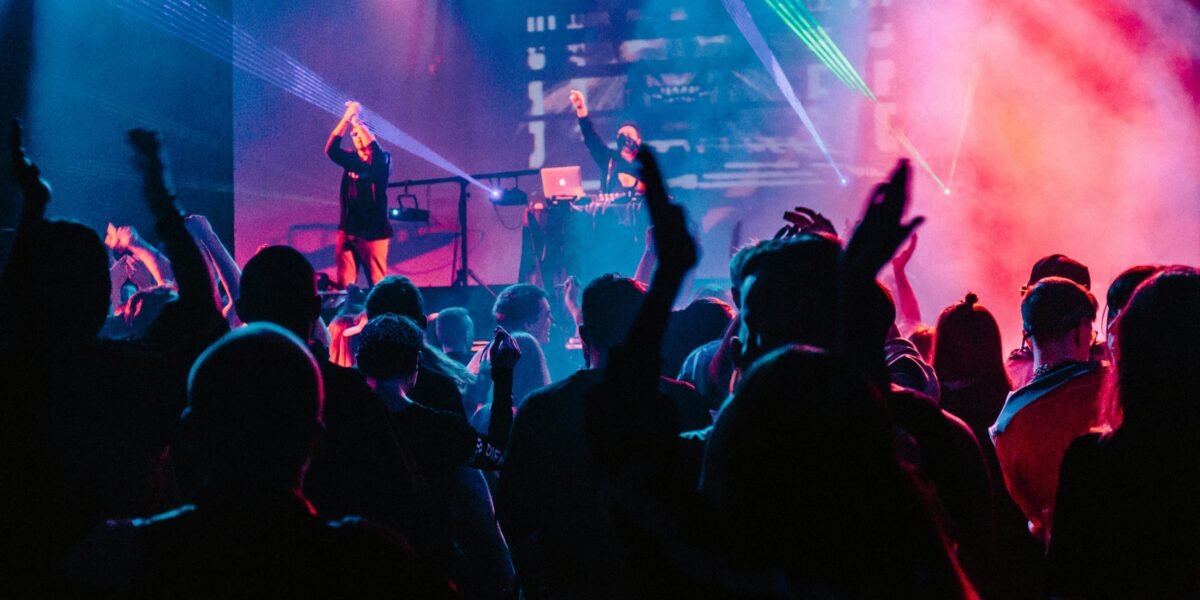
Every year, Atlanta’s Sweet Auburn Music Fest brings people together to celebrate the soulful sounds of R&B and the flavors of Southern cuisine. Held in the historic Sweet Auburn district, this two-day event on September 28-29, 2024, promises an exciting experience for music lovers and foodies alike. Whether you’re a long-time fan of rhythm and blues or you’re just looking for a good time, this festival is a great way to spend a weekend. With its mix of live performances and delicious eats, it’s no wonder why people keep coming back year after year.

What can you expect at Sweet Auburn Music Fest?

Imagine walking through one of Atlanta’s most culturally rich neighborhoods, the historic Sweet Auburn district, with music floating through the air and the smell of fried chicken, barbecue, and other Southern favorites all around you. That’s exactly what you can expect at Sweet Auburn Music Fest. But this festival is more than just music and food—it’s a celebration of culture and community.

R&B music takes center stage during the festival, with live performances from both up-and-coming artists and established names. In the past, the festival has attracted big R&B stars, and this year will be no different. From smooth, soulful tunes to upbeat rhythms, the music at Sweet Auburn will have you swaying, dancing, and singing along. This year’s lineup is packed with talented musicians who are ready to bring the house down. Keep your ears open for local talent too, as Atlanta is known for producing some of the most talented artists in the R&B scene.

Food is just as much a part of the experience as the music. The festival draws a crowd of food vendors offering traditional Southern food, from fried catfish and shrimp to hearty barbecue platters. No matter what kind of Southern comfort food you’re craving, there will be something to satisfy your taste buds. And it’s not just about full meals—there are also plenty of treats to snack on, like funnel cakes, candied apples, and sweet tea. If you’re looking to explore Southern cooking or revisit old favorites, this festival is the place to do it.

Why is Sweet Auburn Music Fest important to Atlanta?

The Sweet Auburn district has a deep cultural and historical significance in Atlanta, especially for African American history. It’s known as the birthplace of the Civil Rights Movement and was home to key figures like Dr. Martin Luther King Jr. Hosting a music and food festival in this area is more than just a good time—it’s a way to honor the history and keep the spirit of the community alive.

The festival itself serves as a reminder of the rich cultural contributions of African American artists and chefs to Atlanta’s identity. It’s a space where people can come together, enjoy themselves, and celebrate the city’s unique blend of culture and history. Events like this are important because they bring attention to neighborhoods that are sometimes overlooked, shining a light on the people, businesses, and stories that make Atlanta so special.

By attending the Sweet Auburn Music Fest, you’re not only enjoying a day of music and food but also supporting the local economy. Small businesses and food vendors rely on events like this to reach a wider audience, and for many, the festival provides a significant boost. It’s a win-win: festival-goers get to experience authentic Southern cuisine while supporting hardworking, passionate vendors.

How can you make the most out of the festival?

To fully enjoy the Sweet Auburn Music Fest, it’s a good idea to plan ahead. With so much to see, hear, and taste, it can be overwhelming if you don’t have a game plan. Start by checking out the festival’s lineup and scheduling your day around the performances you want to see. The music starts early and runs throughout the day, so be prepared to be on your feet, dancing, and grooving to the beats.

When it comes to food, pace yourself! With so many food stalls to choose from, it’s tempting to dive right in, but you’ll want to save room for all the different flavors. Try a few smaller dishes from different vendors to sample a bit of everything. And don’t forget to grab a cold drink, as the late September weather in Atlanta can still be warm.

While you’re walking around, take time to explore the neighborhood. The Sweet Auburn district is home to many historical landmarks and murals that tell the story of the Civil Rights Movement and the African American experience in Atlanta. Visiting these spots adds an educational element to your festival experience, making it not just fun but meaningful as well.

Parking can be tricky, as it is with any large event in a busy city. Consider taking public transportation or carpooling to avoid the stress of finding a spot. There are also designated festival shuttle services that make it easy to get in and out of the area.

And finally, bring your friends or family along! The Sweet Auburn Music Fest is a family-friendly event, so there’s something for everyone to enjoy. Whether you’re bonding over music, trying out new foods, or just soaking in the lively atmosphere, it’s an experience that’s best shared with loved ones.

The Sweet Auburn Music Fest is more than just an event; it’s a celebration of Atlanta’s vibrant culture and history. With a perfect mix of R&B music, Southern food, and a deep connection to the community, it’s a festival that keeps people coming back every year. So, mark your calendar for September 28-29 and get ready to immerse yourself in the sounds and flavors of the South. Whether you’re a local or visiting from out of town, the Sweet Auburn Music Fest offers an unforgettable experience that showcases the best of what Atlanta has to offer.

Charting Atlanta’s Rise as the Undisputed Capital of Hip-Hop

Move over New York, LA, and even Houston – Atlanta has cemented its place as the beating heart of hip-hop. It’s not just about chart-toppers; it’s the undeniable influence ATL has on the sound, the trends, and the very soul of this dynamic musical genre. From pioneering studios to the freshest new talent, Atlanta is where hip-hop history unfolds, where the culture is shaped, and where its future is forged.

Forget subtle – Atlanta’s hip-hop made its entrance with a sonic boom. While New York and LA battled for coastal dominance, down South, something fresh was brewing. Producers in groups like Organized Noize weren’t just crafting beats; they were sculpting a whole new sound. Think bass that hits you in the chest, a swagger borrowed from classic Southern soul, and a playful, sometimes eccentric energy.

This wasn’t background music. When the opening notes of an Outkast song filled your car, windows rattled, heads bobbed, and hip-hop conventions got tossed out the window. “ATL hip-hop made you feel it,” says a longtime fan. “It was funky, it was defiant, and it was impossible to ignore.” Suddenly, New York’s gritty street chronicles and LA’s laid-back flows had competition – a Southern-fried, bass-fueled alternative.

The impact couldn’t be contained. ATL hip-hop demanded attention. It infiltrated the rap charts, it trickled into pop music, and it made the notion of a regional hip-hop sound feel quaint. “Those ATL beats showed the world that hip-hop was bigger, bolder, and way more diverse than the coasts wanted to admit,” remarks a music industry veteran. Atlanta cracked the hip-hop code and remade it in its own image.

Studio Sessions that Make History

If Atlanta’s hip-hop scene had a cathedral, it would be its studios. These aren’t sterile recording booths; they’re spaces where legends are made, where experiments become anthems, and where the next evolution of the genre is constantly being forged. Stankonia, the home base of Outkast, practically vibrates with decades of boundary-pushing brilliance. Patchwerk crackles with the energy of chart-toppers and hungry up-and-comers alike.

Walk those hallways, and you practically hear the echoes of past collaborations, the freestyle sessions that turned into surprise hits, and the moments a beat went from good to undeniable. “Atlanta studios have absorbed that ambition, that creative drive,” says a veteran audio engineer. “Anyone who walks in taps into a legacy that demands you bring your best, your weirdest, your most innovative self to the table.”

The magic of Atlanta studios lies in that collaborative spirit. Big-name rappers spit verses alongside newcomers. Producers swap techniques. Pop stars borrow a dash of ATL’s grit to spice up their sound. Atlanta studios are where genres blur, boundaries dissolve, and the magic of truly unexpected musical alchemy happens.

Today’s Atlanta sound continues to shift and surprise. Trap music, with its gritty lyrics and hypnotic beats, thrives in the city. Artists like Gucci Mane and Future have taken this ATL subgenre global. Atlanta remains a hotbed for female talent, with acts like City Girls and Latto bringing their unique perspectives to the scene.

But Atlanta hip-hop refuses to be confined. Genres bend, unexpected collaborations spark, and the city’s vibrant energy fuels it all. “There’s no single Atlanta sound anymore,” notes a music critic. “It’s about taking risks, refusing to stay in one lane. That’s the ATL way, always keeping the industry on its toes.”

Beyond the Music: ATL’s Hip-Hop Ecosystem

Atlanta’s hip-hop influence extends far beyond the recording booth. Fashion trends bubble up from its streets. Dances born in ATL clubs go viral. Catchphrases minted by artists become slang heard nationwide. It’s cultural dominance, organically achieved.

Hip-hop’s economic impact echoes across the city. Record labels, management companies, and countless support businesses are drawn to the epicenter. The industry generates money, yes, but also jobs and a sense of creative buzz that permeates Atlanta.

“Hip-hop is part of the fabric of Atlanta now,” explains a city council member. “It’s an economic engine, a point of pride. It puts us on the map in a way few other things do.”

Atlanta’s reign as hip-hop’s capital shows no sign of waning. An endless stream of new artists hungers for the spotlight, fueled by the city’s ambition. The scene evolves at breakneck speed, staying refreshingly unpredictable.

“Atlanta will never rest on its laurels,” says a veteran music producer. “This city, this scene, is about the next big sound, the next trendsetter. That’s why hip-hop thrives here, and that’s why Atlanta won’t be dethroned anytime soon.”

Community-Based Retail: Supporting Local Businesses in Atlanta

Why Local Matters

Hey there, Atlanta locals! Let’s chat about community-based retail and how it’s all about supporting our homegrown businesses right here in the ATL. We’re talking about those mom-and-pop shops, boutique stores, and neighborhood gems that give our city its unique flavor and charm. So, grab your shopping bags and let’s dive into why supporting local is where it’s at!

First things first, what makes Atlanta so special? It’s the people, the culture, and of course, the local businesses that make up the heart and soul of our city. From cozy coffee shops to quirky boutiques, these businesses aren’t just places to shop – they’re gathering spots, community hubs, and sources of pride for our neighborhoods.

But why should we bother shopping local when we could easily hit up the big chain stores or order online? Well, here’s the thing – when you shop local, you’re not just buying a product, you’re investing in your community. You’re supporting your neighbors, creating jobs, and keeping dollars circulating right here in Atlanta. Plus, let’s be real – local businesses often offer unique, one-of-a-kind products and personalized service that you just can’t find anywhere else.

One of the best things about shopping local in Atlanta is the sheer diversity of offerings. From handmade crafts to artisanal foods, there’s something for everyone in our city’s vibrant retail scene. Whether you’re into vintage fashion, organic skincare, or locally brewed beer, you’re sure to find a local business that caters to your tastes and preferences.

Building Stronger Communities

But community-based retail is about more than just buying stuff – it’s about building connections and fostering a sense of belonging. When you support local businesses, you’re investing in the fabric of your community and helping to create spaces where people can come together, share stories, and build relationships. It’s these connections that make our neighborhoods feel like home.

Of course, it’s not always smooth sailing for local businesses. They face plenty of challenges, from rising rents to competition from big-box stores and online retailers. But here’s the thing – when we come together as a community to support our local businesses, we can help them overcome these challenges and thrive. Whether it’s through shopping local, spreading the word on social media, or volunteering your time and expertise, every little bit helps.

One of the things that makes Atlanta’s local business community so special is its spirit of collaboration. From neighborhood associations to business improvement districts, there are plenty of organizations working to support and promote local businesses across the city. By joining forces and pooling resources, these organizations can amplify their impact and create even more opportunities for Atlanta’s local businesses to succeed.

Embracing Sustainability

Another reason to love local businesses? Many of them are committed to sustainability and environmental responsibility. Whether it’s sourcing products locally, reducing waste, or supporting eco-friendly initiatives, local businesses are often at the forefront of efforts to build a more sustainable future for our city. By supporting these businesses, you’re not just shopping – you’re making a positive impact on the planet.

So, what’s the bottom line? Community-based retail isn’t just about shopping – it’s about supporting local businesses, building stronger communities, and creating a city that we’re proud to call home. So, the next time you need to pick up a gift, grab a bite to eat, or treat yourself to a little something special, why not shop local? You’ll not only find some amazing products and experiences, but you’ll also be making a difference in the lives of your neighbors and your community.

Exploring Atlanta’s Diverse Neighborhoods

From the historic streets of Sweet Auburn to the artsy vibes of Little Five Points, Atlanta’s neighborhoods each tell a different story. This sprawling Southern city isn’t just a collection of suburbs—it’s a patchwork of distinct communities where food, music, and local flavor change block by block. Whether you’re visiting or putting down roots, exploring these areas reveals why Atlanta captivates so many.

Midtown pulses with energy, blending high-rise living with green escapes. The Atlanta Botanical Garden offers a tranquil retreat under its canopy walk, while the Fox Theatre hosts everything from Broadway shows to classic film nights. Piedmont Park acts as the neighborhood’s backyard, where skyline views frame picnics and festivals. Foodies flock here for innovative dining—think craft cocktail bars sharing space with decades-old delis. The area’s walkability and MARTA access make it ideal for those who want urban convenience without Manhattan-level chaos.

Head east to Old Fourth Ward, where history and hipster culture shake hands. The Martin Luther King Jr. National Historic Site anchors the area, drawing visitors to the civil rights leader’s childhood home and Ebenezer Baptist Church. Just blocks away, the BeltLine’s Eastside Trail buzzes with cyclists and mural-spotters passing converted factories turned into breweries and coffee roasters. Ponce City Market dominates the scene—this massive mixed-use space houses everything from gourmet food stalls to rooftop mini-golf with panoramic city views.

Virginia-Highland feels like a small town smuggled into the city. Quaint bungalows line streets leading to independent bookshops and porch-fronted bars where locals debate the best burger (The Vortex or Grindhouse?). Summer brings the Virginia-Highland Summerfest, where artists and musicians take over the streets. The neighborhood’s tree-shaded sidewalks encourage leisurely strolls past historic homes, with sudden glimpses of the downtown skyline between rooftops.

For authentic global flavors, Buford Highway delivers an unmatched culinary road trip. This unassuming corridor packs Vietnamese pho joints beside Mexican taquerías and Korean karaoke bars. Strip mall gems like Lee’s Bakery serve banh mi so crisp they’ve achieved legendary status, while Plaza Fiesta transforms shopping into a fiesta of piñatas and paletas. The area thrives on family-run businesses where recipes pass through generations, offering delicious proof of Atlanta’s immigrant heart.

West End wears its heritage proudly. The Wren’s Nest preserves Joel Chandler Harris’ Br’er Rabbit stories in a whimsical Victorian home, while the Atlanta University Center hums with student energy from historic Black colleges. Murals celebrating African American heroes splash across buildings, and the Westside BeltLine Connector threads past barbecue spots where peach-glazed ribs reign supreme. Weekend brunch at The Beautiful Restaurant means sweet potato pancakes and gospel music drifting from the kitchen.

Buckhead counters Atlanta’s grit-with-charm reputation with polished glamour. Luxury high-rises tower above Lenox Square’s designer boutiques, yet hidden surprises await—the tranquil Atlanta History Center sprawls across 33 acres just blocks from the party scene. Dive bars coexist with white-tablecloth steakhouses, proving even this upscale district keeps things real. The Buckhead Theatre’s marquee lights up Peachtree Road for concerts that range from indie rock to symphony orchestras.

Across town, East Atlanta Village (EAV) rebels against pretense. Dive bars blast punk rock beside vegan soul food spots, all radiating a “come as you are” vibe. Graffiti-covered buildings house thrift stores where fashion risks are encouraged, and the EAV Farmers Market peddles organic kale next to homemade hot sauce. At night, live music venues like The Earl host emerging bands before crowds who care more about sound than stadium seating.

Decatur, technically its own city, blends college-town energy with suburban comfort. Emory University students debate philosophy at cafes near the historic square, where the DeKalb Farmers Market overwhelms senses with global spices and tropical fruits. Brick-lined streets lead to indie theaters and breweries that welcome both stroller-pushing parents and late-night trivia teams. The annual Decatur Book Festival transforms the town into a literary playground each fall.

Cabbagetown’s artsy soul shines through its shotgun houses and warehouse murals. The Krog Street Tunnel, a ever-evolving canvas of street art, connects this former mill village to the BeltLine. Locals debate whether Sweet Cheats’ glazed donuts or Junior’s grilled cheese deserve cheat-day devotion. At Estoria, an unassuming bar in a converted church, live Americana music floats through stained-glass windows.

Each neighborhood contributes to Atlanta’s identity—a city where Civil War history meets skate parks, where food trucks park beside James Beard-winning restaurants, and where Southern hospitality greets global influences. The real magic happens when you wander beyond the obvious spots, letting the scent of fresh tortillas or the sound of a blues guitar pull you deeper into Atlanta’s many worlds. Whether you crave rooftop cocktails or down-home biscuits, quiet museum halls or rowdy comedy clubs, this city’s neighborhoods deliver not just places to visit, but places to belong.

The Evolving Landscape of the Retail Industry in Atlanta

E-commerce Reshaping Traditional Retail Spaces

The retail sector in Atlanta, Georgia, is experiencing dynamic shifts, reflecting the ever-evolving nature of consumer preferences and market dynamics. From emerging shopping districts to the impact of e-commerce, this article explores the current state of the retail industry in this bustling Southern city.

Atlanta, with its vibrant economy and diverse population, serves as a microcosm of the broader changes seen in the retail landscape across the United States. The city’s retail scene has been marked by a quest for innovation and adaptation to the changing needs of consumers.

In recent years, Atlanta has witnessed a significant surge in e-commerce activities, reshaping the retail landscape. As consumers increasingly turn to online platforms for their shopping needs, traditional brick-and-mortar stores are reimagining their strategies to stay relevant. The quest for a seamless online-offline retail experience has become paramount for businesses aiming to thrive in this digital era.

Neighborhood-Specific Retail Initiatives

One notable aspect of Atlanta’s retail evolution is the emergence of neighborhood-specific retail initiatives. Communities within the city are actively participating in the creation of unique shopping experiences, fostering a sense of local identity. This approach reflects the city’s commitment to maintaining a diverse retail ecosystem that caters to the distinct preferences of its residents.

As the retail industry undergoes transformation globally, Atlanta is no exception in embracing sustainability. Businesses are increasingly adopting eco-friendly practices, unveiling a commitment to environmental responsibility. From reducing single-use plastics to promoting locally sourced products, the retail sector in Atlanta is contributing to a broader sustainable quest.

Adapting to Technological Advancements

In line with the ever-evolving technological landscape, Atlanta’s retail players are integrating advanced solutions to enhance customer experiences. The utilization of data analytics, artificial intelligence, and augmented reality is becoming more prevalent. This adoption signifies a strategic move to align with the digital expectations of today’s consumers.

The retail industry in Atlanta is navigating through a fascinating journey of adaptation and innovation. From the impact of e-commerce to the resurgence of neighborhood-centric initiatives, the city’s retail landscape reflects the dynamic nature of the broader market. As businesses continue to unveil new strategies and embrace sustainability, Atlanta remains at the forefront of the ever-evolving saga of the retail sector.

Navigating the Back-to-Office Movement: How Companies Are Adapting and Facing New Challenges

The past few years have drastically changed the way people work, blurring the lines between the home and office. As companies now encourage or even mandate a return to physical workspaces, a new wave of adjustments, challenges, and opportunities has emerged. This “back-to-office movement” reflects an evolving corporate landscape, where leaders are attempting to bridge remote flexibility with the demands of in-person collaboration. How are companies managing this transition? What are the primary obstacles they face, and how might these affect both organizational culture and employee well-being?

Why Are Companies Bringing Employees Back to the Office?

After years of remote work, companies are reevaluating their need for physical office spaces and rethinking what “back to the office” means for their employees. For many, this move is driven by a desire to restore pre-pandemic dynamics that they believe foster innovation and collaboration. Managers have noticed that virtual meetings lack the spontaneity of face-to-face interactions, where ideas can develop naturally in hallways or over a shared lunch. The informal energy of in-person exchanges has, in some views, proven difficult to replicate through a screen.

Additionally, some leaders express concern about company culture in remote environments. There’s a sentiment that physical presence helps to maintain team morale, build loyalty, and support mentorship for new employees. Research from authoritative sources like McKinsey suggests that in-person settings offer better opportunities for building trust, strengthening bonds, and fostering professional growth, all of which contribute to an engaged workforce. But it’s not just cultural goals driving this return; some companies view the return to the office as a means to enhance productivity and accountability. They argue that in-office work helps reinforce structures and routines that may feel diluted in a remote environment.

Yet, even as these reasons drive the back-to-office movement, companies face hurdles that complicate this shift.

What Challenges Are Companies Facing with the Back-to-Office Movement?

The transition back to physical offices is far from seamless, and companies are encountering various obstacles as they adapt. One of the foremost challenges is managing employee resistance. After experiencing the freedom of remote work, many employees find it difficult to give up the flexibility they’ve grown accustomed to. For working parents, commuting adds stress, as they juggle household responsibilities with work obligations. Similarly, employees with long commutes are understandably reluctant to trade extra hours of sleep or exercise for time spent in transit.

Another complex issue is health and safety concerns. The pandemic may have subsided, but its impact on workplace health protocols lingers. Many employees worry about potential health risks, especially in crowded office spaces. Companies must consider social distancing measures, improve ventilation, and implement regular sanitation to ease these concerns. Research from workplace strategy firms highlights that offices now require designs that accommodate safety while fostering interaction, a balance that is both costly and challenging to achieve.

Adding to these complexities is the struggle with hybrid arrangements. Some organizations aim to compromise by offering hybrid models that allow employees to split their time between home and office. However, this approach often raises questions about equity and fairness. Some workers may feel that remote days are viewed as “less productive,” while others may feel pressured to come in more often to show commitment. Managers, too, are grappling with how to maintain a sense of unity and productivity within a team that isn’t always together in the same space. Hybrid models also demand substantial tech investment and adjustments to workflows, which can strain resources, especially in smaller companies.

How Are Companies Successfully Adapting to the Back-to-Office Transition?

Despite these challenges, some organizations are finding innovative ways to navigate the return-to-office shift. Key strategies include creating incentives for in-office attendance rather than mandates, which can encourage employees to return without feeling pressured. For instance, some companies are investing in redesigned, flexible workspaces that allow for various working styles, from collaborative open areas to quiet zones. By making the office more inviting and adaptable to different work needs, companies can make the return more appealing.

Additionally, employers are focusing on wellness programs to help employees adjust to the new demands of commuting and office life. Some companies provide subsidies for transit, offer free mental health support, or arrange social activities to boost morale. Authoritative sources, such as Harvard Business Review, emphasize that wellness initiatives foster a positive work environment and show employees they are valued. This is especially relevant as employees try to manage the increased demands of a hybrid work schedule or the strain of a full return to the office.

Moreover, companies are redefining productivity metrics to reflect both in-office and remote work contributions. Leaders are moving away from simply counting hours in the office and instead focusing on output and results. By doing so, they send a clear message: success is not about presence but about productivity and quality of work. This shift in evaluation has shown positive results in companies that adopt a results-oriented work culture, helping employees feel more secure in their hybrid or remote contributions.

The back-to-office movement may seem like a straightforward push to resume “normalcy,” but it is far more complex than it appears. As companies adapt to the realities of a post-pandemic workforce, they’re learning that flexibility, empathy, and innovation are crucial to making this transition successful. While many employees may still prefer the comfort of remote work, others appreciate the structure and camaraderie that an office provides. The challenge for organizations lies in balancing these diverse preferences while remaining productive and cohesive.

In many ways, the current approach to office work reflects a broader cultural shift, where the idea of “workplace” has evolved. For some companies, this means embracing hybrid models with a careful eye on fairness and inclusivity. For others, it involves redesigning their offices to be more flexible and health-conscious. Regardless of the approach, it’s clear that adaptation is essential. By staying agile and open to feedback, companies can create a work environment that supports both business goals and employee well-being, ensuring a smoother transition into this new chapter of work life.

This analysis shows that the back-to-office movement is more than a logistical challenge; it’s a rethinking of what work means in a modern world. Companies that understand this transition as an opportunity for growth are more likely to navigate it successfully, building a workplace that respects both the past and the future of work.

Unveiling the Vibrant Street Art Scene in Atlanta

Atlanta’s Colorful Canvases: A Journey Through Urban Expression

In the heart of Atlanta, a dynamic tapestry of colors and creativity adorns the city’s streets. From vibrant murals to eclectic urban installations, Atlanta’s street art scene is a visual feast that captures the essence of the city’s diverse neighborhoods. Join us as we embark on a journey through this living, breathing gallery that reflects Atlanta’s spirited and artistic soul.

Atlanta’s street art isn’t confined to a single canvas; it sprawls across various neighborhoods, each contributing its unique flavor to the artistic palette. From the edgy streets of Little Five Points to the historic charm of Old Fourth Ward, you’ll find murals that tell stories and installations that provoke thought.

As we wander through Little Five Points, a bohemian enclave known for its alternative vibe, the walls come alive with expressions of freedom and individuality. Murals here range from whimsical characters to poignant social commentary, creating a visual narrative that resonates with the neighborhood’s eclectic spirit.

Old Fourth Ward’s Artistic Revival

Venturing into Old Fourth Ward, we witness a neighborhood undergoing an artistic revival. Former industrial spaces now serve as canvases for large-scale murals, contributing to the area’s revitalization and inviting locals and visitors alike to explore its creative renaissance.

Krog Street Tunnel: Graffiti as a Living Art Form

For a raw and authentic experience, the Krog Street Tunnel stands as an underground gallery of graffiti and street art. This ever-changing space allows artists to express themselves freely, with layers of paint telling a dynamic story of Atlanta’s evolving urban culture.

BeltLine Beautification: Where Nature Meets Art

The Atlanta BeltLine, a former railway corridor transformed into a multi-use trail, is not only a hub for outdoor activities but also a canvas for artistic expression. Murals and sculptures along the BeltLine merge with the natural surroundings, creating a harmonious blend of art and nature.

The Living Gallery: Community Murals

Atlanta’s street art isn’t just about aesthetics; it’s a communal experience. Community-driven murals can be found throughout the city, often reflecting the values and aspirations of the people who call these neighborhoods home. These murals become landmarks, creating a sense of pride and identity for residents.

Beyond traditional murals, Atlanta’s street art scene includes interactive installations that engage the public. From 3D street art that tricks the eye to sculptures that invite touch and exploration, these installations break down the barrier between art and observer, fostering a deeper connection.

While street art is inherently transient, efforts are underway to preserve Atlanta’s vibrant murals. Initiatives like the OuterSpace Project and Living Walls seek to not only showcase new works but also document and archive existing pieces, ensuring that the city’s artistic spirit is remembered and celebrated.

As we conclude our journey through Atlanta’s street art scene, it’s evident that the city’s walls are not just surfaces but living canvases that breathe life into its neighborhoods. Whether you’re an art enthusiast, a curious explorer, or a local resident, Atlanta’s streets invite you to immerse yourself in a world where creativity knows no bounds. So, take a stroll, look up, and discover the stories painted on the walls of this vibrant Southern city.

Evolution of Marketing: A Journey Through Time

Marketing has undergone a remarkable transformation over the decades, adapting to changes in technology, consumer behavior, and societal trends. The evolution of marketing is a fascinating journey that reflects broader shifts in how businesses connect with their customers. This article explores the key phases and concepts that have shaped the marketing landscape, from traditional approaches to the digital revolution and beyond.

Traditional Marketing

In the early days, marketing was largely about traditional methods that relied on mass media to reach a broad audience. Print advertising in newspapers and magazines was one of the earliest forms of marketing, allowing businesses to showcase their products to a wide readership. Broadcast advertising soon followed, with radio and television becoming powerful tools for reaching consumers in their homes. The ability to convey messages through audio and visual mediums transformed how companies communicated with their audiences.

Direct mail and telemarketing were other popular strategies during this period. Direct mail involved sending promotional materials, such as brochures and catalogs, directly to potential customers’ homes. Telemarketing, on the other hand, involved reaching out to customers via phone calls, offering a more personalized approach. These methods were effective in their time but often lacked the precision and targeting that modern techniques provide.

Digital Marketing

The advent of the internet brought about a seismic shift in the marketing world. Digital marketing emerged as a dominant force, leveraging online platforms to reach consumers more effectively and efficiently. Search Engine Optimization (SEO) became a critical strategy, helping businesses improve their visibility on search engines and attract organic traffic. Alongside SEO, content marketing gained prominence, with companies creating valuable content to engage and inform their audiences.

Social media marketing revolutionized the way brands interact with consumers. Platforms like Facebook, Instagram, and Twitter allowed for direct engagement, fostering a sense of community and loyalty among customers. Email marketing also became a cornerstone of digital strategies, providing a direct line of communication with consumers.

Pay-Per-Click (PPC) advertising offered a new level of precision, enabling businesses to target specific demographics and track the effectiveness of their campaigns. Meanwhile, influencer marketing emerged as a powerful tool, leveraging the reach and credibility of social media influencers to promote products and services.

Evolution Phases

The evolution of marketing can be understood through several distinct phases. The Product-Oriented Era was characterized by a focus on production efficiency and product quality. During this time, companies believed that a good product would naturally sell itself.

The Sales-Oriented Era followed, emphasizing the importance of persuasive sales techniques. Businesses invested heavily in sales teams and aggressive advertising to drive demand.

The Marketing-Oriented Era marked a shift towards understanding and meeting customer needs. Companies began conducting market research to tailor their products and messages to specific target audiences.

The Societal Marketing Era introduced the concept of social responsibility in marketing. Businesses started to consider the broader impact of their actions on society, leading to a focus on ethical practices and sustainability.

Finally, the Relationship Marketing Era emphasized the importance of building long-term relationships with customers. This phase saw the rise of loyalty programs, customer service excellence, and personalized marketing efforts.

Impact of Technology

Technology has been a driving force in the evolution of marketing. The rise of data-driven marketing has enabled businesses to make informed decisions based on customer insights. Marketers now have access to vast amounts of data, allowing them to segment audiences, predict trends, and measure the success of their campaigns with unprecedented accuracy.

Marketing automation tools have streamlined many aspects of the marketing process, from email campaigns to social media posting. Automation not only saves time but also ensures consistency and scalability in marketing efforts.

The integration of AI and machine learning into marketing has further revolutionized the field. AI-powered tools can analyze customer behavior, predict future trends, and even create personalized content. This level of sophistication allows for personalization at scale, delivering tailored experiences to millions of customers simultaneously.

Consumer Behavior Changes

As marketing has evolved, so too has consumer behavior. The shift to online shopping has been one of the most significant changes, driven by the convenience and accessibility of e-commerce platforms. This shift has forced businesses to adapt their marketing strategies to cater to a digitally savvy audience.

Consumers today demand personalization in their interactions with brands. They expect marketing messages to be relevant to their needs and preferences, which has led to the rise of targeted advertising and personalized content.

The desire for a seamless omni-channel experience has also become a key driver in marketing evolution. Customers now interact with brands across multiple touchpoints, from social media to in-store visits, and they expect a consistent experience throughout.

Additionally, sustainability concerns have become increasingly important to consumers. Brands that prioritize ethical practices and environmental responsibility are more likely to gain customer loyalty in today’s market.

Future Trends

Looking ahead, the future of marketing is filled with exciting possibilities. Metaverse marketing is on the horizon, with brands exploring virtual worlds to create immersive experiences for their customers. The potential of the metaverse to revolutionize brand engagement is vast, and early adopters are already experimenting with new ways to connect with consumers.

Voice search optimization is another emerging trend, as more people use voice-activated devices like smart speakers to search for products and services. Marketers will need to adapt their strategies to ensure their content is easily discoverable through voice search.

Augmented Reality (AR) is poised to play a significant role in marketing, allowing consumers to interact with products in new and innovative ways. AR can provide virtual try-ons, product demonstrations, and immersive brand experiences that go beyond traditional advertising.

Finally, the focus on ethical marketing practices will continue to grow. As consumers become more conscious of the impact of their purchasing decisions, brands that prioritize transparency, fairness, and social responsibility will be better positioned to thrive in the future.

The evolution of marketing is a testament to the ever-changing landscape of business and technology. From the days of traditional media to the rise of digital platforms and beyond, marketing has continuously adapted to meet the needs of both businesses and consumers. As we look to the future, it’s clear that the pace of change will only accelerate, offering new opportunities for brands to connect with their audiences in meaningful ways.