Discover Atlanta’s Hidden Gems: What Are the Lesser-Known Attractions, Parks, and Restaurants?

Atlanta is a city bursting with iconic landmarks and popular spots that draw in visitors from all over the world. But if you truly want to experience the heart of this Southern gem, you need to explore the places that locals love but tourists often overlook. Atlanta’s hidden gems offer unique attractions, serene parks, and mouthwatering restaurants that showcase the city’s authentic charm. Let’s dive into some of these lesser-known spots that will make your visit to Atlanta unforgettable.

What Are Some Hidden Attractions in Atlanta?

When you think of Atlanta, places like the Georgia Aquarium or the Coca-Cola Museum might come to mind. However, the city is home to many hidden attractions that are just as fascinating. One such place is the David J. Sencer CDC Museum. Located at the Centers for Disease Control and Prevention headquarters, this museum offers an in-depth look at the history of public health. It’s an intriguing and educational experience that gives you a behind-the-scenes glimpse into the world of disease prevention and health initiatives. Plus, it’s free to visit!

Another hidden treasure is the Oakland Cemetery. This isn’t just any cemetery; it’s a beautiful garden cemetery that feels more like a peaceful park. With its Victorian-style architecture, lush greenery, and historic tombstones, it provides a serene escape from the hustle and bustle of the city. You can take a guided tour to learn about the notable figures buried there or simply wander around and enjoy the tranquility.

If you have a penchant for history, the Wren’s Nest is another must-visit. This historic house was once the home of Joel Chandler Harris, the author of the Uncle Remus stories. The house has been preserved to look just as it did in the late 19th century and offers guided tours that delve into Harris’s life and work. It’s a quiet, often overlooked spot that offers a unique peek into Atlanta’s literary history.

Where Can You Find Atlanta’s Hidden Parks?

While Piedmont Park and Centennial Olympic Park are well-known green spaces in Atlanta, the city boasts many other parks that are equally delightful but far less crowded. One of these is Grant Park, the oldest city park in Atlanta. Not only is it home to the Atlanta Zoo, but it also features beautiful walking trails, historic homes, and large open spaces perfect for picnics. It’s a favorite among locals who appreciate its relaxed atmosphere and historical charm.

Candler Park is another local gem that offers a wonderful blend of activities. Located in a quaint neighborhood, this park has a golf course, a swimming pool, and ample space for relaxation. The laid-back vibe makes it a perfect spot for a lazy afternoon or a casual game of frisbee with friends. It’s less touristy than the bigger parks, giving you a more authentic Atlanta experience.

For a truly unique outdoor adventure, head to the East Palisades Trail. Part of the Chattahoochee River National Recreation Area, this trail offers stunning river views and a bamboo forest that feels like stepping into another world. It’s a bit of a hidden secret among locals, who enjoy its natural beauty and the sense of escape it provides from city life. Hiking here offers a refreshing way to connect with nature without straying too far from the urban core.

What Are the Hidden Restaurants in Atlanta?

Atlanta’s food scene is diverse and vibrant, with many famous spots that attract foodies from near and far. But some of the best culinary experiences can be found in its lesser-known eateries. One such spot is Home Grown, a cozy diner that serves up some of the best Southern comfort food in the city. Known for its “Comfy Chicken Biscuit,” Home Grown offers a down-to-earth atmosphere and hearty meals that feel like a warm hug from the South. Locals flock here for breakfast and lunch, making it a beloved community staple.

For those seeking a more upscale yet equally unpretentious dining experience, Staplehouse is a must-visit. This not-for-profit restaurant has gained a loyal following for its innovative dishes made from locally sourced ingredients. The menu changes frequently based on what’s fresh and available, ensuring a unique dining experience each time you visit. Beyond the exquisite food, Staplehouse’s mission to support the Giving Kitchen, a nonprofit that helps restaurant workers in crisis, adds a feel-good factor to your meal.

In the East Atlanta Village, you’ll find Argosy, a rustic and eclectic bar and restaurant that offers a fantastic selection of craft beers and an array of creative bar food. The atmosphere is relaxed and welcoming, making it a great spot to unwind after a day of exploring the city’s hidden treasures. From wood-fired pizzas to inventive small plates, Argosy delivers both in taste and ambiance, making it a favorite among locals looking for a chill night out.

These hidden restaurants not only serve delicious food but also provide a taste of Atlanta’s community spirit and culinary innovation. Dining at these spots allows you to experience the city’s rich flavors in a more intimate and authentic setting.

Exploring Atlanta’s hidden gems reveals a side of the city that many visitors miss. From the educational insights at the CDC Museum and the historical peace of Oakland Cemetery to the tranquil beauty of Grant Park and the unique charm of East Palisades Trail, there’s so much more to Atlanta than the typical tourist spots. And with a food scene that includes cozy diners like Home Grown, innovative restaurants like Staplehouse, and cool bars like Argosy, your culinary adventures will be just as exciting.

So, next time you’re in Atlanta, step off the beaten path and discover the hidden gems that locals cherish. These lesser-known attractions, parks, and restaurants will give you a deeper appreciation of this vibrant city and its unique offerings. Enjoy exploring Atlanta in a way that truly captures its spirit and heart.

Culinary Diversity in Atlanta: A Feast for the Palate

Embracing Tradition and Innovation

The culinary scene in Atlanta is a vibrant tapestry that weaves together traditional Southern flavors with cutting-edge culinary trends. From soulful classics to avant-garde creations, the city’s food culture stands out as a testament to its diverse and thriving gastronomic landscape.

In the heart of Atlanta, traditional Southern cuisine takes center stage, celebrating the rich history and flavors that have defined the region for generations. Restaurants like Mary Mac’s Tea Room and The Colonnade serve up time-honored dishes, offering a nostalgic journey through the essence of Southern cooking.

Gastronomic Innovation at Every Corner

However, Atlanta’s culinary landscape is not confined to tradition alone. The city has become a hotbed for innovative culinary trends, with chefs pushing boundaries and redefining what it means to dine in the South. Trendsetting establishments like Staplehouse and Gunshow showcase the city’s commitment to culinary evolution, presenting a fusion of flavors that captivates the taste buds.

Is Atlanta’s Culinary Scene Overrated?

While Atlanta’s culinary scene has garnered acclaim, some argue that the city’s reputation may be overstated. Critics point to the occasional inconsistency in quality across the vast array of dining options. The sheer diversity, they claim, can lead to a dilution of authenticity in certain culinary experiences.

A Culinary Mosaic Unveiled

Atlanta’s culinary scene stands as a fascinating mosaic of tradition and innovation. From the roots of Southern heritage to the branches of avant-garde experimentation, the city’s restaurants offer a spectrum of flavors that cater to every palate. Despite the contrarian view, the overall picture painted by Atlanta’s culinary landscape is one of diversity, vibrancy, and a constant quest for culinary excellence.

This article explores the rich tapestry of Atlanta’s culinary world, emphasizing both the traditional roots and the innovative branches that shape its gastronomic identity. From iconic Southern dishes to groundbreaking culinary trends, the city’s restaurants create a feast for the palate, embodying a commitment to diverse and exceptional dining experiences.

Atlanta’s Diverse Dance and Ballet Scene

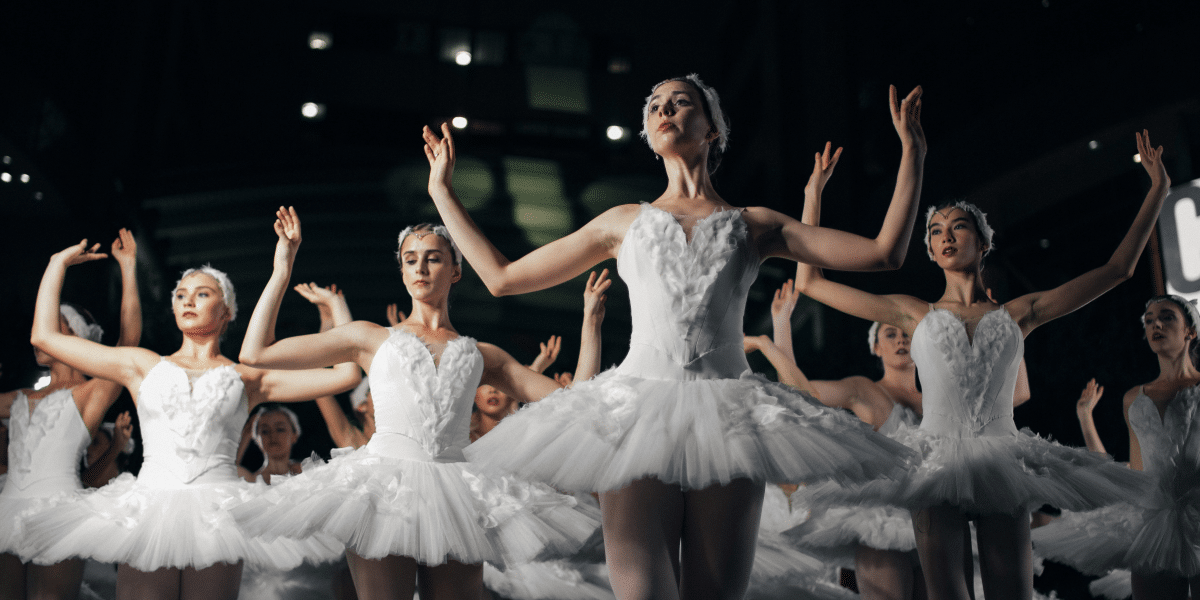
Atlanta is a city known for its rich cultural scene, and its dance and ballet community is no exception. From classical ballet performances to contemporary dance shows, Atlanta offers a wide range of opportunities to experience the art of movement. Whether you’re a dance enthusiast or just curious about the local arts scene, Atlanta’s dance culture has something to inspire and entertain. This article will explore the city’s diverse dance offerings, highlight key organizations, and explain why this art form is so important to Atlanta’s identity.

One of the most prominent names in Atlanta’s dance scene is the Atlanta Ballet. Founded in 1929, it is one of the oldest ballet companies in the United States. The Atlanta Ballet is known for its high-quality performances, which include classic works like The Nutcracker and innovative contemporary pieces. The company’s dancers are highly trained and bring a level of artistry and precision that captivates audiences. Attending an Atlanta Ballet performance is a chance to see world-class dance right in the heart of the city.

But the Atlanta Ballet is more than just a performance company. It also plays a key role in educating the next generation of dancers. The Atlanta Ballet Centre for Dance Education offers classes for all ages and skill levels, from beginners to advanced students. These classes cover a variety of styles, including ballet, modern, and jazz. The Centre also has a pre-professional program for young dancers who dream of pursuing a career in dance. By nurturing talent and fostering a love for dance, the Atlanta Ballet helps keep the art form alive and thriving.

In addition to ballet, Atlanta has a vibrant contemporary dance scene. Companies like CORE Dance and Terminus Modern Ballet Theatre push the boundaries of traditional dance, blending different styles and exploring new ideas. CORE Dance, for example, is known for its collaborative approach, working with artists from other disciplines like music and visual arts to create unique performances. Terminus Modern Ballet Theatre, on the other hand, combines classical ballet techniques with modern storytelling. These companies show how dance can be a powerful way to express emotions and tell stories.

Atlanta’s dance culture is also shaped by its diverse communities. The city is home to a variety of cultural groups that use dance to celebrate their heritage. For example, the Ballethnic Dance Company blends African and classical ballet traditions to create something entirely new. Their performances often include vibrant costumes, live drumming, and movements that reflect African culture. This fusion of styles not only entertains but also educates audiences about the richness of African traditions.

Another example is the Latin American Association, which promotes Latin culture through events and performances. Dance styles like salsa, bachata, and tango are often featured, giving people a chance to experience the energy and passion of Latin dance. These events are not just for watching; they often include lessons and social dancing, making them a fun way to get involved and learn something new.

Atlanta’s dance scene is also supported by a number of festivals and events. The Atlanta Dance Festival is an annual event that showcases local and international dance companies. It’s a great opportunity to see a wide range of styles in one place, from hip-hop to flamenco. Another popular event is Dance Canvas, which focuses on emerging choreographers and new works. These festivals highlight the creativity and talent within Atlanta’s dance community and provide a platform for artists to share their work.

For those who want to get involved in dance themselves, Atlanta offers plenty of opportunities. There are numerous dance studios and schools throughout the city, offering classes in everything from ballet to hip-hop to ballroom dancing. Studios like Dance 101 and Dance FX cater to adults who want to learn dance in a fun and supportive environment. These classes are a great way to stay active, meet new people, and try something new.

Dance is also a big part of Atlanta’s nightlife. Many clubs and bars offer dance nights where you can show off your moves or just enjoy the music. Places like MJQ Concourse and The Masquerade are known for their lively dance floors and diverse music scenes. Whether you’re into electronic music, 80s hits, or Latin beats, there’s a dance night for you in Atlanta.

Beyond performances and classes, dance plays an important role in Atlanta’s community. Many organizations use dance as a way to bring people together and promote social change. For example, Moving in the Spirit is a nonprofit that uses dance to empower young people. Through dance classes and performances, the organization helps kids build confidence, teamwork, and leadership skills. Programs like this show how dance can be more than just entertainment; it can be a tool for personal growth and community building.

Atlanta’s dance and ballet scene is also supported by a network of arts organizations and venues. The Fox Theatre and Cobb Energy Performing Arts Centre are two of the city’s most iconic venues, hosting dance performances throughout the year. These spaces provide a stage for both local and touring companies, ensuring that Atlanta audiences have access to a wide range of dance styles and performances.

In conclusion, Atlanta’s dance and ballet scene is a vibrant and essential part of the city’s cultural fabric. From classical ballet to contemporary dance, from cultural celebrations to community programs, there’s something for everyone to enjoy. Whether you’re watching a performance, taking a class, or hitting the dance floor, you’re sure to be inspired by the creativity and passion of Atlanta’s dancers. So next time you’re in the city, take a moment to explore its dance culture. You might just discover a new favorite art form.

Krog Street Tunnel: Atlanta’s Underground Art Gallery

Nestled in the heart of Atlanta, the Krog Street Tunnel is a vibrant canvas that showcases the city’s dynamic art scene. Known as Atlanta’s Underground Art Gallery, this tunnel is a must-visit for art enthusiasts and tourists alike. The tunnel connects the Cabbagetown and Inman Park neighborhoods, serving not just as a passageway but as a cultural landmark that reflects the city’s creative spirit.

History of Krog Street Tunnel

The Krog Street Tunnel has a rich history dating back to its construction in 1912. Originally built to facilitate transportation between neighborhoods, it has since evolved into a beloved public art space. Over the years, it has transformed from a simple underpass into a living, breathing gallery, constantly changing with new artwork.

The transformation of the Krog Street Tunnel into an art space was gradual. Initially, local artists began using the tunnel’s walls to express themselves, creating murals and graffiti that reflected various themes, from political statements to personal stories. Today, the tunnel is an ever-evolving art gallery, with new pieces frequently replacing the old, ensuring that no two visits are ever the same.

The Krog Street Tunnel holds significant importance in Atlanta’s art scene. It provides a platform for both established and emerging artists to display their work publicly. This inclusive space allows for a diverse range of artistic styles and messages, making it a true representation of the city’s eclectic art community.

The Artworks of Krog Street Tunnel

Murals

Murals dominate the Krog Street Tunnel, with artists using the large wall spaces to create intricate, colorful scenes. These murals often reflect social issues, cultural identities, and personal narratives. The vibrant colors and detailed designs make these murals a standout feature of the tunnel.

Graffiti

Graffiti is another prominent feature of the Krog Street Tunnel. While often associated with vandalism, in this context, graffiti is a respected art form. Artists use it to convey messages quickly and boldly, often responding to current events or societal changes.

Community Engagement and Events

The Krog Street Tunnel is more than just an art space; it’s a hub for community engagement. Various events, such as art festivals and community clean-ups, are held here, bringing people together and fostering a sense of community. These events often encourage local residents to participate in the creation and appreciation of art.

Social media has played a crucial role in popularizing the Krog Street Tunnel. Platforms like Instagram and Facebook are filled with photos of the tunnel’s art, attracting tourists and locals alike. This digital exposure has turned the tunnel into a well-known landmark, drawing art lovers from around the world to see it in person.

Preserving the Krog Street Tunnel as an art space is a community effort. Local organizations and residents work together to maintain the tunnel, ensuring it remains a safe and welcoming environment for artists and visitors. Efforts include regular clean-ups and initiatives to protect the art from vandalism and weather damage.

How to Visit the Krog Street Tunnel

Visiting the Krog Street Tunnel is easy and accessible. Located between Cabbagetown and Inman Park, it’s a short walk from the Krog Street Market. The tunnel is open to the public year-round, and there is no entrance fee, making it an affordable activity for both locals and tourists.

Tips for Visitors

  • Best Time to Visit: Early mornings or late afternoons when the tunnel is less crowded.
  • Photography: Bring a camera to capture the stunning artwork.
  • Respect the Art: Avoid touching or defacing the art to help preserve it for others.

The Krog Street Tunnel stands as a testament to Atlanta’s vibrant and diverse art scene. As Atlanta’s Underground Art Gallery, it continues to evolve, reflecting the dynamic nature of urban art. Whether you’re an art enthusiast or a casual visitor, the tunnel offers a unique and immersive experience that captures the essence of Atlanta’s creative community.

What Can You Expect from the Kirkwood Wine Stroll?

As the fall season ushers in cooler weather, the vibrant neighborhoods of Atlanta come alive with events that celebrate local culture and community. One of the most anticipated happenings is the Kirkwood Wine Stroll, an annual event that has become a favorite for both wine enthusiasts and locals alike. This festive fall event, held in the historic Kirkwood neighborhood, offers a chance to enjoy a delightful evening of wine tasting, live music, and delicious food. So, what makes the Kirkwood Wine Stroll a must-attend event in Atlanta’s fall lineup?

The Kirkwood Wine Stroll is more than just a wine tasting event—it’s a full cultural experience. Attendees are invited to explore the charming Kirkwood neighborhood, where local businesses and restaurants open their doors to offer samples of various wines from around the world. With over 50 participating vendors, the event gives wine lovers a chance to discover new flavors, from crisp whites to bold reds, all while supporting local businesses.

The wine stroll is spread across different tasting stations, each offering curated selections from winemakers and distributors. Whether you’re a casual wine drinker or a seasoned connoisseur, there’s something for everyone. As you move from one station to the next, you’ll have the opportunity to speak with knowledgeable staff about the wines on offer, giving you insight into the tasting notes, origins, and ideal food pairings.

But the fun doesn’t stop at wine. The event also features live music performances from local artists, adding to the festive atmosphere. As you sip your wine, you can enjoy a mix of jazz, blues, and acoustic performances, providing the perfect backdrop for a relaxed evening. For those who want to indulge in food, local vendors serve up small bites and snacks, making it easy to pair your wine with delicious appetizers.

Why is the Kirkwood Wine Stroll So Popular?

The Kirkwood Wine Stroll has gained popularity over the years due to its unique blend of community spirit, culture, and the laid-back atmosphere it offers. Unlike large wine festivals that can feel overwhelming, this event is more intimate, with a neighborhood charm that makes everyone feel welcome. The sense of community is one of the defining aspects of the event, as local businesses, residents, and visitors come together to celebrate both the wines and the beautiful Kirkwood neighborhood.

Another reason for the event’s success is its accessibility. You don’t need to be a wine expert to attend. The Kirkwood Wine Stroll is designed for people of all backgrounds, offering an educational yet fun environment for those who simply want to enjoy good wine and good company. Attendees are encouraged to explore new wines without any pressure, making it a great event for those who are new to wine tasting.

Additionally, the event has a philanthropic element. Proceeds from the Kirkwood Wine Stroll often go towards local neighborhood improvements and projects, making it not just a fun night out but also a way to give back to the community. This focus on local impact further deepens the connection between the event and its attendees, as people feel they are contributing to something bigger than just a wine tasting.

How Can You Get the Most Out of Your Kirkwood Wine Stroll Experience?

To fully enjoy your Kirkwood Wine Stroll experience, planning ahead can make a big difference. Since the event is spread out across the Kirkwood neighborhood, comfortable walking shoes are a must. This allows you to easily move between wine stations while soaking in the charming streets and architecture of the area.

If you’re a wine enthusiast, it’s a good idea to make note of the vendors you want to visit in advance. With so many tasting stations to choose from, knowing which wines or regions you’re particularly interested in can help you maximize your experience. For those who are more casual about wine tasting, simply wandering through the event and stopping at stations that catch your eye is part of the fun.

Make sure to take advantage of the live music and food offerings. The variety of music genres means there’s something for every taste, and the food vendors provide delicious pairings that complement the wines. Whether you’re enjoying a smooth glass of Chardonnay with a cheese plate or trying a bold Cabernet alongside savory bites, the event creates an immersive experience for all the senses.

Lastly, remember to embrace the community spirit. The Kirkwood Wine Stroll is as much about meeting new people and supporting local businesses as it is about enjoying wine. Striking up a conversation with a fellow attendee or a local business owner can enhance your experience and make the event even more memorable.

The Kirkwood Wine Stroll is one of Atlanta’s standout fall events, offering a perfect mix of wine, music, food, and community. Whether you’re a seasoned wine lover or just looking for a fun way to spend an autumn evening, the event promises an enjoyable experience in the heart of one of Atlanta’s most beloved neighborhoods. As you stroll through Kirkwood, tasting wines and listening to local artists, you’ll quickly see why this event has become a staple in the city’s cultural calendar. So mark your calendar, gather some friends, and get ready to savor the flavors of fall at the Kirkwood Wine Stroll.

Fitness Fanatics: Exploring Atlanta’s Thriving Active Lifestyle Scene

Atlanta, known for its vibrant culture and Southern hospitality, is also becoming a prominent force in health and fitness. From bustling gyms and studios to sprawling outdoor spaces, the city offers a wealth of opportunities for fitness enthusiasts of all levels to get moving and embrace an active lifestyle.

Gyms and Fitness Studios: A Mecca for Workout Enthusiasts

Atlanta’s gym and fitness studio scene caters to diverse workout preferences. Major chains like LA Fitness and Lifetime Fitness offer state-of-the-art equipment, group fitness classes, and amenities like pools and saunas. Boutique studios specializing in yoga, Pilates, spin, and barre workouts are also immensely popular, providing a more personalized and targeted fitness experience.

The growth of specialized fitness studios has allowed Atlanta residents to discover niche workout communities. Boxing gyms, CrossFit centers, and even indoor rock-climbing facilities are gaining popularity, fostering a strong sense of camaraderie among fitness enthusiasts.

The Great Outdoors: Atlanta’s Fitness Playground

Atlanta’s pleasant climate and abundance of green spaces encourage residents and visitors alike to take their workouts outdoors. The iconic BeltLine, a multi-use trail network encircling the city, is a haven for runners, walkers, cyclists, and skaters. With its mix of paved paths and scenic trails, the BeltLine provides both a challenging workout environment and a chance to soak in the city’s urban energy.

Piedmont Park, the crown jewel of Atlanta’s park system, attracts fitness enthusiasts with its rolling hills, lush meadows, and dedicated running/walking paths. It’s a prime spot for outdoor yoga, boot camps, and those simply seeking a scenic backdrop for their exercise routine.

Hikers and trail runners flock to Stone Mountain Park, just outside the city limits, to conquer the challenging trails leading to the summit, offering breathtaking panoramic views of the Atlanta skyline. Numerous other parks and hiking trails throughout the metro area provide diverse settings for getting active amidst nature.

Beyond the Gym: The Rise of Fitness-Centric Events

Atlanta embraces a vibrant fitness-focused event culture, offering a mix of competitive races and social fitness gatherings. The Peachtree Road Race, a 10K held annually on July 4th, is a staple on the city’s calendar, attracting thousands of runners. Marathons, half-marathons, themed 5k races, and obstacle courses are also scattered throughout the year, providing fitness challenges for every level of participant.

Wellness festivals and fitness-oriented pop-up events are gaining popularity as well. These events often combine diverse workout classes, workshops on healthy eating and mindfulness, and opportunities to connect with a like-minded community.

Fueling Atlanta’s Fitness Craze: Healthy Eats and Wellness Trends

Atlanta’s burgeoning health food scene plays a significant role in supporting the city’s active lifestyle. Smoothie bars, juice shops, and restaurants specializing in plant-based dishes and clean eating are plentiful, making it easy to find nourishing options to fuel workouts and promote overall well-being.

Wellness trends like cryotherapy, infrared saunas, and float therapy are finding a foothold in Atlanta, promising recovery and rejuvenation for fitness enthusiasts. This reflects a growing emphasis on holistic health that goes hand-in-hand with physical exercise.

Juneteenth Freedom Parade and Music Fest: Celebrating African American Culture and Heritage in Atlanta

The Significance of Juneteenth

Atlanta is renowned for its vibrant cultural scene and historical significance in the civil rights movement. One of the city’s most anticipated events this June is the Juneteenth Freedom Parade and Music Fest. This celebration not only honors the emancipation of enslaved African Americans but also showcases the rich cultural heritage and contributions of the African American community. This article delves into the significance of Juneteenth, the highlights of the event, and its impact on the community.

Juneteenth, also known as Freedom Day or Emancipation Day, marks the day when Union soldiers, led by Major General Gordon Granger, arrived in Galveston, Texas, on June 19, 1865, and announced the end of the Civil War, bringing the message of freedom to enslaved people in Texas. This momentous event came more than two years after President Abraham Lincoln’s Emancipation Proclamation, highlighting the delay in the enforcement of emancipation across the United States. Juneteenth has since evolved into a celebration of African American culture, resilience, and progress.

The Juneteenth Freedom Parade and Music Fest in Atlanta is set to be a grand affair, attracting locals and visitors alike. The parade, which will march through the heart of College Park, features vibrant floats, marching bands, and performances by local artists. It serves as a visual representation of African American pride and unity.

Following the parade, the Music Fest promises an unforgettable experience with performances from renowned musicians and local talents. Genres ranging from gospel and jazz to hip-hop and R&B will fill the air, reflecting the diverse musical heritage of the African American community. Attendees can look forward to performances by celebrated artists who use their music to convey powerful messages of freedom and equality.

Cultural Significance

The Juneteenth Freedom Parade and Music Fest is more than just an event; it is a platform for educating the public about African American history and heritage. Various booths and exhibits will provide information on the historical context of Juneteenth, the journey of African Americans from slavery to freedom, and the ongoing struggles for civil rights and equality.

In addition to the educational aspects, the event celebrates the artistic achievements of African Americans. Local artisans and vendors will showcase traditional crafts, artworks, and culinary delights, offering a taste of African American culture and creativity. The festival is an opportunity to honor the contributions of African Americans to the cultural fabric of Atlanta and the nation as a whole.

The Juneteenth Freedom Parade and Music Fest plays a crucial role in fostering community spirit and unity. It brings together people from all walks of life to celebrate a common history and heritage. For many attendees, particularly African Americans, the event is a source of pride and a reminder of the progress made and the work still needed to achieve true equality.

The event also provides economic benefits to the local community. Vendors, artists, and performers have the opportunity to showcase their work to a broader audience, boosting their visibility and sales. The influx of visitors for the event also supports local businesses, from restaurants to hotels, contributing to the economic vitality of the area.

A key feature of the Juneteenth celebration in Atlanta is the emphasis on education. Workshops and seminars will be held throughout the day, addressing topics such as the history of Juneteenth, the importance of voting rights, and the impact of systemic racism. These programs are designed to inform and inspire attendees, equipping them with knowledge and tools to continue the fight for justice and equality.

Artistic Expressions

Art has always been a powerful medium for expressing cultural identity and social issues. The Juneteenth Music Fest will feature performances that highlight the struggles and triumphs of African Americans. Spoken word artists, poets, and dancers will take the stage to share their stories, adding a deeply personal and emotional layer to the celebration.

The Juneteenth Freedom Parade and Music Fest is a vital event for Atlanta, celebrating African American culture and heritage while educating and inspiring the community. It is a time to reflect on the history of emancipation, recognize the ongoing struggles for equality, and celebrate the rich cultural contributions of African Americans. By bringing together people from diverse backgrounds, the event fosters unity, pride, and a collective commitment to building a more just and equitable society.

Holiday Light Displays and Festivals in Atlanta

The holiday season is a magical time in Atlanta, with the city glowing under the beauty of holiday light displays and festive decorations. These events are more than just visual treats; they’re opportunities to gather with loved ones, make memories, and embrace the festive spirit. Whether you’re a local or just visiting, Atlanta’s light displays and festivals have something for everyone.

Why Are Holiday Light Displays So Popular?

Holiday light displays bring a sense of joy and wonder. During the colder months, they create an inviting atmosphere that draws people outdoors. The colorful lights, often synchronized with music or other artistic elements, make the experience truly memorable. In Atlanta, these events often celebrate the city’s diverse cultures, making them even more special.

Many families see these events as traditions, revisiting favorite displays year after year. For others, exploring new spots becomes part of their holiday adventure. From large-scale light festivals to cozy neighborhood setups, Atlanta offers a variety of experiences to suit different tastes and budgets.

Top Spots to Visit in Atlanta

Some of the most popular destinations for holiday lights in Atlanta include botanical gardens, parks, and cultural centers. For example, the Atlanta Botanical Garden’s “Garden Lights, Holiday Nights” is a must-see for many. This event transforms the garden into a winter wonderland, with millions of lights arranged in creative displays. Visitors can stroll through the illuminated paths and enjoy seasonal treats like hot chocolate.

Another favorite is the “Atlanta Festival of Lights,” held at Atlantic Station. This event combines shopping, dining, and entertainment with dazzling light displays, creating a perfect outing for families and friends. Additionally, local neighborhoods often organize their own smaller displays, which can be just as enchanting.

What Makes These Events Special?

Atlanta’s holiday light displays are about more than just the lights. They’re a celebration of community and creativity. Local artists and designers often contribute to these displays, ensuring each one has a unique touch. Many events also include live performances, holiday markets, and interactive activities, making them fun for people of all ages.

The focus on sustainability is another standout feature. Several events in Atlanta have started using energy-efficient LED lights and solar-powered installations. This effort not only reduces the environmental impact but also showcases innovative ways to celebrate the holidays responsibly.

Planning Your Visit

If you’re planning to explore Atlanta’s holiday lights, it’s a good idea to check the schedules and book tickets in advance. Popular events often sell out, especially on weekends. Dressing warmly and arriving early can also make your experience more enjoyable. For those driving, be prepared for traffic and parking challenges, especially near major attractions.

Consider taking public transportation or rideshare options to avoid the hassle. Many events are conveniently located near MARTA stations or have designated drop-off zones for easier access.

A Perfect Activity for All Ages

One of the best things about holiday light displays is their universal appeal. Kids are mesmerized by the bright colors and fun shapes, while adults can appreciate the artistry and effort that go into creating these displays. Couples can enjoy a romantic evening under the twinkling lights, and groups of friends can bond over the festive atmosphere.

For many, these events are also a chance to give back. Some festivals partner with local charities, offering opportunities to donate or volunteer. This spirit of giving adds another layer of meaning to the holiday celebrations.

Holiday light displays and festivals are more than just seasonal attractions; they’re experiences that bring people together. As Atlanta continues to grow and evolve, these events remain a cherished part of the city’s culture. Whether it’s your first time or a yearly tradition, visiting these displays is a great way to celebrate the season.

So, grab your loved ones, bundle up, and immerse yourself in the magic of Atlanta’s holiday lights. These events are sure to leave you with memories that will brighten your holidays and warm your heart.

Embracing the Great Outdoors: Your Ultimate Guide to Pitching a Tent

Ready to ditch the hustle and bustle for a taste of nature? Pitching a tent is your gateway to unforgettable outdoor adventures. Whether you’re a seasoned camper or a newbie eager to explore, this comprehensive guide will walk you through every step of setting up your temporary home away from home. From simple pop-up shelters to spacious multi-room havens, we’ve got you covered.

Choosing Your Perfect Pitching Partner

Before we dive into the nitty-gritty, let’s talk about choosing the right tent. “The ideal tent for you depends on the type of camping you plan to do, the number of people you’ll be camping with, and your budget,” advises “The Camping and Caravanning Club.” Consider factors like weather conditions, ease of setup, and desired features. If you’re a solo traveler or couple seeking a hassle-free experience, a pop-up tent might be your best bet. For families or groups, a multi-room tent offers ample space and privacy.

Once you’ve got your tent in tow, it’s time to scout for the perfect pitching spot. “Look for flat, level ground free of sticks or stumps,” recommends “Appalachian Mountain Club (AMC).” Avoid pitching under trees with dead branches, as they pose a safety risk. Consider factors like proximity to water sources, wind direction, and potential hazards like rocks or uneven terrain.

Laying the Groundwork

Alright, you’ve scoped out the perfect spot – not too bumpy, not too close to that sketchy-looking bush. Now it’s time to prep your tent’s humble abode. First things first, if your tent came with a fancy footprint (a groundsheet that goes under your tent), roll that bad boy out. It’s like a welcome mat for your tent, protecting it from getting dirty or ripped.

Next up, unleash your tent from its stuff sack and spread it out like a picnic blanket. Take a quick peek at the instructions if you need a refresher on which way is up (we’ve all been there). Make sure the doors are facing a direction that makes sense – you probably don’t want to wake up staring into the sunrise unless that’s your jam.

Oh, and if it’s a windy day, try to position the back of your tent towards the wind. It’s like giving Mother Nature a little head nod – “Hey wind, I see you, but you’re not messing with my tent!” Now that you’ve got your groundwork covered, let’s get this show on the road and put those poles to work!

Depending on your tent type, pole assembly can range from a breeze to a minor puzzle. If your tent has color-coded poles, follow the instructions carefully. If not, take a moment to visualize how the poles fit together. “Go slow with the poles,” cautions “REI Expert Advice,” as they can get tweaked or chipped during setup. Gently insert the poles into their designated sleeves or grommets, ensuring they’re fully extended.

Staking Your Claim

Staking your tent is crucial for stability, especially in windy conditions. Most tents come with stakes and guylines. Drive the stakes into the ground at a 45-degree angle, ensuring they’re securely anchored. If your tent has guylines, attach them to the designated loops and stake them out, pulling them taut for added stability.

With your tent standing tall, it’s time for the finishing touches. Attach the rainfly if your tent has one, ensuring it’s properly secured to keep you dry in case of unexpected showers. Organize your gear inside the tent, creating a cozy and functional living space.

Pro Tips for a Smooth Pitching Experience

  • Practice makes perfect: If you’re new to pitching a tent, practice setting it up in your backyard before venturing into the wild.
  • Double-check everything: Before you settle in for the night, double-check that all poles are securely in place, stakes are firmly anchored, and the rainfly is properly attached.
  • Pack a repair kit: Bring along a basic repair kit with duct tape, extra stakes, and guylines to address any unexpected issues.
  • Leave no trace: When it’s time to pack up, ensure you leave your campsite as pristine as you found it.

Boom! You’re officially a tent-pitching pro. Now that you’ve got the know-how, it’s time to ditch the screens and embrace the great outdoors. Gather your camping crew, toss your gear in the car, and hit the road for an unforgettable adventure.

Remember, camping isn’t just about where you go, it’s about the memories you make along the way. As some wise wanderer once said, “The tent is a temporary home, but the memories you make inside it last a lifetime.” So crank up the tunes, roast some marshmallows, and let the good times roll.

Whether you’re chilling under the stars, telling stories around the campfire, or simply soaking up the serenity of nature, your trusty tent will be your home base for all the fun. And who knows, you might just discover that pitching a tent is the first step to a whole new world of outdoor excitement. So go ahead, create your own little haven in the wilderness and let the camping adventures begin!

Atlanta’s Skyline and Landmarks

Atlanta, Georgia, is a city that blends modern innovation with rich history. Its skyline is a mix of towering skyscrapers, historic buildings, and cultural landmarks that tell the story of the city’s growth and diversity. Whether you’re a first-time visitor or a longtime resident, Atlanta’s skyline and landmarks offer something for everyone. This article will take you on a journey through the city’s most iconic sights and explain why they matter.

One of the most recognizable features of Atlanta’s skyline is the Bank of America Plaza. Standing at over 1,000 feet tall, it’s the tallest building in the city and one of the tallest in the United States. Its sleek, modern design and glowing spire make it a standout feature, especially at night when it’s lit up in different colors. The building is a symbol of Atlanta’s role as a major financial hub and its commitment to growth and innovation.

Another key part of the skyline is the Westin Peachtree Plaza. This cylindrical hotel is famous for its Sun Dial Restaurant, which sits at the top and offers stunning 360-degree views of the city. The hotel’s unique design and central location make it a popular spot for both tourists and locals. It’s a great place to get a bird’s-eye view of Atlanta and appreciate the city’s layout and beauty.

Atlanta’s skyline isn’t just about modern skyscrapers. The city also has a rich history, and many of its landmarks reflect that. One of the most important is the Fox Theatre. This historic venue opened in 1929 and is known for its stunning architecture, including a grand lobby and a starry sky ceiling. The Fox Theatre hosts concerts, Broadway shows, and other events, making it a cultural hub for the city. It’s a reminder of Atlanta’s vibrant arts scene and its dedication to preserving its past.

Another historic landmark is the Georgia State Capitol. This building, with its gold dome and neoclassical design, is both a working government center and a museum. Visitors can take guided tours to learn about Georgia’s political history and see exhibits on the state’s natural resources and cultural heritage. The Capitol is a symbol of Atlanta’s role as the capital of Georgia and its importance in shaping the state’s future.

For those interested in civil rights history, Atlanta is home to the Martin Luther King Jr. National Historical Park. This site includes several landmarks, such as Dr. King’s childhood home, the Ebenezer Baptist Church where he preached, and his final resting place. The park is a powerful reminder of Atlanta’s role in the civil rights movement and its ongoing commitment to equality and justice. Visiting these landmarks is a moving experience that connects you to an important part of American history.

Atlanta is also known for its green spaces, and one of the most famous is Piedmont Park. Located in the heart of the city, this park offers walking trails, sports fields, and beautiful views of the skyline. It’s a popular spot for picnics, concerts, and outdoor activities. Piedmont Park is a great example of how Atlanta balances urban development with nature, providing a peaceful escape from the hustle and bustle of the city.

Another must-see landmark is the Atlanta Botanical Garden. This 30-acre garden features a variety of plants, flowers, and sculptures, as well as a canopy walk that lets you explore the treetops. The garden is a beautiful and relaxing place to visit, and it’s especially popular during special events like the holiday light show. It’s a testament to Atlanta’s love for nature and its efforts to create spaces that inspire and educate.

For sports fans, Atlanta has several iconic venues. The Mercedes-Benz Stadium is home to the Atlanta Falcons football team and Atlanta United soccer team. Its unique design, with a retractable roof and circular video board, makes it one of the most modern stadiums in the country. The stadium also hosts concerts and other events, making it a key part of the city’s entertainment scene. Another important sports venue is Truist Park, where the Atlanta Braves play baseball. The park is part of a larger development called The Battery, which includes shops, restaurants, and entertainment options. It’s a great place to catch a game and enjoy a day out.

Atlanta’s skyline and landmarks also reflect its role as a center for education and innovation. The Georgia Institute of Technology, or Georgia Tech, is one of the top engineering schools in the country. Its campus, with its mix of historic and modern buildings, is a key part of the city’s identity. Georgia Tech’s research and innovation have helped shape Atlanta’s reputation as a hub for technology and entrepreneurship.

Another important institution is the Centers for Disease Control and Prevention (CDC). While not a traditional landmark, the CDC plays a crucial role in public health, both in the United States and around the world. Its presence in Atlanta highlights the city’s importance in global health and science.

Of course, no visit to Atlanta would be complete without exploring its food scene. The city is known for its Southern cuisine, and landmarks like the Ponce City Market offer a taste of that. This historic building, once a Sears warehouse, has been transformed into a mixed-use space with restaurants, shops, and offices. It’s a great place to try local dishes, shop for unique goods, and enjoy the lively atmosphere. Ponce City Market is a perfect example of how Atlanta combines history with modern trends.

In conclusion, Atlanta’s skyline and landmarks tell the story of a city that values both its past and its future. From towering skyscrapers to historic sites, green spaces to cultural venues, there’s something for everyone to enjoy. Whether you’re exploring the city for the first time or rediscovering it as a local, Atlanta’s iconic sights are sure to leave a lasting impression. So take a walk, look up, and soak in the beauty and history of this dynamic city.