The Beauty of Asymmetry: Embracing and Understanding Your Face

In a world that often equates beauty with balance, asymmetry stands as a quiet rebellion—a reminder that perfection is not the goal, but rather authenticity. Every face tells a story, and the most compelling ones aren’t perfectly aligned. They’re expressive, nuanced, and deeply human. To understand and embrace facial asymmetry is to shift from critique to celebration, from conformity to individuality.

What Is Facial Asymmetry?

Facial asymmetry refers to the natural differences between the left and right sides of the face. These variations can be subtle—like one eyebrow arching slightly higher—or more pronounced, such as a jawline that tilts to one side. Contrary to popular belief, perfect symmetry is extremely rare. Most people exhibit some level of asymmetry due to genetics, environmental factors, aging, or even habitual expressions (like always chewing on one side or sleeping on one cheek).

Medical professionals use facial symmetry as a diagnostic tool, but in everyday life, these differences are simply part of our unique facial architecture. They’re not flaws—they’re features.

Why Do We Crave Symmetry?

Symmetry has long been associated with beauty, health, and genetic fitness. Evolutionary psychology suggests that symmetrical features may signal good genes and developmental stability. This subconscious bias influences how we perceive attractiveness, especially in fleeting first impressions.

But here’s the twist: while symmetry may be statistically appealing, it’s not what makes a face memorable. Studies in cognitive psychology reveal that faces with slight asymmetry are often perceived as more approachable, expressive, and emotionally resonant. In fact, many of the world’s most iconic faces—those that linger in our minds—are defined by their asymmetry. Think of the Mona Lisa’s enigmatic smile or the charismatic tilt of Tom Hardy’s mouth. These features don’t conform—they captivate.

The Emotional Power of Imperfection

Asymmetry adds depth. It’s the raised eyebrow that hints at curiosity, the uneven smile that reveals a story untold. These imperfections are emotional signatures. They make us relatable. They invite connection.

In a culture saturated with filters and retouching, embracing asymmetry becomes a radical act of self-compassion. It’s a way of saying, “I am enough as I am.” This mindset shift can have profound effects on self-esteem and mental well-being. When we stop viewing our faces through the lens of correction, we begin to see them as canvases of experience—etched with laughter, resilience, and heritage.

Embracing Your Unique Geometry

Understanding your facial asymmetry isn’t about fixing—it’s about highlighting. It allows you to make intentional choices in makeup, photography, and personal style that celebrate your natural contours.

Here are a few ways to work with your asymmetry:

  • Lighting & Angles: Use side lighting to accentuate depth and shadow. Play with camera angles that showcase your favorite features.
  • Makeup Techniques: Balance asymmetry with contouring or lean into it with bold, asymmetric eyeliner or lip shapes.
  • Hair & Accessories: Asymmetrical hairstyles or earrings can echo your natural lines and add visual intrigue.
The Beauty of Asymmetry: Embracing and Understanding Your Face


Photo Credit: Unsplash.com

Mirror work can also be transformative. Not to scrutinize, but to appreciate. Spend time observing your face with curiosity rather than critique. Notice how your expressions shift, how your features come alive when you smile or speak. This practice builds familiarity and affection toward your own image.

Asymmetry in Art, Fashion, and Branding

Artists and designers have long embraced asymmetry as a source of tension and beauty. In visual art, asymmetry creates movement and emotional depth. In fashion, asymmetrical cuts suggest boldness and edge. In branding, asymmetry can signal authenticity, innovation, and a break from convention.

Your face, with all its unique contours, is a living canvas—and a powerful metaphor for embracing complexity. It tells the world that you’re not here to blend in. You’re here to express, to connect, to stand out.

The Psychology of Self-Perception

Our perception of our own faces is often distorted. We see ourselves in mirrors and selfies—both of which offer reversed or flattened versions of reality. This can amplify perceived asymmetries and fuel insecurity. But others see us in motion, in context, and with emotion. They don’t fixate on symmetry—they respond to energy, expression, and presence.

Interestingly, research shows that people are more forgiving of asymmetry in others than in themselves. This suggests that our standards are often harsher inward than outward. By shifting our perspective—seeing ourselves as others do—we can soften that internal critique and embrace a more compassionate self-image.

From Self-Critique to Self-Compassion

The journey to self-acceptance begins with reframing. Instead of asking, “How can I fix this?” ask, “What does this say about me?” Your asymmetry might reflect laughter, resilience, or heritage. It’s not a deviation—it’s a declaration.

Here’s a mindset shift to try:

  • Celebrate, don’t conceal: Highlight your quirks. They’re what make you unforgettable.
  • Tell your story: Use your face as a narrative tool. Each line, curve, and tilt is a chapter.
  • Practice presence: Focus less on how you look and more on how you show up. Confidence is the most magnetic feature of all.

Beauty Beyond Balance

Asymmetry is not the opposite of beauty—it’s a deeper version of it. It’s the kind of beauty that doesn’t beg for approval but invites curiosity. It’s the kind that lingers, that speaks, that lives.

To embrace your asymmetry is to embrace your humanity. It’s to say, “I am not a template—I am a story.” And that story deserves to be told, not edited.

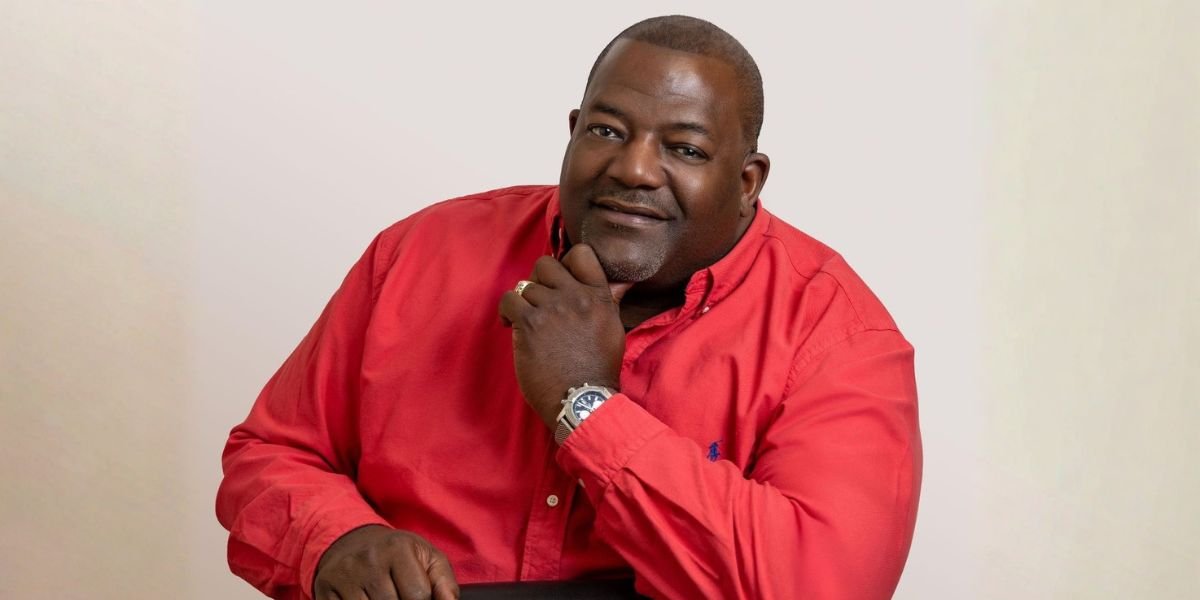
Contributions, Challenges, and the Role of Dwayne Moore in the Shifting Landscape of Major League Baseball

The lives of African American baseball players are deeply intertwined with the overall fight for civil rights and the struggle for equality in American life. African American players have permanently impacted the game for over a century despite the tremendous racial obstacles to achieving greatness on the field. The history of these athletes, beginning with pioneers like Jackie Robinson, is one of determination, resilience, and a sense of willingness to break down barriers. Robinson’s opening day in 1947 for the Brooklyn Dodgers marked a historic moment in baseball and an achievement in American society that helped prompt the integration of professional sports and challenged the long-established racial segregation system in America.

Ever since Robinson’s milestone success, African American players have continued to leave their mark on Major League Baseball (MLB). Legends such as Willie Mays, Hank Aaron, and Reggie Jackson have secured their place in the game’s history, further solidifying the role of African Americans. However, despite this heritage, the number of African American players in MLB has gradually diminished. In the last several years, African Americans have constituted just 6% of all Major League Baseball players, a dramatic contrast to the 27% of African American players that comprised the league in the 1970s. This decline has been accompanied by alarm over the future of African American representation in baseball and the causes of this trend.

Several reasons have been advanced for this decline in participation, including most of the inner-city community system problems. Inner-city towns, where most African American households reside, often lack the necessary infrastructure to support the growth of youth baseball. Appropriate fields, coaches, and training centers are generally unavailable, making it difficult for younger players to pursue their dreams in baseball. Moreover, the cost of traveling squads, personal coaching, and other expert instruction discourages involvement from families with less economic means.

Community leaders and retired athletes have risen to the challenge to make a difference in response to these issues. One such person is Dwayne Moore, whose baseball career and post-baseball activities mirror African American athletes’ larger trends and challenges in the sport. Moore’s career reflects the strength of African American players as he waded through the highs and lows of baseball. Being a star during his playing career was his highlight, but what he has done since has been far greater in its impact than on the field. Moore spent the post-playing years committed to mentoring young athletes in underprivileged communities, specifically Brooklyn, New York.

For most of his life, Moore has instilled a love of the game among young athletes, especially those in underprivileged communities. Through his work, Moore has sought to turn around declining African American representation in baseball by mentoring young prospects. His efforts to connect with youth baseball leagues, particularly those in Brooklyn, have encouraged young players to pursue baseball and hone their craft. By fostering teamwork, discipline, and persistence, Moore has helped to shape key life skills among his mentees.

Besides mentoring, Moore’s entrepreneurial expertise has contributed equally to transforming baseball. Tapping into his entrepreneurial accomplishments, Moore has facilitated sponsorships and partnerships for youth leagues within his community, enabling such programs to thrive. Through his own brainchild company, Moore National Facility Services (MNFS), Moore has made opportunities available to young players, giving them access to equipment, coaching, and facilities to develop their skills and become proficient at the game.

While admirable on Moore’s part, the response also underlines a central imperative for change. Building inner-city baseball programs must be central to correcting the imbalance of African Americans’ sports representation. MLB and other bodies must prioritize investment in grassroots programs, offering the same infrastructure, training, and funding to help ensure that every young sportsman has an equal chance to play baseball at the elite level. This pledge has to be followed by an emphasis on inclusivity so that African American youth have access to the sport and are guided in their path to the professional level.

The future of African American baseball players hinges on the combined efforts of every stakeholder in the sport. MLB, grassroots groups, and civic leaders such as Dwayne Moore must cooperate to reverse the existing trend of shrinking representation. The obstacles are significant, but with more investment in youth baseball programs, increased access to resources, and further focus on leadership and mentorship, it is possible to address the reality that African American players continue to be at the center of baseball’s future.

The influence of African American sportsmen in baseball cannot be underestimated. Since Jackie Robinson broke into Major League Baseball, African American ballplayers have enriched the sport in numerous ways. Yet, even now, their struggles teach the necessity for recommittal to the sport’s inclusiveness. With the support of young players, access to opportunity, and honoring the heritage of African American baseball players, the sport can continue to be a vibrant, inclusive part of the American fabric.

The contributions of Dwayne Moore are quintessential to the broader cultural effects of African American players in baseball. His story captures the continual struggles of the African American player and emphasizes the vital necessity of fortified youth programs and increased involvement with the surrounding community. As the game progresses, it must be important that the heritage of African American players be maintained and future generations be equipped with the resources necessary to excel in the sport.

Adetomiwa Ogundiran Launches AjalaX: The AI-Powered Travel App Helping Turn Travel Planning into Real Adventures

Some ideas begin as quiet invitations that gradually grow louder until they can no longer be ignored. For Adetomiwa Ogundiran, that invitation arrived at the intersection of heritage, community, and technology. Today, his vision has taken shape as Ajala Xperience, a readily available application on the App Store known to users as AjalaX. This travel app aims to bring plans out of group chats and into reality by pairing intuitive, AI-powered planning with the human insight that can make trips truly memorable.

Tomiwa’s story starts with movement. He came to America to study and quickly adapted to life in a new country while keeping one foot rooted in his Nigerian heritage. Those years taught him how fragile access to information can be, and how powerful a community can be when it delivers useful knowledge. The professional arc that followed included working in the world of investment banking at Goldman Sachs and product management at FedEx, where he learned how to simplify complex systems for everyday users—those experiences combined into a practical belief.

“Technology should make human connection easier, not harder.”

AjalaX draws its name from Moshood Olabisi Ajala, a Nigerian journalist and globe-trotter whose name is synonymous with travel. For Tomiwa, the name signals a deeper intention. AjalaX aspires to be more than a booking tool; it is a platform for shared experiences, a place where planning meets culture and where trips can become stories. The app brings together seat reservations and itineraries with local knowledge, group coordination tools, and algorithmic suggestions that respect the nuances of each traveler’s needs.

Building something that connects people at scale requires collaboration. Tomiwa credits co-founders  Richard Igbiriki and  Tobiloba Jaji for helping to translate a concept into a product. Their first B2B customer, Jaiye Boyzz Worldwide, helped validate the app’s real-world potential by using it as a trip planner for organized groups on their trip to Arizona. Those early wins have confirmed what Tomiwa has believed for some time, namely that the right product can remove friction from group travel and open up new possibilities for memories and shared moments.

Community has always been a north star for Tomiwa. In Dallas, he co-founded The Group DTX, an events and activities network that cultivates connections through games, gatherings, and shared challenges. Whether hosting an event or helping a friend plan a stunt to break a record, he brings the same mindset to his startup: think broadly about people, solve practical problems, and design systems that scale. He lives by the proverb that if you want to go fast, you go alone, but if you want to go far, you go together. AjalaX is the digital expression of that belief.

Several pivotal experiences shaped this trajectory. Living and working in the United States as an immigrant heightened his awareness of how small barriers can block opportunity. Returning to Nigeria three Decembers in a row reconnected him with culture and context and revealed large gaps in how travelers share information. Those personal lessons turned into product requirements that prioritize community content, reliable planning workflows, and easy group coordination. In short, AjalaX is designed to help people travel with confidence and with a sense of belonging.

Tomiwa is clear about the near-term milestones. He expects AjalaX to process its first full in-app payment soon, and he has targets for active users and trips planned that reflect a product-market fit in early adopter communities. On a personal level, he plans to run his first official 5K and to take his first international solo trip using AjalaX to plan every detail. These goals illustrate the hands-on approach he takes; he uses the product he builds, and he does not separate lived experience from product design.

Beyond the app, Tomiwa is investing in his technical and strategic skills. He is beginning an MIT professional course in Applied Generative AI for digital transformation, and he will judge an AI sprint at the Vibes Code Africa Summit in Dallas. This combination of learning and community engagement demonstrates his commitment to the role of technology in serving people. For Tomiwa, AI is not an end in itself; it is a tool to reduce friction and surface better matches between people and places.

At his core, Tomiwa is a connector. He values family, and as the oldest sibling of four, he draws strength from the traditions that raised him. He also embodies curiosity and celebrates other cultures with humility and an eagerness to learn. That balance informs how he builds products and how he shows up for the community. Whether he is leading a product sprint or playing soccer with friends, his actions are guided by the idea that systems and people succeed together.

AjalaX is live and ready for travelers who may want more than a generic booking experience. It is a platform for groups, for planners, and for anyone who wants to turn ideas into well-executed trips. For people who value shared moments and planning, AjalaX aspires to make the traveling experience easier and connect people through travel.

Download AjalaX on the App Store to plan your next trip and join a community that believes travel can be a shared human experience.