Growing Atlanta Together: Embracing Diversity for Community Success

Understanding the Dynamics of Cultural Diversity

Atlanta, long celebrated for its pivotal role in American history and civil rights, is now emerging as a dynamic mosaic of cultures that reflect both its past and its evolving present. The city’s neighborhoods, festivals, and culinary scenes are infused with influences from Latin America, Asia, Africa, and beyond, creating a vibrant tapestry of traditions and perspectives. This cultural richness is not only visible in public life but also deeply embedded in the everyday experiences of residents, shaping how they live, work, and connect with one another.

The impact of this diversity extends far beyond aesthetics—it plays a vital role in strengthening Atlanta’s social fabric. Schools, community centers, and local organizations are increasingly embracing multicultural programming, fostering dialogue and understanding among different groups. Businesses are adapting to serve a broader range of cultural needs, while artists and storytellers are drawing inspiration from their heritage to create work that resonates across communities. These interactions build empathy, challenge stereotypes, and encourage collaboration, making Atlanta a more inclusive and resilient city.

Cultural diversity also fuels innovation and economic growth. Immigrant-owned businesses contribute significantly to the local economy, while international talent enriches Atlanta’s tech, healthcare, and creative industries. The city’s global connections attract investment and tourism, positioning it as a hub for cross-cultural exchange and opportunity. As Atlanta continues to grow, its ability to harness the strengths of its diverse population will be key to its long-term success and sustainability.

Ultimately, the story of Atlanta is one of transformation—where cultural diversity is not just a backdrop but a driving force. By celebrating and investing in its multicultural communities, Atlanta affirms its identity as a city of progress, creativity, and shared purpose. This ongoing journey invites residents and visitors alike to engage with the richness around them, recognizing that the future of Atlanta is being shaped by the many voices that call it home.

Embracing the Melting Pot: A Timely Perspective

Atlanta stands as a living testament to the power of cultural convergence, where the rhythms of global traditions pulse through its streets, neighborhoods, and institutions. From the vibrant murals in Little Five Points to the international flavors lining Buford Highway, the city’s cultural landscape is a reflection of its growing immigrant population and the rich heritage of its long-standing communities. This influx of diverse voices and experiences has not only reshaped Atlanta’s social dynamics but also invigorated its creative, entrepreneurial, and civic spirit—making it one of the most culturally dynamic cities in the American South.

The city’s commitment to inclusivity is evident in its policies, public programs, and grassroots initiatives that champion multicultural engagement. Schools are integrating global perspectives into their curricula, local governments are fostering cross-cultural dialogue, and community organizations are creating spaces for shared celebration and understanding. These efforts go beyond surface-level representation—they cultivate empathy, bridge divides, and empower residents to see diversity as a strength rather than a challenge. In a time when polarization threatens cohesion, Atlanta’s model of cultural integration offers a compelling blueprint for unity through diversity.

More than a passing phase, Atlanta’s embrace of cultural diversity is deeply woven into its evolving identity. It influences how the city defines progress, how it tells its stories, and how it envisions its future. Whether through art, commerce, education, or activism, the city’s multicultural heartbeat drives innovation and resilience. As Atlanta continues to grow, its ability to honor and harness the richness of its communities will be central to its success—not just as a regional hub, but as a global city rooted in shared humanity.

The Economic Impact: Supporting Facts

Diversity is not just a buzzword but a catalyst for economic prosperity. The economic landscape of Atlanta has witnessed a positive shift due to the contributions of various ethnic groups. A data-driven analysis, utilizing tools such as Google Analytics, showcases a direct correlation between cultural diversity and economic growth.

According to recent studies, businesses that embrace diversity in their workforce tend to outperform their counterparts. The fusion of different perspectives and approaches creates a dynamic environment that fosters innovation and resilience. This trend is evident in Atlanta, where businesses thrive on the collaborative energy generated by a culturally diverse workforce.

Growing Atlanta Together: Embracing Diversity for Community Success

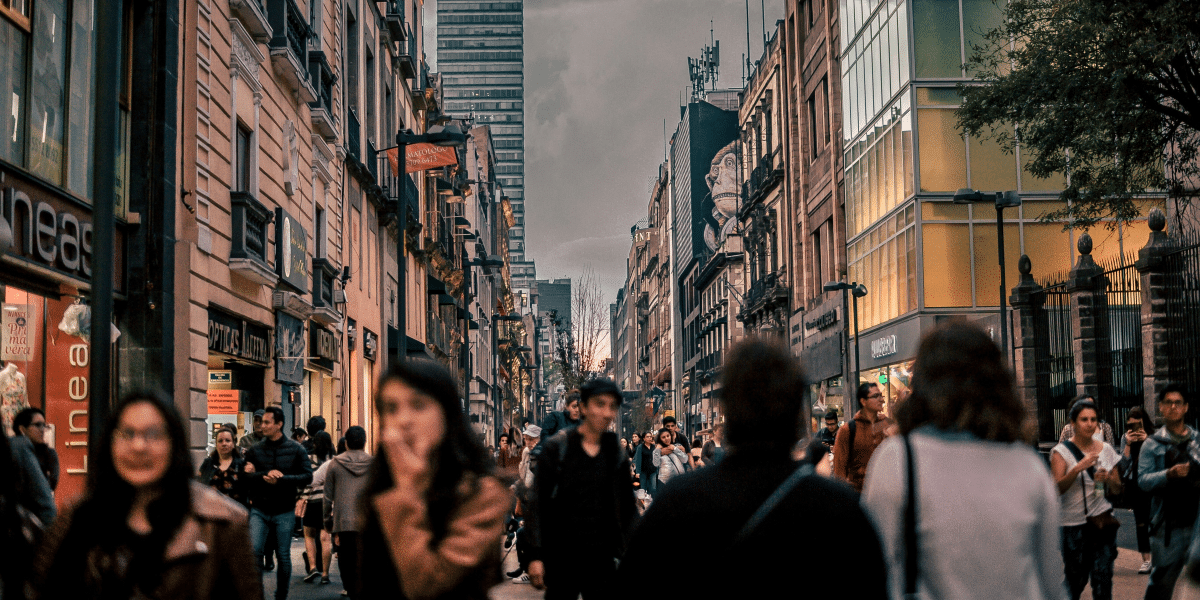
Photo Credit: Unsplash.com

To truly understand the impact of cultural diversity, it’s essential to explore the individual stories that collectively shape Atlanta. From the bustling streets of Buford Highway, lined with international eateries, to the cultural festivals that dot the city’s calendar, Atlanta is a microcosm of the world.

Local communities, each with their unique traditions and customs, contribute to the vibrant tapestry that defines Atlanta’s social fabric. These communities bring not only their cultural heritage but also a sense of resilience and unity that strengthens the city in the face of challenges.

Celebrating Diversity: Relevant Details and Quotes

Atlanta’s dedication to cultural diversity is deeply embedded in its public life, extending far beyond demographic data or economic metrics. The city pulses with energy during its many cultural festivals, which serve as vibrant expressions of heritage, creativity, and community pride. Events like the Atlanta Food and Wine Festival celebrate global culinary traditions, while the Atlanta Jazz Festival honors the legacy and evolution of a genre rooted in African American history. These gatherings do more than entertain—they foster connection, spark dialogue, and offer underrepresented communities a stage to share their stories and talents.

This commitment is echoed by local leaders who view diversity not as a challenge to be managed, but as a cornerstone of Atlanta’s identity and future. In recent conversations with community advocates, a recurring theme emerged: cultural inclusion is essential for building trust, resilience, and shared prosperity. Leaders emphasized that when different communities are empowered to contribute their perspectives, the city becomes more innovative, empathetic, and adaptable. As one voice put it, “Atlanta’s strength lies in its ability to weave together the stories of different communities into a harmonious narrative”—a sentiment that reflects both pride and purpose.

Atlanta’s approach to diversity is not performative—it’s intentional, strategic, and deeply human. By investing in cultural programming, supporting immigrant entrepreneurs, and amplifying grassroots initiatives, the city is crafting a model of inclusive urban development. This ongoing celebration of difference doesn’t just enrich Atlanta’s cultural landscape—it strengthens its social cohesion and positions it as a beacon for other cities navigating the complexities of modern identity. In Atlanta, diversity isn’t a backdrop—it’s the heartbeat of progress.

A United Atlanta

Atlanta’s journey into cultural diversity is more than a demographic shift—it’s a living narrative of unity, resilience, and progress. From its roots in civil rights activism to its present-day role as a thriving metropolitan hub, the city has consistently demonstrated a capacity to evolve while honoring its multifaceted identity. The influx of global communities has enriched Atlanta’s cultural landscape, bringing new languages, traditions, and perspectives that continue to shape its neighborhoods, institutions, and public life. This embrace of diversity is not just symbolic—it’s foundational to the city’s growth and vitality.

By recognizing and uplifting the myriad cultures that call Atlanta home, the city positions itself as a model for inclusive urban development. Initiatives that support immigrant entrepreneurship, multicultural education, and community-led arts programs reflect a deliberate strategy to build equity and opportunity across all backgrounds. These efforts foster not only economic resilience but also social cohesion, allowing residents to see themselves reflected in the city’s narrative. Atlanta’s commitment to inclusion is evident in its policies, festivals, and grassroots movements that celebrate difference while promoting shared purpose.

As we navigate the ever-evolving saga of our city, it becomes clear that cultural diversity is not a peripheral concern—it’s central to Atlanta’s destiny. In a world increasingly defined by global interdependence, cities that cultivate cross-cultural understanding are better equipped to thrive. Atlanta’s ability to integrate diverse voices into its civic and creative spheres strengthens its adaptability and relevance. Whether through collaborative policymaking or intercultural dialogue, the city’s inclusive ethos offers a blueprint for others seeking to build bridges in divided times.

Atlanta stands as a beacon of what’s possible when difference is not feared but embraced. Its story is one of transformation—where diversity fuels innovation, empathy, and collective progress. As residents and leaders continue to shape the city’s future, the celebration of cultural richness will remain a guiding force. In Atlanta, the tapestry of cultures is not just a backdrop—it’s the thread that binds the city’s past, present, and future into a vibrant, unified whole.
Beyond the Runway: How Atlanta’s Boutiques & Designers are Changing the Fashion Game

Atlanta’s Fashion Landscape

Atlanta is a city that pulses with energy, creativity, and cultural richness. While it’s long been celebrated for its historical significance and southern hospitality, it’s also emerging as a vibrant fashion capital in the Southeast. From its eclectic neighborhoods to its thriving arts scene, Atlanta offers a unique blend of tradition and trendsetting that makes its fashion landscape truly stand out.

The city’s fashion identity is as diverse as its population. Influenced by a mix of Southern charm, urban edge, and global inspiration, Atlanta’s style scene caters to a wide spectrum of tastes. Whether you’re drawn to bold streetwear, minimalist luxury, or vintage flair, you’ll find spaces and creators that reflect your aesthetic. This diversity is what makes Atlanta such an exciting place for fashion lovers to explore.

As the city continues to grow, so does its influence in the fashion world. Local designers are gaining national attention, boutique owners are curating unforgettable shopping experiences, and fashion events are drawing crowds eager to discover the next big thing. Atlanta’s fashion scene isn’t just thriving—it’s evolving, and it’s inviting everyone to be part of the journey.

Trendy Boutiques: Where Style Meets the Streets

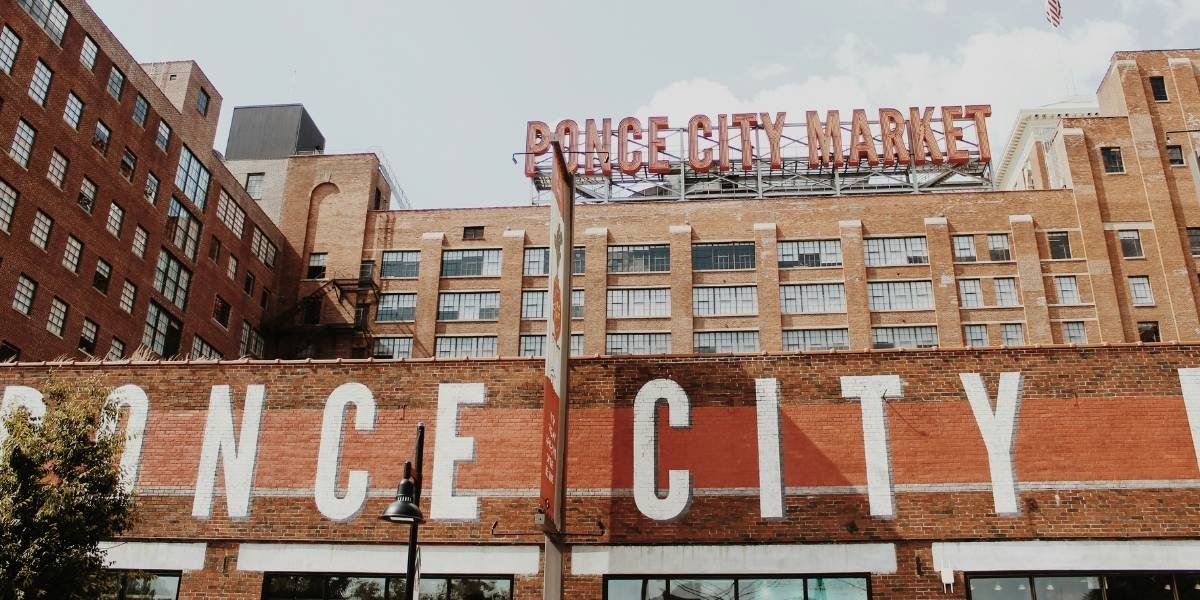
Ponce City Market has become a cornerstone of Atlanta’s fashion scene. Located in a repurposed historic building, this bustling hub brings together a curated mix of boutiques that reflect the city’s eclectic style. Shoppers can browse everything from vintage denim and handmade accessories to contemporary designer pieces. The market’s fashion collective is a magnet for those seeking originality and flair, offering a shopping experience that’s as stylish as it is immersive.

Inman Park, one of Atlanta’s oldest and most charming neighborhoods, is home to a vibrant collection of indie boutiques. These shops are known for their carefully curated selections, often featuring local designers and emerging brands. Walking through Inman Park feels like embarking on a fashion treasure hunt—each storefront reveals a new aesthetic, a fresh take on style, and a personal story behind the clothes. It’s a neighborhood where fashion feels intimate and expressive.

Beyond these hotspots, Atlanta is dotted with hidden gems waiting to be discovered. From Westside Provisions District to Little Five Points, the city’s boutique culture thrives on individuality. These spaces aren’t just places to shop—they’re places to connect, to be inspired, and to celebrate the artistry of fashion. Whether you’re a longtime local or a curious visitor, Atlanta’s boutique scene offers endless opportunities to explore and express your personal style.

Independent Designers: Crafting Atlanta’s Signature Style

Atlanta’s fashion identity is shaped not only by its boutiques but also by its talented independent designers. Natt Taylor is one such visionary whose work embodies effortless elegance. Her designs are known for their clean silhouettes, soft fabrics, and timeless appeal. Taylor’s commitment to creating pieces that empower women through style has made her a beloved figure in Atlanta’s fashion community.

Abbey Glass is another standout designer whose work brings modern luxury to the forefront. Her collections are characterized by refined tailoring, bold prints, and a sophisticated aesthetic that resonates with fashion-forward consumers. Glass’s designs have graced runways and red carpets, earning her national acclaim while staying rooted in Atlanta’s creative spirit. Her studio, nestled in the heart of the city, serves as both a workspace and a showroom, inviting clients to experience her vision firsthand.

These designers represent the soul of Atlanta’s fashion scene—innovative, inclusive, and deeply connected to the community. Their success is a testament to the city’s support for creative entrepreneurship and its growing reputation as a place where fashion talent can flourish. As more designers emerge and make their mark, Atlanta continues to define its own signature style—one that’s bold, beautiful, and unmistakably Southern.

The Rise of Sustainable Fashion

Beyond the Runway: How Atlanta's Boutiques & Designers are Changing the Fashion Game

Beyond the Runway: How Atlanta’s Boutiques & Designers are Changing the Fashion Game

Sustainability is becoming a defining theme in Atlanta’s fashion evolution. Local designers and boutique owners are increasingly embracing eco-conscious practices, recognizing the importance of ethical production and mindful consumption. From using recycled fabrics to minimizing waste in their supply chains, these fashion leaders are proving that style and sustainability can go hand in hand.

Many Atlanta boutiques now offer collections that prioritize environmental responsibility. Shoppers can find upcycled garments, biodegradable accessories, and brands that support fair labor practices. This shift reflects a growing awareness among consumers who want their purchases to align with their values. By choosing sustainable fashion, Atlantans are making a statement—not just about what they wear, but about the kind of world they want to live in.

The city’s commitment to sustainability is also evident in its fashion events and educational initiatives. Workshops on eco-friendly design, panels on ethical sourcing, and pop-up markets featuring green brands are becoming more common. These efforts are helping to build a fashion community that’s informed, engaged, and ready to lead the way toward a more sustainable future.

Embracing Diversity: Fashion for All

Inclusivity is at the heart of Atlanta’s fashion scene. Designers and boutiques across the city are making conscious efforts to celebrate diversity in all its forms—size, race, gender, and style. This commitment ensures that fashion in Atlanta is accessible and empowering for everyone, not just a select few.

Boutiques are expanding their size ranges, offering adaptive clothing, and featuring models from a variety of backgrounds. Designers are creating collections that reflect the lived experiences of their communities, drawing inspiration from cultural heritage, personal identity, and social movements. This approach not only enriches the fashion landscape but also fosters a sense of belonging among consumers.

Atlanta’s embrace of diversity is more than a trend—it’s a reflection of the city’s values. In a place known for its cultural vibrancy and progressive spirit, fashion becomes a tool for self-expression and social change. Whether you’re looking for bold statement pieces or everyday essentials, Atlanta offers fashion that speaks to who you are and celebrates what makes you unique.

Navigating Atlanta’s Fashion Events

Fashion events in Atlanta are as dynamic and diverse as the city itself. Throughout the year, the city hosts a range of gatherings that spotlight local talent and bring the community together. From intimate trunk shows to large-scale runway productions, these events offer a platform for designers, stylists, and fashion lovers to connect and collaborate.
Pop-up markets are a popular fixture, often featuring handmade goods, sustainable brands, and emerging designers.

These events create opportunities for shoppers to discover new favorites while supporting small businesses. They also foster a sense of community, where fashion is not just about commerce but about creativity and connection.
Atlanta Fashion Week and other seasonal showcases draw attention to the city’s growing influence in the industry. These events highlight the latest trends, celebrate innovation, and provide visibility for underrepresented voices. Whether you’re attending as a buyer, a blogger, or simply a fan of fashion, Atlanta’s events offer a front-row seat to the city’s stylish evolution.

A City Woven in Style

Atlanta’s fashion scene is a vibrant tapestry of creativity, culture, and community. It’s a place where tradition meets innovation, where southern charm blends with global flair, and where fashion is both personal and powerful. From the bustling boutiques of Ponce City Market to the visionary studios of independent designers, Atlanta invites you to explore a style experience that’s uniquely its own.

The city’s embrace of sustainability and diversity reflects a deeper commitment to values that matter. Fashion here isn’t just about looking good—it’s about doing good, feeling confident, and expressing identity. Whether you’re shopping, designing, or simply admiring, Atlanta’s fashion landscape offers inspiration at every turn.
So take a stroll through Atlanta’s stylish streets. Let the colors, textures, and stories of the city’s fashion scene spark your imagination. In Atlanta, style isn’t just worn—it’s lived, celebrated, and shared.

Thriving Artists: How to Be Creative Without the Myth of Starving & Suffering

For generations, the idea that great art requires personal anguish has been deeply ingrained in cultural narratives. The image of the tortured artist—struggling with inner demons, poverty, or emotional instability—has been romanticized in literature, film, and even art history. But this myth does more harm than good, suggesting that creativity must come at the cost of well-being. Recent perspectives challenge this notion, arguing that meaningful work can—and often does—come from a place of stability, routine, and even joy. A healthier approach to creativity not only sustains artists longer but also allows for more consistent and fulfilling work.

The Origins of the Tormented Artist Myth

The association between suffering and creativity has roots in historical and cultural storytelling. Many famous artists from the past did indeed face mental health struggles, addiction, or turbulent lives, and their biographies often emphasize these hardships over their creative processes. Over time, these stories became templates, reinforcing the belief that pain was a necessary ingredient for profound art. Literary movements like Romanticism further glamorized emotional turmoil, portraying artists as tragic figures whose genius came at a personal cost.

Psychological research, however, tells a different story. While some studies have explored links between creativity and mood disorders, they don’t prove that suffering causes great art—only that some artists happen to experience both. In fact, chronic stress, anxiety, or depression often hinder rather than fuel creativity. The myth persists partly because dramatic struggles make for compelling narratives, overshadowing the many artists who produce meaningful work without being consumed by anguish.

Another factor in this stereotype is the misconception that creativity is an erratic, uncontrollable force—something that strikes only in moments of emotional intensity. In reality, most professional artists rely on discipline, routine, and steady effort rather than waiting for inspiration to strike in a burst of torment. The idea that suffering is necessary can discourage emerging creators who don’t fit the “tortured” mold, making them question whether their work is valid if it comes from a stable, balanced life.

A Healthier Approach to Creativity

Thriving Artists: How to Be Creative Without the Myth of Starving & Suffering

Photo Credit: Unsplash.com

Letting go of the tormented artist myth opens the door to more sustainable creative practices. Many artists find that their best work emerges not from chaos but from consistency—showing up regularly, cultivating curiosity, and allowing ideas to develop over time. A balanced lifestyle, with proper rest, social connections, and emotional well-being, often supports creativity more reliably than turmoil does.

One key shift is viewing creativity as a skill that can be nurtured rather than a mystical force tied to suffering. Just as athletes train their bodies, artists can develop habits that foster their craft without relying on emotional extremes. Techniques like freewriting, scheduled studio time, or collaborative projects help maintain momentum without waiting for “the right mood.” Some creators even find that their most original ideas come when they feel relaxed and open, not when they’re emotionally drained.

Community also plays a crucial role in sustainable creativity. The stereotype of the isolated, brooding artist ignores how much collaboration and exchange fuel innovation. Many thriving creative circles operate on mutual support, feedback, and shared inspiration—far from the lonely, anguished figure of myth. When artists feel connected rather than alienated, they’re more likely to take creative risks and persist through challenges.

Why Stability Is the New Muse for Modern Creatives

Financial and practical stability shouldn’t be overlooked either. The romanticized notion of the “starving artist” suggests that financial struggle is noble or even necessary for authenticity. In reality, financial stress can stifle creativity by forcing artists to divert energy into survival rather than exploration. Stable support systems—whether through day jobs, grants, or sustainable business models—allow for more focused and intentional work.

Ultimately, debunking the tormented artist myth benefits both creators and audiences. When artists aren’t pressured to glamorize or endure suffering for their craft, they can develop longer, more fulfilling careers. Audiences, too, gain a broader understanding of creativity—one that includes joy, curiosity, and resilience alongside the full range of human emotion. Art has always been diverse in its origins, and acknowledging that it can come from stability as much as struggle only enriches the cultural conversation.

The next generation of artists might redefine creativity even further, prioritizing sustainability, self-care, and collaborative growth over outdated stereotypes. The goal isn’t to dismiss the real challenges artists face but to reject the idea that those challenges are prerequisites for meaningful work. Creativity thrives in many environments—and a healthy, balanced approach might just be the most revolutionary of all.