
Understanding the Dynamics of Cultural Diversity
Atlanta, long celebrated for its pivotal role in American history and civil rights, is now emerging as a dynamic mosaic of cultures that reflect both its past and its evolving present. The city’s neighborhoods, festivals, and culinary scenes are infused with influences from Latin America, Asia, Africa, and beyond, creating a vibrant tapestry of traditions and perspectives. This cultural richness is not only visible in public life but also deeply embedded in the everyday experiences of residents, shaping how they live, work, and connect with one another.
The impact of this diversity extends far beyond aesthetics—it plays a vital role in strengthening Atlanta’s social fabric. Schools, community centers, and local organizations are increasingly embracing multicultural programming, fostering dialogue and understanding among different groups. Businesses are adapting to serve a broader range of cultural needs, while artists and storytellers are drawing inspiration from their heritage to create work that resonates across communities. These interactions build empathy, challenge stereotypes, and encourage collaboration, making Atlanta a more inclusive and resilient city.
Cultural diversity also fuels innovation and economic growth. Immigrant-owned businesses contribute significantly to the local economy, while international talent enriches Atlanta’s tech, healthcare, and creative industries. The city’s global connections attract investment and tourism, positioning it as a hub for cross-cultural exchange and opportunity. As Atlanta continues to grow, its ability to harness the strengths of its diverse population will be key to its long-term success and sustainability.
Ultimately, the story of Atlanta is one of transformation—where cultural diversity is not just a backdrop but a driving force. By celebrating and investing in its multicultural communities, Atlanta affirms its identity as a city of progress, creativity, and shared purpose. This ongoing journey invites residents and visitors alike to engage with the richness around them, recognizing that the future of Atlanta is being shaped by the many voices that call it home.
Embracing the Melting Pot: A Timely Perspective
Atlanta stands as a living testament to the power of cultural convergence, where the rhythms of global traditions pulse through its streets, neighborhoods, and institutions. From the vibrant murals in Little Five Points to the international flavors lining Buford Highway, the city’s cultural landscape is a reflection of its growing immigrant population and the rich heritage of its long-standing communities. This influx of diverse voices and experiences has not only reshaped Atlanta’s social dynamics but also invigorated its creative, entrepreneurial, and civic spirit—making it one of the most culturally dynamic cities in the American South.
The city’s commitment to inclusivity is evident in its policies, public programs, and grassroots initiatives that champion multicultural engagement. Schools are integrating global perspectives into their curricula, local governments are fostering cross-cultural dialogue, and community organizations are creating spaces for shared celebration and understanding. These efforts go beyond surface-level representation—they cultivate empathy, bridge divides, and empower residents to see diversity as a strength rather than a challenge. In a time when polarization threatens cohesion, Atlanta’s model of cultural integration offers a compelling blueprint for unity through diversity.
More than a passing phase, Atlanta’s embrace of cultural diversity is deeply woven into its evolving identity. It influences how the city defines progress, how it tells its stories, and how it envisions its future. Whether through art, commerce, education, or activism, the city’s multicultural heartbeat drives innovation and resilience. As Atlanta continues to grow, its ability to honor and harness the richness of its communities will be central to its success—not just as a regional hub, but as a global city rooted in shared humanity.
The Economic Impact: Supporting Facts
Diversity is not just a buzzword but a catalyst for economic prosperity. The economic landscape of Atlanta has witnessed a positive shift due to the contributions of various ethnic groups. A data-driven analysis, utilizing tools such as Google Analytics, showcases a direct correlation between cultural diversity and economic growth.
According to recent studies, businesses that embrace diversity in their workforce tend to outperform their counterparts. The fusion of different perspectives and approaches creates a dynamic environment that fosters innovation and resilience. This trend is evident in Atlanta, where businesses thrive on the collaborative energy generated by a culturally diverse workforce.

Photo Credit: Unsplash.com
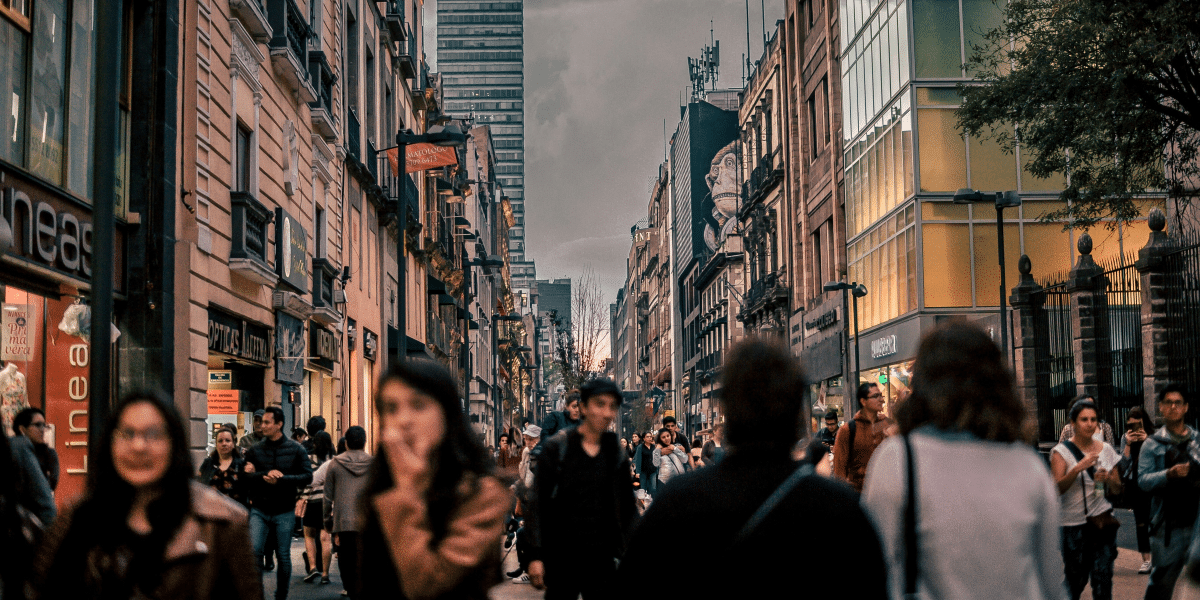
To truly understand the impact of cultural diversity, it’s essential to explore the individual stories that collectively shape Atlanta. From the bustling streets of Buford Highway, lined with international eateries, to the cultural festivals that dot the city’s calendar, Atlanta is a microcosm of the world.
Local communities, each with their unique traditions and customs, contribute to the vibrant tapestry that defines Atlanta’s social fabric. These communities bring not only their cultural heritage but also a sense of resilience and unity that strengthens the city in the face of challenges.
Celebrating Diversity: Relevant Details and Quotes
Atlanta’s dedication to cultural diversity is deeply embedded in its public life, extending far beyond demographic data or economic metrics. The city pulses with energy during its many cultural festivals, which serve as vibrant expressions of heritage, creativity, and community pride. Events like the Atlanta Food and Wine Festival celebrate global culinary traditions, while the Atlanta Jazz Festival honors the legacy and evolution of a genre rooted in African American history. These gatherings do more than entertain—they foster connection, spark dialogue, and offer underrepresented communities a stage to share their stories and talents.
This commitment is echoed by local leaders who view diversity not as a challenge to be managed, but as a cornerstone of Atlanta’s identity and future. In recent conversations with community advocates, a recurring theme emerged: cultural inclusion is essential for building trust, resilience, and shared prosperity. Leaders emphasized that when different communities are empowered to contribute their perspectives, the city becomes more innovative, empathetic, and adaptable. As one voice put it, “Atlanta’s strength lies in its ability to weave together the stories of different communities into a harmonious narrative”—a sentiment that reflects both pride and purpose.
Atlanta’s approach to diversity is not performative—it’s intentional, strategic, and deeply human. By investing in cultural programming, supporting immigrant entrepreneurs, and amplifying grassroots initiatives, the city is crafting a model of inclusive urban development. This ongoing celebration of difference doesn’t just enrich Atlanta’s cultural landscape—it strengthens its social cohesion and positions it as a beacon for other cities navigating the complexities of modern identity. In Atlanta, diversity isn’t a backdrop—it’s the heartbeat of progress.
A United Atlanta
Atlanta’s journey into cultural diversity is more than a demographic shift—it’s a living narrative of unity, resilience, and progress. From its roots in civil rights activism to its present-day role as a thriving metropolitan hub, the city has consistently demonstrated a capacity to evolve while honoring its multifaceted identity. The influx of global communities has enriched Atlanta’s cultural landscape, bringing new languages, traditions, and perspectives that continue to shape its neighborhoods, institutions, and public life. This embrace of diversity is not just symbolic—it’s foundational to the city’s growth and vitality.
By recognizing and uplifting the myriad cultures that call Atlanta home, the city positions itself as a model for inclusive urban development. Initiatives that support immigrant entrepreneurship, multicultural education, and community-led arts programs reflect a deliberate strategy to build equity and opportunity across all backgrounds. These efforts foster not only economic resilience but also social cohesion, allowing residents to see themselves reflected in the city’s narrative. Atlanta’s commitment to inclusion is evident in its policies, festivals, and grassroots movements that celebrate difference while promoting shared purpose.
As we navigate the ever-evolving saga of our city, it becomes clear that cultural diversity is not a peripheral concern—it’s central to Atlanta’s destiny. In a world increasingly defined by global interdependence, cities that cultivate cross-cultural understanding are better equipped to thrive. Atlanta’s ability to integrate diverse voices into its civic and creative spheres strengthens its adaptability and relevance. Whether through collaborative policymaking or intercultural dialogue, the city’s inclusive ethos offers a blueprint for others seeking to build bridges in divided times.
Atlanta stands as a beacon of what’s possible when difference is not feared but embraced. Its story is one of transformation—where diversity fuels innovation, empathy, and collective progress. As residents and leaders continue to shape the city’s future, the celebration of cultural richness will remain a guiding force. In Atlanta, the tapestry of cultures is not just a backdrop—it’s the thread that binds the city’s past, present, and future into a vibrant, unified whole.