A New Standard in Behavioral Health: Inside Evoraa Healthcare’s Growing Network

By: Matt Emma

Behavioral health care is undergoing a meaningful transformation, and in Tennessee and Georgia, one organization is helping lead that evolution. Evoraa Healthcare has quickly established itself as a key player in mental health and addiction treatment, changing the way effective, compassionate care can look across a growing regional network of treatment centers.

At a time when demand for mental health and substance use services continues to rise, Evoraa’s model represents a notable shift away from one-size-fits-all solutions. Instead, the organization emphasizes accessibility, personalization, and long-term outcomes, aiming to meet individuals where they are and supporting them through every phase of recovery.

“Our vision has always been to provide more than treatment. We aim to make a meaningful impact on lives,” said Ben Carter, CEO of Evoraa Healthcare. “That starts with listening closely to each person, understanding their challenges, and creating a plan that truly fits their life, their history, and their goals.”

Central to Evoraa’s approach is the belief that recovery is rarely linear and is not identical from one person to the next. Each program is thoughtfully customized to address a wide range of needs, including substance use disorders, co-occurring mental health conditions, and the emotional, relational, or social factors that often accompany them. By looking beyond symptoms alone, Evoraa helps clients build a stronger foundation for sustaining wellness.

Clinical care is complemented by holistic wellness strategies designed to support the whole person. In addition to evidence-based therapies, clients engage in life skills development, educational workshops, and community-building activities that foster confidence, accountability, and resilience. These elements are intentionally woven into treatment to help individuals stabilize during care and prepare them to sustain progress once they return to daily life.

The organization’s rapid growth across Tennessee and Georgia reflects both community need and the effectiveness of its patient-centered philosophy. With multiple treatment centers strategically located throughout the region, Evoraa works to make quality behavioral health services accessible, not limited by geography, circumstance, or stigma.

“Expanding our network isn’t just about opening new facilities,” Carter explained. “It’s about building a connected system of care that meets people where they are. We want to remove barriers, streamline access, and provide consistent, reliable services regardless of someone’s location.”

A New Standard in Behavioral Health: Inside Evoraa Healthcare’s Growing Network

Photo Courtesy: Evoraa Healthcare

Equally important to Evoraa’s success is its investment in the people delivering care. The organization places a strong emphasis on staff development, recognizing that sustainable outcomes depend on knowledgeable, supported professionals. Through ongoing education, mentorship opportunities, and a culture that values collaboration, Evoraa empowers its teams to provide care that is both clinically excellent and deeply human.

This commitment to both clients and clinicians has led to a noteworthy impact. Individuals and families who engage with Evoraa’s programs frequently report improvements not only in mental health and substance use outcomes but also in self-confidence, emotional stability, and overall quality of life. Many leave treatment with renewed purpose, equipped with practical tools, supportive relationships, and a clearer vision for their future.

“Our work isn’t just about numbers or completion rates,” Carter said. “It’s about real people reclaiming control of their lives. When someone is able to return to work, rebuild relationships, or rediscover hope, that’s when we know we’re fulfilling our mission.”

As Evoraa Healthcare continues to grow, it is helping set a new standard for behavioral health services in the Southeast, one rooted in personalization, accessibility, and holistic recovery. By combining evidence-based clinical care with compassionate support and community connection, the organization is demonstrating that positive change is possible.

For individuals and families seeking support, Evoraa offers more than treatment. It provides a structured, thoughtful, and compassionate pathway toward lasting recovery, one that honors each person’s story and helps them envision a future defined not by struggle, but by hope and possibility.


Disclaimer: The information provided in this article is for informational purposes only and is not intended as medical or professional advice. For personalized advice and treatment options, please consult a licensed healthcare professional.

Paul Davis Restoration of Las Vegas Raises The Bar For Full Service Disaster Recovery

By: Caleb Foster

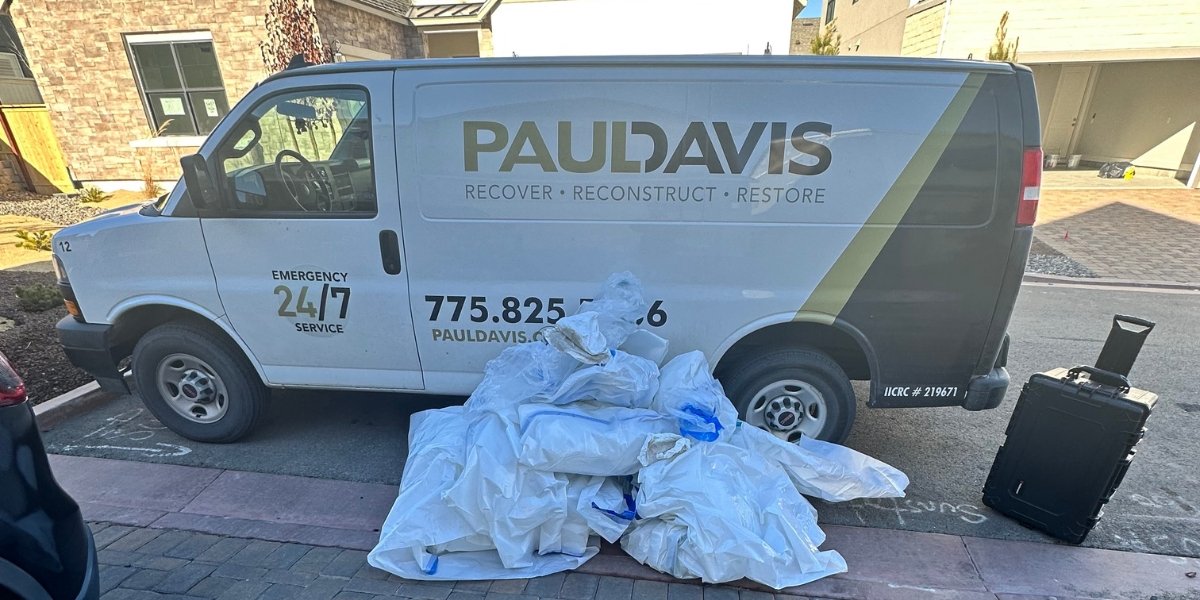
Residents and business owners in Las Vegas know how quickly an everyday routine can be disrupted by an unexpected water leak, fire, or storm. When that happens, they need more than just a contractor. They need a calm, experienced partner who can manage the full journey from emergency cleanup to the final coat of paint. That is the role Paul Davis Restoration of Las Vegas has become well-known for in the community.

Drawing on national resources and local expertise, Paul Davis Restoration of Las Vegas provides comprehensive residential and commercial restoration services backed by industry credentials, strong communication, and a streamlined project experience. From the first phone call, clients work with professionals who understand that every minute counts when a property is damaged, and every decision affects both safety and peace of mind.

A One-Stop Partner From Mitigation to Rebuild

Instead of sending property owners to one company for mitigation, another for reconstruction, and a third for storage, Paul Davis Restoration of Las Vegas offers a convenient, one-stop solution. The team responds quickly to stabilize the property, prevent further damage, and begin mitigation work such as water extraction, drying, smoke and soot cleanup, and debris removal.

Once the emergency phase is under control, the same organization can manage reconstruction and remodeling, whether it is a single bathroom repair or the rebuild of an entire commercial space. The company also provides contents cleaning and temperature-controlled off-site storage, giving customers a safe place for furniture, electronics, documents, and cherished possessions while work is underway. This unified approach may help reduce stress, minimize communication breakdowns between multiple vendors, and help projects move forward with fewer delays.

Communication That Keeps Every Stakeholder Informed

In the middle of a loss, silence can be one of the most stressful experiences for property owners. Paul Davis Restoration of Las Vegas has built its processes around clear, proactive communication to keep clients and insurance partners informed.

Every project is assigned both an on-site project manager and an office-based project coordinator, giving customers two consistent points of contact. The project manager visits the property, oversees crews, and answers questions in person. The project coordinator ensures calls are returned, emails are answered, and scheduling stays organized.

The company also offers its signature “Flash Updates,” a weekly email designed to keep everyone involved on the same page. Property owners, insurance agents, adjusters, property managers, and other stakeholders receive concise updates about what has been completed, what is happening next, and what decisions may be needed. This structure is particularly valuable on complex commercial jobs where many parties rely on accurate information to make business decisions.

Fast Response, Certified Professionals

When damage occurs, speed and expertise are both crucial. Paul Davis Restoration of Las Vegas provides 24-hour emergency response, with calls answered in minutes and technicians able to arrive on-site within the hour or at the time the customer chooses. This rapid response may help limit secondary damage and allow mitigation to begin as soon as possible.

The company’s technicians are trained and certified by the Institute of Inspection, Cleaning, and Restoration Certification (IICRC), the industry benchmark for water, fire, smoke, mold, and cleaning standards. Combined with parts and labor support, workmanship commitments, and full warranty options, customers can be confident that work is being performed according to established, valuable practices.

Guiding Property Owners Through The Insurance Process

For many homeowners and business owners, an insurance claim is unfamiliar territory. Paul Davis Restoration of Las Vegas works closely with insurance agents and adjusters to simplify the process for their clients. Because the insurance industry uses standardized estimating and pricing software, there is no need for customers to chase multiple bids or negotiate back and forth with several contractors.

Instead, Paul Davis Restoration of Las Vegas helps define the scope of work and collaborates directly with the adjuster to reach an agreement on what is required to bring the property back to “like, kind, and quality.” Team members can walk property owners through key insurance concepts such as additional living expenses, contents coverage, and the difference between actual cash value and replacement cost value. This guidance helps clients make informed choices and feel more in control during a stressful time.

Real Customers, Real Results

The company’s approach has resonated with Las Vegas residents who have lived through everything from leaks to full-scale floods. One recent customer shared that “Paul Davis was fast, efficient, and caring,” adding that the team moved quickly from “disaster to a beautiful restoration job completed” while being mindful of a three-month-old baby in the home. Another client who experienced a bathroom water leak described their project manager as proactive, competent, and highly communicative, noting that calls were returned promptly and that attention to detail showed in the final result.

Commercial clients have seen the same level of care. In one remodel of a local commercial building, the Paul Davis Restoration of Las Vegas team completed a full mapping of the space, coordinated with the client’s space planner, and handled permitting, engineering plans, and change requests. The project was delivered on time and on budget, with the client praising the thorough planning, clear quoting, and strong project management.

How To Connect With Paul Davis Restoration Of Las Vegas

Whether dealing with an active emergency or planning a future renovation, property owners in the Las Vegas area can turn to Paul Davis Restoration of Las Vegas for professional, coordinated support. To learn more about services, request a free estimate, or schedule a consultation, visit the company website at Paul Davis Restoration of Las Vegas.

Those who prefer to see projects in action and explore educational content can visit the firm’s YouTube channel, where video highlights and tips bring the restoration process to life. Community members looking to stay connected with updates, community involvement, and helpful reminders can also follow Paul Davis Restoration of Las Vegas on Facebook.

With round-the-clock availability, certified professionals, and a commitment to clear communication, Paul Davis Restoration of Las Vegas continues to set a high standard for restoration and remodeling support when it matters most.

Georgia Braces for Winter Storm Fern: Atlanta Prepares for Ice, Snow, and Disruptions

ATLANTA — As a formidable winter system known as Winter Storm Fern approaches the Southeast, state and local officials in Georgia are urging residents to prepare for potentially dangerous weather conditions that could bring freezing rain, sleet, snow, and widespread ice accumulation over the coming days. The storm has already prompted a statewide State of Emergency declaration and expanded Winter Storm Watches covering metro Atlanta and much of North Georgia.

This marks the latest winter weather threat to hit the region, and forecasts show that even relatively modest amounts of ice could have serious impacts on travel, infrastructure, and power availability in the coming days.

Gov. Kemp Declares State of Emergency

On Thursday, Georgia Gov. Brian Kemp formally declared a State of Emergency for all counties in the state as preparations ramped up across government agencies, utility providers, and emergency responders. The declaration authorizes expanded resources for response efforts and remains in effect through late January.

In announcing the action, Kemp emphasized both caution and preparedness:

“The winter storm watch is in effect for North Georgia from Friday evening through Monday morning,” Kemp said in a statewide press briefing. “We think we’ll experience significant snow, sleet and or freezing rain possible in these counties throughout the weekend, and that’ll start early Saturday morning.”

He also highlighted that up to 500 National Guard troops could be mobilized to support response operations if needed, and urged residents to avoid unnecessary travel once the storm begins.

Officials Warn of Ice, Travel Hazards, and Power Risks

Forecasters and emergency officials have focused particular attention on the threat of ice accumulation, which can make roadways treacherous, bring down tree limbs, and increase the likelihood of power outages by adding weight to utility lines — a concern that resonates deeply in the South, where winter weather infrastructure is more limited than in northern states.

The National Weather Service has issued a Winter Storm Watch for much of North Georgia — including metro Atlanta and surrounding counties — with watches remaining in effect from early Saturday through Monday morning.

Local meteorologists echoed the seriousness of the forecast. According to FOX 5 Atlanta’s Storm Team, the risk of freezing rain and ice “is going to be our biggest weekend threat.” Storm Team Chief Meteorologist David Chandley noted that even hours of freezing rain can lead to what he described as a “crippling” ice event, with enough accumulation to down trees and power lines if temperatures remain low.

Officials Urge Personal Preparedness

State emergency management officials have stressed preparation, but not panic. Josh Lamb, Director of the Georgia Emergency Management and Homeland Security Agency (GEMA/HS), advised residents to prepare their homes and vehicles for winter conditions:

“Take precautions, don’t panic, and please stay informed and stay off the roads whenever possible,” Lamb said in an online briefing. “Filling cars with gas, stocking emergency supplies, and planning for possible power outages can help families stay safe this weekend.”

Officials have also encouraged residents to build emergency kits with at least three days’ worth of food, water, medications, and supplies, and to make plans for children, pets, and elderly family members who may need extra care during prolonged severe weather.

Utility Providers Ready for Response

Georgia Power officials are also preparing crews statewide to respond if ice or snow causes outages, urging customers to stay aware of safety guidance and to report downed lines immediately. Their public messaging includes concrete safety advice, such as avoiding contact with fallen wires and giving utility workers room to operate.

The utility’s readiness and communication strategies reflect a broader push by state partners — including the Georgia Department of Transportation, which is staging brine trucks and other road-treatment equipment ahead of the storm — to minimize disruptions and accelerate recovery.

Winter Storm Uncertainty — But Serious Threat

While forecasts are never certain so far in advance, meteorologists have pointed to a pattern that could deliver significant wintry weather across Georgia over several days. The storm is part of a larger system sweeping from the South into parts of the Northeast, carrying the potential for heavy snow, sleet, and freezing rain across multiple states.

National Weather Service forecasters warn that the exact mix of precipitation — from snow to ice — will hinge on how temperatures align with moisture, meaning even small shifts could dramatically increase impacts on local travel and infrastructure.

Community Response and Preparedness

Across metro Atlanta, residents have already begun preparing by stocking up on essentials and adjusting travel plans. Some recalled strategies from past storms, while others took a first serious look at winter weather preparedness.

As the weekend nears, state leaders continue to emphasize the importance of staying informed, planning early, and prioritizing safety — especially as Georgia faces a winter storm scenario that could test the region’s readiness long before the heart of winter typically arrives.

Anthony Geary Dies at 78 How the General Hospital Star Shaped Daytime TV

Anthony Geary’s Death Confirmed at Age 78

Anthony Geary, the actor best known for playing Luke Spencer on General Hospital, has died at the age of 78. His passing was confirmed by his husband, Claudio Gama, who said Geary died following complications from a scheduled medical procedure. The actor passed away in Amsterdam, where he had been living privately for several years.

News of Geary’s death spread quickly among fans of daytime television. For many viewers, Luke Spencer was more than just a character. He was a fixture of afternoon TV for decades, someone people grew up watching in their living rooms. The news felt personal to long time fans who followed his storylines year after year.

Geary had stepped away from acting long before his death, choosing a quieter life overseas. Even so, his legacy remained active through reruns, online clips, and conversations about the golden age of soap operas. His death marks the end of one of the most recognizable careers in daytime television history.

How Anthony Geary Became Luke Spencer

Anthony Geary joined General Hospital in 1978. At the time, the show was struggling to stand out in a crowded daytime lineup. Luke Spencer began as a rough around the edges character, someone unpredictable and flawed. That edge became part of what drew viewers in.

Geary brought a level of intensity that wasn’t always common in daytime TV at the time. Luke was sarcastic, emotional, reckless, and vulnerable. Instead of playing him as a simple hero, Geary leaned into the messiness. That choice helped the character feel real, even when storylines became dramatic or exaggerated.

Over time, Luke Spencer became the center of the show. Writers built entire arcs around him, and ratings climbed. Geary’s performance didn’t just change the show. It helped redefine what audiences expected from a daytime lead.

The Luke and Laura Phenomenon

Luke Spencer’s pairing with Laura Webber, played by Genie Francis, became one of the most famous romances in television history. Their relationship drew massive viewership during the early 1980s, at a time when soap operas were a daily habit for millions of Americans.

Their wedding episode aired in 1981 and became a cultural moment. Viewers planned their days around watching it. Magazines covered it like a real celebrity event. The storyline turned General Hospital into a pop culture force, not just a daytime show.

What made the pairing work was the chemistry between Geary and Francis. Their scenes felt intense and emotionally charged. Even when the show moved into adventure heavy plots, audiences stayed invested because the connection felt genuine.

Record Breaking Success on Daytime Television

Anthony Geary won eight Daytime Emmy Awards for Outstanding Lead Actor. That record still stands. These awards weren’t spread out randomly. They reflected long stretches where Geary carried complex storylines and delivered performances that stood out even in a competitive field.

Soap operas require a unique kind of stamina. Actors perform long scenes daily with limited rehearsal time. Geary thrived in that environment. He brought depth to scenes that could have easily felt rushed or overdramatic.

Colleagues often described him as intense and committed. He expected strong writing and took his work seriously. That attitude sometimes made him seem demanding, but it also pushed the show to aim higher.

Why Anthony Geary Walked Away From General Hospital

After decades on the show, Geary chose to leave General Hospital in 2015. He later returned briefly in 2017 to wrap up Luke Spencer’s storyline more fully. After that, he retired from acting for good.

Geary had spoken openly about wanting a life outside of constant production schedules. Soap operas don’t pause. The work is steady and relentless. Walking away meant giving up fame, but gaining freedom.

He moved to Amsterdam with his husband and lived quietly. Friends said he enjoyed travel, reading, and art. He rarely gave interviews and didn’t chase attention. That choice fit someone who had already spent most of his life in the public eye.

How Fans and Co-Stars Are Reacting

Since news of his death broke, tributes have poured in from fellow actors and fans. Many co stars credited Geary with setting a standard for performance on daytime television. Others shared memories of working with him on set during long shooting days.

Fans have been revisiting classic episodes and scenes online. Social media has filled with clips of Luke Spencer moments that defined eras of the show. For many, watching those scenes again brings back memories tied to specific times in their own lives.

That reaction highlights how deeply Geary’s work connected with audiences. Soap operas often blend into daily routines. Over time, characters become familiar companions. Losing the actor behind one of those characters feels like losing a piece of shared history.

Anthony Geary’s Impact on Soap Opera Storytelling

Before Luke Spencer, male leads in soap operas often followed predictable patterns. They were stable, charming, and morally clear. Geary helped change that. Luke was complicated. He made bad choices. He struggled with guilt and anger.

That complexity allowed writers to explore darker and more emotional storylines. It also gave viewers permission to care about characters who weren’t perfect. That shift influenced other shows and actors across the genre.

Many later soap stars cite Geary as an example of how to push boundaries within daytime television. His influence extended beyond one role or one show.

Life Beyond the Screen

Anthony Geary was private about his personal life, especially during the height of his fame. Later in life, he spoke more openly about his relationship with Claudio Gama. The two shared a long partnership built away from public scrutiny.

Living abroad allowed Geary to step out of the spotlight completely. He wasn’t a celebrity running errands or giving interviews. He was simply a resident living his daily routine. That balance seemed important to him after years of intense visibility.

His death following a medical procedure was described as unexpected. Details have remained limited, and his family has asked for privacy. What remains public is the work he left behind.

Why Anthony Geary’s Legacy Still Matters

Anthony Geary’s career shows how one actor can reshape an entire genre. He didn’t just play Luke Spencer. He turned the role into something that demanded attention and respect.

For viewers who watched daytime television during its peak years, Geary’s work represents a time when soap operas dominated cultural conversation. For newer audiences, his performances remain a benchmark for emotional storytelling.

Even years after retiring, his name still carries weight. His death closes a chapter, but the influence of his work continues through the shows and actors he inspired.

Anthony Geary didn’t chase reinvention or late career comebacks. He left when he felt finished. That decision, much like his performances, reflected someone who knew exactly who he was and what he wanted from his work.

The Benefits of Nature Therapy: Why Connecting with Nature is Essential for Well-being

What is nature therapy?

Nature therapy, also known as ecotherapy, is a therapeutic practice that involves connecting with nature to improve mental and physical well-being. Unlike traditional therapy, which typically occurs in an office setting, nature therapy encourages individuals to engage with the natural environment. This can include walking in the woods, gardening, or spending time in a park.

The core idea behind nature therapy is that exposure to natural surroundings can reduce stress, improve mood, and promote overall well-being. Research has shown that spending time in nature can lower cortisol levels, the hormone associated with stress, and increase feelings of happiness and relaxation.

There are several forms of nature therapy, each with its approach. For example, “forest bathing,” or Shinrin-yoku, involves immersing oneself in a forest environment to experience its calming effects. Another form, horticultural therapy, uses gardening activities to enhance mental health, particularly in people dealing with depression or anxiety.

Nature therapy differs from traditional therapy in its setting and methods. While traditional therapy often focuses on talking through issues in a clinical environment, nature therapy leverages the healing power of the natural world. This approach can be particularly effective for those who feel overwhelmed or disconnected in more conventional therapeutic settings.

Nature therapy offers a holistic approach to well-being. It combines the benefits of physical activity, fresh air, and natural beauty to create a powerful therapeutic experience. Whether through a structured program or simply spending more time outdoors, nature therapy provides a unique and effective way to enhance mental and physical health.

What are the key benefits of nature therapy?

Nature therapy, also known as ecotherapy, offers a wide range of mental, emotional, and physical benefits, making it an increasingly popular approach to enhancing overall well-being. One of the primary benefits of nature therapy is its ability to reduce stress. Spending time in natural environments has been shown to lower cortisol levels, the hormone associated with stress, which helps calm the mind and body. This stress reduction can lead to a more relaxed state, making it easier to manage daily pressures.

Another significant benefit of nature therapy is the improvement of mood. Exposure to natural settings, such as parks, forests, or gardens, can increase the production of serotonin, a neurotransmitter that contributes to feelings of happiness and well-being. This mood enhancement is particularly beneficial for individuals dealing with depression or anxiety, as regular interaction with nature can lead to a more positive outlook on life.

Nature therapy also provides physical benefits. Activities like walking, hiking, or gardening promote physical fitness and boost the immune system. Regular physical activity in natural environments has been linked to lower blood pressure, improved cardiovascular health, and increased energy levels. Additionally, the fresh air and exposure to sunlight from spending time outdoors contribute to better sleep patterns and overall vitality.

The key benefits of nature therapy include stress reduction, mood improvement, and enhanced physical health. By incorporating nature into your routine, you can experience a holistic approach to well-being that nurtures both the mind and body, leading to a healthier, happier life.

How does spending time in nature affect mental health?

Spending time in nature has a profound positive impact on mental health, particularly in managing conditions like anxiety, depression, and stress. Nature therapy, or ecotherapy, harnesses the healing power of natural environments to improve mental well-being. Research shows that regular exposure to nature can significantly reduce symptoms of anxiety and depression. The calming effect of natural surroundings helps lower cortisol levels, the hormone linked to stress, leading to a more relaxed and peaceful state of mind.

For individuals dealing with anxiety, nature therapy offers a soothing retreat from the pressures of daily life. The tranquility of natural settings, with the gentle sounds of wildlife and the rustling of leaves, can help quiet the mind and reduce anxious thoughts. This practice encourages mindfulness, allowing individuals to focus on the present moment and experience a sense of calm.

Depression, a common mental health issue, can also be alleviated through nature therapy. Studies have found that spending time outdoors increases the production of serotonin, a neurotransmitter that plays a crucial role in mood regulation. By boosting serotonin levels, nature therapy can help lift the mood and combat feelings of sadness and hopelessness associated with depression.

Scientific evidence supports the mental health benefits of spending time in nature. A study published by the National Institutes of Health (NIH) found that participants who spent time in green spaces experienced reduced symptoms of stress and improved overall mood. Another American Psychological Association (APA) study highlighted that regular interaction with nature can improve mental health, promoting resilience against stress and anxiety.

Spending time in nature is a powerful way to enhance mental health, providing relief from anxiety, depression, and stress. With strong scientific backing, nature therapy emerges as an effective and accessible approach to improving mental well-being.

What are some examples of nature therapy practices?

Nature therapy practices encompass a variety of activities that connect individuals with the natural environment, offering numerous mental and physical health benefits. Some popular nature therapy practices include forest bathing, hiking, gardening, and simply spending time outdoors. These activities can easily be incorporated into daily life, making them accessible to everyone, regardless of location or lifestyle.

Forest bathing, known as Shinrin-yoku in Japan, involves immersing oneself in a forest environment and mindfully engaging with the surroundings. This practice encourages individuals to slow down, breathe deeply, and focus on the forest’s sights, sounds, and scents. Research shows that forest bathing can reduce stress, lower blood pressure, and improve mood. To incorporate this practice into your life, you can visit a nearby park or wooded area and walk slowly, taking in the natural beauty around you.

Hiking is another effective form of nature therapy. This activity combines physical exercise with the mental benefits of being in nature. Hiking on trails, whether in forests, mountains, or even urban parks, helps reduce anxiety, boost mood, and increase physical fitness. To make hiking a regular part of your routine, start with short, accessible trails near your home and gradually explore more challenging routes as your fitness improves.

Gardening is a hands-on nature therapy practice that can be done right in your backyard or even on a balcony. Tending to plants, flowers, or vegetables helps reduce stress and promotes a sense of accomplishment. Gardening also allows you to connect with the earth and enjoy the therapeutic benefits of nurturing living things. Incorporate gardening into your daily routine by setting aside time each day to care for your plants.

Spending time outdoors is a versatile and easy way to engage in nature therapy. Whether sitting in a park, walking along a beach, or enjoying a sunset, being in nature helps clear the mind and rejuvenate the spirit. You can incorporate this practice by making it a habit to step outside daily, even if only for a few minutes, to enjoy the natural world around you.

How can I start incorporating nature therapy into my routine?

Incorporating nature therapy into your daily routine is a simple and effective way to boost your mental and physical well-being. Starting small and gradually building your practice can help you make nature therapy a regular part of your life. Here are some practical steps to get you started.

Start with Short, Daily Walks: Take a 10-15 minute walk outside daily. Whether in a park, around your neighborhood, or even just stepping outside your office during a break, these short walks allow you to connect with nature. Focus on your surroundings—notice the trees, listen to the birds, and feel the fresh air. This mindful approach enhances the benefits of nature therapy.

Bring Nature Indoors: If you have limited access to outdoor spaces, consider bringing nature indoors. Houseplants, fresh flowers, or even a small indoor garden can provide a sense of calm and connection to the natural world. Spending a few minutes each day caring for your plants can be a relaxing and rewarding activity that incorporates nature therapy into your routine.

Schedule Time in Nature: Schedule regular time in nature like any other important activity. Plan a weekly hike, visit a nearby beach, or spend an afternoon in a park. Setting aside specific times creates a habit that becomes a natural part of your lifestyle. Consistency is key to reaping the long-term benefits of nature therapy.

Practice Mindfulness Outdoors: Incorporate mindfulness exercises into your time in nature. During your walks or outdoor activities, take a few moments to breathe deeply and focus on the present moment. This can enhance the therapeutic effects of being in nature, helping to reduce stress and improve your overall mood.

By starting with these simple steps, you can gradually build a nature therapy routine that fits seamlessly into your daily life and provides ongoing benefits for your well-being.

What are the long-term effects of regularly engaging in nature therapy?

Regularly engaging in nature therapy can lead to significant long-term benefits for mental and physical well-being. One of the most notable long-term effects is an overall improvement in emotional resilience. Consistent exposure to nature helps to lower stress levels, which, over time, can enhance one’s ability to cope with life’s challenges. By reducing the production of stress hormones like cortisol, nature therapy fosters a calm, balanced state of mind, making it easier to manage anxiety and prevent burnout.

Another key benefit of sustained nature therapy is the lasting positive impact on mood and mental health. Studies have shown that regular interaction with nature can decrease symptoms of depression and anxiety. This is largely due to the increase in serotonin levels—a neurotransmitter associated with feelings of happiness—that occurs when you spend time outdoors. Over time, these mood-enhancing effects can lead to a more positive outlook and a stronger sense of well-being.

Long-term engagement in nature therapy can improve overall health and physical fitness physically. Activities like hiking, walking, or gardening provide regular exercise, strengthening the cardiovascular system, boosting energy levels, and promoting better sleep patterns. Moreover, spending time outdoors increases exposure to natural light, which is crucial for maintaining a healthy circadian rhythm and improving sleep quality.

Incorporating nature therapy into your routine can also lead to lasting lifestyle changes. As you become more attuned to the benefits of being in nature, you may find yourself seeking out more opportunities to be active outdoors, which can lead to a healthier, more balanced lifestyle. This shift can inspire greater environmental awareness and a deeper connection to the natural world.

The long-term effects of nature therapy include enhanced emotional resilience, improved mental health, better physical fitness, and positive lifestyle changes, all of which contribute to a healthier and more fulfilling life.

What does the research say about the benefits of nature therapy?

Current research strongly supports the effectiveness of nature therapy in improving overall well-being. Numerous studies have shown that regular exposure to natural environments can lead to significant mental and physical health benefits. One of the key findings is that nature therapy helps reduce stress. A study published by the American Psychological Association (APA) found that spending time in green spaces lowers cortisol levels, the hormone associated with stress, which helps individuals achieve a more relaxed and balanced state of mind.

Another important benefit highlighted by research is the positive impact of nature therapy on mood and mental health. A comprehensive review by the National Institutes of Health (NIH) revealed that individuals who regularly spend time in nature experience reduced symptoms of depression and anxiety. This effect is attributed to natural settings’ calming and restorative qualities, which help alleviate negative emotions and promote a sense of peace and well-being.

Physical health benefits are also well-documented. Research indicates that engaging in activities like walking, hiking, or gardening in natural environments improves cardiovascular health, boosts the immune system, and increases overall physical fitness. These activities also contribute to better sleep quality, as exposure to natural light helps regulate the body’s circadian rhythm.

Furthermore, a study by the World Health Organization (WHO) found that nature therapy fosters social well-being by encouraging outdoor activities and interactions, which can reduce feelings of loneliness and isolation. The study also emphasized that access to natural spaces enhances community health by providing physical activity, relaxation, and socialization areas.

Research consistently shows that nature therapy is highly effective in reducing stress, improving mood, enhancing physical health, and promoting social well-being. These findings underscore the importance of incorporating nature therapy into regular routines to achieve lasting health benefits.

While the benefits of nature therapy are widely celebrated for improving mental and physical well-being, it’s worth considering that not everyone may experience these benefits equally. Some individuals may find traditional therapy more effective in addressing their specific mental health needs, especially if they require structured guidance or are not easily accessible to natural environments. Additionally, relying solely on nature therapy could potentially overlook the need for more intensive therapeutic interventions in cases of severe mental health conditions. Therefore, while nature therapy offers valuable advantages, it should be seen as a complementary rather than a universal solution.

Atlanta’s Peach Drop Tradition Reinvented With Fireworks And Drones

Atlanta’s New Year’s Eve celebration is entering a new chapter as the city officially moves away from the traditional Peach Drop and replaces it with a reimagined, citywide event built around fireworks and drone technology. Long known as one of Atlanta’s most recognizable holiday traditions, the Peach Drop has been a downtown fixture for decades. Now, city leaders are reshaping the celebration in response to changing public expectations, safety concerns, and a desire to make the event more accessible across Atlanta.

The new format, branded as “Countdown Over ATL,” reflects a broader shift in how large cities are rethinking public celebrations. Instead of concentrating tens of thousands of people in one location, Atlanta’s updated approach spreads the spectacle across multiple areas, using coordinated fireworks and a drone-based peach display to mark the arrival of the new year.

Why Atlanta Is Moving Away From The Traditional Peach Drop

The classic Peach Drop centered on a single downtown gathering, where a massive illuminated peach descended at midnight. While iconic, the format came with logistical challenges that grew more complex over time. Crowd control, security planning, and street closures placed increasing strain on city resources, especially as attendance fluctuated year to year.

City officials have pointed to the need for a more flexible and modern celebration. By shifting away from a single drop point, Atlanta reduces congestion while still preserving the symbolism of the peach. The change also allows residents who may not want to travel downtown or navigate large crowds to participate in the celebration from different vantage points across the city.

This evolution mirrors changes seen in other major cities, where large-scale events are increasingly designed to balance tradition with public safety and accessibility.

What “Countdown Over ATL” Will Look Like On New Year’s Eve

Atlanta’s Peach Drop Tradition Reinvented With Fireworks And Drones (2)

Photo Credit: Unsplash.com

Under the new plan, Atlanta’s New Year’s Eve celebration will feature a coordinated mix of fireworks and drone technology. Instead of a physical peach descending from a structure, drones will form a peach shape in the sky, accompanied by fireworks displays timed to the midnight countdown.

The event is designed to unfold across multiple locations rather than a single downtown site. Officials say this approach allows more neighborhoods to feel included while still delivering a unified visual experience. Fireworks and drone displays will be visible from several parts of the city, creating a shared moment without requiring everyone to gather in one place.

The celebration will also be shorter and more focused than past versions, with a planned 12-minute display leading into the new year. That condensed format reflects an emphasis on impact over duration, using technology to create a memorable experience without extended disruptions.

How Drones Are Changing Public Celebrations In Atlanta

The use of drones marks a significant shift in how Atlanta stages large public events. Drone light shows have gained popularity because they allow for precise choreography, customizable designs, and reduced environmental impact compared to traditional pyrotechnics alone.

For Atlanta, drones offer a way to preserve the peach symbol while updating its presentation. Instead of relying on a single physical structure, the peach can now appear dynamically in the sky, synchronized with music and fireworks. The technology also opens the door for future creative variations, allowing the city to adapt the display year to year without rebuilding infrastructure.

From a safety standpoint, drones reduce some of the risks associated with large physical installations and tightly packed crowds. That consideration has become increasingly important for city planners overseeing major public gatherings.

What This Change Means For Atlanta’s Identity And Culture

The Peach Drop has long been more than a countdown. It has been a cultural marker tied to Atlanta’s identity and its nickname as the Peach State’s largest city. Any change to that tradition carries symbolic weight, especially for longtime residents who associate the drop with memories of past New Year’s Eves.

City leaders have emphasized that the goal is not to erase the tradition, but to reinterpret it. By keeping the peach as the central visual element, Atlanta maintains continuity while acknowledging that traditions can evolve. The updated format reflects a city that is growing, diversifying, and embracing new forms of expression.

For younger residents and newcomers, the reimagined celebration may feel more in step with Atlanta’s reputation as a forward-looking, tech-aware city. For others, it represents a compromise between nostalgia and practicality.

Public Reaction And What Comes Next For The Celebration

Early reactions to the change have been mixed. Some residents welcome the broader access and reduced congestion, seeing the shift as overdue. Others have expressed concern about losing the communal energy of a single downtown gathering. Those reactions highlight the challenge of updating a tradition that holds emotional significance for many people.

City officials have indicated that this year’s event may serve as a testing ground. Feedback from residents, attendance patterns, and logistical outcomes could shape how future New Year’s Eve celebrations are designed. The flexibility of fireworks and drone displays makes it easier to adjust scale and location in response to public response.

What remains clear is that Atlanta is not abandoning its New Year’s Eve celebration. Instead, it is redefining it in a way that reflects current realities while holding onto familiar symbols.

As midnight approaches on December 31, Atlanta will ring in the new year not with a falling peach but with one rising into the sky, reimagined through light, motion, and technology.

Exploring Atlanta’s Beautiful Parks and Outdoor Fun

Parks Galore: Where Nature Meets City Life

Atlanta is a city bursting with green spaces and outdoor adventures for everyone. From families to solo explorers, there’s something for everyone to enjoy in Atlanta’s parks and trails. In this guide, we’ll take a stroll through some of the favorite spots, walking trails, and activities that make Atlanta’s outdoors a vital part of the city’s lifestyle.

Piedmont Park: If there’s a heart to Atlanta’s outdoor scene, it’s Piedmont Park. This green oasis is perfect for a weekend picnic, a game of frisbee, or just a leisurely stroll. Families love the playgrounds, and the picturesque Lake Clara Meer adds a touch of serenity.

Grant Park: Home to Zoo Atlanta, Grant Park is a fantastic blend of wildlife and open spaces. The park also boasts historic landmarks, making it a great spot for a day of exploration. Don’t forget to say hi to the giant pandas at the zoo!

Chastain Park: Known for its vast green fields, Chastain Park is a local favorite for sports enthusiasts. Whether you’re into baseball, tennis, or just want a nice jog, this park has the space for it. Concertgoers also flock here for the popular Chastain Park Amphitheatre.

Hiking Bliss: Trails for Every Explorer

Atlanta BeltLine Eastside Trail: If you fancy an urban hike, the BeltLine’s Eastside Trail is your go-to. With street art, trendy eateries, and a vibrant atmosphere, it’s more than just a trail – it’s a journey through Atlanta’s cultural core.

Arabia Mountain Trail: For a more rustic experience, head to Arabia Mountain. The easy, scenic trails offer stunning views, and the mountain’s unique rock formations make it a photographer’s dream.

Sweetwater Creek State Park: Just a short drive from the city, Sweetwater Creek State Park is a nature lover’s haven. The trails wind along the creek, leading to the ruins of an old mill. It’s a peaceful retreat from the hustle and bustle of daily life.

Outdoor Activities: Fun for Everyone

Atlanta Botanical Garden: Get lost in the beauty of the Atlanta Botanical Garden. It’s not just flowers – there are interactive exhibits, family events, and even a canopy walk for a bird’s eye view of the gardens.

Stone Mountain Park: A short drive away, Stone Mountain Park offers a mix of natural beauty and thrilling activities. Hike to the top for a breathtaking view, or take the cable car if you prefer a more relaxed ascent. The park also hosts laser shows that light up the night sky.

Kayaking on the Chattahoochee River: For a water adventure, try kayaking on the Chattahoochee River. Rentals are available, and it’s a fantastic way to enjoy the outdoors from a different perspective.

Why Atlanta Loves its Green Spaces

Atlanta’s parks and trails aren’t just places to visit – they’re a way of life. These outdoor havens provide a breath of fresh air, a break from the daily grind, and a chance to connect with nature. Families bond over picnics, friends explore together, and solo adventurers find solace in the midst of greenery.

So, whether you’re a resident looking for a weekend escape or a visitor eager to explore, Atlanta’s outdoor scene welcomes you. Lace up those sneakers, pack a picnic, and get ready to embrace the natural beauty that makes Atlanta shine.

The Law of Leadership: Why Being First Matters in Marketing and Business

In business and marketing, the Law of Leadership emphasizes the critical advantage of being first rather than striving to be better than existing competitors. When a brand or product is first to market, it establishes itself as the pioneer, shaping consumer perceptions and becoming synonymous with the category it introduces. Being the first allows a company to dominate the mental space of its target audience, creating a lasting impression that competitors struggle to overcome.

The concept behind this law is simple: once an idea or product enters the marketplace, it begins to define the category. Early movers often enjoy the benefits of brand recognition, customer loyalty, and the opportunity to set industry standards. While being “better” than competitors might seem like an advantage, the reality is that established brands can often have a harder time shifting consumer habits once a category leader has already been established. Being first creates an indelible mark in the minds of customers, giving the first mover a long-lasting advantage.

For example, when a new technology or product is introduced, being the first to offer it creates a mental association between the brand and the innovation. As a result, consumers often perceive the first brand as the most authentic or reliable source in that category. Later entrants might offer superior features or improved products, but they face the challenge of overcoming the initial perceptions of consumers, who may remain loyal to the first brand that introduced the concept, even if subsequent options provide enhancements.

Examples of Leadership Brands

Leadership brands are those that have succeeded in capturing and holding the position of “first” in their respective categories. These brands often become household names, serving as symbols of their industries or product categories. These brands illustrate how being first can lead to enduring market dominance.

One notable example of a leadership brand is the search engine industry. While many search engines existed before it, one company managed to become so synonymous with searching the internet that its name became a verb. This brand was the first to create an intuitive, fast, and effective search experience that revolutionized the way people accessed information online, leading to its status as the definitive leader in the market. Competitors have come and gone, but the leadership brand continues to shape how consumers think about search engines.

Similarly, in the world of mobile phones, the first company to create a smartphone with a touchscreen and internet connectivity established a new category and defined the modern mobile phone market. By being the first to introduce this concept, the company became synonymous with smartphones, creating consumer expectations and influencing the development of future devices. Even with competitors offering better hardware or features, the leadership brand continues to dominate the category by virtue of its position as the first true smartphone.

These leadership brands have cemented their dominance not necessarily by being better but by being first to market with an idea that resonated with consumers. Their early presence and innovation set the standard and continue to influence the direction of the industry today.

How First Movers Shape Perceptions

The Law of Leadership posits that first movers shape not only the market but also consumer perceptions. When a new product or service is introduced to the market, consumers begin to associate the brand with the entire category. The first mover establishes the benchmarks for what the product should look like, how it should function, and what qualities it should possess. As a result, first movers often shape public expectations and influence future competition.

Being the first to introduce a product or idea allows a company to define the narrative around that category. For example, when a new technology or innovation emerges, the first brand to introduce it becomes the authoritative voice on that subject. Consumers often look to the first mover for guidance on how to use the product or service, shaping their understanding and expectations.

The influence of first movers extends beyond product features or functionalities. They also set the tone for how the category is marketed. From the messaging to the branding to the emotional appeal, the first mover determines the framework within which consumers view the category. Later competitors, while offering potentially superior products, must compete not only on features but also on the perceptions created by the first mover. This is why first movers are often able to maintain dominance even when they are no longer the most innovative or technologically advanced.

When Being First Isn’t Enough

While the Law of Leadership suggests that being first provides a significant competitive edge, it is important to recognize that being first is not always enough to guarantee long-term success. Simply introducing a product or idea to the market does not ensure market leadership; maintaining that leadership requires more than just early entry.

There are several factors that can influence the long-term success of a first mover. For example, a first mover may establish a strong position in the market but may fail to adapt to evolving consumer needs or technological advancements. In such cases, competitors who enter the market later with superior offerings may overtake the original leader. A great product introduced early can lose its luster if it is not improved upon or if competitors find better ways to meet consumer demands.

Additionally, even the first mover can be displaced if they fail to market their product effectively or connect with consumers emotionally. A brand must continue to evolve, adapt, and innovate in order to maintain its leadership position. In many cases, the second or third entrant can capitalize on the weaknesses or gaps left by the first mover and gain a larger share of the market. For example, an early product launch may not be enough to maintain leadership if the product fails to meet customer expectations or if the company fails to develop a loyal customer base.

While first movers enjoy significant advantages, they must recognize that the market is dynamic and consumer preferences can shift. Innovation, marketing, and customer engagement are crucial for sustaining leadership once the initial entry has been made.

Strategies to Establish Market Leadership

To establish market leadership, companies must focus on more than simply being the first to market. They must create a brand that is synonymous with the category and continue to innovate, adapt, and connect with consumers. Several strategies can help businesses establish and maintain market leadership:

  1. Continuous Innovation: Leadership brands must prioritize ongoing innovation to maintain relevance in the market. This involves continuously improving products, refining services, and adapting to emerging trends. Innovating even after becoming the first to market keeps the brand fresh and top-of-mind for consumers.

  2. Strong Branding: Effective branding is essential for creating a leadership position. A brand must not only be associated with a product category but must also cultivate an emotional connection with consumers. Building a brand that represents quality, reliability, and value helps reinforce leadership status.

  3. Customer Loyalty: Establishing customer loyalty is key to maintaining market leadership. By offering exceptional customer service, providing consistent value, and fostering a strong community, businesses can turn first-time buyers into repeat customers who advocate for the brand.

  4. Defining the Category: A leadership brand must consistently define and redefine the category it introduced. This includes not only innovating in terms of product features but also guiding industry standards, shaping public perceptions, and influencing future competitors.

More Than Just Waffles: Why Waffle House is a Southern Icon and Disaster Beacon

How Did Waffle House Become Embedded In Southern Life?

Waffle House did not become a Southern icon by accident. Founded in Georgia in the 1950s, the chain expanded slowly and deliberately across the South, favoring highways, small towns, and working class neighborhoods rather than glossy urban centers. That placement mattered. Over time, Waffle House became less of a destination and more of a constant. It was the place open after football games, after late shifts, after long drives, and after nights that stretched into morning. Its familiarity turned it into a shared reference point across generations.

The restaurant’s 24-hour model reinforced that bond. In much of the South, especially outside major cities, late night dining options are limited. Waffle House filled that gap by being reliably open when little else was. That reliability created trust. People did not just go there for food. They went there because they knew it would be there. In a region where routines and relationships carry cultural weight, that consistency helped Waffle House move from chain restaurant to cultural fixture.

The environment inside also played a role. Waffle House is informal, unpretentious, and visibly human. Customers watch cooks prepare food inches away. Conversations bleed across counters. Regulars recognize staff. There is no attempt to polish away the messiness of everyday life. That openness mirrors Southern social culture, where familiarity often matters more than formality. Over decades, that atmosphere became inseparable from how many people define comfort and community.

Why Does Waffle House Stay Open When Others Close?

Waffle House’s reputation for staying open during extreme conditions is not folklore. It is the result of deliberate operational planning. The company prioritizes continuity during disruptions, investing in generators, supply chain flexibility, and internal disaster protocols that allow locations to reopen quickly even when infrastructure is compromised. This mindset treats closure as a last resort rather than a default response.

Unlike many national chains that rely on centralized decision making, Waffle House empowers regional managers to act quickly. When storms approach, locations adjust menus, staffing, and hours in real time. The goal is not perfection. It is functionality. Even a limited menu served on generator power is considered success. That philosophy explains why Waffle House often reopens within hours of hurricanes, tornadoes, or winter storms.

This operational resilience is closely tied to where Waffle House operates. Many of its locations sit in disaster prone regions across the Southeast. Over time, repeated exposure forced the company to adapt or fail. The result is a system designed around disruption rather than convenience. That design choice is why Waffle House is frequently one of the first businesses to resume operations after major weather events.

What Is The Waffle House Index And Why Does It Matter?

The phrase “disaster beacon” comes from what emergency planners informally call the Waffle House Index. The idea is simple. If a Waffle House is fully open after a disaster, conditions are relatively stable. If it is open with a limited menu, the area is under stress but functioning. If it is closed entirely, the situation is severe. This unofficial index gained traction because it proved reliable in real world conditions.

Emergency agencies noticed that Waffle House closures correlated strongly with infrastructure failure. Power outages, impassable roads, water issues, and supply disruptions often showed up first at these locations. Because Waffle House pushes to stay open longer than most businesses, closure becomes a meaningful signal rather than a routine precaution. That makes it useful as a fast, ground level indicator of community impact.

The index matters because it reflects lived reality rather than abstract metrics. Satellite data and official reports can lag behind events on the ground. A closed Waffle House tells a story instantly. It signals that everyday systems people rely on are no longer working. In that sense, Waffle House functions as an accidental early warning system for disaster severity.

Why Communities Look To Waffle House After Storms

After disasters, people seek more than shelter. They seek normalcy. A hot meal served in a familiar place can restore a sense of stability when everything else feels uncertain. Waffle House often provides that moment. For residents dealing with damaged homes, lost power, or disrupted routines, walking into an open restaurant can feel like proof that recovery has begun.

Waffle House also serves a practical role. It becomes a gathering point where information is exchanged, phones are charged, and neighbors reconnect. Emergency workers, utility crews, and residents often occupy the same space. That mix turns the restaurant into an informal coordination hub. While it is not designed for that purpose, its accessibility and openness make it function that way.

This role reinforces the emotional connection people already have with the brand. When a business shows up during hard moments, loyalty deepens. Over time, those experiences accumulate into a reputation that extends far beyond food. Waffle House becomes associated with endurance, reliability, and shared hardship.

How Waffle House Reflects Southern Resilience

Southern identity often emphasizes persistence in the face of difficulty. Weather extremes, economic shifts, and geographic isolation have shaped that mindset over generations. Waffle House aligns naturally with that narrative. Its refusal to close easily mirrors the cultural value placed on showing up, even when conditions are uncomfortable or uncertain.

The restaurant’s simplicity contributes to this symbolism. There are no seasonal reinventions or trend driven menus. What Waffle House offers today looks much like what it offered decades ago. That continuity provides comfort in a region where change can feel abrupt and destabilizing. The sameness is not stagnation. It is reassurance.

In that way, Waffle House operates as both a business and a symbol. It reflects how many Southern communities see themselves. Not flashy, not fragile, but dependable and present. During disasters, that symbolism becomes tangible.

Why Waffle House Is More Than A Restaurant

Calling Waffle House just a diner misses the point. Its cultural weight comes from how it intersects with everyday life and extraordinary moments alike. It is there on ordinary mornings and in the aftermath of storms. That range gives it meaning beyond its menu.

The phrase “More Than Just Waffles” captures that dual role. Waffle House feeds people, but it also signals continuity when routines break down. It marks both the normal rhythm of Southern life and the moments when that rhythm is interrupted. Few businesses occupy that space so consistently.

In the end, Waffle House’s status as a Southern icon and disaster beacon is not about branding. It is about presence. When lights are out and roads are flooded, an open Waffle House tells people something important. It says that the system is bruised but alive. In a region shaped by resilience, that message carries real weight.

Georgia Health Care Enrollment Drops as Affordable Care Act (ACA) Subsidies Expire


Why Did Georgia’s ACA Enrollment Fall So Sharply?

Georgia’s health insurance landscape shifted dramatically as new enrollment figures showed more than 190,000 fewer people signed up for Affordable Care Act marketplace plans during the early phase of the 2026 coverage cycle. The decline marks one of the sharpest year over year drops the state has seen since the ACA marketplaces stabilized in the late 2010s. At the center of the change is the expiration of enhanced federal subsidies that were introduced during the pandemic and quietly reshaped how affordable coverage felt for hundreds of thousands of Georgians.

For several years, those subsidies lowered monthly premiums well beyond what the original ACA framework offered. Many enrollees paid little or nothing for coverage, even at moderate income levels. Once those credits expired, the true sticker price of insurance returned almost overnight. For many households, the difference was not incremental. Monthly premiums doubled in some cases, and for others, the cost crossed a psychological threshold where coverage no longer felt sustainable. That moment, more than any policy debate, explains why enrollment numbers moved so quickly in the opposite direction.

Georgia has long relied heavily on the ACA marketplace compared with states that expanded Medicaid more broadly. That reliance magnified the effect of subsidy changes. When costs rose, there was no wide safety net waiting underneath. The result was a rapid pullback by people who had come to depend on marketplace coverage as their primary link to the health care system.

How Subsidy Expiration Changed the Cost Equation

The enhanced subsidies were not just a discount. They fundamentally changed how people budgeted for health care. During their peak years, many Georgians became accustomed to premiums that felt manageable, predictable, and in some cases almost invisible. That stability encouraged enrollment among healthier individuals, freelancers, early retirees, and small business owners who otherwise might have gone uninsured.

When those subsidies expired, premiums recalibrated to levels closer to pre pandemic norms. For middle income households, the shift was particularly jarring. These families often earn too much to qualify for traditional assistance but not enough to absorb large monthly increases. A plan that once cost under $100 a month suddenly looked like a $250 or $300 commitment. Even before deductibles and copays entered the picture, the math stopped working for many people.

This is why the enrollment drop is not evenly distributed. It is concentrated among people who were financially stretched but still participating. Those who could least afford to lose coverage are often the ones now stepping away, not because they want to, but because they feel they have no viable alternative.

Who Is Most at Risk of Losing Coverage in Georgia?

Georgia Health Care Enrollment Drops as Affordable Care Act (ACA) Subsidies Expire (2)

Photo Credit: Unsplash.com

The people most affected by Georgia’s ACA enrollment decline are not a single demographic group. They span rural communities, metro Atlanta neighborhoods, and small towns where employer sponsored insurance is rare. Self employed workers, gig economy earners, and early retirees are especially vulnerable because marketplace plans often serve as their only realistic coverage option.

Rural residents face an added layer of risk. Hospital closures and provider shortages already make access fragile in many parts of Georgia. Losing insurance coverage does not just mean higher medical bills. It can mean delaying care entirely, traveling farther for treatment, or relying on emergency rooms as a last resort. Over time, that pattern raises costs for the entire system while worsening health outcomes.

Families with children are also exposed. When parents drop coverage due to cost, children often lose consistent access to preventive care, even if they remain technically eligible for other programs. The administrative complexity of switching coverage types can create gaps that last months, not weeks.

What This Means for Georgia’s Health Care System

A sharp enrollment decline does not stay contained within household budgets. It ripples outward into hospitals, clinics, and local economies. When more people become uninsured, providers see higher levels of uncompensated care. That financial strain can force clinics to reduce services, delay hiring, or close altogether, particularly in underserved areas.

There is also a long term market effect. Health insurance works best when both healthy and sick people participate. As healthier individuals exit the marketplace due to higher premiums, the remaining pool becomes older and sicker on average. That imbalance puts upward pressure on premiums, which can trigger further drop offs. This cycle is difficult to reverse once it gains momentum.

For Georgia, where insurance markets are already sensitive, the enrollment drop raises concerns about future stability. Even if premiums level off, rebuilding trust among consumers who felt blindsided by sudden cost increases will take time.

Why Georgia’s Policy Structure Matters More Than Ever

Georgia’s unique approach to health coverage magnifies every federal change. Without broad Medicaid expansion, the ACA marketplace plays an outsized role in covering low and middle income residents. When that marketplace weakens, there is little redundancy in the system.

State leaders now face a narrower set of options than they did several years ago. Short term fixes may help some residents navigate open enrollment, but they do not address the structural vulnerability exposed by the subsidy expiration. Each enrollment cycle that passes with fewer participants makes recovery harder.

At the same time, uncertainty itself has a cost. Consumers who do not trust that coverage will remain affordable year to year are less likely to commit, even if temporary assistance returns. Stability, not just affordability, has become a central issue in Georgia’s health insurance conversation.

What Comes Next for Georgia Residents

Open enrollment remains a critical window for those still weighing their options. Some Georgians may re enroll after adjusting plans, choosing higher deductibles, or narrowing provider networks. Others will remain uninsured, hoping to avoid major medical needs until costs become manageable again.

Longer term outcomes will depend on whether policy changes restore affordability or whether the current trend solidifies. What is already clear is that the enrollment drop is not an abstract statistic. It reflects thousands of individual decisions made under financial pressure, often with no good alternatives.

Georgia’s experience highlights a broader truth about health coverage. When affordability shifts suddenly, participation follows just as quickly. Reversing that pattern requires more than temporary relief. It requires predictability, trust, and a system designed to absorb change without pushing people out.