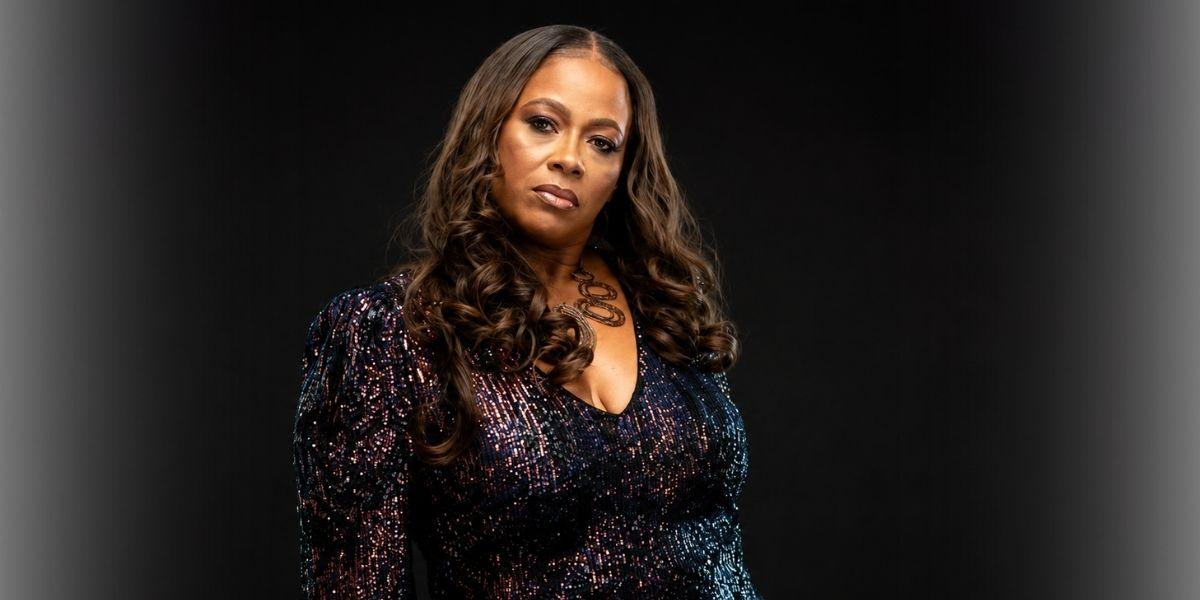
Tiffany Rachal Keeps Southern Soul Grounded in Real Emotion With Her New Single “Mr. Do Right”

For Tiffany Rachal, Southern Soul has never been about chasing a moment. It has always been about connection. The kind of connection that comes from lived experience, strong vocals, and songs that say something people actually understand. That approach is exactly what continues to set the Houston-based singer apart, and it is at the heart of her latest single, “Mr. Do Right.”

Built around themes of self-respect, patience, and emotional clarity, “Mr. Do Right” feels like the kind of record that speaks directly to listeners who have reached a point in life where they are no longer interested in games, confusion, or temporary attention. It is soulful, smooth, and emotionally grounded, but it also carries a quiet confidence that makes the message land even harder. In a genre that thrives on honesty, Tiffany Rachal once again proves she knows how to deliver a song that feels personal without losing its universal appeal.

“Mr. Do Right” Is a Song About Waiting for the Right Kind of Love

Some songs are written to stir up drama. “Mr. Do Right” takes the opposite route. The record is about recognizing your own value and understanding that love should not require compromise at the expense of your peace. Tiffany Rachal leans into the perspective of someone who has learned the difference between attention and intention, and that distinction shapes the entire record.

The message is simple, but it is effective. Instead of settling for inconsistency, emotional confusion, or empty promises, “Mr. Do Right” centers on the idea that genuine love should come with respect, consistency, and effort. That is part of what makes the song feel so relatable. It does not sound like fantasy. It sounds like wisdom.

There is also a certain calm power in the way Tiffany delivers it. She is not pleading, chasing, or explaining herself. She sounds certain. That confidence gives the record a grown, self-assured energy that fits naturally within Southern Soul while also speaking to a broader audience of listeners who appreciate music with emotional substance.

A Voice Built for Southern Soul, R&B, and Gospel

Tiffany Rachal’s ability to deliver songs like “Mr. Do Right” comes from the fact that her voice was built across multiple traditions. Her music draws from Southern Soul, R&B, Blues, and Gospel, and each influence adds something important to her sound.

There is the emotional grounding of Gospel, the melodic smoothness of R&B, the honesty of Blues, and the storytelling tradition that Southern Soul has always done so well. Tiffany does not treat those influences like separate lanes. She blends them into one style that feels natural to her. The result is music that can be warm and intimate one moment, then commanding and emotionally direct the next.

On “Mr. Do Right,” that versatility works in her favor. The production is laid-back enough to let the groove breathe, but polished enough to keep the record feeling current. Tiffany’s vocals sit right where they need to, carrying the emotion without forcing it. She sounds like someone who understands that sometimes the strongest delivery is not the loudest one, but the most believable one.

Tiffany Rachal’s Musical Story Started in Beaumont, Texas

Long before she became a Southern Soul recording artist, Tiffany Rachal was a young girl singing in church. Her musical journey began at the age of seven, when she started performing in her father’s church choir in Beaumont, Texas. That church background gave her more than a place to sing. It gave her the emotional and spiritual foundation that still runs through her music today.

You can hear that background in the conviction of her voice. Gospel taught Tiffany how to sing with purpose, and that lesson stayed with her even as her career expanded into Southern Soul, R&B, and stage performance. She also drew inspiration from iconic artists such as Aretha Franklin, Whitney Houston, and Betty Wright, all of whom helped shape her understanding of what a powerful female vocalist could sound like.

Those influences are visible in the way Tiffany approaches a song. She does not just sing lyrics. She inhabits them.

Her Career Has Reached Far Beyond the Music Stage

While Tiffany Rachal is best known for her work in music, her career has never been limited to one format. She has also built a notable presence in theater and film, which adds another layer to her identity as a performer.

Her theater work includes productions such as I Need a Man, Will a Real Man Please Stand Up, and Black Nativity. She later expanded into writing, directing, and producing her own stage plays, including Worthy Is the Lamb and Miracles at the Jones House. That kind of creative range says a lot about how she sees performance. For Tiffany, storytelling does not begin and end with a song. It can take shape through theater, live performance, or film just as easily.

In 2024, she added to that portfolio with appearances in the films Southern Soul and PRESHE, both written and produced by Phillip Martin. Those projects reinforced the idea that Tiffany Rachal is not simply a singer releasing records. She is a full creative performer with the ability to move between different mediums while keeping her identity intact.
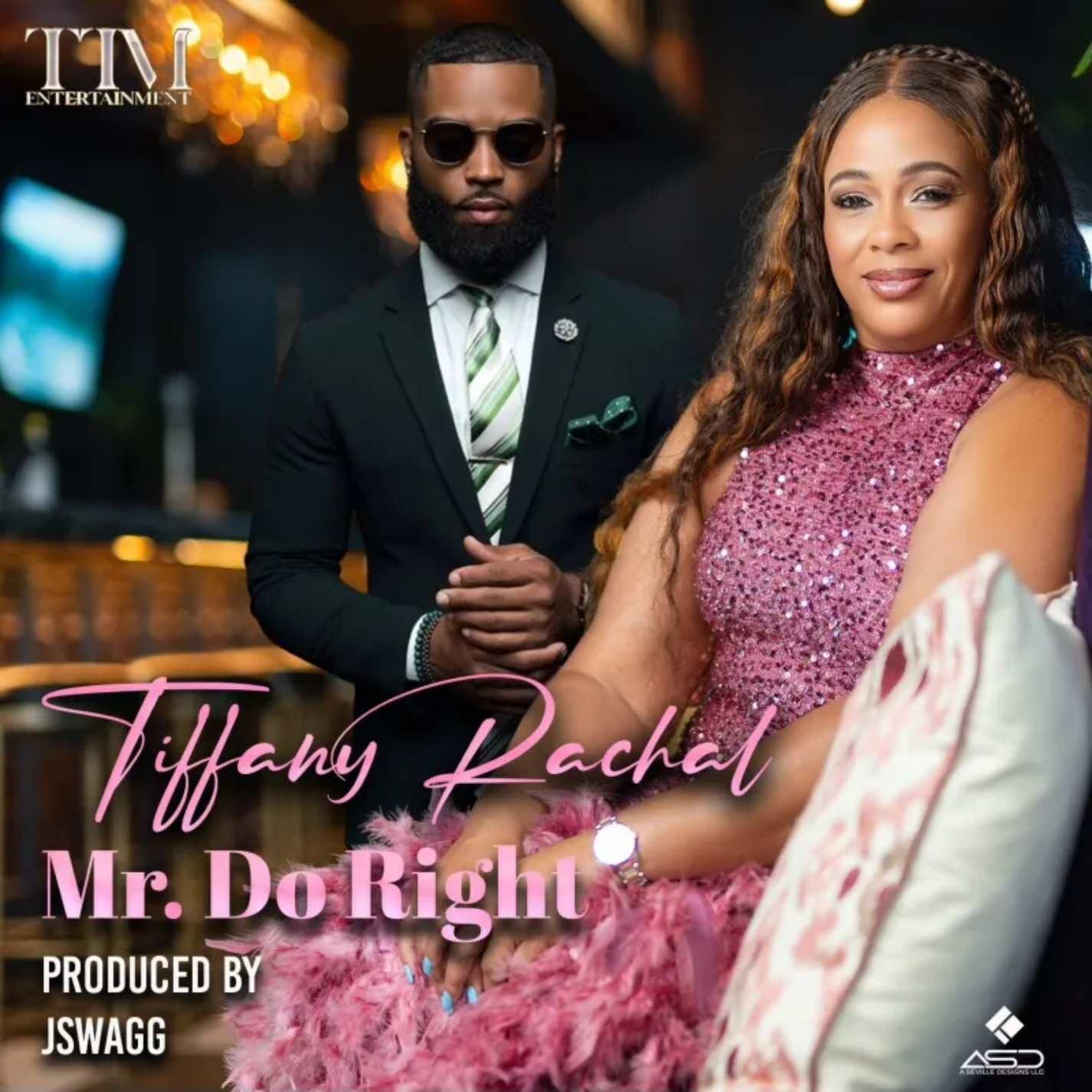
Photo Courtesy: TTM Entertainment LLC / Jswagg Onthebeat

Tiffany Rachal Has Been Building Her Southern Soul Catalog Step by Step

“Mr. Do Right” arrives at a point in Tiffany Rachal’s career where her audience already understands what she brings to the genre. She first made an impact with her 2017 Gospel single “Here I Am,” which introduced listeners to her vocal range and emotional delivery. That release marked an early step in what would become a larger career run.

As she leaned further into Southern Soul, records like the Southern Affairs Album and singles such as “Go On and Leave” and “1-800 Good Luvin’” helped her reach more listeners and strengthen her position within the genre. Those songs contributed to a catalog that feels cohesive without becoming repetitive. Tiffany knows how to stay rooted in Southern Soul while still allowing each release to bring something slightly different.

She has also continued to build her name on stage, sharing bills with artists such as Jeter Jones, Tucka, Sir Charles Jones, Pokey Bear, and Nellie Tiger Travis. In Southern Soul, live performance still matters deeply, and Tiffany’s continued presence on those stages says a lot about how she is viewed by both audiences and peers.

Why “Mr. Do Right” Feels Like the Right Record at the Right Time

There is a reason “Mr. Do Right” feels especially timely in Tiffany Rachal’s catalog. It captures a message that resonates strongly right now, particularly for listeners who are drawn to music that feels honest, mature, and emotionally clear. In an era where so much relationship music swings between extremes, Tiffany offers something steadier. She offers a song about standards.

That may sound simple, but it is exactly what gives the record its staying power. “Mr. Do Right” is not trying to shock anyone. It is trying to affirm something many people already know in their hearts but may need to hear out loud: waiting for the right love is better than settling for the wrong one.

That kind of perspective has always fit Southern Soul well because the genre has room for grown conversations. It understands heartbreak, but it also understands healing. It understands loneliness, but it also understands dignity. Tiffany Rachal taps into all of that without making the song feel heavy. She keeps it soulful, melodic, and easy to sit with.

Tiffany Rachal Continues to Carve Out Her Own Lane

As her music reaches more listeners and her live schedule continues to grow, Tiffany Rachal remains one of those artists whose strength comes from consistency. She is not trying to be someone else. She is not reshaping herself around trends. She is leaning deeper into what has always made her effective: a real voice, real emotion, and songs that reflect real life.

That is what makes “Mr. Do Right” feel like more than just another single. It feels like another reminder of why Tiffany Rachal continues to connect with Southern Soul audiences in the first place. She understands the genre, she respects the audience, and she knows how to turn experience into music that sounds both personal and familiar.

For listeners who want Southern Soul with heart, confidence, and substance, Tiffany Rachal is still delivering exactly that.

Stream “Mr. Do Right” on Spotify.

For music, tour dates, videos, merch, and bookings, visit Tiffany Rachal’s official website.

World Cup Atlanta Jobs and Hospitality Workforce Impact

When a city hosts high-profile international matches, the local hospitality sector typically expands to meet demand from visiting fans, officials, and media crews. World Cup Atlanta jobs have drawn attention as hoteliers, restaurants, and event-service firms staff up for weeks of intensified activity. These positions range from multilingual guest-services roles to housekeeping, food-service, and security work that supports thousands of additional visitors concentrated in a short window.

Why Major Sporting Events Drive Short-Term Hiring

Sporting tournaments compress months of tourism into a few weeks. Hotels that normally run at seventy or eighty percent occupancy fill every room. Restaurants near the venue see reservations double or triple on match days. Convention centers and pop-up fan zones need staff for setup, daily operations, and teardown.

World Cup Atlanta jobs reflect that compression. A property that employs fifty housekeepers may add twenty more for the tournament period. A restaurant group might bring on extra line cooks and servers to handle match-day crowds. Transportation companies hire shuttle drivers, and security contractors recruit event staff to manage queues and credentials at Mercedes-Benz Stadium and surrounding perimeters.

World Cup Atlanta jobs: restaurant kitchen staff cooking
Photo by Pylyp Sukhenko on Unsplash

The work is temporary by design. Most contracts run four to eight weeks, bookending the match schedule with preparation and breakdown. Employers look for candidates who can start quickly, adapt to irregular hours, and work intensively before returning to other commitments or unemployment once the event concludes.

Which Roles See the Biggest Demand

Front-of-house positions dominate hiring lists. Hotels need front-desk agents, concierges, and guest-relations staff who can answer questions about match schedules, transit connections, and neighborhood dining. Properties near MARTA stations and downtown corridors prioritize multilingual candidates, particularly those fluent in Spanish, Portuguese, French, or German.

World Cup Atlanta jobs: hotel front desk staff working
Photo by Neon Wang on Unsplash

Back-of-house roles expand in parallel. Housekeeping departments add shifts to handle daily turnover in fully booked hotels. Laundry services run extra loads. Maintenance teams stand by for emergency repairs. These positions typically offer hourly wages, flexible part-time schedules, and minimal prior experience requirements, making them accessible to workers reentering the labor market or seeking supplemental income.

Food service also scales up. Catering companies that supply stadium concessions hire prep cooks, line servers, and dishwashers. Restaurants in the Castleberry Hill, Fairlie-Poplar, and Vine City neighborhoods recruit additional waitstaff and bartenders to serve match-day diners. Some establishments extend operating hours or add breakfast and late-night service, creating shifts that did not previously exist.

Transportation and logistics round out the roster. Rideshare drivers see trip volume spike on match days. Charter-bus operators hire additional drivers for group transfers between hotels and the stadium. Parking-lot attendants, traffic marshals, and bicycle-valet staff manage the movement of tens of thousands of fans in a concentrated geography.

How Wages and Conditions Shift During Peak Demand

Tight labor markets and compressed timelines often push wages higher than baseline rates. Employers competing for the same pool of available workers may raise starting pay, offer shift differentials for overnight or weekend work, or bundle signing bonuses to fill rosters quickly.

World Cup Atlanta jobs have followed that pattern in past major events. Housekeeping roles that might ordinarily start near the local minimum wage can command several dollars more per hour when hotels scramble to staff up. Security contractors offer premium pay for overnight shifts. Restaurants sweeten deals with guaranteed tip pools or daily meal allowances.

Conditions vary by employer and role. Some hotels provide uniforms, training, and meal breaks; others expect workers to supply their own black pants and non-slip shoes and to clock out for unpaid breaks. Event-staffing agencies may assign workers to different venues each day, requiring flexibility and reliable transportation. Unionized properties tend to offer clearer terms and grievance procedures, while independent contractors and gig platforms place more responsibility on the worker to negotiate rates and resolve disputes.

Overtime and Schedule Volatility

Match schedules dictate work calendars. A hotel might need all hands on deck the day before a semifinal, then see occupancy drop sharply midweek. Housekeepers and front-desk agents may work ten-hour days for a stretch, then find themselves with no shifts for three days. Food-service workers face similar volatility, with long doubles on match days and skeleton crews on off days.

Overtime rules apply, but enforcement depends on worker classification. W-2 employees covered by the Fair Labor Standards Act earn time-and-a-half after forty hours in a week. Independent contractors and gig workers typically receive flat per-shift rates with no overtime premium. Understanding classification before accepting a position helps workers anticipate take-home pay and avoid surprises when the first paycheck arrives.

Skills and Certifications That Open Doors

Employers prioritize candidates who can start immediately and require minimal onboarding. Prior hospitality experience helps, but many entry-level roles provide on-the-job training. A few certifications and skills stand out on applications.

Language proficiency ranks high. World Cup Atlanta jobs serving international visitors reward fluency in Spanish, Portuguese, French, or German. Even basic conversational ability can move a resume to the top of the pile when a hotel needs front-desk coverage or a restaurant wants servers who can explain menu items to non-English speakers.

Food-safety credentials matter in kitchen and catering roles. ServSafe certification, recognized across the industry, demonstrates knowledge of hygiene, temperature control, and allergen management. Georgia requires food-service workers in certain capacities to hold a valid food-handler card, which local health departments issue after a short course and exam.

Customer-service aptitude shows up in interviews and reference checks. Employers value candidates who can stay calm under pressure, solve problems without escalating to management, and maintain a professional demeanor during long shifts. Hospitality work during a major event means handling frustrated guests, language barriers, and logistical hiccups with patience and poise.

Where to Find Openings and How to Apply

Job boards and staffing agencies serve as primary channels. General platforms like Indeed and LinkedIn list hospitality openings, and niche sites such as Hcareers focus exclusively on hotel and restaurant roles. Searching for World Cup Atlanta jobs or filtering by hospitality, event services, and temporary work surfaces relevant postings.

Staffing agencies specialize in event labor. Firms that place workers at conventions, concerts, and sporting events maintain rosters of pre-screened candidates and dispatch them to clients as needed. Registering with an agency involves submitting a resume, completing a background check, and attending an orientation. Once cleared, workers receive shift offers by text or email and confirm availability in real time.

Direct employer outreach works, too. Hotels near MARTA stations and downtown corridors post hiring signs in lobbies and on social-media pages. Restaurants in high-traffic neighborhoods advertise openings on storefront windows and community bulletin boards. Walking in with a resume during a slow afternoon can lead to an on-the-spot interview, especially when managers face tight deadlines.

Application timelines compress as the event approaches. Employers begin recruiting several months in advance but continue hiring up to the week before matches start. Candidates who apply early have more choice of shifts and roles. Those who wait until the last minute may find only overnight or split-shift positions remaining.

What Happens After the Event Ends

Most World Cup Atlanta jobs conclude when the final match wraps and the last visiting fans check out. Hotels scale back to regular staffing levels. Restaurants return to standard menus and operating hours. Event contractors demobilize crews and release temporary hires.

Some workers transition into permanent roles. A hotel that hired twenty temporary housekeepers may keep five who demonstrated reliability and skill. A restaurant that added servers for the tournament might retain one or two to cover a busier summer season. Performance during the event serves as an extended audition, and employers often prioritize temporary staff when permanent openings arise.

Others return to prior jobs or unemployment. Gig workers move on to the next concert, convention, or festival. Students who took summer positions head back to school. Retirees who picked up shifts for extra income return to leisure. The churn is inherent to event-driven hiring, and workers who understand the temporary nature avoid disappointment when contracts end.

Experience gained during the tournament adds value to future applications. A resume listing housekeeping at a major hotel during an international sporting event signals the ability to work under pressure, adapt to high standards, and handle diverse guest populations. That credential opens doors at other hospitality employers, staffing agencies, and event-management firms long after the World Cup moves to another city.

Major sporting events reshape local labor markets for brief, intense periods. The hospitality sector absorbs the bulk of that activity, offering thousands of temporary positions that provide income, experience, and a front-row view of a global spectacle. Workers who navigate the application process, understand the terms, and deliver consistent performance find opportunity in the surge, even as the jobs themselves vanish once the final whistle blows.