Combining Chiropractic Care and Medical Weight Loss for Better Long-Term Health

By: Matthew Kayser

Back pain and extra weight often show up together, and each one can make the other harder to deal with. When your lower back aches, a walk around the block feels like a chore. When you skip the walk, weight is harder to manage, and the added load on your spine and knees can keep the pain going. Many people get stuck in that loop for years.

One approach some people try is to work on both problems at the same time, with care that looks at movement and weight together.

How Weight and Joint Pain Feed Each Other

Your spine, hips and knees carry your body weight all day. Extra pounds add to that load, especially during everyday movements like climbing stairs or getting up from a chair. Over time, some people notice more stiffness or soreness, and that discomfort can make them less active.

Less activity tends to mean weaker supporting muscles, which can leave joints with less protection. It can also make weight management harder. None of this is anyone’s fault. It is simply a cycle that is easier to break when you address more than one piece of it.

Desk jobs and long commutes around Atlanta add another layer. Hours of sitting can tighten the hips and strain the lower back, and by the end of the day many people have little energy left for exercise. Small changes, like standing up every half hour or taking a short walk at lunch, can make a difference in how the body feels, even before any formal treatment starts.

What Chiropractic Care Brings to the Plan

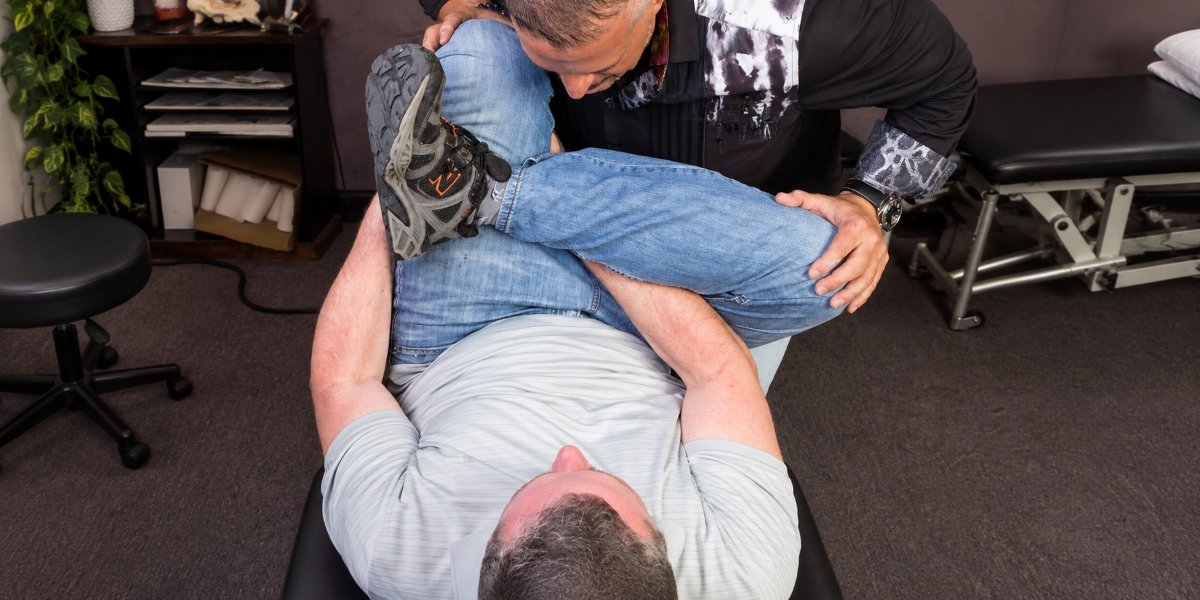
Chiropractors focus on the musculoskeletal system, especially the spine. A first visit usually starts with questions about your history and an exam of how you move. Treatment may include spinal adjustments, soft tissue work, stretching advice and exercises meant to improve mobility.

For someone starting a weight loss program, the goal of chiropractic care is often practical: to make moving more comfortable so that walking, light strength work or other activity feels possible again. Responses vary from person to person, and chiropractic care is not a fix for every kind of pain. If you have a serious medical condition, a recent injury or symptoms such as numbness or weakness, talk with your doctor first.

Some clinics pair this kind of care with weight management. In metro Atlanta, the team at Innovative Health and Wellness offers chiropractic care alongside medically supervised weight loss programs at its offices in Atlanta and Woodstock. Having both services in one place is not the only way to do this, but it shows how the two can fit into a single plan.

What Medical Weight Loss Involves

Medically supervised weight loss is different from following a diet you found online. It usually starts with a health history, a review of current medications and sometimes lab work. From there, a clinician helps set realistic goals and builds a plan that may include nutrition guidance, activity suggestions and regular check-ins.

Some programs also include prescription medications. These may include GLP-1 medications such as semaglutide or tirzepatide, as well as older options like phentermine. These medicines are not right for everyone, can have side effects and should only be used under medical supervision. Whether one makes sense for you is a decision to make with your own clinician, based on your health history.

Why the Combination Can Work Well

When the two approaches run side by side, each can support the other. Less pain can make it easier to stay active, and staying active supports a weight management plan. As weight changes, some people find that movement feels easier, which can make it simpler to keep up the exercises a chiropractor recommends.

There is also value in regular contact. Check-ins for weight management and visits for back or joint care give people more chances to talk about what is working, what is not and what needs to change. Small adjustments made early are usually easier than starting over months later.

For reliable background reading, the National Institute of Diabetes and Digestive and Kidney Diseases, part of the U.S. National Institutes of Health, publishes plain-language information on weight management, nutrition and physical activity. It is a useful place to read up before or between appointments.

Habits That Help Results Last

Long-term health comes down to daily habits more than any single treatment. Walking most days, even in short stretches, keeps joints moving and adds steady activity to your week. Simple strength exercises for the legs, hips and core give the spine more support. Enough sleep and water help with energy and appetite. Meals built around protein, vegetables and whole foods make it easier to feel full without strict counting.

Progress is rarely a straight line. Weeks with little change on the scale are normal, and so are flare-ups of back pain. What matters is staying with the plan and letting your care team adjust it as you go, rather than giving up after a slow month.

Questions to Ask Before You Start

If you are thinking about combining these types of care, bring questions to your first appointments. How will my progress be measured, beyond the number on the scale? Which exercises are safe for my back right now? How often will I be seen? If medication is part of the plan, which side effects should I watch for, and what happens when I stop taking it? It is also reasonable to ask how the chiropractic and weight loss sides of your care will share notes, so everyone is working toward the same goals. Clear answers help you decide whether a program fits your needs and your schedule.

Above all, keep your own doctor in the loop, especially if you manage a chronic condition or take other medications. Weight and back pain are both worth working on, and doing it with good information and the right support gives the effort a better chance of paying off over the long run.

Disclaimer: This content is for informational purposes only and is not intended as medical advice, nor does it replace professional medical expertise or treatment. If you have any concerns or questions about your health, always consult with a physician or other healthcare professional.
Keith Leitner Wrote a Children’s Book About a Gnome from Nome That Teaches Young Readers Homophones

By: Samantha Borcy

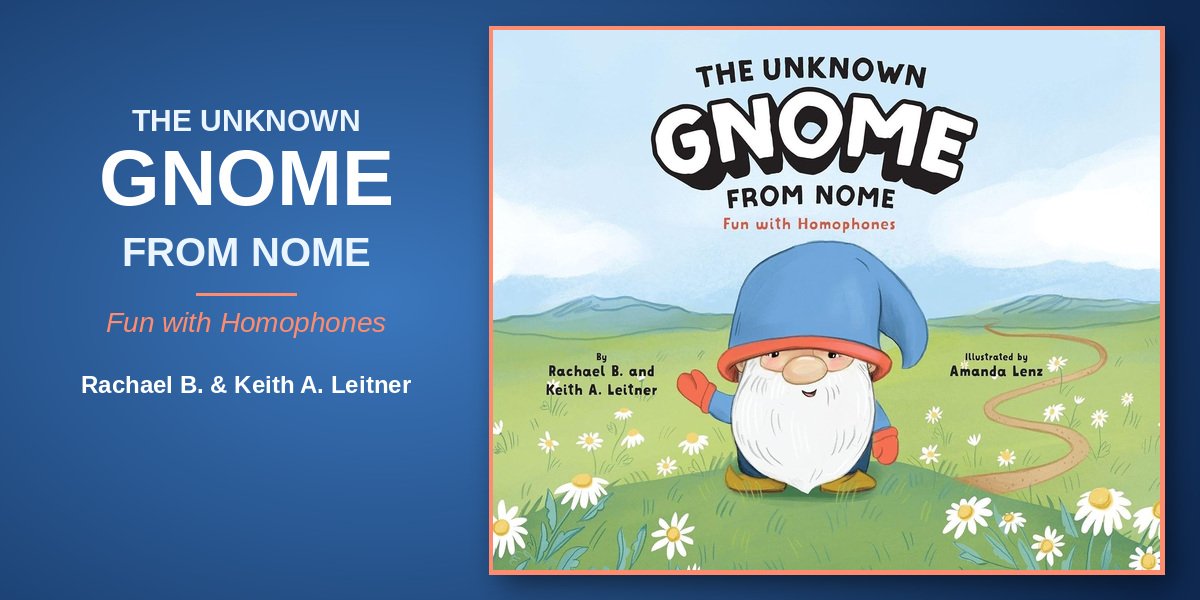
There is a particular kind of children’s book that works on two levels simultaneously. On the surface it is simply a fun story with rhymes and wordplay and characters that make kids laugh. Underneath it is doing something genuinely educational that children absorb without realizing they are being taught. Keith Leitner’s The Unknown Gnome from Nome: Fun with Homophones belongs to that second category, and the fact that it feels entirely like the first is exactly what makes it so effective.

The book follows a gnome from Nome, Alaska, a character whose very existence is built around one of the most delightful features of the English language: words that sound identical but mean entirely different things. A gnome and Nome sound the same. That is the joke and the lesson simultaneously, arriving in the same moment, and children don’t need to understand what a homophone is to feel the pleasure of that wordplay landing correctly.

Why Homophones Matter More Than Most People Realize

Keith chose homophones as his subject with a specific educational purpose in mind that goes well beyond vocabulary building. Homophones are one of the most common sources of confusion for early readers and writers, and the confusion tends to persist longer than teachers and parents expect. There, their, and they’re. To, two, and too. Bear and bare. Whether and weather. These are not obscure traps. They are words that appear constantly in everyday writing, and getting them wrong is one of the most reliable signals that a young writer is still learning the language rather than owning it.

What a traditional spelling or grammar lesson about homophones can accomplish is limited by the fact that it asks children to memorize distinctions in the abstract. A story does something different. When a child encounters a homophone inside a narrative they are enjoying, the context does the work of building the distinction. The meaning is not memorized separately from the word. It arrives together with the pleasure of the story, embedded in a moment that is both funny and memorable.

The Nome Connection

Nome, Alaska is a real place, and it is genuinely unusual in ways that give the book an additional layer of richness for curious young readers. The gnome’s origin in Nome is not just a wordplay setup. It is an invitation to wonder about a place that most children have never encountered, a small city on the Bering Sea coast that has its own extraordinary history and character. That geographic specificity, the fact that Nome is a real and remarkable place rather than a generic fantasy location, gives the book a grounding that pure wordplay books often lack.

The gnome himself is a character designed to carry the book’s educational purpose through genuine personality rather than through the kind of obvious pedagogical presence that children recognize and resist. He is funny and slightly mysterious, qualities that make children want to spend time with him, and the homophones emerge naturally from his adventures rather than feeling inserted for lesson purposes.

What the Book Does for Reluctant Readers

Keith’s background and his reasons for writing the book reflect a genuine understanding of what makes early literacy engaging rather than burdensome. Children who struggle with reading often do so not because they lack ability but because they haven’t yet found the entry point that makes language feel like play rather than work. Wordplay, puns, rhymes, and the particular pleasure of a homophone landing correctly are entry points that work for a specific kind of child, the one who is already drawn to language but hasn’t yet been given a book that meets them there.

For that child, The Unknown Gnome from Nome is exactly the right book at exactly the right time.

For young readers who love wordplay and the parents and teachers who want to feed that love, The Unknown Gnome from Nome by Keith Leitner is available now on Amazon and at www.leitnerpublishing.com.

How Courtney Stough’s Prana Rising Frames Life Force

By: Francis Belmont

You probably know exactly when your prana started leaking. It was not one event. It was the accumulation of small agreements you made with exhaustion, the mornings you woke up already behind, the conversations where you said yes when your body said something completely different. The moment you started running on the backup generator so long you forgot what the real one felt like.

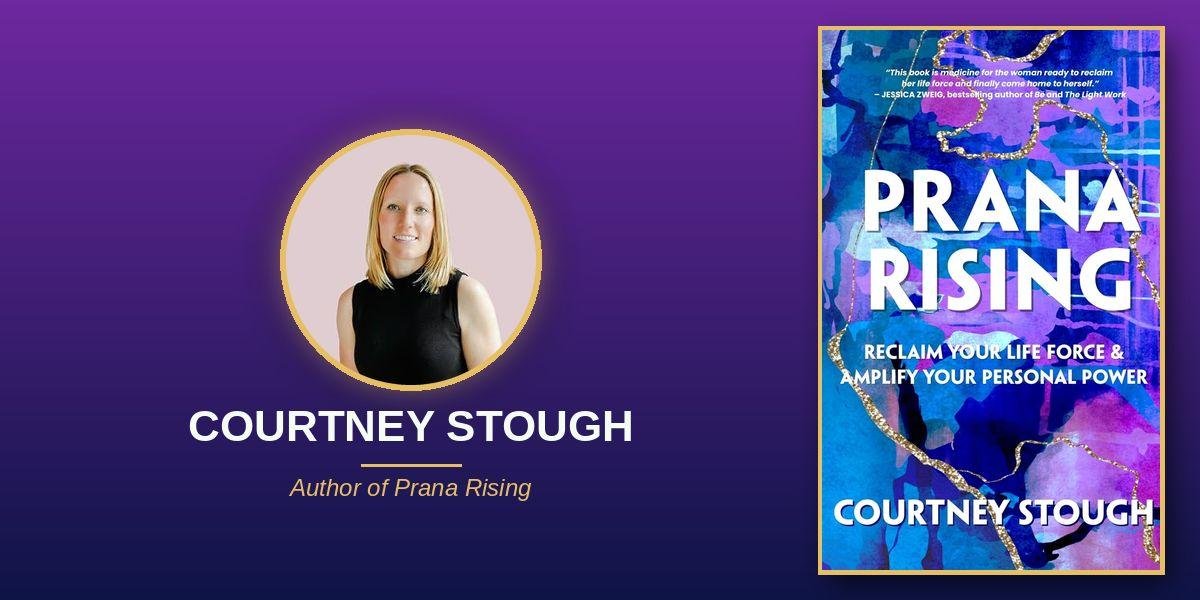
Courtney Stough knows. She was a Yale-educated attorney grinding through the prestige circuit of Big Law, chronically depleted, physically compromised, and quietly losing herself inside the life she had worked so hard to build. She did not have a dramatic breakdown. She had something slower and, in some ways, harder. It was the gradual recognition that she was burning through her own life force to keep a version of herself alive that was no longer true. Prana Rising: Reclaim Your Life Force & Amplify Your Personal Power is the book she wrote from the other side of that recognition.

What makes this book different from most of what you have already read in this space is Stough’s refusal to clean it up. The marriage she almost lost. The pregnancy loss she grieved. The years she spent chasing healers, pills, and gadgets for a pain no treatment could touch. She keeps all of it in. Not because she is performing rawness but because she understands something most wellness writers miss. You cannot trust a guide who shows you their highlights. The reason her account of reclaiming energy carries weight is that she has watched herself waste it, in nearly every way a person can.

Her framework is built around prana, the Sanskrit concept for vital life force, the spark that animates your body, sharpens your thinking, and lets you show up with actual presence rather than just presence. The book opens with a self-assessment that asks you to rate yourself across physical energy, mental clarity, emotional well-being, and connection to your higher self. It is not a quiz you game. It is the kind of honest inventory that tells you something you already know but have been avoiding putting into words.

From there, Stough takes you into the territory most people sidestep. Her Energy Vampire chapter is going to sting a little if you are in a season of over-functioning, and it is going to sting in the right way. She catalogs the obvious culprits but then goes after the sneaky ones: the wellness routines that became compulsions, the spiritual practices you picked up to process your emotions without actually feeling them, the endless self-help consumption that keeps you reading about transformation while doing just enough to feel like you are working on yourself. Reading that chapter feels like being seen by someone who is not trying to shame you. She has done all of it too.

Then she moves you from head to heart. Stough lived from her mind for most of her life, making the right choices on paper while her heart kept trying to steer her elsewhere, and she reaches for an unexpected teacher to explain the cost: Moana. When the island goddess Te Fiti loses her heart, she forgets who she is and becomes Te Kā, a raging lava monster. When her heart is returned, she remembers. Stough’s point is that the same thing happens to us, and she offers her practice of heart-mind resonance as a way to begin remembering.

The emotional heart of the book lives in the marriage chapters. Stough traces, with the kind of precision that comes from real reckoning rather than retrospective tidying, how she played her part in the patterns that brought her partnership to the edge of collapse. The Good Girl who bit her tongue. The Cool Girl who kept everything smooth. She describes unspoken resentments stacking up like kindling, twigs, then logs, until one trivial spark set everything ablaze. What she discovered in the rupture, and what the slow work of repair taught her, is that the feelings she spent years managing were not the problem. Avoiding them was. That insight, simple in statement and genuinely difficult in practice, drives everything in Part II of the book.

Part III is where Stough gives you the tools she actually uses. The Powerhold™ framework, her term for the inner architecture that sustains personal power, is built from Four Energy Generators: Embodiment, Mindfulness, Creativity, and Community. None of these are ideas you have never heard. What Stough does that others often do not is strip them of perfectionism. She is the working mother writing a book while pregnant, walking her son to school on good days, adapting her practice because adaptation is not failure. Her concept of “Right for Right Now” is the kind of permission slip people who struggle with all-or-nothing thinking need to actually begin.

The boundaries chapter is the one to underline. Not because it tells you to say no more often but because it reframes the entire question of boundaries as a matter of energy stewardship. Every choice carries a cost and a return. Holding a line is not an act of withdrawal. It is how you stay in relationships without disappearing inside them. Stough brings in the yogic principle of ahimsa, non-harm toward yourself as well as others, and uses it to navigate the difference between honesty and cruelty, between protecting your energy and punishing someone else for taking it.

She closes the book carrying her rainbow baby. Still testing the lessons. Still falling and recovering. Still on the journey she wrote the book about. That humility is its own kind of teaching.

Prana Rising is available on Amazon and through Courtney Stough’s official book page.

Emory Physician Urges Atlanta Drivers to Slow Down as Halloween Lands on Daylight Saving Time’s Final Night

Atlanta families will trick-or-treat on Saturday, October 31, the last evening of daylight saving time, and Emory pediatric emergency physician Dr. Maneesha Agarwal is asking drivers to slow down, put their phones away and watch neighborhood streets closely as the sun sets at 6:46 p.m. and weekend traffic builds across the metro.

Key Takeaways

  • Sunset in Atlanta on Halloween is at 6:46 p.m. EDT, and civil twilight ends around 7:12 p.m., placing peak trick-or-treating in fading light.
  • Daylight saving time ends at 2 a.m. Sunday, November 1, 2026, when clocks fall back one hour.
  • A JAMA Pediatrics study of U.S. crash data from 1975 to 2016 found the risk of a pedestrian death was 43 percent higher on Halloween evening than on comparable nights.
  • Children ages 4 to 8 faced a tenfold higher risk of pedestrian death on Halloween in the same study.
  • The Georgia Department of Transportation has warned of heavy traffic across metro Atlanta over the Halloween weekend.

A Saturday Halloween Changes the Timing on Atlanta Streets

When Halloween falls on a school night, trick-or-treating tends to be brief and concentrated after dinner. A Saturday Halloween stretches the evening. Children can head out earlier, stay out longer and travel farther from home, while adults fill the same roads on the way to parties, restaurants and concerts.

The light works against them. With sunset at 6:46 p.m. and civil twilight ending around 7:12 p.m., the busiest stretch of trick-or-treating overlaps with the hour when drivers’ eyes adjust to darkness and costumed children become harder to see. This year adds one more quirk: Halloween is the final evening of daylight saving time, which ends at 2 a.m. Sunday, November 1. Starting the following evening, sunset arrives an hour earlier on the clock, and the commute home moves into darkness.

Dr. Maneesha Agarwal Puts Drivers at the Center of Halloween Safety

Dr. Maneesha Agarwal is a pediatric emergency medicine physician at Children’s Healthcare of Atlanta and a faculty member at Emory University School of Medicine. Her research focuses on injury prevention. She co-founded the Children’s Healthcare of Atlanta Injury Prevention Program and serves as a pediatric injury prevention expert for Emory’s Injury Prevention Research Center, which gives her guidance a basis in both research and emergency room experience.

Speaking on Fox 5 Atlanta on October 29 and in interviews ahead of the holiday, Dr. Agarwal described Halloween as one of the higher-risk nights of the year for children, with pedestrian injuries as her central concern.

Advice for Drivers on Halloween Night

Dr. Agarwal’s guidance for drivers is specific. She urges them to slow down on neighborhood streets, stay alert and keep their phones out of reach. She also recommends stopping a little longer at lights and stop signs and taking extra time to scan the surroundings before moving, since children in costume can step out from between parked cars without warning. Drivers heading to or from Halloween events should arrange a sober ride.

Advice for Families Heading Out

For families, visibility comes first. Dr. Agarwal recommends bright costumes, reflective material, and flashlights or glow sticks, especially once the sun goes down. She also reminds children to avoid distractions while walking. At home, parents should inspect candy before children eat it, watch for choking hazards among young children, and set aside any products that look like candy but are not.

Research Shows Why Pedestrian Safety Leads the Concern

Dr. Agarwal’s emphasis on drivers matches published research. A study by University of British Columbia researchers, published in JAMA Pediatrics, examined U.S. fatal crash data from 1975 to 2016. It compared pedestrian deaths between 5 p.m. and midnight on Halloween with the same hours one week before and one week after.

The researchers found the risk of a pedestrian death was 43 percent higher on Halloween, an average of about four additional deaths each year. For children ages 4 to 8, the risk was tenfold. The authors also noted that the absolute risk remained low and declined over the four decades studied, and they called for traffic calming and slower speeds in residential neighborhoods year-round, not only on Halloween.

Weekend Events Add Traffic Across Metro Atlanta

The Georgia Department of Transportation has warned of heavy traffic across metro Atlanta over the Halloween weekend. Large events add to the load. A Steve Lacy concert at Chastain Park on Halloween night drew concerns from nearby residents earlier this month, with Atlanta and Sandy Springs police involved in planning. Parties across Midtown and along the Beltline will also pull drivers onto the same roads that trick-or-treaters cross.

For drivers, the practical takeaway is to leave earlier, expect delays, and treat every residential street as a possible crossing point between dusk and late evening. For families, it means choosing routes with sidewalks and well-lit crossings, and keeping young children within reach.


FAQs

When does daylight saving time end in 2026?

Daylight saving time ends at 2 a.m. Sunday, November 1, 2026, when clocks fall back one hour. That makes Halloween the last evening on daylight time.

What time does it get dark in Atlanta on Halloween 2026?

Sunset in Atlanta on October 31, 2026, is at 6:46 p.m. EDT, and civil twilight ends around 7:12 p.m.

Why is Halloween riskier for pedestrians?

A JAMA Pediatrics study found the risk of a pedestrian death was 43 percent higher on Halloween evening than on comparable nights. Children ages 4 to 8 faced a tenfold higher risk.

What should drivers do differently on Halloween night?

Dr. Maneesha Agarwal advises drivers to slow down, avoid phone use, wait a little longer at stops and scan carefully for children before moving, especially on neighborhood streets after sunset.