
By: Matthew Kayser
Back pain and extra weight often show up together, and each one can make the other harder to deal with. When your lower back aches, a walk around the block feels like a chore. When you skip the walk, weight is harder to manage, and the added load on your spine and knees can keep the pain going. Many people get stuck in that loop for years.
One approach some people try is to work on both problems at the same time, with care that looks at movement and weight together.
How Weight and Joint Pain Feed Each Other
Your spine, hips and knees carry your body weight all day. Extra pounds add to that load, especially during everyday movements like climbing stairs or getting up from a chair. Over time, some people notice more stiffness or soreness, and that discomfort can make them less active.
Less activity tends to mean weaker supporting muscles, which can leave joints with less protection. It can also make weight management harder. None of this is anyone’s fault. It is simply a cycle that is easier to break when you address more than one piece of it.
Desk jobs and long commutes around Atlanta add another layer. Hours of sitting can tighten the hips and strain the lower back, and by the end of the day many people have little energy left for exercise. Small changes, like standing up every half hour or taking a short walk at lunch, can make a difference in how the body feels, even before any formal treatment starts.
What Chiropractic Care Brings to the Plan
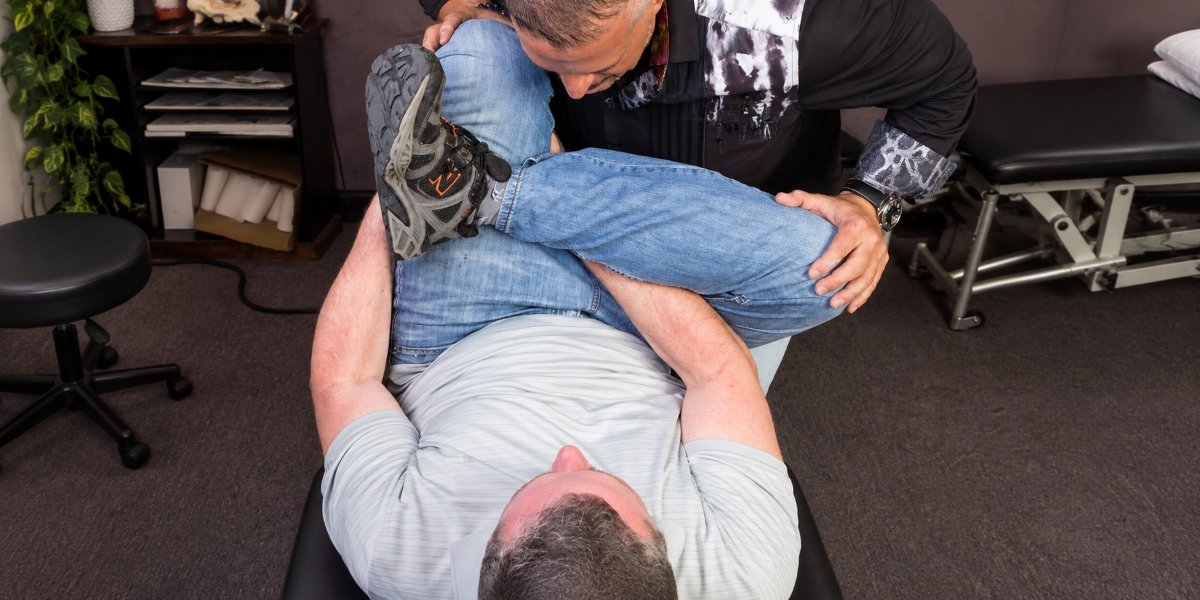
Chiropractors focus on the musculoskeletal system, especially the spine. A first visit usually starts with questions about your history and an exam of how you move. Treatment may include spinal adjustments, soft tissue work, stretching advice and exercises meant to improve mobility.
For someone starting a weight loss program, the goal of chiropractic care is often practical: to make moving more comfortable so that walking, light strength work or other activity feels possible again. Responses vary from person to person, and chiropractic care is not a fix for every kind of pain. If you have a serious medical condition, a recent injury or symptoms such as numbness or weakness, talk with your doctor first.
Some clinics pair this kind of care with weight management. In metro Atlanta, the team at Innovative Health and Wellness offers chiropractic care alongside medically supervised weight loss programs at its offices in Atlanta and Woodstock. Having both services in one place is not the only way to do this, but it shows how the two can fit into a single plan.
What Medical Weight Loss Involves
Medically supervised weight loss is different from following a diet you found online. It usually starts with a health history, a review of current medications and sometimes lab work. From there, a clinician helps set realistic goals and builds a plan that may include nutrition guidance, activity suggestions and regular check-ins.
Some programs also include prescription medications. These may include GLP-1 medications such as semaglutide or tirzepatide, as well as older options like phentermine. These medicines are not right for everyone, can have side effects and should only be used under medical supervision. Whether one makes sense for you is a decision to make with your own clinician, based on your health history.
Why the Combination Can Work Well
When the two approaches run side by side, each can support the other. Less pain can make it easier to stay active, and staying active supports a weight management plan. As weight changes, some people find that movement feels easier, which can make it simpler to keep up the exercises a chiropractor recommends.
There is also value in regular contact. Check-ins for weight management and visits for back or joint care give people more chances to talk about what is working, what is not and what needs to change. Small adjustments made early are usually easier than starting over months later.
For reliable background reading, the National Institute of Diabetes and Digestive and Kidney Diseases, part of the U.S. National Institutes of Health, publishes plain-language information on weight management, nutrition and physical activity. It is a useful place to read up before or between appointments.
Habits That Help Results Last
Long-term health comes down to daily habits more than any single treatment. Walking most days, even in short stretches, keeps joints moving and adds steady activity to your week. Simple strength exercises for the legs, hips and core give the spine more support. Enough sleep and water help with energy and appetite. Meals built around protein, vegetables and whole foods make it easier to feel full without strict counting.
Progress is rarely a straight line. Weeks with little change on the scale are normal, and so are flare-ups of back pain. What matters is staying with the plan and letting your care team adjust it as you go, rather than giving up after a slow month.
Questions to Ask Before You Start
If you are thinking about combining these types of care, bring questions to your first appointments. How will my progress be measured, beyond the number on the scale? Which exercises are safe for my back right now? How often will I be seen? If medication is part of the plan, which side effects should I watch for, and what happens when I stop taking it? It is also reasonable to ask how the chiropractic and weight loss sides of your care will share notes, so everyone is working toward the same goals. Clear answers help you decide whether a program fits your needs and your schedule.
Above all, keep your own doctor in the loop, especially if you manage a chronic condition or take other medications. Weight and back pain are both worth working on, and doing it with good information and the right support gives the effort a better chance of paying off over the long run.
Disclaimer: This content is for informational purposes only and is not intended as medical advice, nor does it replace professional medical expertise or treatment. If you have any concerns or questions about your health, always consult with a physician or other healthcare professional.