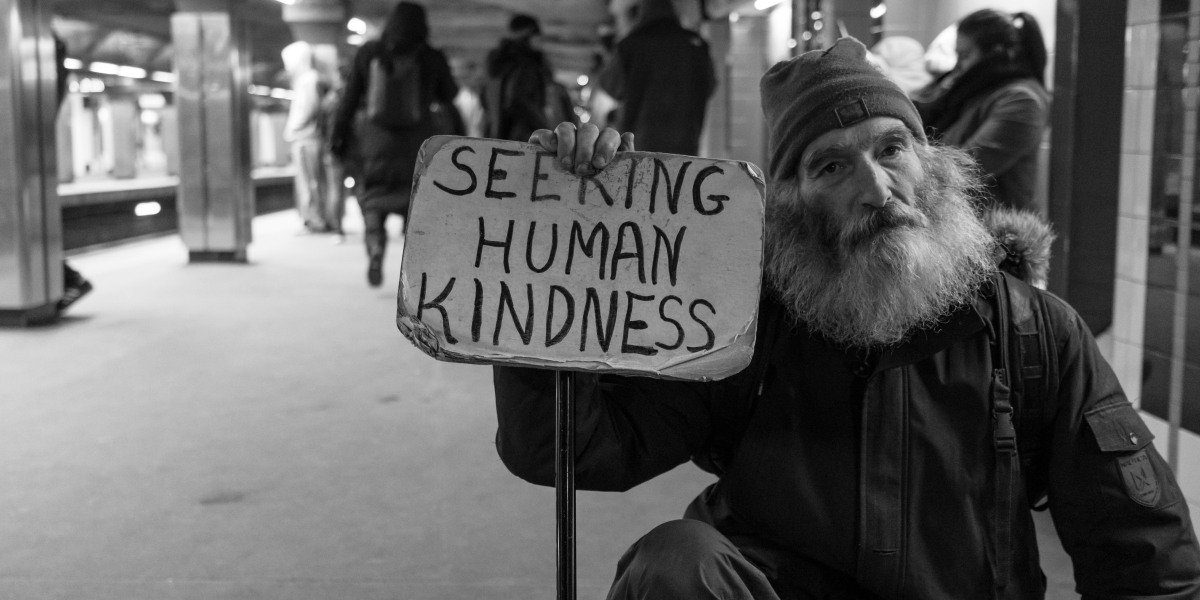

Homeless service organizations across Georgia, including many operating in Atlanta, are racing to adjust after recent federal rule changes altered how homelessness funding will be distributed in the coming year. The changes, issued by the U.S. Department of Housing and Urban Development, prioritize short-term and transitional housing programs over permanent supportive housing, a move that advocates say could significantly reshape how cities respond to homelessness.
Under the revised guidance, agencies applying for federal Continuum of Care grants now face uncertainty about whether long-term housing projects will remain eligible for the same level of support. With re-applications due by mid-January, nonprofit leaders say the compressed timeline has left organizations scrambling to revise budgets, staffing plans, and service models with little clarity about future funding.
“This creates instability in a system that depends on predictability,” said housing advocates familiar with the process, noting that permanent supportive housing typically requires multi-year commitments to remain effective. Without assurance of sustained funding, providers warn they may be forced to scale back or redesign programs that were built to offer long-term housing paired with health, mental health, and employment services.
The timing is especially sensitive in Atlanta, where roughly 100 new supportive housing units have opened in recent months as part of broader efforts to reduce chronic homelessness. While those developments represent tangible progress, nonprofit leaders caution that a philosophical shift at the federal level could undermine similar projects planned for 2026 and beyond.
The new funding emphasis reflects a broader debate within homelessness policy circles about whether resources should focus on rapid transitions through shelter systems or long-term housing stability. Critics of the federal shift argue that permanent supportive housing has repeatedly proven to be the most effective way to reduce repeat homelessness, particularly for individuals with complex medical or behavioral health needs.
Service providers across metro Atlanta say the immediate concern is continuity. Transitional programs typically operate on shorter timelines, while permanent housing requires consistent funding to keep residents housed. A mismatch between local strategies and federal priorities, they warn, could result in service gaps just as demand for housing assistance continues to rise.
City officials and nonprofit leaders are now assessing how to align local homelessness strategies with the new federal framework without disrupting existing residents or derailing long-term housing goals. As Atlanta heads into 2026, the outcome of the upcoming grant cycle is expected to play a critical role in determining whether recent gains in supportive housing can be sustained or whether the city’s homelessness response will be forced into a new, less stable model.