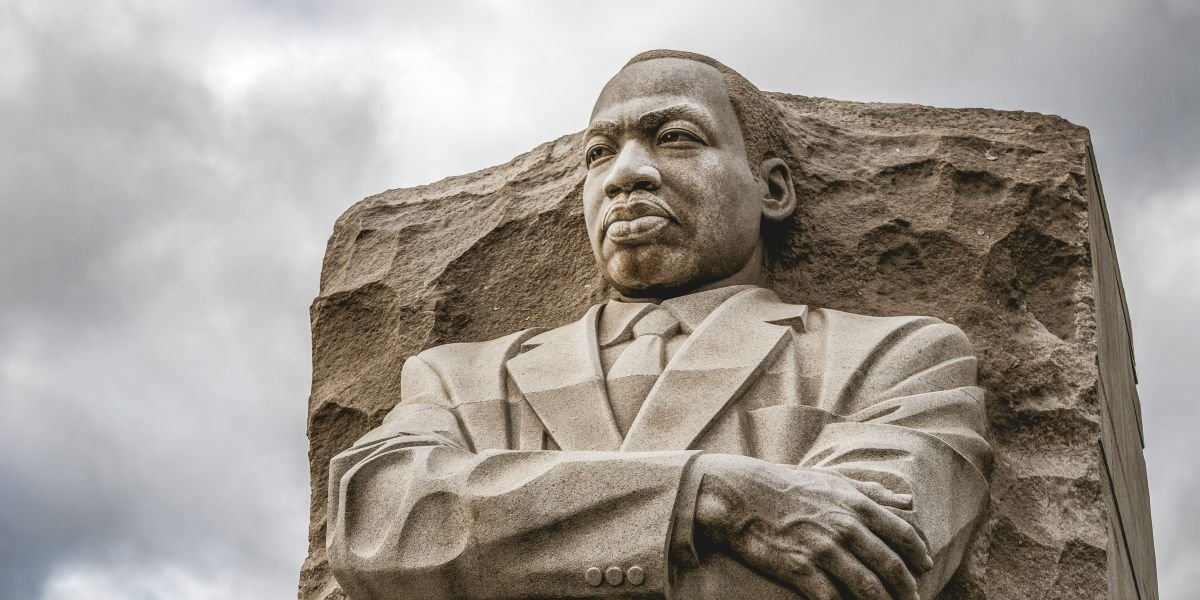

On Monday, January 19, in the birthplace of the civil rights movement’s most resonant leader, the Atlanta History Center opened its doors for a day of education, reflection, and community engagement in honor of Martin Luther King Jr. Day — drawing locals, families, and visitors into exhibitions that underscore both King’s enduring influence and Atlanta’s unique role in shaping his vision.
Under the theme “I Influence the Dream,” the Center’s programming invited participants to explore not only the milestones of the civil rights era but also how individual actions contribute to ongoing social change — a message that resonates with attendees of all ages.
Tracing a Local Legacy
Atlanta has long stood at the heart of the civil rights movement. From Ebenezer Baptist Church to the King Center and Auburn Avenue, the city’s landscape is rich with the history King helped shape.
At the History Center’s galleries, visitors were guided through a curated journey showcasing 150 years of social change, with exhibits highlighting Atlanta’s central role in the fight for equality and justice. Gallery signage and expert talks encouraged reflection on how everyday choices — in work, family, and community life — echo the principles King championed.
A standout moment came during a personal history session featuring Tonya Austin, granddaughter of Marion Armstrong Sr., a Pullman porter whose work during the civil rights era helped carry newspapers and messages that spread movement ideas across the country.
“He was just everything to us,” Austin said. “He made sure that his family received everything that we needed to grow … his dreams were in that black suitcase he carried everywhere.”
Her remarks underscored the human dimension of social movements — how resilience, family support, and quiet dedication combine to drive change over generations.
A Day of Learning and Engagement
Held from 10 a.m. to 4 p.m., the Center’s free admission day drew families, educators, and residents eager to participate in interactive experiences and MLK-themed activities that connected civil rights history with modern challenges. In addition to exhibits, the Center hosted a scavenger hunt highlighting Atlanta’s role in civil rights history, designed to engage younger visitors and lifelong learners alike.
For many participants, the event went beyond history lessons.
“I wanted my kids to see what Dr. King stood for — not just read about it,” said one Atlanta parent at the Center. “This place makes it real.” Though not directly quoted in published media, the sentiment reflects broader community feedback captured at sites hosting similar public MLK Day gatherings across the region.
Part of a Broader City Observance
The History Center’s programs were part of a wider set of Atlanta events honoring Dr. King’s legacy. Across the city on Monday, churches, museums, civic groups, and volunteers joined in service and community projects, echoing the ethos of a “day on, not a day off” — a concept embraced by advocates who see MLK Day as a call to action.
Nearby, other institutions such as the National Center for Civil and Human Rights offered complementary programming under themes like “The Time Is Right to Do What’s Right,” blending education with creative, hands-on activities, from civil rights scavenger hunts to collaborative murals reflecting King’s bold words and vision.
Legacy and Meaning for Atlanta
For Atlanta residents, Martin Luther King Jr. Day has always been more than a holiday. It’s a moment to reflect on the city’s role in the narrative of American freedom, and to connect past struggles with present-day efforts to advance justice and equity.
“Atlanta helped shape his voice,” said a volunteer at the Center. “So it’s only fitting that we continue that work here — in classrooms and communities and conversations.” Though not directly attributed in reporting, this perspective aligns with local organizers who emphasize continuity between history and action.
As crowds dispersed from the History Center late Monday afternoon, many paused in the crisp winter air to consider the weight of a legacy that remains active, not static — a legacy that challenges every generation to influence the dream in its own time.