
Restaurants opened by Black entrepreneurs after the Civil War laid the foundation for Atlanta’s modern comfort-food culture, transforming survival cooking into a cuisine now known worldwide. Lucy Jackson opened The Busy Bee Cafe in 1947 on one of only two streets where Black entrepreneurs could operate after race riots pushed the community from downtown. That restaurant and others like it turned collard greens, cornmeal, and inexpensive cuts of meat into dishes that nourished civil rights leaders and shaped Atlanta’s identity as a Black cultural capital.
Key Takeaways
- Lucy Jackson opened The Busy Bee Cafe in 1947 on one of only two streets where Black entrepreneurs could operate after race riots pushed the community from downtown Atlanta.
- The James Beard Foundation recognized The Busy Bee Cafe with an American Classics award in 2022, calling it a community gathering spot and bastion of comforting food for generations.
- Restaurants along Auburn Avenue provided safe gathering spaces where civil rights leaders like Martin Luther King Jr. and Jesse Jackson strategized during the movement.
- Southern National in Summerhill blends heritage ingredients with global techniques, serving field peas with miso sauce and loaded sweet potatoes with ground lamb and curry yogurt.
The cuisine spread during the Great Migration of the early 1900s, but Atlanta remained its anchor. Sweet Auburn the historic commercial center of Black Atlanta, became home to restaurants that doubled as strategy spaces for organizers like Adam Clayton Powell Jr. and Jesse Jackson. Today’s kitchens are experimenting with charred redfish bolognese and truffle-drizzled fried green tomatoes, yet the tradition of resourcefulness, community, and care remains intact.

How Did Black Restaurants Shape Atlanta’s Civil Rights Movement?
Restaurants along Auburn Avenue provided safe gathering spaces where civil rights leaders could strategize without fear of surveillance or harassment. The Busy Bee Cafe served Martin Luther King Jr. and other activists who used the dining room to plan demonstrations and coordinate campaigns. Paschal’s Restaurant, another landmark, hosted planning sessions that helped organize the movement’s most consequential actions across the South.
These restaurants were more than meeting places. They anchored entire neighborhoods, providing employment and economic stability in a segregated city. When Lucy Jackson opened The Busy Bee in 1947, she did so on Hunter Street, one of only two corridors open to Black business owners after race riots forced the community out of downtown Atlanta.
What Makes Atlanta’s Approach Different From Other Southern Cities?
Atlanta’s profound Black population and role as the Civil Rights Movement’s epicenter gave the cuisine a platform other cities couldn’t match. The influx of freed Black people after the Civil War established Georgia’s new capital as a Black Mecca, and a rich food culture followed. Collard greens, beans, yams, and neckbones became wholesome meals shared at church potlucks and family-owned restaurants.

Church fundraisers and community gatherings transformed what began as survival cooking into collective culture. According to Melvin Browne, Managing Director of The Busy Bee Cafe, the cuisine is born from resilience, resourcefulness, and care. Atlanta resident Teonykkia Starr described it as food cooked with love and patience, made by Black hands to strengthen Black communities.
How Are Chefs Evolving Traditional Recipes Today?
Kitchens across Atlanta are experimenting with heritage ingredients and global techniques while preserving the cuisine’s core identity. Fried green tomatoes now appear with truffle burrata and applewood bacon. Cornbread cheesecake and hoisin-glazed oxtail sit alongside traditional plates of fried chicken and macaroni and cheese.
Southern National, opened by chefs who helped establish One Flew South at the airport, serves field peas with miso sauce and loaded sweet potatoes topped with ground lamb and curry yogurt. The restaurant occupies an old building in Summerhill, the historic neighborhood near where Hank Aaron played, and blends sleek industrial design with dishes that nod to the past. The James Beard Foundation recognized The Busy Bee Cafe with an American Classics award in 2022, calling it a community gathering spot and tourist destination that remains a bastion of comforting food for generations.
What Role Did Migration Play in Spreading the Cuisine?
The Great Migration of the early 1900s carried the cooking style north and west as Black families left the South for industrial jobs in cities like Chicago, Detroit, and New York. Atlanta remained a cultural and culinary anchor, and restaurants continued to open as the city’s Black population grew. Sweet Auburn became lined with dining rooms that fed locals and visitors alike, their walls eventually covered with photographs and murals documenting the neighborhood’s history.
Atlanta resident Nikki Thompson noted that favorite restaurants tell incredible civil rights stories through pictures displayed on their walls. The cuisine’s spread during the migration era ensured that dishes like collard greens, cornbread, and fried chicken became fixtures at suppertime and celebrations nationwide, yet Atlanta’s connection to the movement and its concentration of Black-owned businesses kept the city at the center of the tradition.
Why Does the Cuisine Still Resonate With Atlanta Residents?
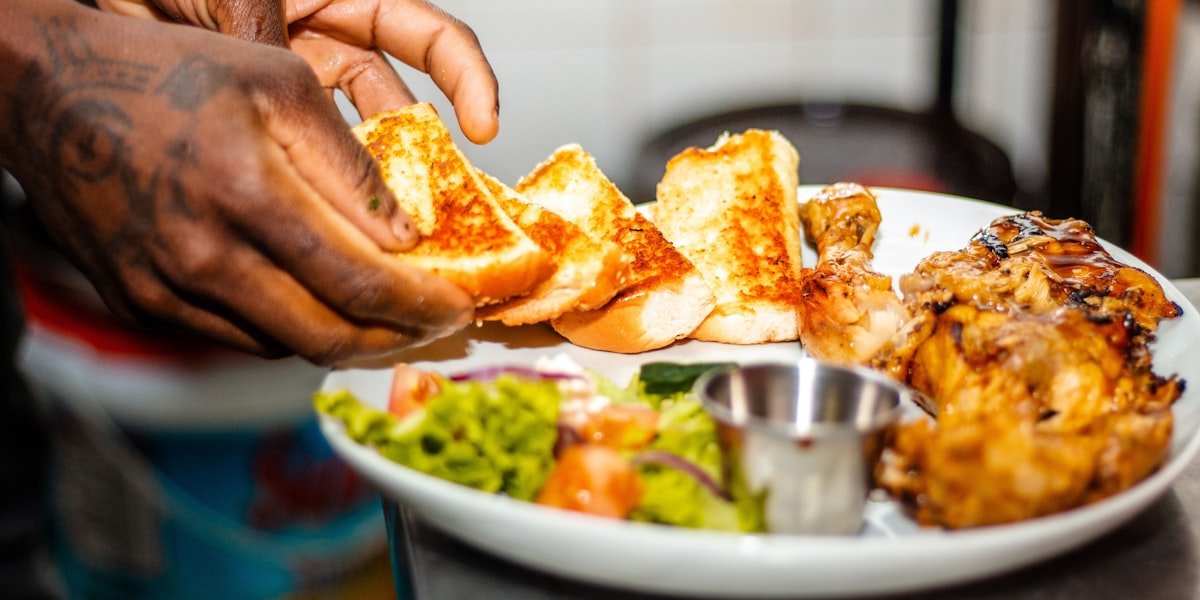
The food carries memory and identity in every plate. Ham hocks and collard greens bubbling in stockpots, macaroni and cheese heaped alongside pork chops, and sweet tea passed around crowded tables remain daily rituals for families across metro Atlanta. The cuisine connects residents to ancestors who made something extraordinary out of very little, using seasoning and patience to turn inexpensive ingredients into nourishment.
Even as chefs introduce redfish and truffle oil, the core tradition persists. Atlanta Wire has covered the city’s restaurant evolution for years, documenting how new techniques and global influences reshape local dining without erasing the foundation Black entrepreneurs built. Restaurants that once hosted civil rights strategy sessions now serve a generation that knows the history and tastes the resilience baked into every dish, proving that survival cooking became something much larger than anyone at those early tables could have imagined.
FAQs
Which Atlanta Restaurants Are Known for Traditional Dishes?
The Busy Bee Cafe, opened in 1947, is known for fried chicken, baked macaroni and cheese, and banana pudding. Oreatha’s At The Point in Cascade serves classic plates alongside modern interpretations. Both restaurants maintain reputations for consistent preparation and community gathering.
Can Visitors Tour Sweet Auburn’s Historic Restaurant District?
Sweet Auburn, the historic commercial center of Black Atlanta, remains a walkable neighborhood with landmarks including Dr. Martin Luther King Jr.’s birth home and Ebenezer Baptist Church. Many restaurants display photographs and murals documenting the area’s civil rights history. The National Center for Civil and Human Rights and APEX Museum provide additional context.
What Ingredients Define the Cuisine’s Foundation?
Collard greens, beans, cornmeal, and yams formed the base of African and African American diets in the South. Inexpensive cuts of meat like neckbones and oxtail joined those staples to create wholesome meals. Resourcefulness and seasoning transformed these ingredients into dishes that nourished body and soul.
How Did Church Gatherings Influence Restaurant Culture?
Church potlucks, fundraisers, and family-owned restaurants transformed survival cooking into collective culture after the Civil War. These gatherings established the tradition of sharing plates piled with fried chicken, macaroni and cheese, and cornbread. The sense of community and care that defined church meals carried into commercial dining spaces.
Are Chefs Preserving Traditional Recipes While Experimenting?
Chefs across Atlanta are introducing global flavors and modern techniques while keeping core ingredients and cooking methods intact. Dishes like charred redfish bolognese and truffle-drizzled fried green tomatoes sit alongside traditional fried chicken and collard greens. The cuisine’s foundation of resourcefulness and care remains central even as plates evolve.