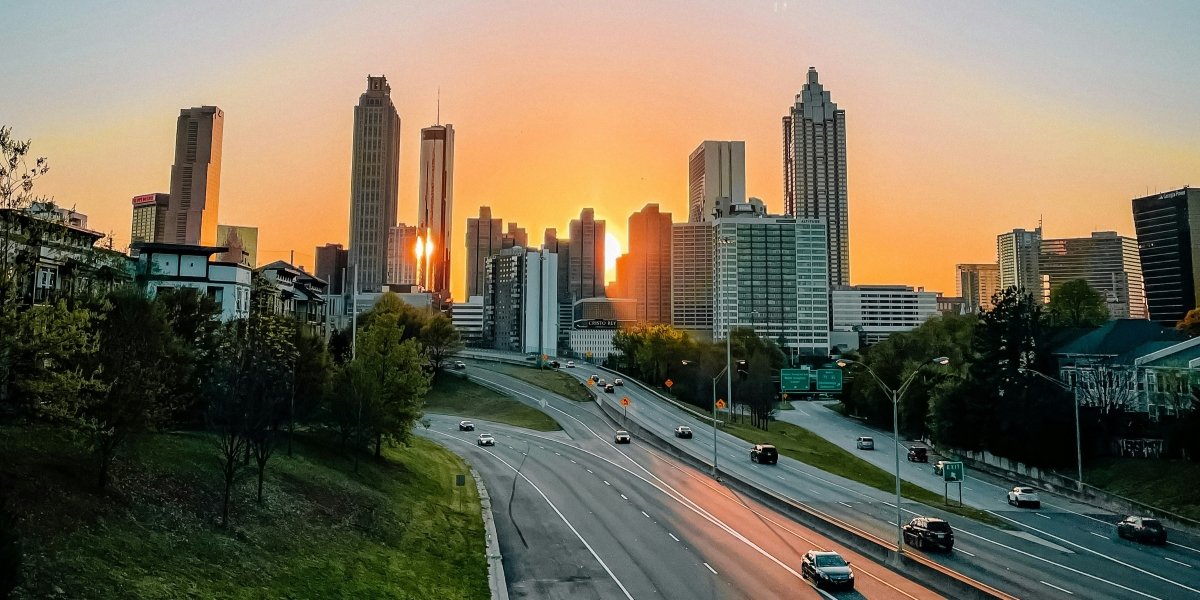
Atlanta is rapidly evolving, fueled by remarkable population growth, ambitious infrastructure projects, and a spirit of innovation that’s reshaping every corner of the city. The momentum is driven by a mix of public and private investment, with new developments in transportation and urban design aimed at connecting neighborhoods and creating opportunities for everyone.
While these initiatives bring a multitude of economic rewards and improved mobility, city leaders are also focused on ensuring that progress is sustainable. With forward-thinking planning, adoption of emerging technologies, and active community engagement, Atlanta is setting a powerful example for urban transformation in the Southeastern United States.
Atlanta’s Expanding Population and Economic Landscape
According to , Atlanta has experienced considerable growth in both its population and economy over recent decades. The city’s appeal lies in its industries, affordable cost of living, and central location in the Southeast. As more people and businesses relocate to the area, pressure has mounted on existing transportation systems and infrastructure.
Several major projects have dramatically altered Atlanta’s urban landscape. The Atlanta BeltLine, a 22-mile loop of trails and parks, has revitalized former rail corridors, linking neighborhoods and encouraging new housing and business growth along its route. Centennial Yards is turning what was once a neglected expanse downtown into a vibrant hub for commerce, recreation, and living.
Meanwhile, MARTA’s ongoing service expansions and emphasis on transit-oriented development are making it easier for residents to access jobs, education, and essential services without relying solely on cars. New bike lanes and improved pedestrian pathways are also making alternative transportation more accessible to everyone of all ages.
Infrastructure Investments and Regional Connectivity
Major investments in infrastructure are reshaping how people move throughout the metro area. The $1.8 billion initiative to improve Interstate 75 aims to ease congestion and support smoother commutes for thousands each day. In another part of the city, the Stitch Project is set to build a 14-acre park over the Downtown Connector, healing historic divides and reconnecting communities that were separated by highway construction decades ago. Additionally, upgrades to Hartsfield-Jackson Atlanta International Airport are enhancing the city’s status as a global transportation hub.
Technology and Innovation in Urban Transportation
Atlanta is embracing new technologies to redefine urban travel. Companies such as Amazon’s Zoox have brought autonomous vehicle testing to the city, paving the way for safer and more efficient transportation options. MARTA Reach, a pilot program offering flexible on-demand rides, allows residents to connect seamlessly with bus and train routes. These advances highlight Atlanta’s commitment to integrating emerging solutions that meet the needs of its growing population.
Economic Impact
Transportation upgrades have sparked substantial economic momentum in Atlanta. Major investments, including the arrival of the Shriners Children’s Hospital, demonstrate how improved mobility can attract new businesses and foster job creation. Neighborhoods along the BeltLine have seen rising property values and a surge in small-business openings, underscoring the ripple effect infrastructure improvements can have on local economies. Retail and hospitality sectors are also experiencing growth as visitor access improves, further contributing to the region’s economic vitality.
Planning for Sustainable and Equitable Growth
Ensuring that growth benefits all residents remains a major focus in Atlanta’s future planning. City leaders are weaving sustainability into transportation decisions by promoting green spaces, reducing emissions, and encouraging alternative modes of travel. Community engagement plays a vital role, with ongoing efforts to include city voices in shaping projects and policies. By prioritizing equity and access, Atlanta aims to build a city where opportunity is shared and progress reaches every neighborhood.