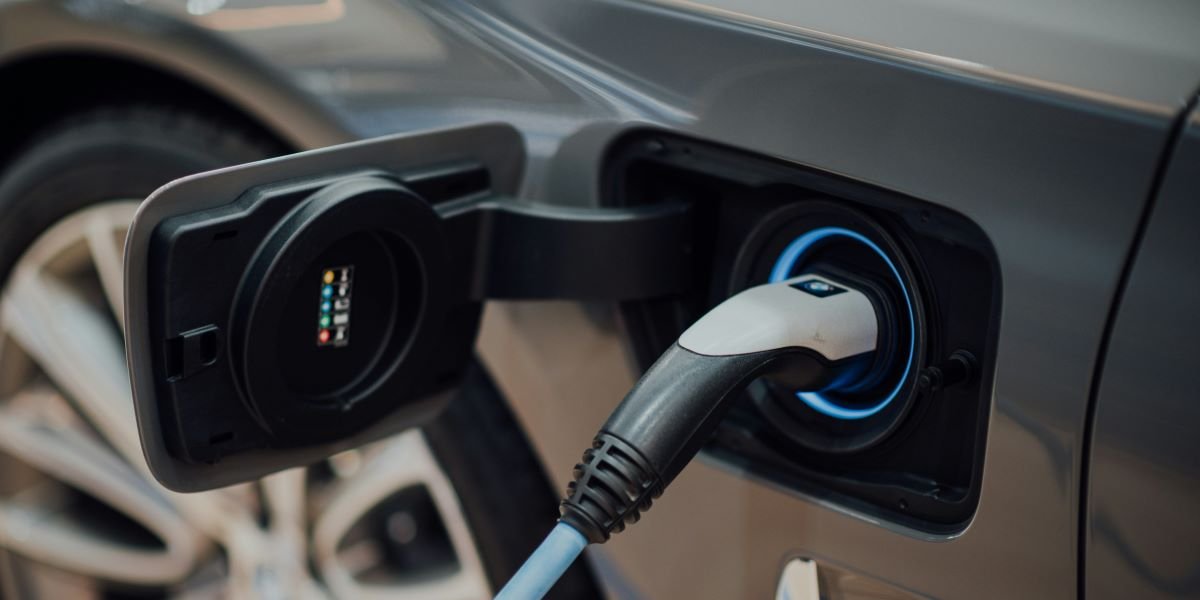

Georgia’s per-kilowatt-hour tax on public electric vehicle charging will not take effect January 1, 2027, despite that date still appearing in federal summaries and many online guides. House Bill 1277, passed in the 2026 session, moved both the tax and the state’s new charger rules to January 1, 2028.
Key Takeaways
- House Bill 1277 delays the Georgia Department of Agriculture’s EV charger oversight and the tax on charging electricity to January 1, 2028.
- When the rules take effect, public chargers must measure and display electricity delivered by the kilowatt-hour.
- Violations of the charger rules will carry a civil penalty of up to $1,000 per violation.
- Georgia’s annual alternative fuel vehicle fee for a non-commercial EV is $238.59 for registrations from July 1, 2026, through June 30, 2027.
- Georgia’s gasoline excise tax rises to 34.4 cents per gallon on January 1, 2027, the rate the charging tax will eventually track.
A 2026 Law Moved the EV Charging Tax and Charger Rules to January 1, 2028
Georgia created its EV charging framework in 2023 with Senate Bill 146. The law did three things: it allowed public chargers to sell electricity by the kilowatt-hour, it gave the Georgia Department of Agriculture authority to register and inspect chargers, and it set an excise tax on electricity sold at public charging stations.
Lawmakers have delayed the start date several times since then. It moved from 2025 to 2026, then to January 1, 2027, through House Bill 652 in 2025. During the 2026 session, House Bill 1277 pushed both the Agriculture Department’s regulatory authority and the revenue and taxation provisions to January 1, 2028. The same bill updated state definitions of electric vehicles and charging stations.
Older Guides Still Point Drivers to the Wrong Date
Much of what Georgia EV owners find online predates the 2026 change. Federal summaries of state EV laws, some industry reports and older news coverage still describe January 1, 2027, as the day public chargers begin collecting the tax and displaying per-kilowatt-hour pricing. Under current state law, neither happens on that date.
For metro Atlanta drivers who rely on public chargers, that means charging costs on New Year’s Day 2027 will reflect whatever each site already charges, with no new state excise tax added. Site owners also have another year before state inspection and display rules apply.
What Does Change for Georgia EV Drivers in 2027
Two costs connected to EVs are already set for 2027. The Georgia Department of Revenue’s annual alternative fuel vehicle fee for a non-commercial EV stands at $238.59, and the commercial fee is $357.98, for registrations that begin or renew between July 1, 2026, and June 30, 2027. The fee is charged in addition to the ordinary registration fee and adjusts each July under a state formula. Plug-in hybrids are not subject to the fee unless the owner buys a special alternative fuel license plate.
The other change is at the gas pump. The Department of Revenue set the state excise tax on gasoline at 34.4 cents per gallon for January 1 through December 31, 2027, and diesel at 38.5 cents. That gasoline rate matters to EV owners because Georgia’s charging tax is designed to track it once collection begins.
How the Charging Tax Will Be Calculated When It Starts
Georgia’s charging tax is not a flat price per charge. State law treats a set amount of electricity as the equivalent of one gallon of gasoline, capped at 11 kilowatt-hours, and taxes it at the same rate as a gallon of motor fuel. When the gasoline excise rises or falls, the charging tax follows. That link is also why recent changes at the pump, including the suspension of Georgia’s gas tax through November 30, give EV owners a preview of how the charging tax will behave.
The Department of Revenue has not published a per-kilowatt-hour rate for electricity. Estimates from earlier years were based on older gasoline rates and no longer match the 2027 figure. The official rate for 2028 will depend on the gasoline excise in effect at that time.
What Charger Owners Face Starting in 2028
Once Article 8A of Georgia’s commerce code takes effect on January 1, 2028, the Georgia Department of Agriculture will oversee public charging stations much as it oversees fuel pumps. Charging stations must be able to measure and display the electricity they deliver by the kilowatt-hour. State inspectors can test equipment, seal accurate stations and condemn stations that fail. Violations of the article can draw a civil penalty of up to $1,000 for each violation.
Parking operators and property owners who host public chargers in garages and surface lots will be among those affected, alongside the city’s own rules on private parking lot pricing. State law also carves out an exemption for free chargers on federal interstates owned by nonprofit organizations.
Home Charging Stays Outside the Tax
The excise tax applies only to electricity sold at public charging stations. EV owners who charge at home pay their utility’s electric rate and the annual vehicle fee, but no per-kilowatt-hour state excise. For drivers who mostly plug in at home, the 2028 changes will matter mainly on road trips and at public fast chargers.
FAQs
When does Georgia’s EV charging tax start?
Georgia’s tax on electricity sold at public EV charging stations is set to start January 1, 2028. House Bill 1277, passed in 2026, moved the date from January 1, 2027.
Do Georgia EV chargers have to show price per kWh in 2027?
No. The requirement that public chargers measure and display electricity by the kilowatt-hour takes effect January 1, 2028, along with Department of Agriculture inspections.
How much is Georgia’s annual EV fee?
The non-commercial alternative fuel vehicle fee is $238.59 for registrations from July 1, 2026, through June 30, 2027. The commercial fee is $357.98.
Will charging at home be taxed in Georgia?
No. The excise tax applies only to electricity sold at public charging stations, not home charging.