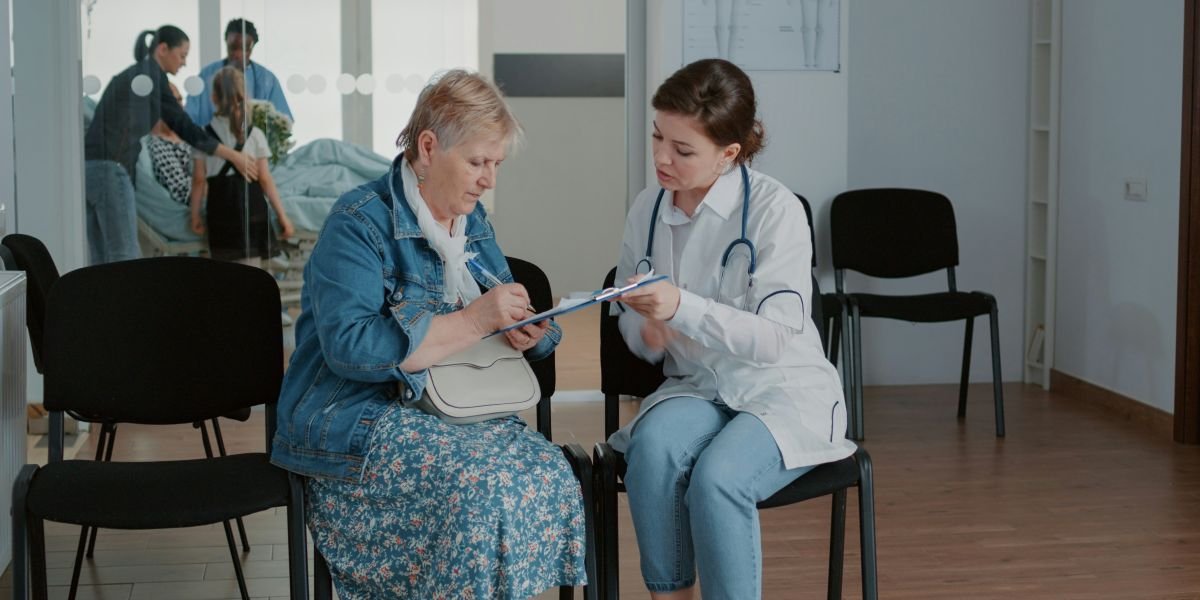

For families navigating a rare disease diagnosis, finding the right clinical trial is one of the hardest things they will ever do. The search involves decoding complex eligibility criteria, tracking down research sites that may not be widely advertised, and convincing a busy physician to make a referral into a system that often has no standardized way to receive one. The process is fragmented by design — not by intention, but by decades of disconnected infrastructure.
An Atlanta-based clinical research organization is now working to change that.
The Partnership
Rare Disease Research, an independent U.S. clinical research site network focused exclusively on rare disease studies, and myTomorrows, a health technology company that helps connect patients and physicians to all pre-approval treatment options, announced a partnership designed to improve how patients are identified and referred into rare disease clinical trials.
The collaboration is designed to increase trial visibility, support more structured referrals from community and specialist care settings, and improve coordination for patients, families, and referring providers.
Initially supporting RDR’s sites in Georgia, Florida, and North Carolina, the collaboration aims to make it easier for patients, families, community physicians, and specialist centers to connect with relevant RDR studies through a more structured and coordinated referral pathway.
Georgia is ground zero for the launch. That is not incidental — Atlanta has quietly become one of the Southeast’s most active rare disease research corridors, with RDR operating as one of the few independent research sites in the country dedicated entirely to rare disease clinical trials rather than running them alongside a broader portfolio of more common conditions.
What the Platform Does
The operational mechanics of the partnership address a specific, persistent problem in clinical research: the gap between the physicians who know their patients and the research sites that need them.
Through this partnership, RDR will use the myTomorrows platform to help referring physicians and specialist centers identify potentially relevant RDR trials and submit structured referrals directly to RDR site teams. The platform is intended to support preliminary matching against study criteria and improve the completeness and consistency of referral information before site-level review.
Once a potential match is identified, referring providers can submit referrals to the appropriate RDR clinical research team and communicate through a centralized workflow — replacing the fragmented email chains and phone calls that currently characterize most referral processes in this space.
The patient-facing component is equally significant. The collaboration will also provide support for patients and families seeking information about RDR trials. When appropriate, myTomorrows patient navigators may help gather relevant medical information, review potential trial options, and support referrals of potentially eligible patients to RDR for site follow-up.
Why This Problem Matters
The rare disease space operates under constraints that most of mainstream medicine does not face. There are approximately 10,000 known rare diseases, affecting an estimated 30 million Americans. Most have no approved treatment. For many patients, a clinical trial is not a last resort — it is the only option for accessing a therapy that might exist somewhere in the pipeline.
Patients living with rare diseases often face major obstacles in finding appropriate clinical trials. Complex eligibility criteria, rapidly evolving recruitment needs, and limited visibility into active studies can make it difficult for both clinicians and families to identify relevant opportunities. Referring physicians may also lack a practical, consistent way to connect potentially eligible patients to specialized research sites.
The result is a system where trials frequently fail to enroll enough patients — not because patients do not exist, but because the infrastructure for finding them and routing them to the right site was never built properly. Rare disease research sites like RDR can spend significant staff time managing incomplete referrals, tracking down missing records, and re-communicating eligibility criteria that a better-designed intake process would have captured upfront.
By enabling more structured, better-qualified referrals, the partnership is intended to help RDR teams spend less time managing incomplete or mismatched inbound requests and more time supporting patients who may be a fit for active studies.
The Voices Behind It
Han C. Phan, MD, CEO of Rare Disease Research, said: “This partnership strengthens our ability to connect with patients earlier and more effectively through the physicians and specialist centers already involved in their care. More structured referrals and clearer eligibility alignment can help our teams focus on the patients most likely to be a fit for a given study, while creating a more efficient and supportive experience for families and referring providers.”
Michel van Harten, MD, CEO of myTomorrows, framed the value from the platform side: “For trial sites, complex recruitment workflows can create unnecessary administrative burden and slow patient access. By supporting RDR with structured referrals, preliminary trial matching, and coordinated patient engagement, we aim to help simplify the path from referral to site follow-up.”
Atlanta’s Expanding Health Innovation Footprint
The RDR-myTomorrows partnership lands at a moment when Atlanta’s health technology and life sciences ecosystem is drawing increased attention from investors and institutions alike. The city’s research infrastructure — anchored by Emory University, Georgia Tech, Children’s Healthcare of Atlanta, and Grady Memorial Hospital — has long supported clinical research activity. What has been slower to develop is the commercial layer of health technology companies building around that infrastructure.
RDR represents a different model: a specialized, independent research site operating outside the traditional academic medical center framework, running studies that larger institutions often do not prioritize because rare disease patient volumes are too small to justify resource allocation. That independence makes it nimble — and the myTomorrows partnership extends that nimbleness into the referral pipeline, which has historically been the weakest link in rare disease trial enrollment.
Together, RDR and myTomorrows aim to create a more efficient, patient-centered pathway into rare disease clinical trials, with the goal of improving referral quality, reducing administrative friction, and making it easier to connect patients to relevant research opportunities.
For families in Georgia and across the Southeast who have spent months trying to find a trial their child might qualify for, a more structured referral pathway is not a minor operational improvement. It is the difference between knowing and not knowing that a study exists — and between having a physician who can act on that knowledge and one who has no clear way to do so.
The infrastructure for that connection is now being built in Atlanta.