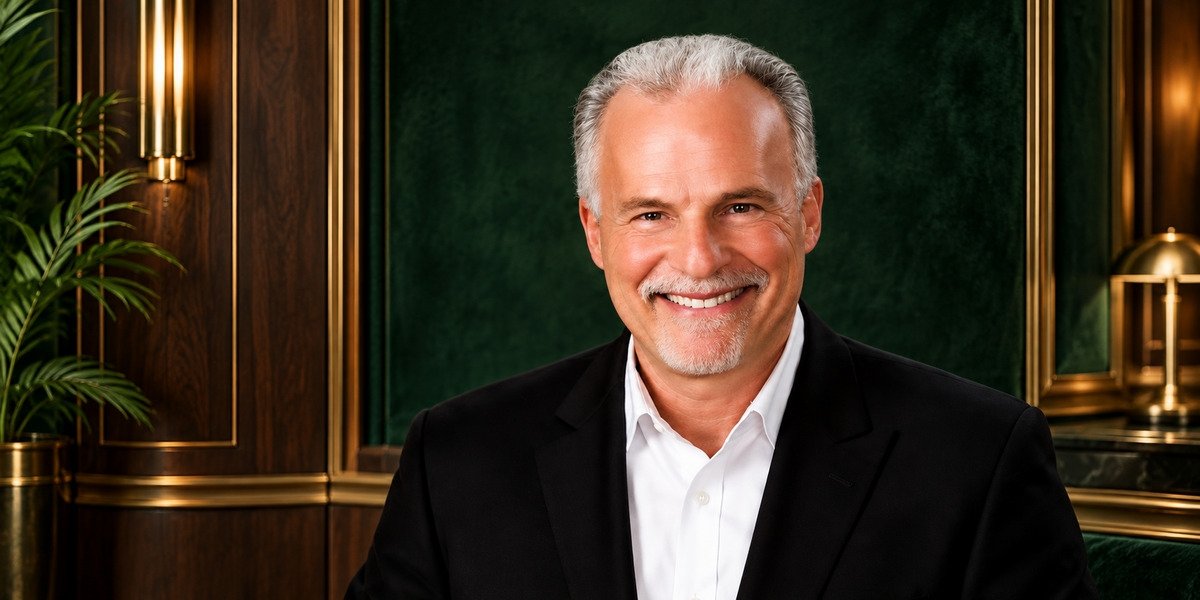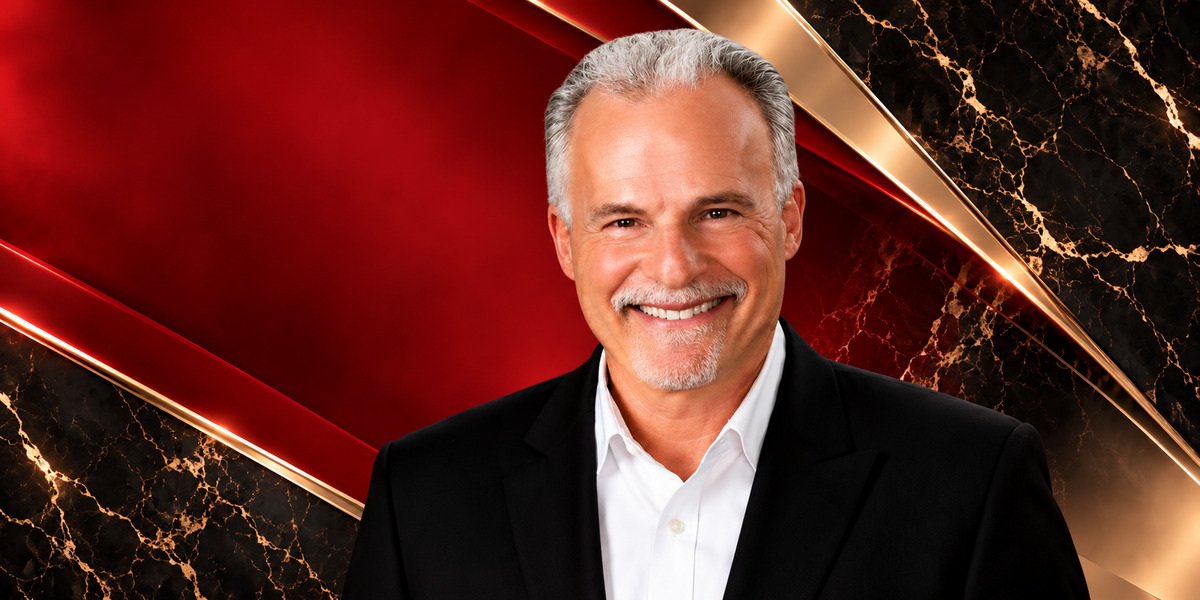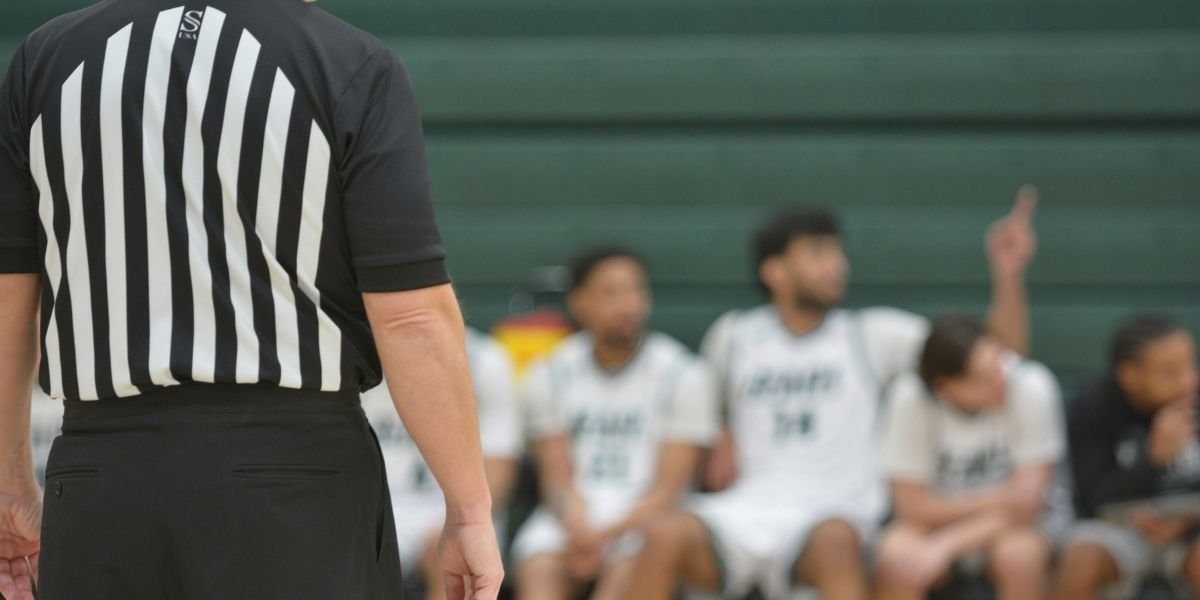

A referee’s whistle interrupts a room full of people who think they know the game better than he does. Doug Shows has spent more than three decades learning to make the call anyway, and he is still making it. He has worked as an NCAA Division I men’s basketball official since 1993, has been assigned to postseason play since 1998, and continues to work a full national schedule each season. He also owns a small business, works in real estate, and practices as a civil and domestic mediator. The settings vary. The requirement to decide well under pressure, with limited time and incomplete information, is the same in each of them.
Decisions Made Without the Luxury of Time
Officiating at the highest levels of college basketball leaves no room for a second look. A play develops, contact happens, and the call has to land in real time, in front of thousands of people who will replay it from every angle for days afterward. Staying at that level means working as many as 80 games a season across the country, in the SEC one night and the Big East the next, along with international assignments in more than a dozen countries over the course of his career. Fitness has to hold up under that travel schedule, since a tired official is a slower official, and a slower official is the one who misses the call that gets replayed.
The skill that carries over from that environment has less to do with rules knowledge and more to do with composure: the ability to absorb criticism without losing focus and to keep functioning when a decision cannot wait for more information to arrive. Veteran officials who mentored Doug Shows early in his career emphasized this point above almost everything else. The rulebook gets an official in the door, but staying composed under scrutiny is what keeps someone working postseason games year after year. Each summer, Shows passes that lesson along at officiating camps in several cities, helping younger referees who are working toward the Division I level.
Seven Trips to the Final Four
The NCAA reviews each official’s full body of work during the season before selecting roughly 100 referees for the first round of the men’s tournament. The pool shrinks every round until nine officials remain for the Final Four. In April 2026, Doug Shows made that cut for the seventh time, drawing the national semifinal in Indianapolis between two No. 1 seeds, Michigan and Arizona.
The Rome News-Tribune’s coverage of Doug Shows officiating his seventh NCAA men’s Final Four describes the setting: a basketball court raised five or six feet off the floor of a football stadium, with about 73,000 people watching live. His first Final Four came in 2005, and his other assignments have taken him to San Antonio, Dallas, Minneapolis, New Orleans, St. Louis, and Houston.
Much of the work at that level happens before the opening tip. Officials rarely travel as fixed crews in college basketball, so each game starts with a pregame meeting on mechanics, positioning, and call selection. Shows credit to steady communication with coaches and team personnel for keeping tense moments under control, and he told the paper his technical fouls have been “few and far between” in recent years.
What Separates a Good Call from a Popular One
A correct officiating call and a popular one are not the same thing, and confusing the two is a fast way to lose credibility. The right call sometimes disappoints an entire arena. Learning to make it anyway, and to stand behind it afterward without over-explaining or second-guessing, is part of his approach to officiating and professional discipline that carries into every setting he works in. Fitness, positioning, and professionalism all matter, but the underlying discipline is deciding based on what happened on the floor, not on what the crowd wanted to happen.
That same discipline shows up away from the court, in how he evaluates a rental property, a real estate flip, or a small-business decision. He gathers the facts available, makes the call, and stays ready to defend it on the merits rather than on how it will be received.
Accountability Doesn’t End at the Final Whistle
Officials are trained to own a call the moment it is made instead of waiting to see how it lands. Doug Shows brings that standard to every game he works, and he applies it the same way in his business. When he is weighing a rental property or walking through a real estate flip, he names the risk plainly up front rather than letting it surface later as an unpleasant surprise. Overpromising would undercut the same trust that officiating depends on.
He also works as a civil and domestic mediator, a role that asks for nearly the opposite instinct of officiating in one important way: instead of making the call himself, he has to help two sides make it together. The discipline of staying composed while other people are upset sits underneath both roles. More on how these pieces of his career fit together is on his LinkedIn profile, which covers his officiating, mediation, and business work.
Carrying the Same Standard Into Real Estate and Small Business
Owning a small business and working in real estate put Doug Shows in a familiar position: making decisions that other people will judge. Tenants, contractors, and real estate agents all want an answer, and the answer has to hold up after the fact. He approaches those decisions the way he approaches a close play, looking at what is in front of him, making the call, and standing behind it.
He shares more about his background across officiating, business, and mediation on his personal website. The practical side of running a business, from handling a lease to deciding when a property is worth the work, is where the habits of a referee turn out to be useful.
Still on the Court, Still Accountable
None of this happens by accident. Three decades of being evaluated publicly on split-second decisions build a specific kind of discipline, one that does not care how comfortable a call feels in the moment. Doug Shows brings that discipline to the court every season, and to the real estate deals, business decisions, and mediation sessions that fill the rest of his calendar. Coaches, business partners, and clients are all watching to see whether the call holds up once the pressure is on. He still wears the stripes, and the standard he holds himself to is the same wherever he makes the call.