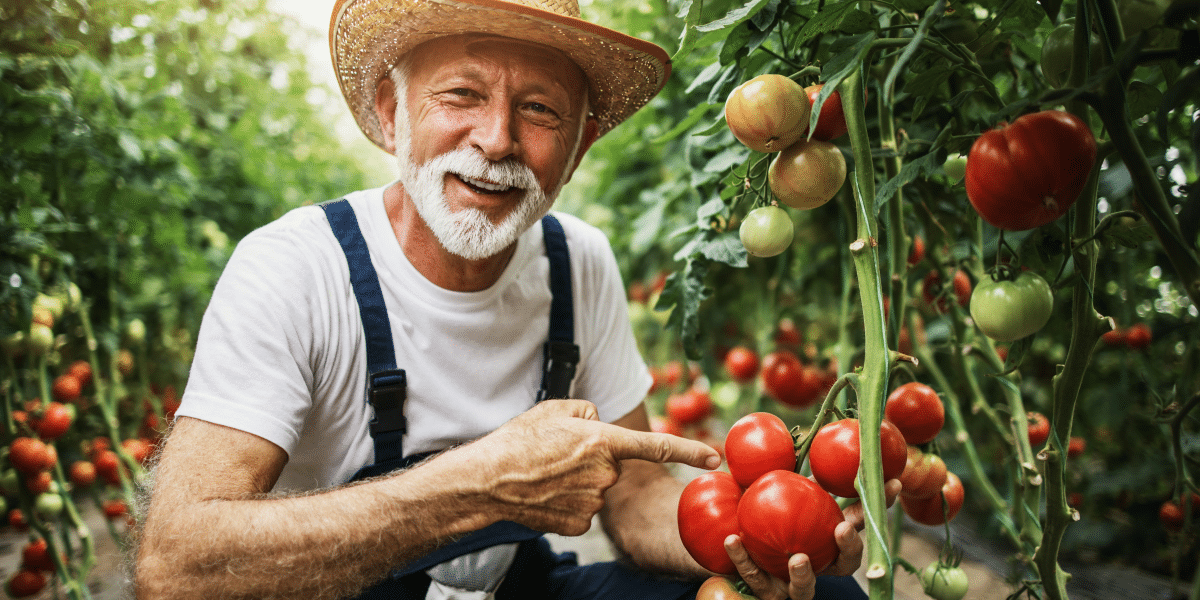

Every July, a small Italian restaurant on Virginia Avenue rearranges its kitchen around a single ingredient. For roughly ten days, La Tavola Trattoria suspends a good portion of its regular menu and rebuilds the offering around tomatoes — heirlooms, sungolds, brandywines, yellow pears, green zebras — sourced from Georgia growers at the precise window when the fruit is at its peak. The event is called Tomato Feast, and at this point it has been a Virginia-Highland tradition for more than two decades.
The premise is unusual enough to be worth taking seriously. Most restaurants signal seasonality through a special or two, a board update, a tweak to a salad. La Tavola treats peak tomato season as a reason to reorganize the entire offering. The result is one of the more genuinely seasonal dining experiences in Atlanta — and a useful case study in what happens when a kitchen builds an event around restraint rather than abundance.
The Origins of an Annual Tradition
La Tavola Trattoria sits at 992 Virginia Avenue, in the heart of the Virginia-Highland neighborhood, a few blocks from Piedmont Park. It opened as part of the Fifth Group Restaurants portfolio and built its reputation on handmade pastas, neighborhood-trattoria warmth, and a wine list weighted toward southern Italy. Tomato Feast began as a chef’s experiment in the mid-2000s and grew, year by year, into the restaurant’s signature event.
By 2014, the restaurant was marking its twelfth annual Tomato Feast — the kind of longevity that puts the event well into its second decade. That run has continued, with a brief pandemic-era interruption that the restaurant absorbed and recovered from. The format has stayed remarkably consistent: a limited-time menu, available alongside the regular dinner offering, built almost entirely around tomatoes in their summer prime.
What’s on the Menu
Tomato Feast menus vary year to year, but the architecture is recognizable. Past iterations have included pane e pomodoro — focaccia topped with fresh tomatoes — as a small plate; tuna paired with watermelon and brandywine tomato; taleggio tortelli with yellow pear tomato; and a basil panna cotta finished with a tomato caramel sauce and crispy tomato skins for dessert.
The dessert deserves a moment. Most chefs back away from tomato when the meal turns sweet. La Tavola has, for years, leaned into it — using the fruit’s natural sugar profile and acidity as a counterweight to cream-based desserts. It is the kind of menu item that reveals what the restaurant is actually doing during Tomato Feast: not running a themed promotion but treating the ingredient as a serious culinary subject across every course.
Other past dishes have included grilled skirt steak with tomato-cucumber bread salad and tomato mostarda; squid ink trenette pasta with preserved lemons, buffalo mozzarella, and tomatoes; ravioli filled with charred sungold tomatoes and ricotta; and roasted cobia served over a farro-tomato-arugula salad with smoked tomato vinaigrette. The common thread is technique — preserving, smoking, slow-roasting, raw — applied to a single ingredient in enough variations to demonstrate its range.
The Sourcing Argument
The reason Tomato Feast works as an event is the same reason it cannot be held in February. Georgia tomato season runs roughly from late June through early September, with mid-July typically marking the peak window for heirloom varieties. The restaurant times the event to that window, pulling product from regional farms — historically including growers in north Georgia and the Athens area — that supply chefs across Atlanta.
The argument for eating tomatoes in July, in a state where July tomatoes are exceptional, is not a marketing argument. It is a mechanical one. A tomato shipped from Mexico in January, ripened in transit, holds almost none of the sugar, acid balance, or aromatic compounds that define what a tomato can taste like. A Brandywine pulled off the vine that morning in Cherokee County is, biologically, a different food. Tomato Feast exists to make that distinction tangible, course by course, for the people who walk in the door.
What to Expect If You’re Going
Reservations are the binding constraint. La Tavola’s main dining room is relatively small — booths along the brick, a busy bar area, and a heated back patio that regulars tend to request for quieter seating. The event historically draws strong weeknight demand and books out solidly on weekends. The restaurant takes reservations through OpenTable and direct booking at 404-873-5430.
The Tomato Feast menu is offered alongside the regular dinner menu, so diners are not locked into ordering exclusively from the feature list. That flexibility matters for groups where one or two guests want to stick to familiar pasta dishes. The wine pairings lean toward southern Italian whites and lighter reds that complement the acid in the tomato preparations — Greco di Tufo, Falanghina, and lighter-bodied Sangiovese pours are common during the event.
Pricing on past Tomato Feast plates has generally tracked the restaurant’s standard menu, with most feast dishes falling in the $11–$22 range depending on protein and preparation. The restaurant has historically offered prix-fixe options during the event, though availability and structure vary year to year.
The broader cultural argument for Tomato Feast is that it represents a kind of restaurant programming that has become rare. Most modern restaurant marketing emphasizes novelty — new openings, new chef hires, new concepts. La Tavola’s signature event does the opposite. It returns, year after year, to the same ingredient at the same time, with variations on themes the kitchen has been working through for two decades. The continuity is the point. Diners who attended the event in 2010 can attend in 2026 and find both familiarity and new dishes built on the same foundation.
For tomato season in Atlanta, that is worth a reservation.