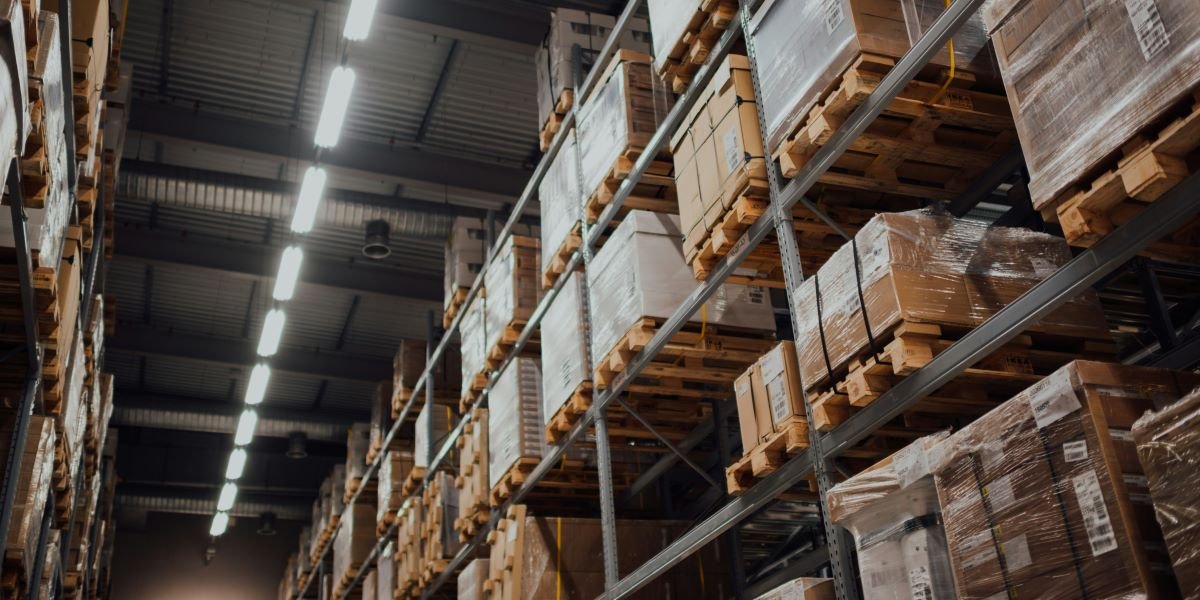

Highline Warren, an American distributor of automotive aftermarket and cleaning products, is investing $170 million in a new logistics and operations center in McDonough, Governor Brian Kemp’s office announced on July 14. The multi-year project will create 160 new jobs in Henry County and position the facility as a central node in the company’s national distribution network, capable of reaching 95% of the U.S. population within two days.
Why Highline Warren Chose Henry County Over Competing Markets
The decision to place a $170 million operation roughly 30 miles southeast of Atlanta reflects a calculation that goes beyond real estate pricing. Highline Warren CEO Darcy Curran pointed to three factors in a statement accompanying the announcement: Georgia’s strategic geographic position, access to a skilled labor pool, and proximity to the Port of Savannah — the fastest-growing container port on the East Coast and a critical entry point for imported automotive chemicals, lubricants, and cleaning products that feed the company’s supply chain.
The Port of Savannah connection is particularly relevant to Highline Warren’s business model. The company operates as a vertically integrated distributor, meaning it both manufactures and distributes automotive maintenance and cleaning products across the aftermarket supply chain. Raw materials and finished goods entering through Savannah can move to the McDonough facility via Interstate 75 without the bottleneck delays and per-mile costs that would come with routing through ports in New Jersey, Virginia, or South Carolina. Pat Wilson, commissioner of the Georgia Department of Economic Development, emphasized that link in his own statement, noting that Georgia’s automotive industry continues to expand at every level of the supply chain, from next-generation vehicle manufacturing to the aftermarket products and services that keep vehicles operational.
The facility will occupy over 1.1 million square feet at 830 Highway 42 South — the former Zinus building — and is being designed to support future operational expansion as the company’s business needs evolve. Highline Warren currently employs approximately 1,700 workers across the United States and is backed by Pritzker Private Capital, the Chicago-based private equity firm that acquired the company as part of its portfolio of industrial distribution businesses. Operations at the McDonough center are expected to begin in late 2026, with hiring commencing later this year.
The Broader Henry County Industrial Corridor Taking Shape
The Highline Warren announcement does not land in isolation. Henry County has steadily built out its industrial and logistics footprint over the past five years, leveraging the same geographic advantages — proximity to Hartsfield-Jackson Atlanta International Airport, direct interstate access, and relatively affordable land compared to closer-in metro Atlanta submarkets — that attracted Highline Warren’s investment.
McDonough sits at the intersection of Interstate 75 and State Route 155, a corridor that has drawn distribution, warehousing, and light manufacturing operations looking for the logistical reach of metro Atlanta without the congestion, labor competition, and real estate premiums of Fulton or DeKalb counties. The county’s population has grown substantially over the past decade, producing a workforce that commutes both into Atlanta and into the expanding industrial zones along the I-75 corridor south of the city.
McDonough Mayor Kamali Varner framed the Highline Warren project in those terms, calling it an investment that will enhance the city’s economy and bring jobs closer to home for Henry County residents. The 160 jobs the facility will create span logistics, operations, and facility management roles — positions that typically pay above retail-sector wages and offer more stable employment than the seasonal or gig-based work that dominates many suburban job markets.
The project also follows Governor Kemp’s announcement on the same day that Authority Brands is establishing a $13 million Franchisee Success Center in Cobb County, creating 390 jobs. The two announcements together represent nearly $185 million in new corporate investment across metro Atlanta’s suburban counties in a single 24-hour window — a pace of deal flow that underscores how aggressively Georgia’s economic development apparatus is working to capture companies evaluating distribution and headquarters locations in the Southeast.
What The Automotive Aftermarket Expansion Signals For Georgia’s Supply Chain Position
The automotive aftermarket industry — the ecosystem of parts, chemicals, lubricants, and maintenance products that serves vehicles after their initial sale — is a sector that tends to grow steadily regardless of new-car sales cycles. Vehicles on the road need maintenance whether the economy is expanding or contracting, which gives aftermarket distributors like Highline Warren a degree of revenue stability that pure manufacturing operations do not enjoy.
Georgia has positioned itself as a player across the full automotive value chain. The state is home to Kia’s manufacturing plant in West Point, Rivian’s planned facility in Social Circle, and a growing network of EV battery and component suppliers. Highline Warren’s investment adds a layer to that ecosystem by strengthening the state’s aftermarket distribution infrastructure — the less visible but commercially significant segment of the automotive industry that keeps existing vehicles running.
Wilson made this connection explicit in his statement, describing Highline Warren’s decision as evidence that Georgia’s automotive sector is growing at every stage of the supply chain. The framing matters because it positions the state not just as a destination for headline-grabbing factory announcements but as a location where the full lifecycle of automotive commerce — from manufacturing to distribution to aftermarket support — can operate within a single state’s borders.
For Henry County specifically, the Highline Warren facility represents the kind of anchor tenant that can attract complementary businesses to the surrounding corridor. A 1.1 million-square-foot distribution center with national reach creates demand for trucking companies, maintenance services, packaging suppliers, and workforce training programs that can cluster around the facility and generate secondary economic activity beyond the 160 direct jobs the company has committed to creating.
Whether that secondary growth materializes will depend on how Henry County manages zoning, infrastructure investment, and workforce development over the next several years — but the raw ingredients are now in place along a stretch of Highway 42 that, until recently, was defined more by its proximity to Atlanta than by its own economic identity.
The $170 million investment gives McDonough a concrete reason to be a destination rather than a pass-through, and it gives Henry County a data point to cite the next time a national distributor evaluates the Southeast.