Cities are busy places, and sometimes it’s easy to forget how much our surroundings affect how we feel and how we move around. Atlanta, like many growing cities, has been thinking about this connection. City planners are working to create spaces that not only look good but also help people feel better and get around more easily. It’s about building a city that supports both the mind and the body for everyone who lives there.
Designing for Well-being: Atlanta Urban Planning’s Focus
When cities are planned, decisions about parks, sidewalks, and buildings can truly shape daily life. In Atlanta, there is a growing understanding that these choices directly affect people’s mental well-being. Green spaces, like local parks and community gardens, offer quiet places for relaxation and a break from city noise. Spending time in nature can help reduce stress and improve mood, making these areas vital parts of urban life.
Thoughtful urban design also means creating neighborhoods where people can easily walk or bike. This encourages physical activity, which is known to boost mental health. When streets feel safe and inviting for pedestrians, more people choose to walk, leading to healthier habits. Atlanta’s planners are working to weave these elements into the city’s fabric, making sure that access to calming green areas and active pathways is a part of everyday living for residents.
Enhancing Mobility: Atlanta’s Connected Future
Getting around a big city can sometimes be stressful, with traffic and long commutes taking a toll. Atlanta’s urban planning efforts are also focused on making it easier for people to move freely and efficiently. Projects like the Atlanta BeltLine are creating new ways for people to travel without always needing a car. This network of trails and future transit lines connects different parts of the city.
Improved mobility means less time stuck in traffic, which can reduce daily stress levels for many. It also means people have better access to jobs, schools, healthcare, and social activities. When it’s simpler to reach these important places, people feel more connected to their city and have more control over their schedules. Atlanta’s commitment to better transportation aims to make daily life smoother and more enjoyable for everyone. The city’s focus on connected pathways and public transit helps create a more accessible urban environment for all.
Community and Connection Through Thoughtful Design
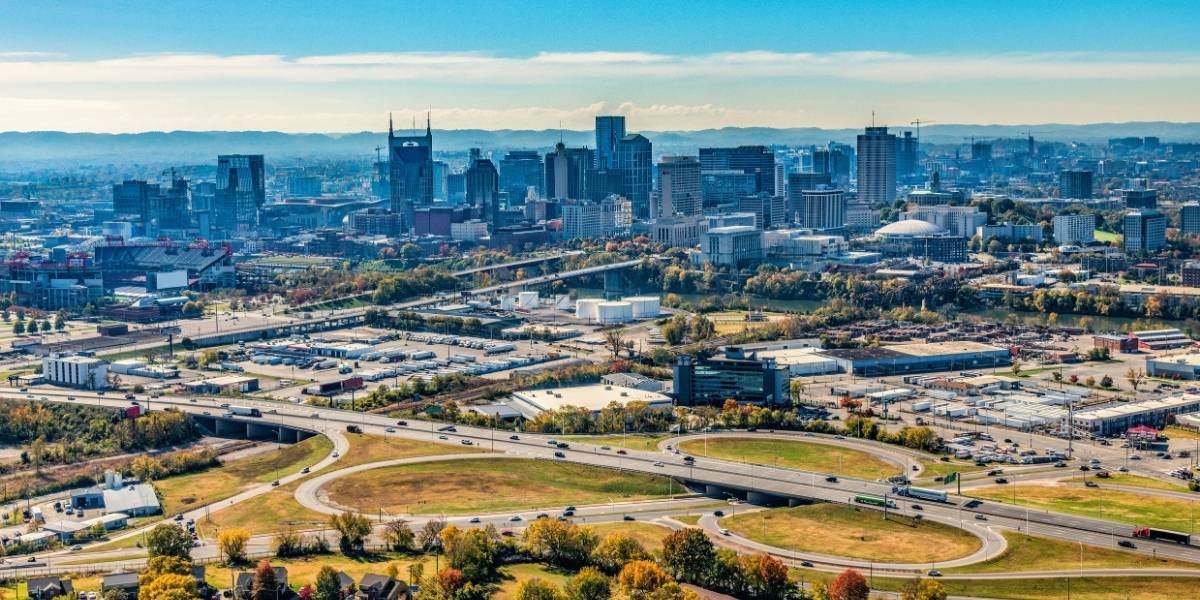
Photo Credit: Unsplash.com
Well-planned public spaces do more than just look nice; they help bring people together. Atlanta’s urban design encourages social interaction by creating inviting areas where people can meet, relax, and enjoy community events. Think about lively town squares, bustling markets, or open areas in parks where neighbors can gather. These places become natural hubs for social life.
When people have opportunities to connect with others, it strengthens their sense of belonging and can greatly improve mental well-being. Community events held in these spaces, like outdoor concerts, farmers’ markets, or art festivals, give residents a chance to share experiences and build relationships. Atlanta’s mixed-use developments also play a part, designing neighborhoods where homes, shops, and public areas are all close by. This makes it easier for people to bump into each other and form connections, fostering a stronger, more supportive community.
The Role of Green Infrastructure in Atlanta’s Health
Beyond just traditional parks, Atlanta is also focusing on “green infrastructure.” This includes things like planting more trees along streets, creating rain gardens to manage stormwater, and protecting natural waterways. These efforts do more than just make the city look beautiful; they have real benefits for health and well-being. Trees help clean the air and provide shade, making outdoor spaces more comfortable.
Managing stormwater naturally can reduce flooding and improve water quality, leading to a healthier environment overall. When the city’s natural systems are healthy, it creates a more pleasant and calming atmosphere for residents. Atlanta’s tree canopy, often called the “City in a Forest,” is a cherished asset that planners are working to protect and expand. These natural elements contribute to a healthier community, which in turn supports better mental health for everyone living there.
Looking Ahead: Atlanta’s Continued Commitment
Atlanta’s urban planning is a continuous process, always looking for ways to make the city better for its residents. There are ongoing projects and future plans that reinforce this connection between the built environment, mental health, and mobility. For example, the expansion of the Atlanta BeltLine continues to create new opportunities for recreation and transit. These long-term visions aim to ensure that as Atlanta grows, it remains a place where people can easily move around, connect with their neighbors, and find peace in their daily lives.
The city is also exploring how to make neighborhoods more walkable and bike-friendly, reducing the need for cars and promoting healthier lifestyles. Efforts to improve public transportation are also part of this vision, making sure that everyone has access to efficient and reliable ways to get where they need to go. By investing in these areas, Atlanta is building a future where urban design actively supports the well-being and happiness of its diverse population. The commitment to thoughtful growth ensures that the city remains a vibrant place to live and work.
Atlanta’s urban planning is thoughtfully supporting the mental health and mobility of its residents. By creating more green spaces, improving transportation options, and designing areas that encourage community, the city is building a more livable and enjoyable environment. These efforts show a clear understanding that a well-planned city can truly make a positive difference in people’s lives.