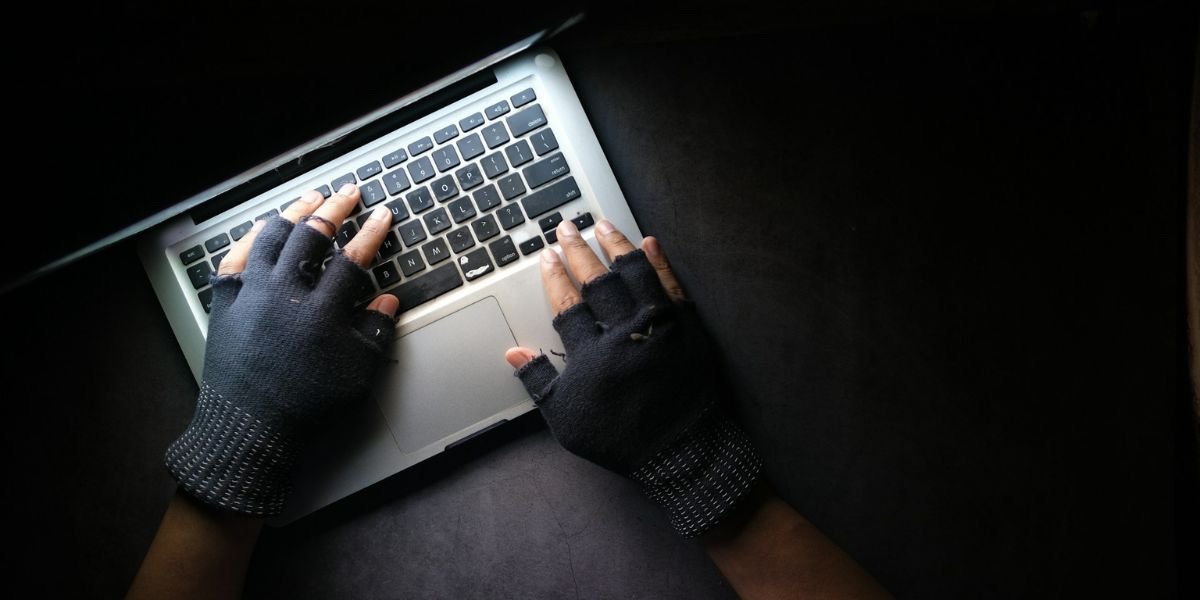

Password security often feels like a digital chore that people try to finish as quickly as possible. Many users believe they are protected because they use a combination of letters and numbers, yet hackers frequently break these codes in seconds. The reality is that many passwords people consider safe are actually as flimsy as a lock made of paper.
The Illusion of Complexity
A common mistake involves using personal information that seems obscure but is easily accessible online. People often use their pet’s name, their mother’s maiden name, or the street where they grew up. While these feel personal, they are frequently found in public records or social media profiles.
Hackers do not sit and guess every letter one by one. Instead, they use automated software that runs through millions of combinations per second. This process, known as a brute-force attack, can crack a six-character password almost instantly. Even adding a single capital letter or a number at the end does not add as much security as most users assume.
Common Pitfalls in Password Creation
Many people reuse the same password across multiple websites to avoid forgetting it. This creates a massive security hole. If a small, poorly secured shopping site suffers a data breach, hackers then have the key to the user’s email, bank account, and social media.
“Passwords are like underwear: don’t let people see them, change them often, and don’t share them with strangers.” — Chris Pirillo, tech expert and founder of LockerGnome.
Another issue is the “pattern” trap. Users often follow predictable sequences, such as “Password123” or “Qwerty!@#”. Since these patterns are well-known, hacking software prioritizes them during an attack.
Why Length Matters More Than Complexity
Security experts now suggest that length is more important than using a “leetspeak” style where letters are replaced by symbols, like using a zero instead of the letter ‘O’. A long phrase is much harder for a computer to guess than a short, complex string of characters.
A four-word random phrase like “blue-table-coffee-mountain” is significantly stronger than “P@$$w0rd!”. The longer the string, the more time it takes for a computer to test every possible variation.
Expert Insights on Security
The shift in how we think about passwords comes from years of observing how data breaches happen. Experts emphasize that the human element is usually the weakest link.
“Only amateurs attack machines; professionals attack people.” — Bruce Schneier, world-renowned security technologist and author.
This quote highlights that hackers often use social engineering or phishing to trick people into giving away their “paper locks.” If a password is easy to guess based on a person’s life, the technical strength of the encryption doesn’t matter.
Moving Beyond the Password
Since passwords are so vulnerable, relying on them alone is no longer enough. The digital landscape has moved toward a multi-layered approach.
Two-Factor Authentication (2FA)
This is one of the most effective ways to turn a paper lock into a steel one. By requiring a second form of identification, such as a code sent to a phone or a fingerprint scan, a user ensures that knowing the password is not enough to gain access. Even if a hacker steals a password, they cannot enter the account without the physical device owned by the user.
Using a Password Manager
Trying to remember twenty different, long, and unique passwords is nearly impossible for the average person. Password managers solve this by storing all credentials in an encrypted vault. The user only needs to remember one “master” password. These tools also generate truly random sequences that do not follow human patterns, making them nearly impossible to crack through traditional methods.
“The only truly secure system is one that is powered off, cast in a block of concrete and sealed in a lead-lined room with armed guards – and even then I have my doubts.” — Gene Spafford, professor of Computer Science at Purdue University.
While this quote is a bit of an exaggeration, it reminds users that security is about reducing risk, not achieving perfection. A password manager significantly reduces that risk.
Practical Steps for Better Protection
Transitioning from a weak password to a strong one does not have to be complicated.
- Avoid Dictionary Words: Using a single word found in the dictionary makes it easy for “dictionary attacks” to succeed.
- Use Passphrases: Combine three or four unrelated words.
- Check for Breaches: Websites like “Have I Been Pwned” allow users to see if their email or passwords have been leaked in past data breaches.
- Update Important Accounts: Focus on securing the email account first. Since most websites use email for password resets, a compromised inbox gives a hacker access to everything else.
The goal of a good password is to make the “cost” of hacking it too high. If a computer calculates that it will take 100 years to crack a code, the hacker will likely move on to an easier target with a paper lock.
By choosing length over simple complexity and using tools like 2FA, anyone can significantly improve their digital safety. A few minutes of effort today prevents a massive headache in the future.