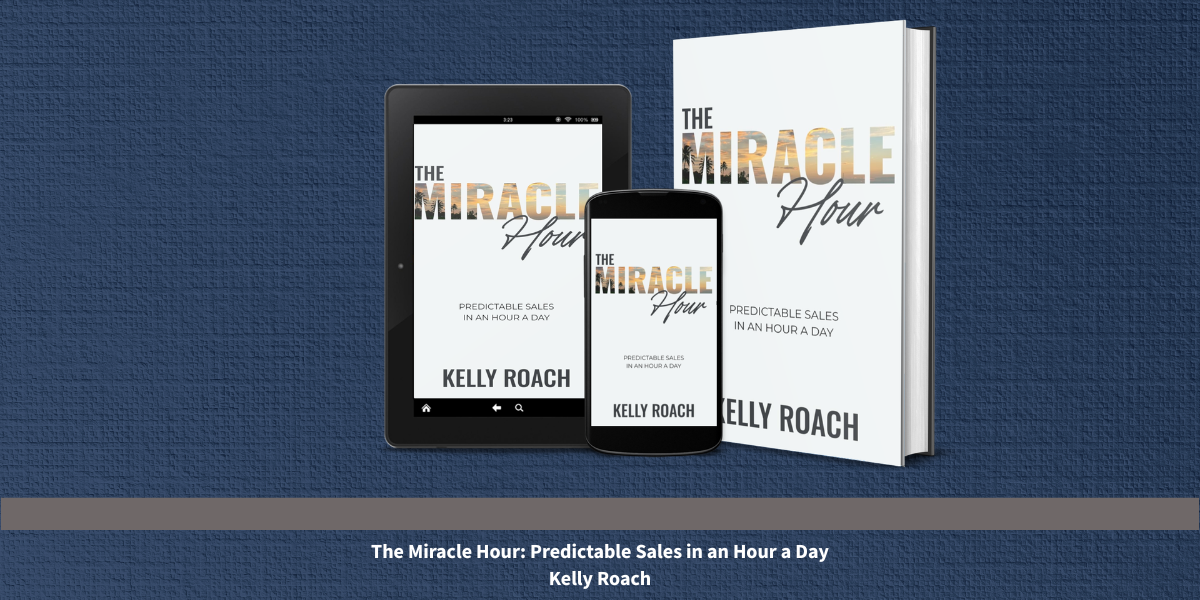

By: Mitchell Bosco
Kelly Roach’s The Miracle Hour arrives at a moment when exhaustion has somehow become a branding strategy. Modern work culture often rewards visibility over effectiveness, noise over clarity, and relentless activity over intentional focus. Roach pushes back against that atmosphere with unusual force, arguing that many entrepreneurs have drifted so deeply into reactive busyness that they no longer recognize meaningful work when it appears before them.
The book centers on a deceptively simple concept: dedicating one uninterrupted hour each day to the highest priority activities rather than scattering attention across endless distractions. What makes the framework interesting is not the promise of optimization but the psychological critique underneath it. Roach repeatedly questions why modern professionals spend so much time on productivity rather than confronting the uncomfortable conversations and decisions they tend to avoid.
Her background gives the book much of its urgency. Before becoming an entrepreneur and business mentor, Roach worked as a Fortune 500 executive in high-pressure sales environments. That experience shapes the tone of the book. She writes less like a theorist and more like someone who developed rigid habits around focus because fragmented attention simply was not sustainable long-term.
What separates The Miracle Hour from many contemporary business titles is its refusal to romanticize burnout. Roach does not present exhaustion as evidence of seriousness or moral virtue. Instead, she repeatedly returns to the idea that clarity, consistency, and deliberate action matter more than performative overwork.
The strongest sections examine the emotional architecture surrounding modern entrepreneurship. Roach argues that people often bury themselves beneath administrative tasks, branding exercises, endless content creation, and digital maintenance, partly because those activities feel safer than direct engagement. The book becomes especially compelling when read less as a sales manual and more as an examination of avoidance, discipline, and attention in an increasingly distracted culture.
There is also an interesting tension throughout the book regarding technology and human connection. Roach suggests that as automation and AI-generated communication become more common, direct personal interaction may come to carry greater emotional and professional significance. Whether readers fully agree with that premise or not, it gives the book a more contemporary texture than many traditional productivity titles.
Roach writes with confidence and intensity that will divide readers. Some will find the certainty motivating, while others may find it overwhelming. Still, even skeptics will likely recognize the underlying question driving the book: how much of modern work culture is built around appearing productive rather than engaging deeply with meaningful work?
By the end, The Miracle Hour functions less as a rigid business doctrine and more as a challenge to the fragmented rhythms of contemporary professional life. Roach is ultimately asking readers to reconsider their relationship with attention itself, and that question lingers longer than any productivity framework.
The Miracle Hour explores approaches to structuring time and attention in ways that may help entrepreneurs focus on their priorities. Roach shares her perspective on daily routines, productivity strategies, and mindful work habits, offering readers a framework to reflect on how they engage with their professional tasks. The book is available on Amazon.