
By: Matthew Kayser
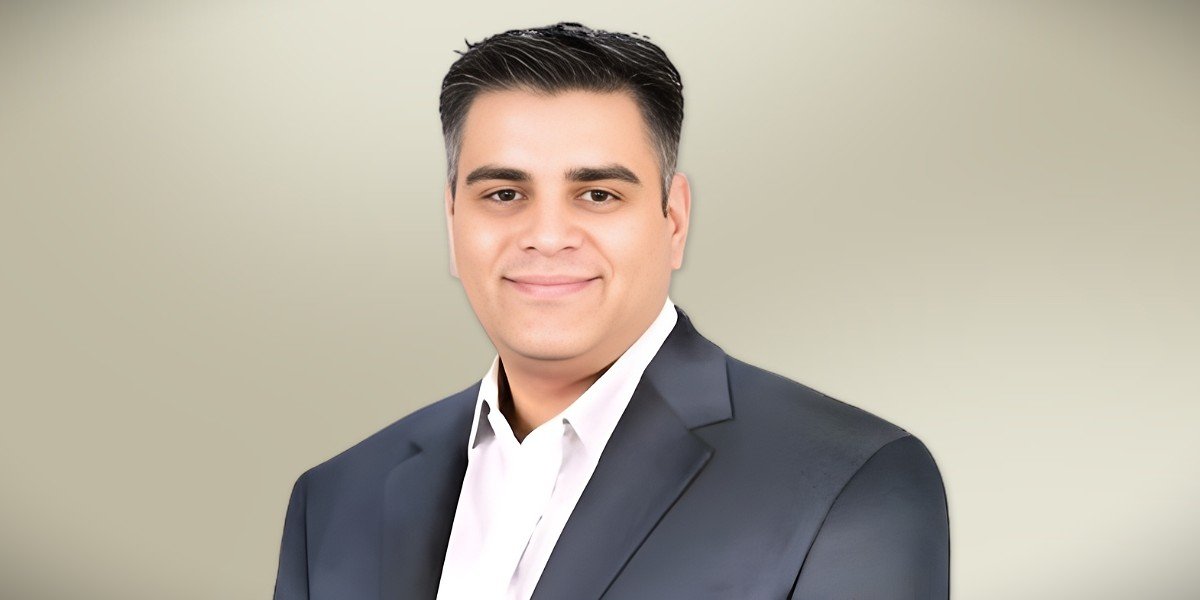
With the advent of AI, IoT, and data-driven ecosystems revolutionizing the world economy, Hemant Soni is widely recognized as a prominent digital transformation expert in the Telecom, Media, and Technology (TMT) space. His pioneering DICE Framework, which leverages AI-driven insights to optimize telecom customer engagement, combined with his leadership at Capgemini and recognition by Forbes, SCRS, and IETE, positions him as one of the leading voices in shaping the next decade of connected innovation.
In this interview, Hemant shares his thoughts on leadership, Digital Transformation, and the strategic forces behind the evolution of TMT into an intelligent and integrated ecosystem.
Q1: You have introduced the DICE Framework and metaverse platforms. What motivated these initiatives, and how are you encouraging their use in the industry?
A: I created the DICE Framework and IOTM Metaverse to address telecom’s challenge of fragmented engagement and reactive operations. The DICE framework aims to enable data-driven customer journeys, while IOTM is designed to foster immersive collaboration. These tools are intended to help telcos reduce churn, improve ROI, and modernize infrastructure. Many companies were investing heavily in AI and IoT, but lacked a structured approach to bringing these investments together into a scalable and compatible framework.
Q2. You belong to several elite organizations, such as Forbes Technology Council, IETE, and SCRS. How do you use these forums to encourage innovation and influence industry direction?
A: I leverage Forbes Technology Council, IETE, and SCRS to advance AI-driven digital transformation in telecommunications, media, and technology through thought leadership and collaborative innovation. These platforms help me share insights on AI platform architecture and IoE-based customer experience optimization while collaborating with industry leaders to shape standards for intelligent network automation and personalized service delivery. I aim to influence the TMT sector’s development by advocating for scalable AI frameworks, mentoring emerging professionals, and connecting innovative solutions with enterprise adoption to drive meaningful business outcomes. Additionally, through IFGICT, I contribute to advancing AI-powered sustainability initiatives in telecom.
Q3. You actively mentor startups operating at the intersection of streaming, telecom, AI, and IoT. What is your philosophy of leadership when mentoring founders?
A: My mentorship philosophy is rooted in the idea of combining vision with velocity. Startups need clarity of purpose but also the flexibility to pivot when necessary. I focus on moving founders from “what if” to “how now.” Through the TiE Atlanta LIFT program, I mentor P33r.com—the world’s first AI-powered P2P rental platform—helping them with their digital transformation by bridging technical vision with business execution. I emphasize data-driven decision-making, IoT integration for asset management, and adaptive AI systems. My hands-on guidance balances innovation with practical business strategies, ensuring startups create genuine value through intelligent matching, dynamic pricing, and transformative user experiences that scale.
Q4. You spearhead next-gen platform innovation while reshaping legacy systems. How do you reconcile innovation with execution?
A: It’s all about disciplined innovation. I often refer to the 70-20-10 model—spending 70% on improving today’s business, 20% on adjacent opportunities, and 10% on experimental disruptions. Innovation and execution go hand-in-hand by aligning each project with a defined business outcome. Whether it’s a data modernization project or an AI implementation, my basic principle is that if it doesn’t lead to efficiency, transparency, or an improvement in user experience, it may not be strategic innovation.
Q5. You have provided thought leadership through research, judging, and mentoring. How do you achieve consistency across these roles?
A: The key is convergence. Whether I’m writing for Forbes, mentoring at Georgia Tech, speaking at Kennesaw State University, or advising at Capgemini, I always look for ways to connect intelligence and impact. Research holds value when it leads to actionable insights. That’s why I’ve worked to convert my theoretical research on AI-IoT convergence into practical frameworks such as DICE. My aim is not just to publish, but to develop scalable roadmaps that startups and global enterprises can adopt to responsibly modernize.
Q6. You work in the telecom, streaming, IoT, academic, and startup spaces. How do you produce breakthroughs by linking insights from these various worlds?
A: Breakthroughs happen when we break down the boundaries between sectors. For instance, my research on streaming content optimization directly informs telecom business models, showing how AI can transform revenue while enhancing customer experience. As 5G evolves and 6G accelerates, my IoT automation work in smart homes has been applied to predictive analytics for enterprise data centers. I actively cross-pollinate insights—machine learning from video streaming feeds into network traffic prediction, while IoT patterns can uncover innovations in enterprise automation that might otherwise remain hidden.
Q7. Looking at your path, what kind of legacy would you like to leave in the decade of TMT transformation ahead?
A: My goal is to help create responsible AI environments that blend innovation with integrity. I envision businesses adopting frameworks such as DICE not only for efficiency, but also for sustainability and equity. The future of telecom and media will depend on how effectively we bring humans and machines together. If my contribution can help make the relationship between the two more ethical, transparent, and empowering, that would be the legacy I’d like to leave behind.
Q8. What’s the one initiative you’re working on now that you believe could have the most transformative impact in the telecom industry over the next decade?
A: I am currently developing a new framework for AI-driven network intelligence that tackles telecom’s critical challenge: modernizing complex legacy systems while maintaining service continuity. My expertise in AI for digital transformation helps organizations navigate fragmented applications and rigid infrastructures, designing phased strategies to modernize without disrupting operations. This framework integrates real-time IoT data, predictive analytics, and self-healing capabilities to reduce costs and deliver hyper-personalized services, as networks evolve into sustainable, intelligent ecosystems.
Summary
As the TMT sector moves quickly toward a hyperconnected world, Hemant Soni’s work underscores a crucial point: change is not solely about technology; it’s about intentional intelligence. He’s not just improving how systems communicate, but how people and platforms evolve together using frameworks like DICE, mentorship, and intellectual leadership.
Hemant’s story reminds us that in the age of AI, the future belongs to those who develop technologies with integrity, care about all stakeholders, and lead with a clear and purposeful vision.