
By: Anikha Sharma
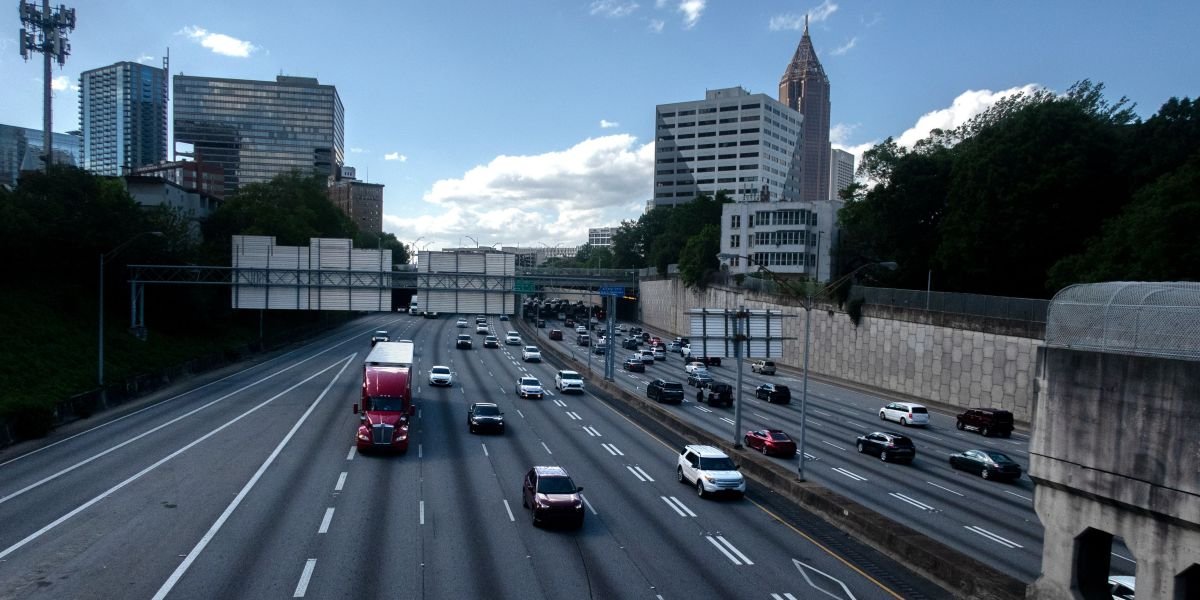
For locals familiar with the heavy traffic on I-285 or the frequent lane changes near the Downtown Connector, driving through Atlanta can test anyone’s patience. Even a short drive can turn into a long commute. Merging traffic, unexpected slowdowns, and ongoing construction have made congestion a regular part of city life.
Knowing the best time to drive through Atlanta can make a big difference. Avoid peak rush hours to save time and reduce frustration. Roads are generally clearer in mid-morning, early afternoon, and late evening. Planning your trip around these times can make driving in Atlanta smoother and more enjoyable. So how can you navigate Atlanta’s roads like a pro?
1. Make a Plan and Check Traffic Reports
Traffic in Atlanta is notorious, especially during morning and evening rush hours. Before heading out, check real-time traffic conditions, construction zones, and accident reports using apps like Google Maps, Waze, or Apple Maps.
Planning multiple alternate routes ahead of time helps you avoid unexpected delays and save valuable time. For daily commutes, set up push notifications or traffic alerts to adjust your schedule before leaving home. This proactive planning not only reduces stress but also lowers the risk of getting caught in unexpected traffic jams or accident-prone areas.
2. Avoid Rush Hour Whenever Possible
Peak traffic on major highways like I-75, I-85, and I-285 (the Perimeter) occurs from 7–9 AM and 4–7 PM. Driving during these times often leads to stop-and-go conditions, increasing travel time and the risk of minor collisions.
Working from home, carpooling, or using Atlanta’s MARTA public transit system can also reduce exposure to heavy traffic. On days when travel during peak hours is unavoidable, check if express lanes are open and reasonably priced, as these lanes often move faster than regular lanes and can save significant time.
3. Stay Alert on Interstates and Connector Roads
Atlanta’s complex highway network, particularly the Downtown Connector (I-75/I-85), can be overwhelming even for experienced drivers. Keep both hands on the wheel, stay focused, and watch for sudden lane changes or merges. Avoid distractions like texting, adjusting music, or eating while driving.
Familiarizing yourself with major interchanges and exits in advance can help prevent last-minute lane changes and reduce stress. Staying alert also helps you anticipate slower traffic, accidents, or construction zones, giving you more time to react safely.
4. Watch for Cyclists and Pedestrians
Busy neighborhoods like Little Five Points, Buckhead, Old Fourth Ward, and Midtown have high pedestrian and bike traffic. Always yield at crosswalks and intersections, and stay alert for cyclists, especially on shared streets or near bike lanes.
Trails such as the Beltline attract thousands of walkers and cyclists daily, so extra caution is essential. Slowing down in these areas not only reduces the risk of accidents but also contributes to a safer and more enjoyable environment for everyone, including drivers, pedestrians, and cyclists.
5. Stay Calm and Patient in Delays
Traffic jams are a regular part of driving in Atlanta, but your reaction can make a huge difference. Avoid aggressive behaviors such as tailgating, excessive honking, or weaving between lanes.
Maintain a safe following distance, use cruise control when possible, and listen to calming music, podcasts, or audiobooks to stay composed. Patience helps reduce stress, prevent road rage, and lower the chances of accidents, especially in areas with frequent stops and heavy congestion.
Conclusion
Driving in Atlanta can be challenging, but careful planning, awareness, and patience make it manageable. Use traffic reports, avoid rush hours, stay alert on major roads, watch for pedestrians and cyclists, and maintain calm during delays. Following these strategies can help you navigate the city safely, reduce stress, and arrive at your destination with confidence.
- Plan ahead: Check traffic reports, construction updates, and set up alerts for your commute.
- Avoid rush hour: Travel outside peak times or use express lanes, carpool, or public transit.
- Stay alert on major roads: Watch lanes carefully, avoid distractions, and learn key interchanges.
- Watch for pedestrians and cyclists: Slow down in busy neighborhoods and at crossings.
- Remain patient: Avoid aggressive driving, keep a safe distance, and stay calm in traffic jams.